 Nurturing Marriages, Enriching Families!
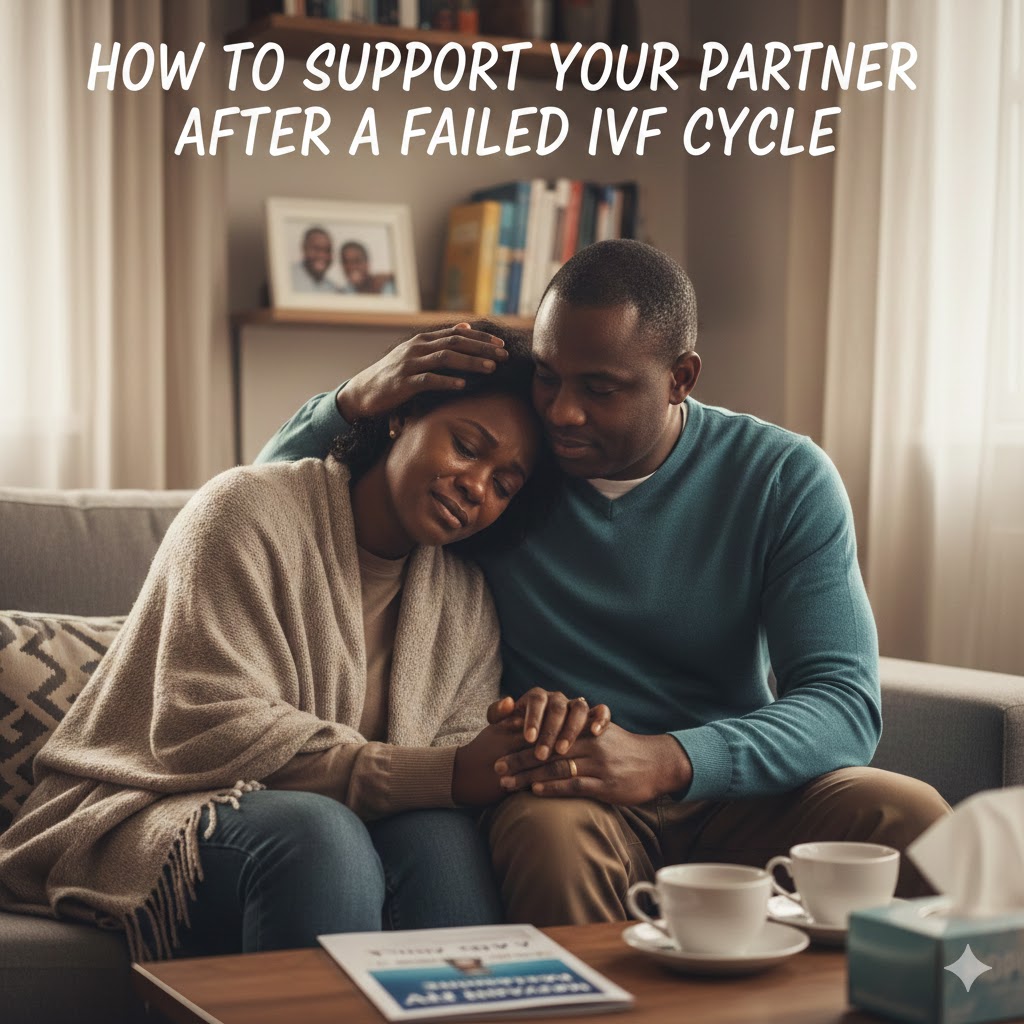
How to Support Your Partner After a Failed IVF Cycle: A Nigerian Couples’ Guide
In vitro fertilization (IVF) offers hope to couples struggling with infertility, but it also comes with emotional challenges. A failed IVF cycle can leave partners feeling heartbroken, frustrated, and overwhelmed. In Nigeria, where cultural and family expectations around parenthood are strong, the emotional impact of a failed IVF attempt can be particularly intense.
Supporting your partner after a failed IVF cycle is crucial for maintaining emotional connection, preserving marital intimacy, and fostering resilience for future attempts. This article provides Nigerian couples with practical strategies for emotional support, communication, self-care, and navigating family and societal pressures after a failed IVF cycle.
Understanding the Emotional Impact of a Failed IVF Cycle
IVF is not just a medical procedure; it’s an emotional journey:
-
Grief and Loss: Partners may feel a profound sense of loss similar to mourning.
-
Guilt and Self-Blame: Women may blame themselves for the outcome, while men may feel helpless or responsible.
-
Anxiety and Stress: Concerns about future cycles, costs, and family expectations can heighten stress levels.
-
Relationship Strain: Emotional withdrawal, irritability, and reduced intimacy may occur.
-
Societal Pressure: In Nigeria, questions about when a couple will have children can exacerbate emotional distress.
Recognizing these emotions is the first step in providing effective support and rebuilding hope after a failed cycle.
Emotional Support Strategies for Partners
1. Practice Active Listening
-
Let your partner express their feelings without interruption.
-
Avoid immediately offering solutions; sometimes, your presence and understanding are enough.
-
Validate their emotions: “It’s okay to feel sad; this is a difficult experience.”
Example: A Lagos husband sat with his wife for hours after their IVF attempt, listening without judgment. She felt heard and supported, which strengthened their emotional bond.
2. Show Empathy, Not Solutions
-
Avoid phrases like “It wasn’t meant to be” or “We can try again immediately,” which may minimize grief.
-
Offer comfort, reassurance, and understanding without pressure.
-
Acknowledge the effort and emotional investment put into the cycle.
Example: An Abuja couple’s husband focused on validating his wife’s feelings rather than pushing for immediate discussion about the next IVF attempt, which helped her process emotions.
3. Maintain Physical and Emotional Intimacy
-
Offer gentle touch, hugs, or hand-holding to reinforce connection.
-
Avoid associating sexual intimacy solely with conception.
-
Engage in shared activities that foster closeness, such as cooking, walks, or watching movies together.
Intimacy provides emotional stability and strengthens the marital bond during difficult times.
4. Communicate Openly
-
Discuss emotions, fears, and future plans together.
-
Avoid making unilateral decisions about the next cycle; involve your partner in every step.
-
Use “I” statements to express feelings without blaming: “I feel worried about the stress this cycle caused, and I want us to heal together.”
Clear communication prevents misunderstandings and fosters partnership.
5. Encourage Professional Support
-
Consider counseling or therapy, individually or as a couple.
-
Fertility counselors can provide coping strategies and emotional support specific to IVF.
-
Support groups in Nigeria, both in-person and online, connect couples who share similar experiences.
Example: A Port Harcourt couple joined a local fertility support group, where they shared experiences with other couples and gained emotional strategies for healing.
Self-Care and Emotional Healing
Supporting your partner is important, but self-care is equally vital:
-
Recognize Your Own Emotions: Partners may also experience grief, frustration, or guilt.
-
Practice Stress Management: Meditation, prayer, journaling, or hobbies can reduce anxiety.
-
Seek Professional Help if Needed: Individual therapy can help you process feelings and provide better support.
-
Maintain Physical Health: Nutrition, exercise, and sleep are essential for resilience.
Balanced self-care allows both partners to navigate the healing process without burnout.
Coping with Societal and Family Pressures
In Nigeria, societal and familial expectations add layers of stress after a failed IVF cycle:
-
Managing Questions: Prepare responses to family inquiries, such as “We are focusing on healing and will discuss next steps when ready.”
-
Setting Boundaries: Politely limit discussions with family or friends who are overly intrusive.
-
Seeking Supportive Networks: Engage with friends, peers, or faith communities who understand and respect your fertility journey.
Maintaining boundaries protects emotional health and preserves the couple’s sense of privacy and dignity.
Planning for the Next Steps
After processing grief, couples may consider future options:
-
Medical Assessment: Review the cycle with your fertility specialist to understand what factors may have affected the outcome.
-
Lifestyle Adjustments: Consider nutrition, exercise, and stress-reduction strategies to optimize fertility.
-
Timing the Next Cycle: Ensure both partners are emotionally ready before attempting another IVF cycle.
-
Alternative Paths: Discuss options such as egg/sperm donation, surrogacy, or adoption, if needed.
Realistic planning reduces pressure and increases the likelihood of success in subsequent attempts.
Real-Life Nigerian Couples’ Experiences
-
Lagos Couple: After a failed IVF cycle, the husband prioritized emotional support, accompanying his wife to counseling sessions and listening without judgment. Their emotional bond strengthened, and the wife felt empowered to consider the next cycle calmly.
-
Abuja Couple: Male-factor infertility contributed to a failed cycle. The couple focused on lifestyle improvements, stress management, and open communication, which improved both emotional connection and future fertility outcomes.
-
Port Harcourt Couple: Faced with multiple failed cycles, they joined a fertility support group and adopted mindfulness practices. Sharing experiences with other Nigerian couples normalized the emotional journey and reduced isolation.
These examples show that empathy, communication, and shared healing strategies are key to navigating the emotional impact of failed IVF.
Practical Tips for Nigerian Couples
-
Prioritize Emotional Presence: Listen, empathize, and validate feelings without rushing to solutions.
-
Maintain Intimacy: Preserve physical and emotional closeness independent of fertility outcomes.
-
Seek Professional Support: Fertility counselors, therapists, and support groups provide guidance.
-
Communicate Openly: Discuss emotions, fears, and future plans collaboratively.
-
Set Boundaries with Family: Protect yourselves from intrusive comments or advice.
-
Practice Self-Care: Both partners should prioritize emotional and physical well-being.
-
Celebrate Efforts, Not Just Results: Acknowledge the commitment, courage, and resilience involved in the IVF journey.
-
Plan Thoughtfully: Make decisions about the next cycle or alternative paths together, when emotionally ready.
Faith and Spiritual Resilience
For many Nigerian couples, faith provides comfort during fertility challenges:
-
Prayer and Meditation: Offer solace, hope, and emotional grounding.
-
Spiritual Counseling: Faith leaders can provide guidance and emotional support.
-
Faith-Based Support Groups: Connect with others in similar situations within religious communities.
Integrating faith with medical and emotional strategies can foster holistic healing and maintain hope.
Emotional Healing Beyond IVF
-
Allow Time for Grief: Processing loss is a critical step toward emotional resilience.
-
Avoid Self-Blame: Fertility challenges are rarely anyone’s fault.
-
Celebrate Personal Growth: Recognize the strength and patience developed during the journey.
-
Focus on Relationship Strength: Couples who maintain partnership, empathy, and communication are better prepared for future fertility attempts or alternative paths to parenthood.
Conclusion
A failed IVF cycle is a profoundly challenging experience, especially in Nigeria, where societal expectations and family pressures are intense. Supporting your partner requires empathy, active listening, emotional presence, and a commitment to preserving marital intimacy.
Couples who prioritize emotional connection, seek professional and community support, maintain self-care, and plan thoughtfully for the future are more likely to navigate the journey successfully. While the road may be difficult, shared resilience, hope, and understanding strengthen both the relationship and the couple’s ability to approach future fertility endeavors with confidence.
Supporting your partner after a failed IVF cycle is not only about coping with disappointment—it is about reinforcing love, trust, and partnership, ensuring that the journey, no matter the outcome, strengthens your marriage and emotional well-being.









.jpg)


Sign in to comment