 Nurturing Marriages, Enriching Families!

Instilling Honour and Humility in Nigerian Families
In Nigerian culture, family is the foundation of society. Respect for elders, obedience to parents, and humility in relationships have long been valued as cornerstones of strong households. Yet, modern life—urbanization, technology, social media, and changing societal norms—has made teaching honour and humility more challenging than ever. Children today face influences that can foster entitlement, impatience, and self-centeredness.
Instilling honour and humility in Nigerian families is essential not just for maintaining cultural identity, but for nurturing godly character, healthy relationships, and peaceful homes. Honour and humility are not mere etiquette—they are spiritual principles that reflect God’s design for family life. They shape the way parents, children, and extended relatives interact, influence the community, and leave lasting legacies.
This article explores why honour and humility matter, how Nigerian families can cultivate them, and practical steps for raising respectful, humble, and God-centered children.
Understanding Honour and Humility
Honour is the recognition of value and dignity in others. In families, it involves respecting parents, elders, siblings, and relatives. Honour acknowledges authority, experience, and the God-given position of each family member.
Humility, on the other hand, is the posture of recognizing one’s limitations and worth without arrogance. It is the ability to serve others, admit mistakes, and prioritize the well-being of the family above personal pride.
Together, honour and humility create an atmosphere of love, respect, and cooperation. They prevent conflicts, strengthen bonds, and foster an environment where faith and character can thrive.
The Biblical and Cultural Foundation
In the Bible, children are commanded to honour their father and mother (Exodus 20:12), and humility is consistently highlighted as a virtue (Philippians 2:3–4). Honour and humility are not optional—they are markers of a God-centered life.
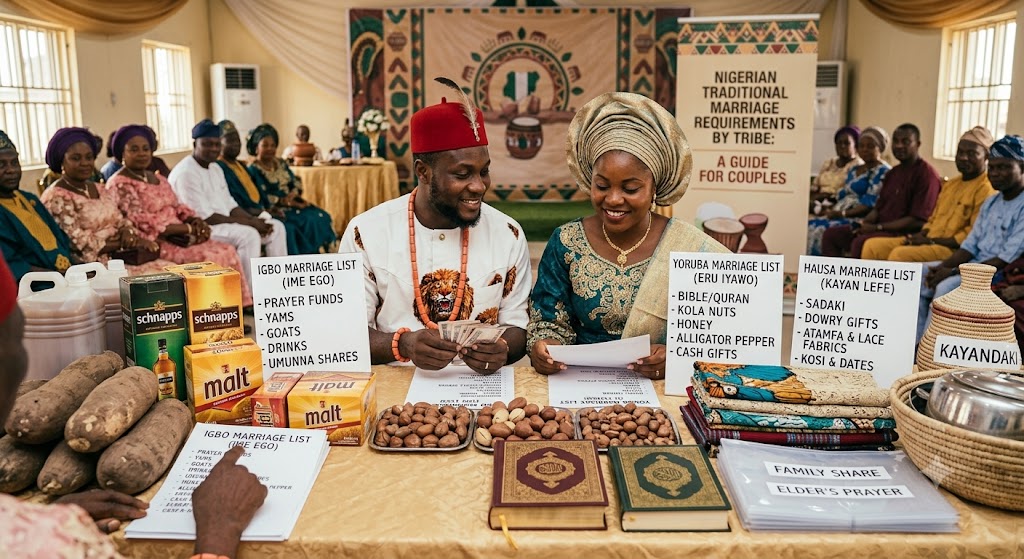
In Nigerian cultures, similar values are emphasized. Among the Yoruba, respect for elders is central to family hierarchy. The Igbo emphasize deference to elders and communal responsibility, while the Hausa stress obedience and respect as essential to societal cohesion.
By blending biblical principles with cultural wisdom, families can cultivate honour and humility in ways that resonate with both faith and tradition.
Why Honour and Humility Are Crucial in Nigerian Families
1. Strengthening Family Bonds
Families that practice honour and humility enjoy stronger emotional connections. Children feel secure when they know parents will guide them with fairness and respect. Parents, in turn, appreciate cooperation rather than rebellion.
2. Reducing Conflicts
Many household conflicts arise from pride, entitlement, or disrespect. Humility softens hearts and makes reconciliation possible, while honour prevents unnecessary challenges to authority.
3. Nurturing Godly Character
Honour and humility are not only cultural virtues—they are spiritual disciplines. Children who grow up practicing these traits develop integrity, patience, and empathy, preparing them for adult life.
4. Preserving Cultural Heritage
In a rapidly modernizing society, teaching respect for elders and humility ensures that traditional Nigerian values are passed to the next generation. This maintains social cohesion and family identity.
Practical Ways to Teach Honour in the Family
1. Model Respect as Parents
Children learn primarily through observation. When parents treat each other, household staff, and extended family with respect, children internalize these behaviors.
-
Speak politely, even in disagreements
-
Acknowledge the wisdom and efforts of others
-
Show gratitude for contributions, big or small
2. Encourage Proper Greetings
Greeting elders appropriately is a simple but powerful practice. Encourage children to use traditional gestures—kneeling, bowing, or verbal greetings depending on cultural norms. This instills respect naturally.
3. Celebrate Elders’ Contributions
Share stories about grandparents, parents, and other relatives. Recognize their sacrifices and achievements during family gatherings. This teaches children to value family history and appreciate legacy.
4. Teach Obedience with Love
Honour does not thrive in fear-based households. Discipline should be firm but fair. Children should understand the reason behind rules and the value of compliance.
Instilling Humility in Daily Life
1. Model Humble Behavior
Parents must demonstrate humility through admitting mistakes, apologizing when wrong, and serving others without seeking recognition. Children learn that humility is strength, not weakness.
2. Encourage Acts of Service
Assign age-appropriate chores and community service opportunities. Children learn to prioritize others’ needs, fostering empathy and humility.
3. Avoid Excessive Praise for Material Achievement
While encouragement is vital, overemphasizing wealth, beauty, or grades can create arrogance. Praise effort, kindness, and integrity alongside accomplishments.
4. Teach Gratitude
Humility grows from gratitude. Encourage children to thank parents, siblings, and God regularly. Prayer and family devotions can reinforce thankfulness.
Honouring Siblings and Extended Family
In Nigerian households, children often interact with siblings, cousins, aunts, uncles, and grandparents. Honour is not limited to parents.
-
Teach children to listen patiently
-
Encourage sharing and cooperation
-
Mediate disputes fairly
-
Avoid favoritism
When siblings and extended family members experience mutual respect, the household becomes more peaceful, and children learn social skills early.
Faith as a Guide for Honour and Humility
Faith provides a spiritual anchor for these values. Prayer, Scripture reading, and family devotion time reinforce the understanding that respect and humility reflect God’s character.
-
Daily Family Prayer: Start or end the day with prayers for humility and wisdom.
-
Scripture Memorization: Verses such as Philippians 2:3 and Ephesians 6:1 can remind children of God’s expectations.
-
Faith Conversations: Discuss real-life scenarios and explore how God would guide behavior.
Faith encourages children to honour God above all, which naturally extends to family and community relationships.
Handling Modern Challenges
Urbanization, technology, and changing cultural norms make honour and humility harder to teach. Children may encounter peers who flaunt disrespect or entitlement. Social media can promote pride and instant gratification.
Strategies to maintain values include:
-
Limiting exposure to harmful online influences
-
Encouraging respectful digital communication
-
Reinforcing family traditions during holidays and gatherings
-
Organizing family meetings to discuss values openly
-
Mentoring through church youth programs
Consistency in teaching, modeling, and correcting ensures that honour and humility remain central despite external pressures.
Discipline and Humility
Discipline should be viewed as guidance rather than punishment. When children understand that rules exist to protect them and cultivate character, they develop respect and humility naturally.
Key approaches include:
-
Correcting behavior calmly, not angrily
-
Explaining consequences of actions
-
Encouraging self-reflection after mistakes
-
Balancing correction with affirmation of worth
Discipline becomes an expression of love, reinforcing both honour and humility.
Building a Legacy of Honour and Humility
Families that intentionally cultivate honour and humility leave a lasting legacy. Children raised in such homes grow into adults who:
-
Treat others with respect
-
Exercise leadership with integrity
-
Contribute positively to community and church
-
Maintain healthy relationships
-
Serve faithfully in personal and professional spheres
The values of honour and humility become generational, shaping not only households but society at large.
Practical Tips for Nigerian Families
-
Family Devotion Time: Dedicate time to read Scripture and discuss virtues of respect and humility.
-
Lead by Example: Parents should demonstrate humility in actions and speech.
-
Praise Character, Not Just Achievement: Encourage effort, empathy, and service.
-
Involve Children in Decision-Making: Teach humility through listening and collaboration.
-
Celebrate Elders: Reinforce the importance of family hierarchy and wisdom.
-
Encourage Service: Participation in church and community service instills empathy.
-
Correct with Love: Discipline should nurture growth, not shame.
Consistency, patience, and prayer are key.
Conclusion
Honour and humility are essential for strong, God-centered Nigerian families. They strengthen relationships, reduce conflicts, cultivate godly character, and preserve cultural values. In a modern world full of challenges and distractions, these virtues provide a moral compass for children and adults alike.
By modeling respect, teaching obedience, encouraging service, integrating faith, and maintaining discipline with love, Nigerian families can raise children who are not only respectful and humble but also spiritually grounded, socially responsible, and emotionally resilient.
In the end, honour and humility are not just family values—they are a reflection of God’s design for healthy, thriving, and lasting homes. Families that embrace these principles create environments where love, faith, and character flourish, leaving a legacy that extends for generations.








.jpg)



Sign in to comment