 Nurturing Marriages, Enriching Families!

Managing “Nigerian Time”: How to Create a Wedding Day Timeline That Actually Works
If you have ever attended a wedding in Nigeria, you have likely heard the phrase “Nigerian time.” It refers to the cultural tendency for events to start later than scheduled. While this flexibility may be socially accepted in everyday life, it can create serious stress on your wedding day.
Weddings are complex productions involving vendors, venues, officiants, photographers, caterers, musicians, family members, and hundreds of guests. When timing collapses, everything from food service to photography and venue closing times is affected.
Whether your wedding is in Lagos, Abuja, Port Harcourt, or elsewhere, creating a realistic and enforceable wedding timeline is one of the smartest planning decisions you can make.
This 2026 guide will help you design a wedding day schedule that respects culture but still runs smoothly.
Why “Nigerian Time” Can Disrupt Weddings
In social settings, arriving one to two hours late may not raise eyebrows. But weddings are different. Delays can trigger a chain reaction of problems:
Vendors may charge overtime fees.
Catered meals may lose freshness.
Photographers may lose daylight for outdoor shoots.
Venues may enforce strict closing times.
Guests may leave before key moments.
According to Nigerian event planners, reception delays are one of the top three complaints couples have after their wedding day. Many venues in urban centers now operate on strict time blocks, especially in high-demand cities like Lagos where multiple weddings may be scheduled in one day.
Understanding the cost of delays is the first step toward preventing them.
The Psychology Behind “Nigerian Time”
To manage it, you must understand it. “Nigerian time” is influenced by several factors:
Heavy traffic congestion in major cities.
Unpredictable power supply affecting preparations.
Last-minute outfit adjustments and beauty delays.
Cultural norms that expect events to start late.
Guests waiting for “important people” to arrive before starting.
Instead of fighting the culture aggressively, successful couples build strategic buffers into their timeline.
Step One: Decide Your Non-Negotiable Start Time
If your ceremony is scheduled at 11:00 AM, decide whether that time is symbolic or realistic.
For church weddings in cities like Abuja, many churches run multiple services. This means your ceremony must start exactly when assigned. There is little room for delay.
For traditional weddings, however, start times may be more flexible.
Be honest about your venue constraints. If your reception hall booking runs from 2:00 PM to 8:00 PM, you must protect that window.
Step Two: Create a Backward Timeline
The best wedding timelines are built backwards from the ceremony time.
If your ceremony begins at 12:00 PM, consider:
What time must the bride leave home?
How long will makeup and hair take?
How long will photography before the ceremony take?
What time must vendors begin setup?
For example:
Ceremony: 12:00 PM
Bride departure: 11:15 AM
Photos complete: 10:45 AM
Makeup done: 10:15 AM
Makeup start: 7:00 AM
Building backward creates structure and accountability.
Step Three: Add Buffer Time Strategically
Buffer time is not laziness. It is protection.
Add 30–60 minutes of buffer for:
Traffic delays.
Wardrobe adjustments.
Late bridesmaids.
Unexpected vendor hiccups.
In cities like Lagos where weekend traffic can be unpredictable, buffers are essential.
However, do not announce your buffer publicly. If your ceremony is 12:00 PM, tell key participants 10:30 AM call time, not 12:00 PM.
Step Four: Assign a Timeline Enforcer
The bride and groom should not manage time on their wedding day.
Assign a trusted wedding coordinator, planner, or strong-willed friend as the “timeline enforcer.” Their role is to:
Keep vendors aligned.
Move family members into position.
Ensure speeches don’t run excessively long.
Signal transitions during reception.
Without enforcement, even the best schedule collapses.
Step Five: Communicate Clearly with Vendors
Your caterer, DJ, MC, decorator, and photographer must have a unified timeline document.
For example, your MC must know:
Grand entrance time.
First dance timing.
Cake cutting schedule.
Food service start time.
When vendors operate independently without coordination, delays multiply.
Designing a Wedding Reception Timeline That Works
A well-structured Nigerian reception typically flows in this order:
Guest arrival and small chops.
Couple grand entrance.
Opening prayer.
First dance.
Parent dances.
Food service.
Speeches.
Cake cutting.
After-party or dancing session.
The key is to limit speech time. One of the most common causes of delay in Nigerian weddings is unplanned or extended speeches from well-meaning relatives.
Set time limits in advance.
Managing Late Guests Without Derailing the Schedule
One of the biggest fears couples have is starting without “important guests.”
Here’s the truth: If you wait for everyone, you may never start.
If your ceremony time arrives and key family members are present, proceed. Late guests will adjust.
Many couples now use invitation cards that state:
“Guests are kindly requested to be seated 30 minutes before the ceremony.”
This small shift helps psychologically condition guests for punctuality.
Handling Traditional Wedding Timelines
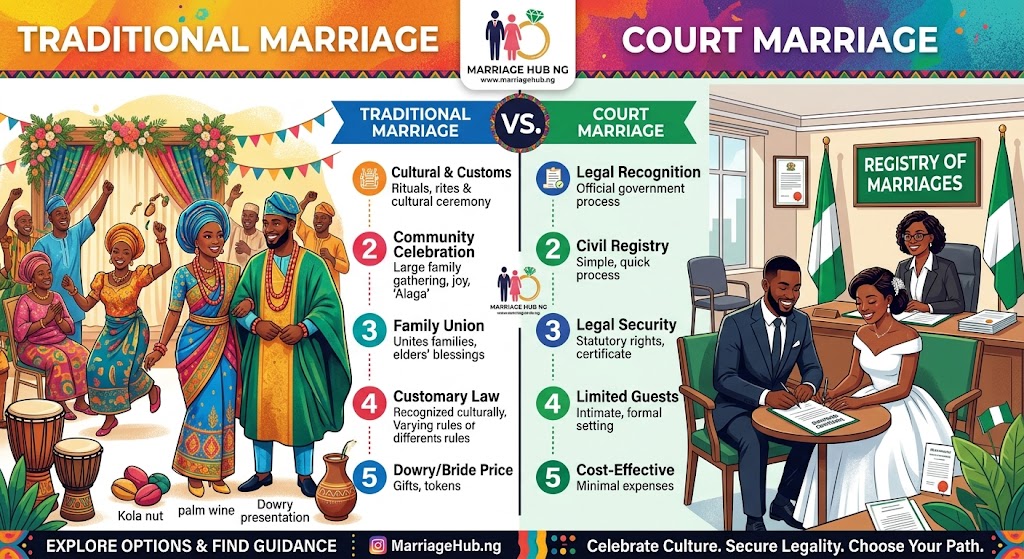
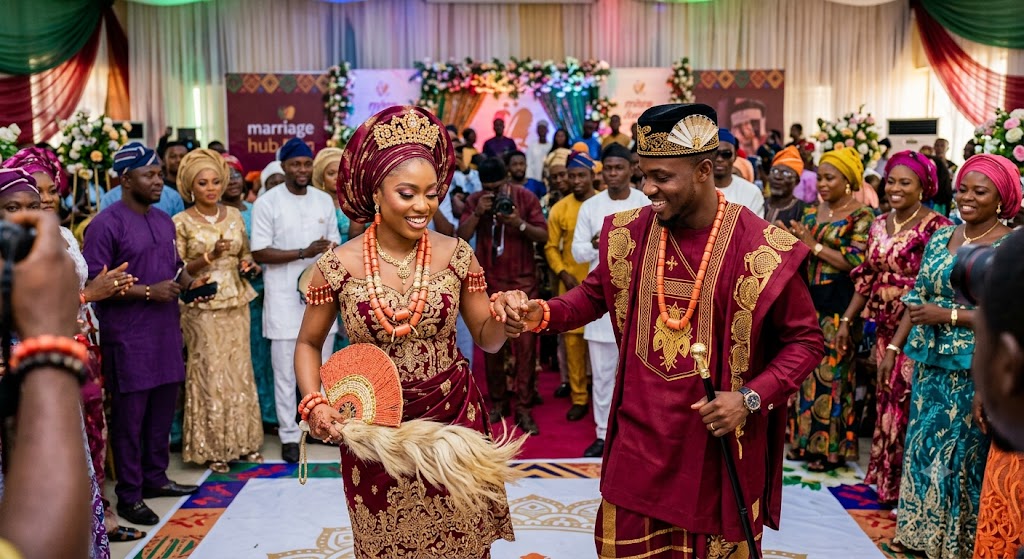
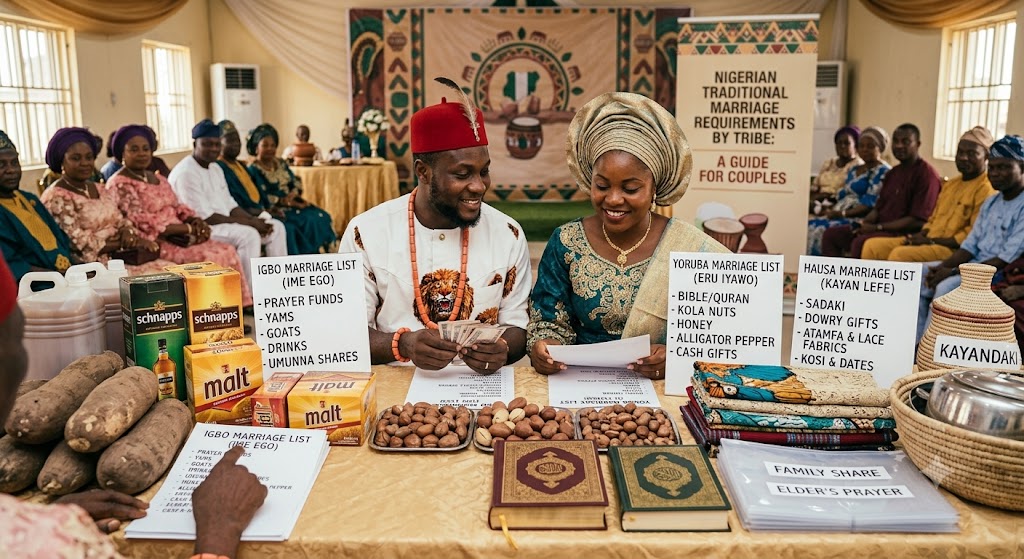
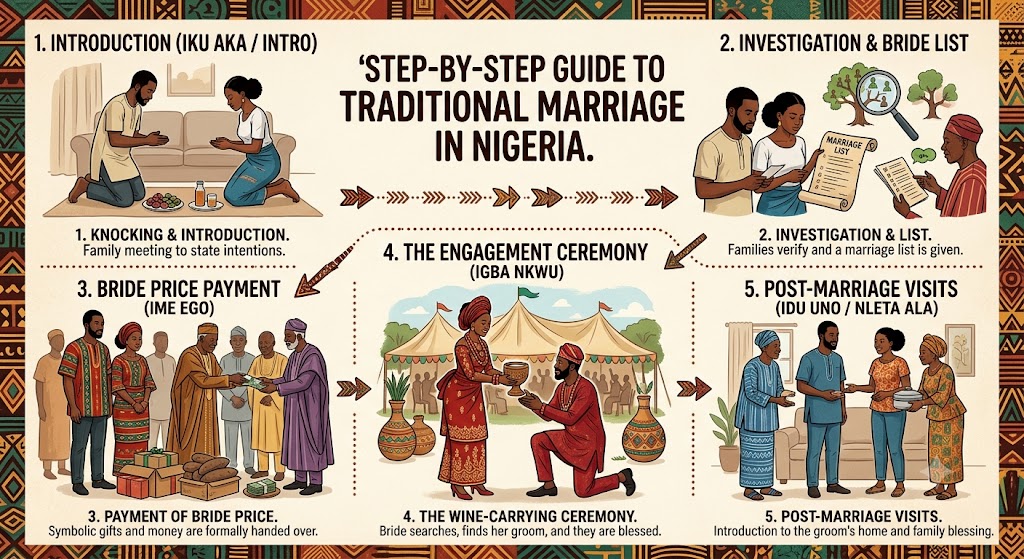
Traditional weddings often involve extended cultural rites. In Yoruba ceremonies, for example, the groom’s family prostration and negotiation segments can take time. In Igbo ceremonies, wine-carrying rituals may extend longer than expected.
Build flexibility into this portion of the day.
However, assign someone knowledgeable about the tradition to guide pacing. Ritual does not have to mean disorder.
Preventing Reception Overruns
Reception delays often happen when:
The couple arrives late from church.
Photo sessions run too long.
Decor setup is incomplete at guest arrival.
Food is not ready when scheduled.
To avoid this:
Schedule photos before the ceremony when possible.
Confirm caterer readiness one hour before serving time.
Insist that decorators finish setup at least two hours before guest arrival.
Efficiency creates calm.
Dealing with Traffic and Logistics
Urban Nigerian traffic is one of the biggest timeline disruptors.
To reduce risk:
Choose ceremony and reception venues close to each other.
Provide shuttle options if venues are far apart.
Schedule early start times to avoid peak traffic hours.
Some couples now host both ceremony and reception in the same venue to eliminate transportation delays entirely.
The Power of a Printed Wedding Day Schedule
Create a one-page wedding timeline document for:
Bridal party.
Immediate family.
MC and DJ.
Planner.
Caterer.
Include:
Arrival times.
Event transitions.
Contact numbers.
Clarity reduces confusion.
Sample 2026 Nigerian Wedding Timeline
Here’s a practical structure for a 12:00 PM ceremony:
7:00 AM – Makeup and hair begin
10:30 AM – Bridal party fully dressed
11:15 AM – Depart for venue
12:00 PM – Ceremony begins
1:30 PM – Ceremony ends
2:00 PM – Reception guest arrival
2:30 PM – Couple grand entrance
3:00 PM – Food service
5:00 PM – Cake cutting
6:30 PM – Dance session
8:00 PM – Official close
Adjust based on your venue contract.
Technology Tools That Help
Modern Nigerian weddings increasingly use digital tools:
WhatsApp groups for coordination.
Google Sheets for vendor timelines.
Countdown reminders for bridal party.
Digital MC scripts shared in advance.
Technology improves synchronization.
Cultural Sensitivity vs. Operational Discipline
You can respect cultural warmth without sacrificing organization.
The key is quiet discipline, not public confrontation.
Start when you said you would.
Respect vendor time.
Enforce transitions politely but firmly.
Guests adapt faster than you think.
FAQs: Managing “Nigerian Time” at Weddings
Is it realistic to start a Nigerian wedding exactly on time?
Yes, especially for church weddings. It requires planning and enforcement but is achievable.
How much buffer should I include?
At least 30–60 minutes for preparation segments and travel.
Should I delay my ceremony for late VIP guests?
Generally, no. Starting late often creates larger problems.
How can I prevent long speeches?
Pre-approve speakers and assign strict time limits communicated in advance.
What if traffic delays the bridal party?
Build early departure time into your schedule and avoid peak traffic hours.
Conclusion
Managing “Nigerian time” is less about fighting culture and more about designing intelligently around it. Weddings are emotional, joyful, and celebratory—but they are also logistical operations that require structure.
By building a backward timeline, adding smart buffers, assigning a timeline enforcer, coordinating vendors, and respecting venue time limits, you can create a wedding day schedule that actually works.
A well-managed timeline reduces stress, preserves your budget, protects your vendors, and ensures guests experience your celebration at its best.
In 2026, punctual weddings in Nigeria are not impossible—they are intentional.
Plan wisely, communicate clearly, and start on time. Your future self will thank you.






.jpg)

Sign in to comment