 Nurturing Marriages, Enriching Families!

Post-Wedding Financial Planning for Nigerian Newlyweds: Building a Prosperous Future Together
The wedding is over. The last plate of jollof rice has been served, the aso-ebi has been packed away, and you're finally back from the honeymoon. As you settle into the beautiful, quiet rhythm of being newlyweds, a new, crucial chapter begins: building your financial life together. While the excitement of the wedding naturally focuses on the celebration, the strength of your marriage will be significantly influenced by how you navigate your finances as a team.
Money is one of the leading sources of stress in marriages, but it doesn't have to be. In fact, with open communication, shared goals, and a solid plan, managing your finances can become a powerful way to build trust, teamwork, and a shared vision for the future. This guide provides a comprehensive roadmap for Nigerian newlyweds to move from the financial whirlwind of the wedding to a place of security, growth, and shared prosperity.
The First Conversation: Why Financial Intimacy Matters
Just as you build emotional and physical intimacy, you must also build financial intimacy. This means being completely transparent about your money. It can be uncomfortable, especially if you're joining finances with someone for the first time, but it is the non-negotiable foundation of a healthy financial future.
The goal is not to control each other, but to understand each other. Your money habits, fears, and dreams are shaped by your upbringing and experiences. One of you might be a natural saver, while the other is a spender. One might have debt, the other might have significant savings. The first step is to bring it all into the light, without judgment.
Step 1: The Financial "State of the Union" (The First Month)
In your first month as a married couple, schedule a dedicated, uninterrupted time for your first official "finance meeting." Think of it as a date with a purpose. Here’s what you need to cover:
1. Full Financial Disclosure
Create a shared document or use a spreadsheet. Each of you should list:
-
Income: Your monthly net salary, business income, or any other regular earnings.
-
Assets: Savings accounts, investments, properties, vehicles, and other valuable assets.
-
Liabilities: Debts. This is crucial. List all personal and joint debts—student loans, car loans, credit card debt, personal loans from family or friends, and any outstanding wedding-related debt.
-
Monthly Expenses: Your individual living expenses before marriage (rent, utilities, transport, food, data, etc.).
This exercise is not about blame. It's about gathering data. It gives you a complete picture of your starting point as a financial unit.
2. Discuss Your Money Stories and Philosophies
Talk about how you saw money handled while growing up. Was it a source of stress or security? What are your biggest financial fears? What are your money dreams? Understanding your partner's "money script" will explain so much about their behaviour and help you build empathy.
Step 2: Building Your Joint Financial Structure (Months 1-3)
With all the information on the table, it's time to build the container for your financial life. There is no single "right" way to structure your finances as a couple. The key is to find a system that feels fair, transparent, and works for both of you.
The Three Main Models for Nigerian Couples:
-
Model 1: Fully Joint. All income goes into a joint account, and all expenses are paid from it. This requires a high level of trust and alignment on spending. It works well for couples who see everything as "ours."
-
Model 2: Fully Separate. You keep your individual accounts and split shared bills (e.g., you pay rent, I pay for food). This model requires clear communication and tracking to ensure fairness. It can work well for couples who value high financial independence.
-
Model 3: The Hybrid "Yours, Mine, and Ours" (Highly Recommended). This is often the most practical and popular model. You each maintain your personal accounts for individual spending and you open a joint account for shared expenses and goals.
-
The Joint Account: You both agree on a percentage or fixed amount of your individual incomes to contribute to this account monthly. This covers all shared expenses: rent/mortgage, utilities, food, children's expenses, and joint savings goals.
-
Personal Accounts: The money left in your individual accounts is yours to spend as you wish, no questions asked. This preserves a sense of autonomy and reduces conflict over small, personal purchases.
-
Which model is right for you? Discuss the pros and cons and choose a model that reflects your values and comfort levels. You can always change it as you grow.
Step 3: Creating Your First Joint Budget (Month 2)
A budget is not a restriction; it's a plan for your money to achieve your goals. Using your financial disclosure data, create a realistic monthly budget together.
The 50/30/20 Rule (Adapted for Nigeria):
A simple and effective framework is the 50/30/20 rule.
-
50% for Needs: This covers essential, non-negotiable expenses. Rent/mortgage, utilities (electricity, water, internet), food, transportation for work, and minimum debt payments.
-
30% for Wants: This is for lifestyle and fun. Dining out, entertainment, subscriptions, hobbies, shopping, and personal care. This category is important for enjoying life together.
-
20% for Savings and Debt Repayment: This is for your future. Aggressively paying down high-interest debt and building your savings and investments.
Tools: Use a simple spreadsheet or a budgeting app that you can both access to track your spending against the budget each month.
Step 4: Define Your Shared Financial Goals (Month 3)
Now for the exciting part! What are you building together? Get specific about your short-term, medium-term, and long-term goals.
-
Short-Term (1-3 years): Build an emergency fund (3-6 months of living expenses), pay off specific debts, save for a memorable anniversary trip.
-
Medium-Term (3-7 years): Save for a down payment on a home, a land purchase, starting a family (and the associated costs), or funding further education.
-
Long-Term (7+ years): Children's education fund, building a retirement corpus, starting a business together, creating generational wealth.
For each goal, assign a timeline and a monetary target. This turns abstract dreams into a concrete plan and makes saving together a shared mission.
Step 5: Protecting Your Union and Your Future (Ongoing)
Building wealth is not just about saving; it's also about protection. As newlyweds, there are essential steps to take to safeguard your joint future.
1. Review Your Beneficiaries
Update the beneficiary designations on your life insurance policies, pension plans (like your RSA), and any investment accounts to name your spouse. This is a simple but critical step.
2. Consider Life and Health Insurance
If you don't already have them, now is the time to prioritise adequate health insurance for both of you. Also, consider a life insurance policy, especially if you have joint debts or plan to have children. It ensures your spouse is not burdened financially if something happens to you.
3. Create or Update a Will
It may feel too early, but having a will is a fundamental act of love and responsibility. It ensures your assets are distributed according to your wishes and protects your spouse from potential legal challenges from extended family. In the Nigerian context, this is particularly important given the extended family system.
4. Start an Emergency Fund
This should be a top priority. Aim to save 3-6 months' worth of your joint living expenses in a separate, easily accessible account. This fund is for genuine emergencies only (job loss, major medical issue, urgent home repair) and is your shield against going into debt when life throws a curveball.
Navigating Cultural Expectations and Family
This is a uniquely Nigerian aspect of post-wedding finance. The expectations from extended family can be a significant source of financial and emotional pressure.
1. Have a United Front
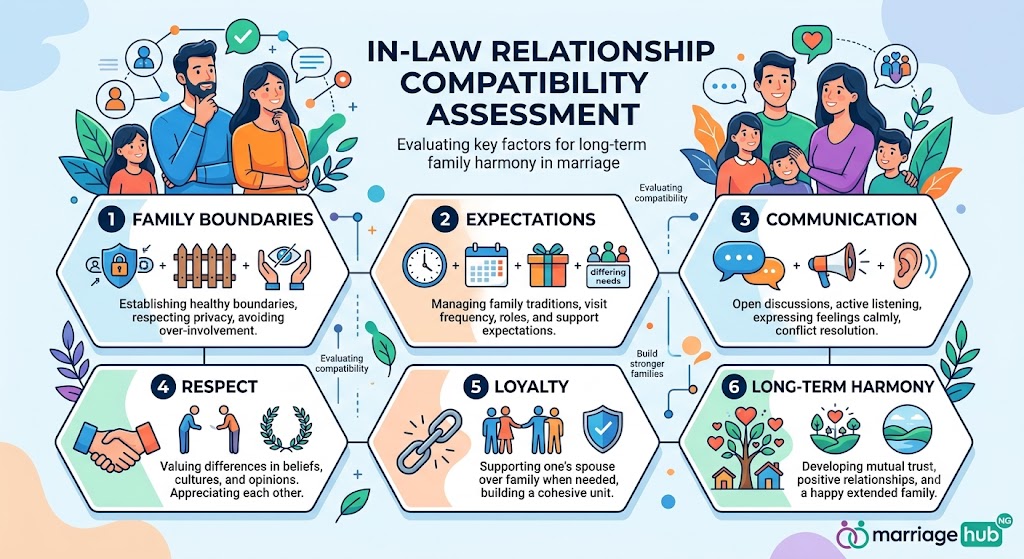
Before engaging with family, you and your spouse must agree internally on your boundaries and capabilities. Discuss questions like: How much can we realistically give as monthly support to parents? Are we responsible for funding a sibling's school fees? What about requests from distant relatives? Your answers must be a joint decision.
2. Communicate with Kindness and Firmness
When faced with a request, present a united front. Use "we" statements. For example: "We've just reviewed our budget for the year, and while we love you and want to help, we can only commit to X amount per month for now." Be clear, kind, and consistent.
3. Plan for "Family Obligations" in Your Budget
Instead of being caught off guard, proactively create a budget line item for "family support" or "gifts." This acknowledges the importance of family in our culture while keeping it within a manageable limit that doesn't derail your own goals.
Step 6: Schedule Regular Money Dates (Ongoing)
Your finances are not a "set it and forget it" task. Schedule a monthly or quarterly "money date" to review your budget, track progress on your goals, and celebrate your wins. This keeps you aligned, prevents small issues from becoming big problems, and turns financial management into a collaborative, positive ritual.
Make it enjoyable! Cook a nice dinner at home, open a bottle of wine, and go through the numbers together. It's a date to build your future.
Common Pitfalls for Newlyweds (And How to Avoid Them)
-
The Blame Game: If someone makes a financial mistake, don't attack. Address the problem together as a team. Ask, "What can we learn from this, and how can we prevent it in the future?"
-
Keeping Secrets: A secret debt or a hidden account is a betrayal of trust. Commit to total transparency. If you're struggling, tell your partner before it becomes a crisis.
-
Ignoring the Conversation: Avoiding money talk doesn't make problems go away; it makes them worse. Lean into the discomfort until it becomes comfortable.
-
Comparing to Others: Social media and society will try to tell you what you should have. Focus on your own goals and your own timeline. Your journey is unique.
Your wedding day was a beautiful beginning. But the life you build afterwards, day by day, choice by choice, is the real masterpiece. By approaching your finances with intention, teamwork, and love, you are not just managing money—you are building a foundation of trust, security, and shared purpose that will support your marriage for a lifetime.
Build Your Financial Future Together with MarriageHub.ng
Navigating finances as a newlywed couple is a journey, and you don't have to walk it alone. Whether you need advice on budgeting, want to connect with other couples, or are looking for financial tools and resources, we are here to support you.
Connect with Couples on the Same Journey
Share experiences, ask for advice on joint accounts or family pressure, and find encouragement in our community groups.
👉 Join Groups/Tribes: https://www.marriagehub.ng/all-groups
Create a Group for Your Specific Goals
Have a specific financial goal, like saving for a house or starting a business? Start your own tribe and connect with like-minded couples.
👉 Create Your Own Tribe: https://www.marriagehub.ng/create-tribes-group
Find Tools and Experts to Guide You
From budgeting templates and financial planning worksheets to connecting with trusted financial advisors, discover resources to help you build wealth.
👉 Shop the Marketplace: https://www.marriagehub.ng/marketplace
Follow us for daily tips on love, money, and marriage!
📱 WhatsApp: https://whatsapp.com/channel/0029VbCav9MCcW4pw3GSM72w
🐦 X (formerly Twitter): https://x.com/MarriageHubNG
📘 Facebook: https://web.facebook.com/MarriageHubNigeria
📸 Instagram: https://www.instagram.com/marriagehubng3









.jpg)



Sign in to comment