 Nurturing Marriages, Enriching Families!
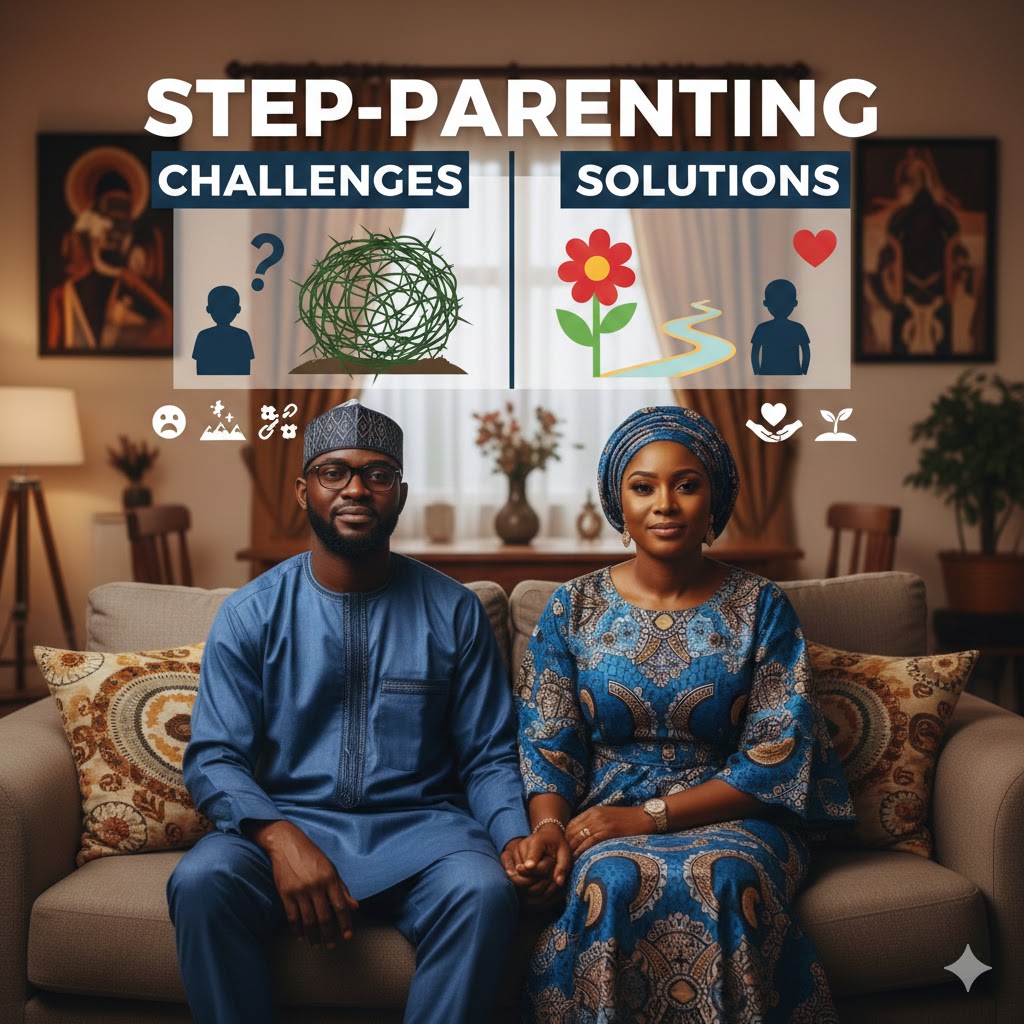
Step-Parenting Challenges and Solutions: Building a Healthy Blended Family
Step-parenting is one of the most complex and emotionally demanding roles in family life. While it can be deeply rewarding, it often comes with unique challenges that biological parenting does not.
In Nigeria and many African societies, where extended family involvement, cultural expectations, and strong traditions play a major role, step-parenting can feel even more overwhelming. Understanding these challenges and applying practical solutions can help blended families thrive.
Understanding the Reality of Step-Parenting
Many people enter step-parenting with good intentions and high hopes, only to discover that love alone is not enough. Children may still be grieving the loss of a previous family structure, struggling with loyalty to their biological parent, or resisting change altogether.
The step-parent, on the other hand, may feel unappreciated, excluded, or unsure of their role in the family. These emotional tensions can easily create conflict if not handled with wisdom and patience.
Common Step-Parenting Challenges
One of the biggest challenges in step-parenting is acceptance. Children may see the step-parent as an outsider or even a threat, especially if the new marriage followed a divorce or the death of a parent. In Nigerian homes, children may also be influenced by relatives who openly compare the step-parent to the biological parent or express disapproval of the new union.
Another major challenge is discipline. Step-parents often struggle with how much authority they should have. Being too strict can lead to resentment, while being too passive can create confusion and disrespect. Many step-parents feel trapped between wanting to help and fearing rejection.
Loyalty conflicts are also common. A child may feel guilty for bonding with a step-parent, believing it means betraying their biological parent. This can result in emotional withdrawal, defiance, or manipulation, especially during adolescence.
Marital tension is another issue. Disagreements over parenting styles, boundaries, finances, or the involvement of ex-partners can put significant strain on the marriage. If not properly managed, step-parenting challenges can slowly erode the emotional bond between spouses.
Emotional Impact on Step-Parents
Step-parents often experience silent emotional pain. They may feel like they are giving their best but receiving little appreciation in return. In some cases, they feel invisible, constantly compared, or blamed for problems they did not create. Without support and open communication, this emotional burden can lead to burnout, resentment, or withdrawal from family life.
Practical Solutions for Healthy Step-Parenting
The foundation of successful step-parenting is patience. Relationships in blended families take time to develop. Expecting instant bonding only leads to disappointment. Step-parents should focus on building trust gradually through consistency, kindness, and respect.
Clear communication between spouses is essential. Couples must present a united front and discuss parenting expectations privately. Decisions about discipline, boundaries, and routines should be agreed upon together. When children see unity between parents, they feel more secure and less inclined to test limits.
Respecting the child’s relationship with their biological parent is also crucial. Speaking negatively about an ex-partner or attempting to replace them often backfires. Instead, step-parents should aim to complement, not compete. Children are more likely to open their hearts when they do not feel pressured to choose sides.
Setting realistic boundaries helps everyone feel safe. Step-parents should avoid jumping into disciplinary roles too quickly. Initially, the biological parent should take the lead in discipline while the step-parent supports emotionally. Over time, authority can grow naturally as trust develops.
Involving extended family carefully is especially important in Nigerian households. Relatives should be encouraged to respect the new family structure and avoid making comparisons or negative comments. Couples may need to gently but firmly set boundaries with relatives to protect the emotional wellbeing of the children.
Helping Children Adjust Emotionally
Children in blended families need reassurance. They need to know that they are loved, valued, and not being replaced. Creating family routines, spending one-on-one time, and celebrating small wins together can strengthen emotional bonds.
Listening without judgment is powerful. Children may express anger, sadness, or confusion. Rather than correcting their emotions, step-parents and biological parents should validate their feelings and offer comfort. Emotional safety is the gateway to acceptance.
Dealing With Ex-Partner Dynamics
The presence of an ex-partner can complicate step-parenting. Clear boundaries, respectful communication, and consistency in parenting rules across households can reduce tension. While step-parents may not have direct authority over the ex-partner, maintaining maturity and focusing on the child’s best interest is key.
When to Seek Help
Sometimes, professional help is necessary. Family counseling or marriage therapy can provide neutral guidance and tools for navigating complex emotions. Seeking help is not a sign of failure but a commitment to building a healthy family.
Step-parenting is not for the faint-hearted, but it is possible to succeed with patience, empathy, and intentional effort. Blended families can become strong, loving units when challenges are faced honestly and solutions are applied consistently.
With time, understanding, and teamwork, step-parenting can evolve from a difficult adjustment into a meaningful and fulfilling journey.










.jpg)
Sign in to comment