 Nurturing Marriages, Enriching Families!
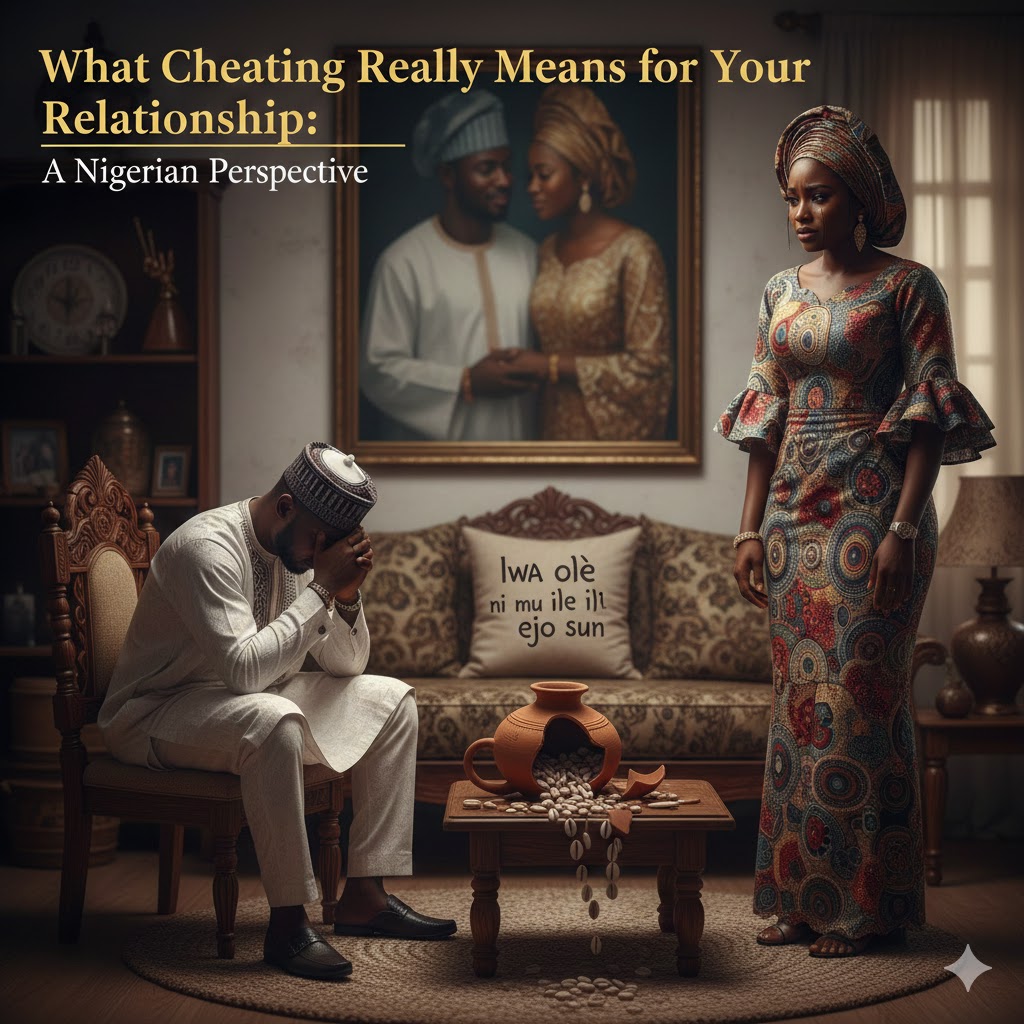
What Cheating Really Means for Your Relationship: A Nigerian Perspective
Cheating is one of the most destructive experiences a relationship can endure. It goes beyond betrayal of physical intimacy; it strikes at the core of trust, emotional security, and partnership. In Nigeria, where cultural norms, extended family influence, and societal expectations heavily shape marriages, the ramifications of infidelity are even more profound.
This article explores what cheating really means for your relationship, the emotional, psychological, and social consequences, and practical steps to navigate the aftermath—using real-life Nigerian scenarios to illustrate the points.
Understanding Cheating: Beyond Physical Infidelity
Cheating is often narrowly defined as having a physical affair outside the relationship. While this is true, infidelity can take multiple forms:
-
Emotional Affairs: Developing a close emotional bond with someone outside the relationship.
-
Financial Betrayal: Secretly spending money or hiding debts that affect the family.
-
Digital Affairs: Engaging in intimate conversations or sharing explicit content online.
Real-life Nigerian Scenario:
In Lagos, a couple, Ifeanyi and Nkechi, experienced emotional infidelity. Ifeanyi maintained an emotional relationship with a colleague for months, sharing intimate thoughts that he had stopped sharing with his wife. Nkechi, upon discovering this, felt betrayed even though no physical act had occurred.
Key Takeaway: Cheating is not limited to physical acts. Any breach of agreed-upon boundaries that violates trust constitutes infidelity.
The Emotional Impact of Cheating
The emotional consequences of cheating are profound and long-lasting. Trust is shattered, leading to fear, insecurity, and self-doubt. In Nigerian society, where family and community often play a large role in marriages, these effects can be compounded.
Common Emotional Reactions:
-
Anger and resentment
-
Anxiety and constant suspicion
-
Depression and loss of self-esteem
-
Feelings of inadequacy
Example:
In Ibadan, a woman named Funmi discovered her husband’s secret digital communication with another woman. She became withdrawn, struggled with self-worth, and questioned her value in the marriage. Her emotional turmoil affected her work and social interactions until she sought counseling.
Nigerian Insight: Cultural expectations sometimes pressure women to stay in marriages despite infidelity, adding layers of guilt and stress to the betrayed partner’s emotional burden.
How Cheating Affects Trust
Trust is the foundation of any healthy relationship. Cheating, by definition, destroys trust. Rebuilding it is possible but takes time, patience, and consistent effort.
Real-life Scenario:
In Port Harcourt, a couple, Tunde and Bimpe, faced the challenge of rebuilding trust after Tunde’s affair. Bimpe initially doubted every interaction, questioning Tunde’s honesty about work, friendships, and finances. Over two years of counseling and consistent transparency, trust slowly returned.
Impact on Relationships:
-
Betrayed partners may struggle with jealousy and suspicion.
-
Everyday decisions can be scrutinized, leading to tension.
-
Small misunderstandings may escalate due to lingering insecurity.
The Ripple Effects on Nigerian Families
Cheating does not only affect the couple—it often extends to children, extended family, and even social circles.
Case Study:
In Kano, Mariam discovered her husband’s affair with a neighbor. The news spread quickly within the community. Family members took sides, creating pressure on Mariam to either forgive or end the marriage. Their children observed the tension, affecting their emotional security.
Key Points:
-
Infidelity can cause community gossip in closely-knit Nigerian communities.
-
Children may feel confusion, insecurity, or resentment.
-
Family dynamics often become strained, influencing decisions about reconciliation.
Cheating and Emotional Disconnect
One of the hidden consequences of infidelity is emotional disconnection. Cheating often stems from unmet emotional needs or dissatisfaction, which then worsens after betrayal.
Real-life Example:
In Abuja, a husband named Chidi engaged in infidelity after years of feeling emotionally neglected. His wife, Amaka, also emotionally withdrew when she discovered the affair. Over time, their emotional distance widened, threatening the marriage.
Insight: Addressing the root causes—communication gaps, unmet expectations, and lack of intimacy—is essential for healing.
The Difference Between Forgiveness and Rebuilding Trust
In Nigerian culture, forgiveness is often encouraged by religious and societal norms. However, forgiving a partner does not automatically restore trust.
Example:
A Lagos couple, Tobi and Sade, were advised by their pastor to forgive after infidelity. While Sade forgave Tobi, she struggled to trust him again, highlighting that forgiveness is a personal choice, whereas trust must be earned over time.
Key Insight:
-
Forgiveness is emotional; trust is behavioral.
-
Trust requires consistent, transparent actions.
-
Reconciliation without rebuilding trust can lead to repeated betrayal.
Common Reasons for Cheating in Nigerian Relationships
Understanding why cheating occurs can help couples address underlying issues.
1. Emotional Neglect: Feeling unappreciated or disconnected emotionally.
2. Opportunity and Temptation: Workplace or social environments with frequent interactions.
3. Cultural Norms and Gender Expectations: Some men or women rationalize cheating due to societal stereotypes about masculinity or marital obligations.
4. Lack of Communication: Inability to express needs or dissatisfaction.
5. Financial or Social Pressure: Secrets involving money or social image can lead to betrayal.
Example:
In Enugu, a man justified his affair as “stress relief from work pressures,” but this rationalization ignored the emotional damage inflicted on his wife.
The Role of Counseling in Cheating Recovery
Professional counseling plays a critical role in helping Nigerian couples navigate the aftermath of infidelity. Counselors provide a structured environment for communication, emotional processing, and trust rebuilding.
Benefits of Counseling:
-
Safe space for emotional expression
-
Conflict resolution techniques
-
Strategies to rebuild intimacy and trust
-
Guidance for realistic expectations
Case Study:
In Lagos, a couple attended a certified marriage counselor after discovering infidelity. Through structured sessions, they learned to communicate effectively, rebuild intimacy, and set healthy boundaries.
Red Flags and Early Warnings of Infidelity
Awareness of potential warning signs can help prevent or address cheating before it escalates.
Signs to Watch for:
-
Sudden secrecy with phones, social media, or finances
-
Emotional withdrawal or decreased communication
-
Unexplained absences or frequent late nights
-
Decreased intimacy or avoidance of closeness
Example:
In Kaduna, a woman named Rukayat noticed her husband frequently hiding his phone and being distant. Early confrontation and counseling prevented further emotional entanglement with another woman.
Rebuilding After Cheating: Steps for Nigerian Couples
While cheating has serious consequences, relationships can survive and even thrive after betrayal if the right steps are taken.
Step 1: Honest Communication
Transparency about actions, intentions, and feelings is crucial.
Step 2: Emotional Support
Both partners need to feel heard and validated.
Step 3: Setting Boundaries
Clear rules about social interactions, finances, and digital behavior help prevent future betrayal.
Step 4: Seeking Professional Help
Marriage counseling can mediate communication and guide healing.
Step 5: Rebuilding Intimacy
Shared activities, emotional connection, and gradual physical intimacy strengthen bonds.
Step 6: Patience and Consistency
Rebuilding trust takes time; consistency in behavior is key.
The Long-term Impact of Cheating on Nigerian Marriages
Cheating does not always mean the end of a relationship, but its effects linger if not addressed properly.
Potential Long-term Effects:
-
Lingering suspicion and insecurity
-
Difficulty in future trust-building
-
Emotional distance or avoidance
-
Social stigma in tightly-knit communities
Positive Outcomes:
-
Improved communication and emotional awareness
-
Stronger commitment if trust is rebuilt successfully
-
Clearer understanding of personal needs and boundaries
Example:
In Jos, a couple, after infidelity, attended counseling, engaged in open communication, and built stronger emotional intimacy. Years later, their marriage was stronger, with deeper understanding and trust than before the affair.
Conclusion: Understanding the True Meaning of Cheating
Cheating is more than a physical act—it’s a breach of trust, emotional betrayal, and a challenge to the foundation of a relationship. In Nigeria, where cultural, family, and societal pressures shape marriages, the impact can be profound.
Understanding the emotional, social, and psychological consequences of infidelity is the first step toward healing. Through honesty, accountability, counseling, and consistent effort, couples can navigate the aftermath of cheating and decide whether to rebuild or redefine their relationship.
Final Thought: Cheating is painful, but it also provides an opportunity to confront relationship issues, improve communication, and strengthen emotional bonds. Nigerian couples who approach infidelity with awareness, patience, and action can emerge stronger—whether together or with clarity for the future.








.jpg)

Sign in to comment