 Nurturing Marriages, Enriching Families!

Red Flags to Watch Out for Before Getting Engaged
Engagement is one of the most significant decisions a couple can make. It represents a serious step toward marriage and a public declaration of long-term commitment. Yet many people rush into engagement based on emotions, pressure, or fear of losing a partner, without carefully examining warning signs that may later threaten the marriage.
In Nigeria, engagement often comes with strong cultural expectations. Family pressure, age considerations, religious influence, and societal timelines can push couples toward engagement before they are truly ready. Unfortunately, marriage does not erase problems—it magnifies them. The red flags that appear during dating often become deeper struggles after the wedding.
Learning to recognize red flags before engagement is not about being overly critical or fearful. It is about being wise, honest, and protective of your future. Love thrives best when it is grounded in truth and clarity.
One of the earliest red flags to pay attention to is emotional unavailability. A partner who struggles to express feelings, avoids emotional conversations, or shuts down during conflict may not be emotionally prepared for marriage. Emotional unavailability often hides behind excuses such as being “busy,” “not expressive,” or “just like that.” Over time, this leads to emotional loneliness, even within marriage.
Consider a common Nigerian scenario where one partner believes providing financially is enough and dismisses emotional needs as unnecessary. Before engagement, this pattern often appears as lack of interest in meaningful conversations or discomfort with vulnerability. If ignored, it becomes emotional neglect in marriage.
Another major red flag is poor communication, especially during disagreement. Every couple experiences conflict, but how conflict is handled reveals emotional maturity. A partner who resorts to shouting, insults, silent treatment, or emotional manipulation during arguments is displaying unhealthy patterns. Engagement should never be seen as a solution to communication problems. If conflict is toxic before marriage, it will only intensify afterward.
Dishonesty is another serious warning sign that should never be ignored. This includes lying about finances, past relationships, family issues, or personal habits. In Nigerian relationships, financial dishonesty is particularly common and dangerous. A partner who hides debts, exaggerates income, or avoids financial conversations may be creating future instability. Trust is the foundation of marriage, and once it is broken, rebuilding becomes difficult.
Controlling behavior often appears subtly during dating and is frequently mistaken for love or concern. A partner who constantly monitors your movements, restricts friendships, demands access to your phone, or makes decisions on your behalf may be exercising control rather than care. In Nigerian culture, where authority is sometimes normalized in relationships, these signs can be easily overlooked. However, control before engagement often leads to emotional or psychological abuse in marriage.
Another red flag is disrespect, especially in moments of frustration. Pay attention to how your partner speaks to you when they are angry or stressed. Dismissive comments, sarcasm, ridicule, or public embarrassment are signs of deeper character issues. Respect is not something that improves with marriage; it is revealed over time. If respect is missing during dating, engagement will not create it.
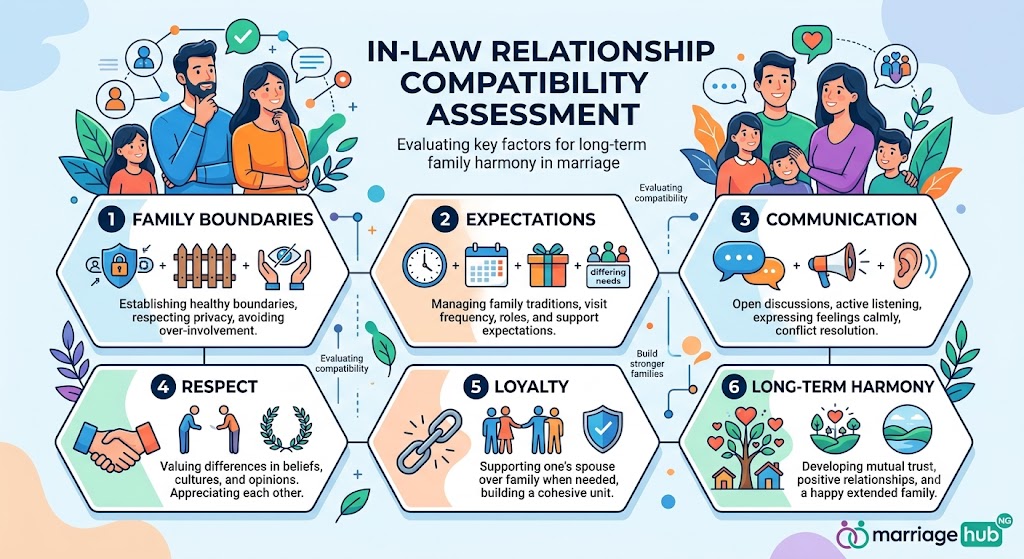
Involvement of family is an important consideration before engagement, particularly in Nigeria. While family influence is normal, a red flag appears when a partner cannot set healthy boundaries with relatives. If parents or siblings dominate decisions, criticize you openly, or interfere excessively—and your partner refuses to address it—this dynamic will likely continue into marriage. Engagement should unite two people, not place one person under constant external control.
Unresolved anger or bitterness from past relationships is another warning sign. A partner who frequently speaks with hostility about an ex, blames everyone else for past breakups, or refuses to reflect on their own role may carry emotional baggage into marriage. Healing and self-awareness are essential before making a lifelong commitment.
Different values and life goals also deserve serious attention before engagement. Love can exist alongside incompatibility. Conflicting beliefs about faith, children, finances, gender roles, or lifestyle often create long-term tension. Avoiding these conversations because they feel uncomfortable does not make the differences disappear. Engagement should be based on alignment, not hope that someone will change.
A lack of accountability is another subtle but dangerous red flag. A partner who never apologizes, always deflects blame, or refuses to accept responsibility for mistakes may struggle with humility. Marriage requires the ability to admit wrong, seek forgiveness, and grow. Without accountability, resentment builds and emotional connection weakens.
Emotional instability is also worth noting. Extreme mood swings, unresolved trauma, or unpredictable behavior can create an unsafe emotional environment. While everyone has emotional struggles, a refusal to seek help or acknowledge issues suggests unpreparedness for marriage. Love does not replace healing.
A Nigerian example often seen is a partner who uses culture or religion to justify harmful behavior. Statements like “That’s how men are,” “A wife must endure,” or “Marriage is suffering” are red flags, not wisdom. Such beliefs often excuse emotional neglect, control, or abuse. Healthy marriages are built on mutual care, not endurance alone.
Rushing into engagement is itself a red flag. Pressure from age, family, pregnancy, or fear of losing a partner can lead to hasty decisions. Engagement should come from clarity and confidence, not anxiety or external pressure. If you feel uneasy, confused, or constantly anxious about the relationship, that feeling deserves attention.
Another warning sign is inconsistency between words and actions. A partner may promise commitment, change, or growth, but consistent behavior reveals true intentions. Engagement should be based on what you experience, not what you are promised.
Ignoring red flags often happens because of emotional attachment, fear of starting over, or societal pressure. However, it is better to pause or walk away before engagement than to enter a marriage filled with unresolved issues. Ending a relationship may be painful, but marrying into a troubled situation is often more damaging.
Engagement is not just a celebration; it is a decision that shapes the rest of your life. It should be entered with open eyes, emotional honesty, and courage. Red flags are not meant to create fear but to guide wisdom. Paying attention to them is an act of self-respect and love for your future.
Before saying yes to engagement, ask yourself whether you feel emotionally safe, respected, understood, and supported. Marriage should feel like a partnership, not a battlefield or a burden.
Choosing wisely before engagement increases the chances of building a marriage that is healthy, peaceful, and fulfilling.






.jpg)
Sign in to comment