 Nurturing Marriages, Enriching Families!
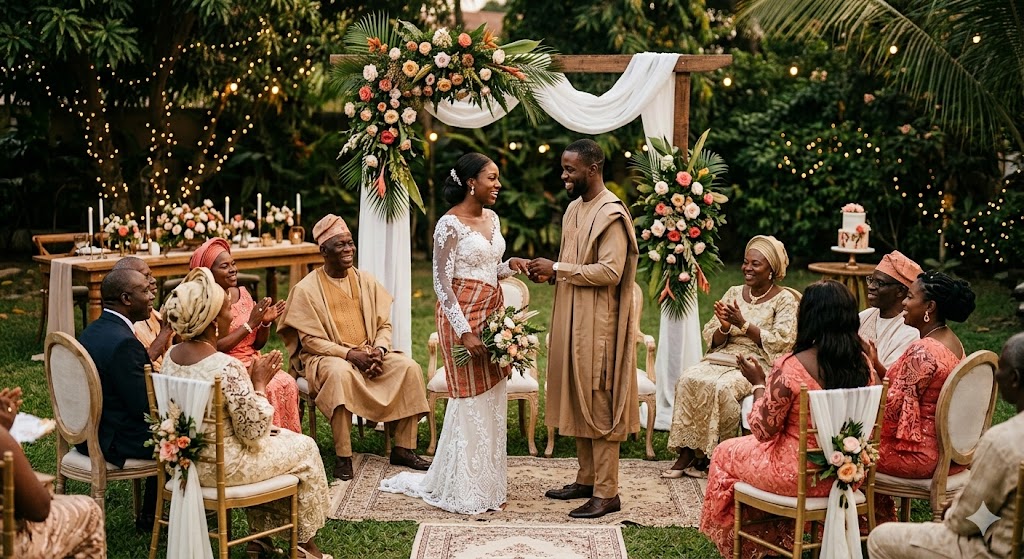
Small & Intimate: How to Plan a ‘Micro-Wedding’ in Nigeria Without Offending Family
Weddings in Nigeria are often grand, multi-day celebrations involving hundreds, sometimes thousands, of guests. However, the trend of micro-weddings—small, intimate ceremonies with fewer than 50–100 guests—is steadily gaining popularity in 2026. Micro-weddings allow couples to focus on meaningful connections, personalized details, and reduced costs, while still celebrating their union in style.
For many Nigerian couples, the challenge is balancing the desire for an intimate celebration with family expectations. Relatives often associate weddings with status, prestige, and cultural norms, so planning a smaller ceremony without offending loved ones requires tact, creativity, and communication.
This guide will show you how to plan a small, elegant Nigerian wedding, respect family sentiments, and stay within your budget.
Why Micro-Weddings Are Becoming Popular in Nigeria
There are several reasons couples are choosing smaller weddings in 2026:
-
Budget Efficiency: A micro-wedding can cost 50–70% less than a traditional wedding, freeing up funds for honeymoon travel, property, or investments. In cities like Lagos and Abuja, where the average wedding can range from ₦5 million to ₦15 million for 500–800 guests, reducing the guest list can save millions.
-
Stress Reduction: Fewer guests mean simpler logistics, shorter timelines, and less planning stress. Catering, décor, and seating arrangements are easier to manage.
-
Personalization: Small weddings allow couples to focus on custom details, from curated menus to personalized décor and meaningful activities.
-
Intimacy: Sharing your day with close family and friends ensures each guest is truly part of your story.
Balancing Family Expectations
One of the biggest challenges in Nigeria is family pressure. Weddings are often seen as communal milestones, not just personal ones. To avoid conflict:
-
Communicate Early: Let family know your vision and explain why a micro-wedding matters to you. Be transparent about budget, logistical reasons, or personal preferences.
-
Involve Key Elders: Including parents or influential relatives in the planning process can help gain support and prevent resentment.
-
Offer Alternatives: You can host a small wedding but plan an informal reception or party afterward for extended family and friends.
-
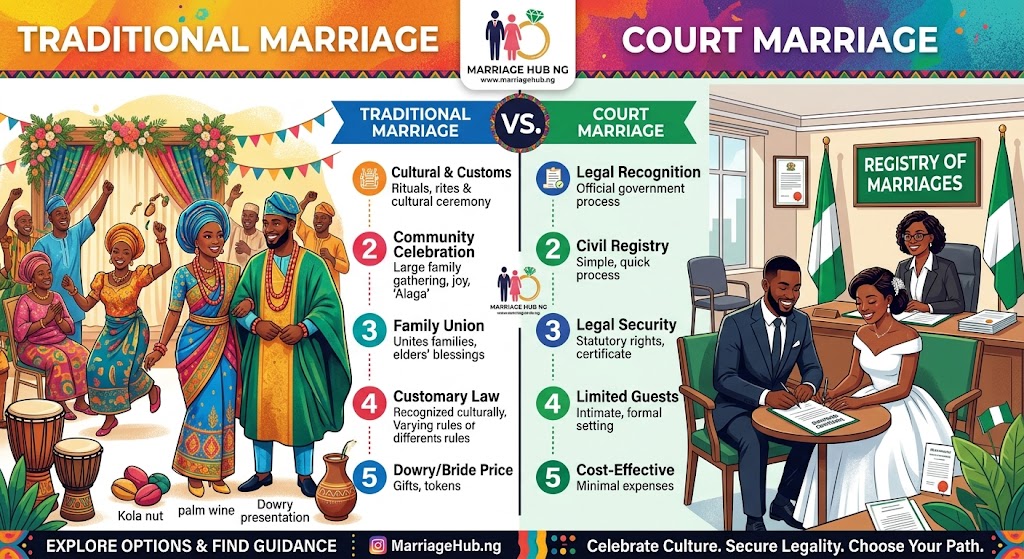
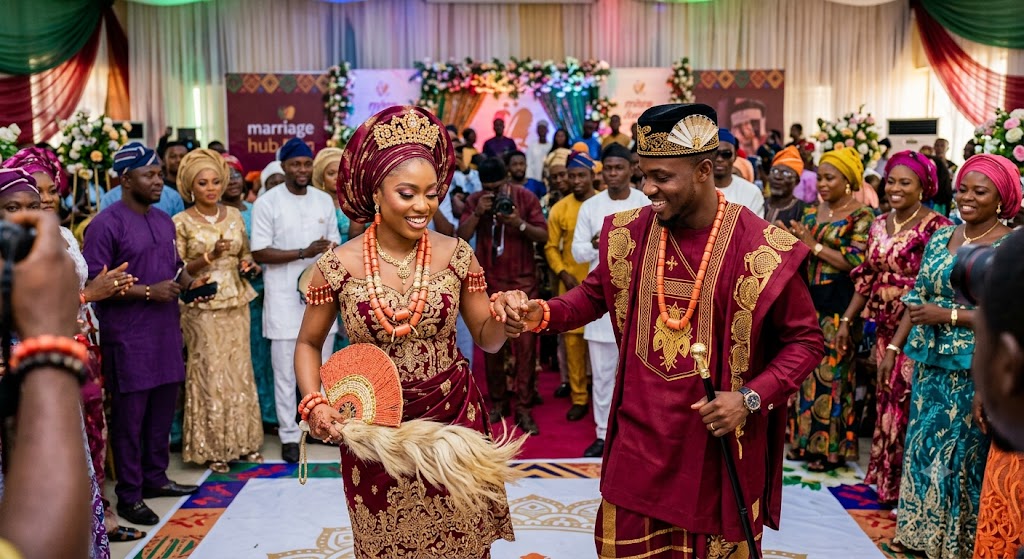
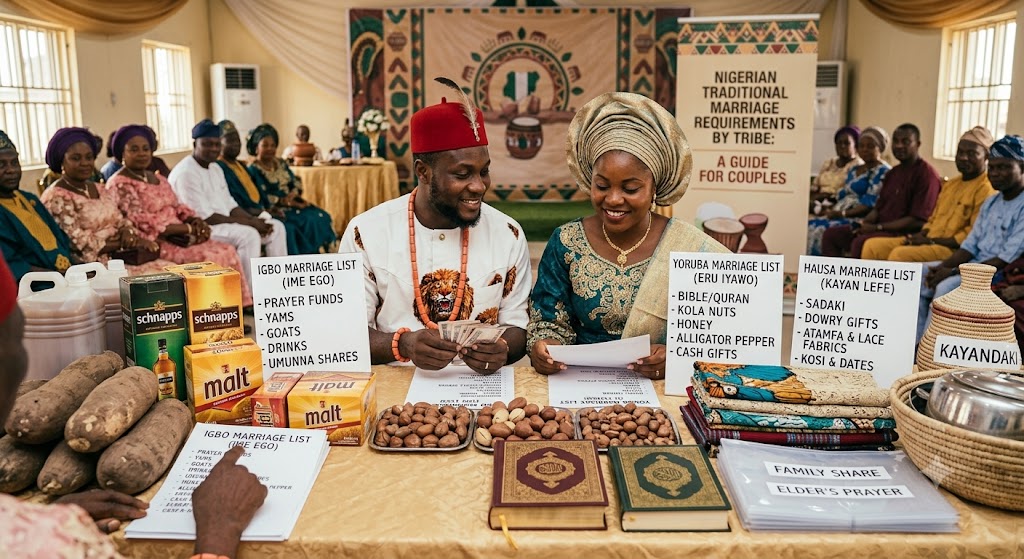
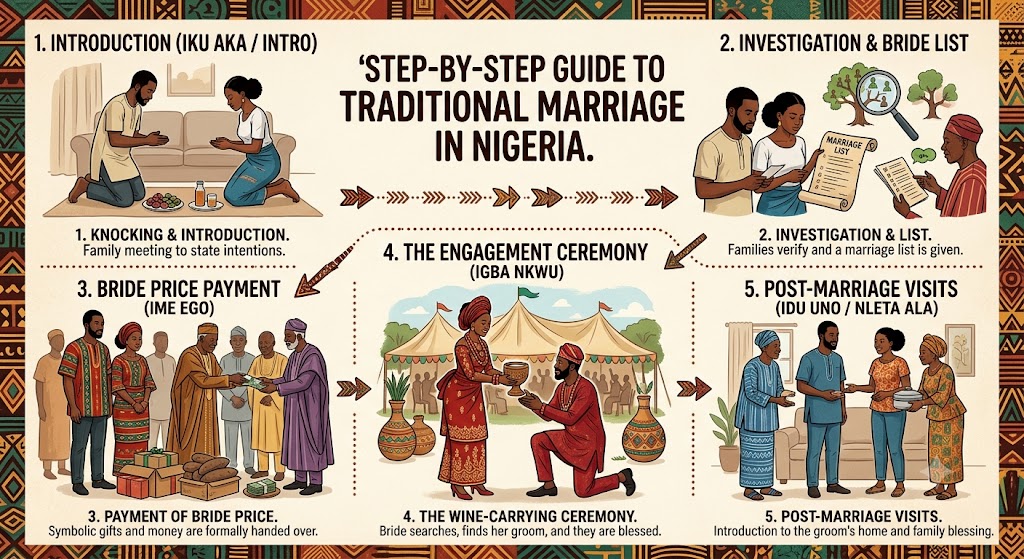
Respect Cultural Traditions: Even a micro-wedding can include symbolic rituals such as the Yoruba engagement, Igbo wine-carrying, or Hausa traditional blessings.
Step 1: Setting Your Guest List
Micro-weddings typically range from 20–100 guests. Start by listing the absolute must-haves:
-
Immediate family
-
Closest friends
-
Mentors or spiritual leaders
Once the core group is set, consider a “plus one” policy or limited invites to extended family. Remember, in Nigerian culture, excluding certain relatives may cause tension, so balance is key.
A practical approach is using tiers:
-
Tier 1: Essential family and friends (must attend)
-
Tier 2: Close acquaintances (optional)
-
Tier 3: Extended network (celebrate separately)
Step 2: Choosing the Right Venue
Venue selection is crucial for small weddings. Intimate settings create warmth, charm, and exclusivity.
-
Boutique Hotels or Event Spaces: Many hotels in Lagos, Abuja, and Port Harcourt offer private dining halls and gardens ideal for micro-weddings.
-
Private Homes or Gardens: Hosting at home adds personalization but requires attention to logistics like seating, catering, and restrooms.
-
Destination Venues: Couples can choose resorts or quiet retreats for a small, luxurious wedding. This is especially popular for couples seeking discretion or scenic photography.
When booking, confirm that your venue can comfortably accommodate all guests while allowing space for dancing, dining, and ceremonial rituals.
Step 3: Budgeting Your Micro-Wedding
Although micro-weddings are smaller, they still require a clear budget. Typical costs include:
-
Catering: Fewer guests reduce costs, but high-quality meals and personalized menus can maintain elegance. In 2026, caterers in Nigeria may charge ₦8,000–₦15,000 per plate.
-
Décor: Table settings, flowers, lighting, and theme décor are easier to manage with fewer tables, making it cost-efficient.
-
Photography & Videography: Even small weddings deserve professional coverage. Many photographers offer custom packages for intimate events.
-
Attire: Outfits for couple and close family members, including traditional wear and wedding gowns/suits.
-
Entertainment: Live music, DJs, or cultural performers can be scaled for smaller crowds.
-
Miscellaneous: Invitations, favors, officiant fees, and permits if applicable.
Step 4: Designing the Ceremony
Micro-weddings allow couples to experiment with creative ceremony formats. Some ideas include:
-
Combined Traditional & Civil Ceremony: Include symbolic rituals in a shorter, intimate setting.
-
Personalized Vows: Smaller audiences allow heartfelt exchanges without performance anxiety.
-
Interactive Elements: Include storytelling, speeches, or live music from family members.
-
Flexible Timeline: With fewer guests, the schedule can be more relaxed while still respecting family expectations.
Step 5: Catering & Menu Planning
Food is central in Nigerian weddings. Even for micro-weddings:
-
Offer culturally inclusive dishes: Jollof rice, fried rice, pounded yam with egusi soup, or ofada rice with ayamase sauce.
-
Include small chops or appetizers for pre-ceremony enjoyment.
-
Plan portion sizes carefully; with 50–100 guests, you can serve more elaborate dishes without excessive waste.
-
Drinks: Offer bottled water, soft drinks, malt drinks, and traditional beverages if desired.
-
Personalized touches: Label dishes or provide themed menu cards to elevate the experience.
Step 6: Photography & Videography
Intimate weddings offer unique opportunities for creative visuals.
-
Focus on candid moments, personal interactions, and emotional expressions.
-
Pre-wedding shoots and couple portraits can be more relaxed without large crowds.
-
Drone photography or scenic venue shots can enhance the cinematic feel even with fewer guests.
-
Micro-weddings allow you to experiment with unconventional photography styles, such as storytelling videos or documentary-style coverage.
Step 7: Handling Extended Family & Community
One of the biggest challenges in Nigeria is managing family pride.
-
Send Invitations Thoughtfully: Explain your micro-wedding approach and emphasize that the celebration is personal.
-
Offer Alternatives: For relatives who cannot attend, consider hosting a virtual event, sharing live streams, or planning a casual post-wedding gathering.
-
Respect Ritual Expectations: Include key traditions to satisfy elders and maintain cultural significance.
-
Communicate Gratitude: Personalized letters or phone calls to non-attending relatives can soften any perceived exclusion.
Step 8: Micro-Wedding Etiquette Tips
-
Be Transparent: Honesty about your wedding size reduces misunderstandings.
-
Prioritize Comfort: Ensure every guest feels included despite the small number.
-
Highlight Intimacy: Use the small guest list to create memorable experiences, like hand-written notes or interactive activities.
-
Plan Ahead: Early bookings for venue, catering, and vendors help avoid last-minute stress.
Step 9: Post-Wedding Celebrations
To avoid family tension, couples can host secondary events:
-
Reception Brunch or Dinner: Invite extended family a week or month later.
-
Community Celebration: Short cultural performances or community blessings can satisfy broader expectations.
-
Digital Sharing: Post wedding photos and highlight videos for relatives unable to attend.
These gestures maintain respect while keeping the main wedding intimate.
Step 10: Making the Micro-Wedding Memorable
Even with a small guest list, attention to detail creates unforgettable experiences:
-
Custom décor reflecting the couple’s personality
-
Themed favors or keepsakes for each guest
-
Signature cocktails or personalized dishes
-
Storytelling moments during the ceremony
Remember, a micro-wedding is about quality, not quantity.
FAQs About Micro-Weddings in Nigeria
What is the typical size of a Nigerian micro-wedding?
Micro-weddings usually have 20–100 guests.
Are micro-weddings acceptable culturally?
Yes, if communicated thoughtfully and traditional rituals are respected.
How much can I save with a micro-wedding?
Couples often spend 50–70% less than a traditional 500+ guest wedding.
Can we include all cultural traditions?
Yes, rituals can be scaled to fit smaller guest lists.
Do micro-weddings require professional planners?
Not always, but a planner can help manage expectations, vendors, and timelines efficiently.
Conclusion
Micro-weddings in Nigeria offer a chance to celebrate love intimately while maintaining elegance, culture, and personal meaning. While family expectations and cultural norms may present challenges, careful communication, thoughtful planning, and inclusive gestures can prevent misunderstandings.
By focusing on meaningful guests, curated details, professional vendors, and cultural sensitivity, couples can enjoy a wedding day that is stress-free, intimate, and unforgettable.
In 2026, micro-weddings are not only trendy—they are practical, sophisticated, and deeply personal ways to celebrate marriage in Nigeria. With careful planning, your small wedding can have the impact of a grand celebration while keeping your budget manageable and your family respected.





.jpg)
Sign in to comment