 Nurturing Marriages, Enriching Families!
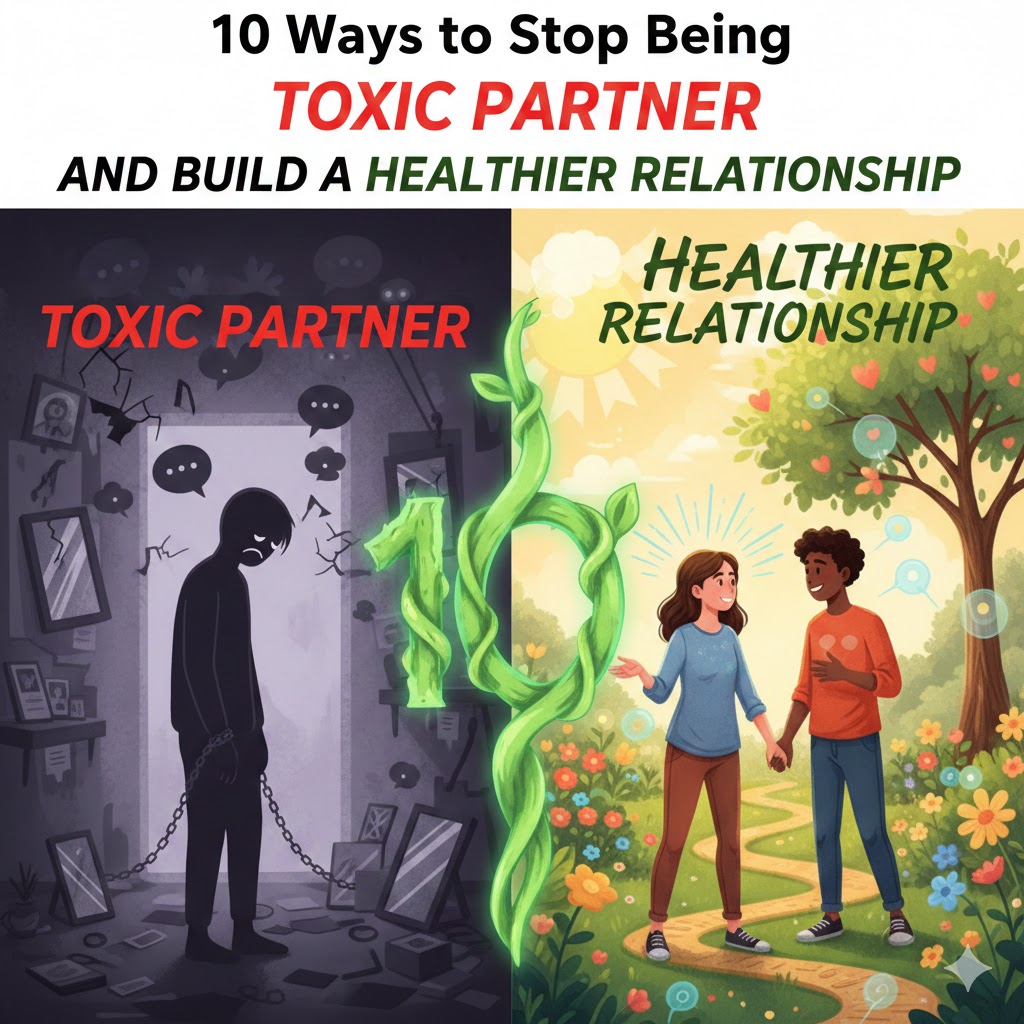
10 Ways to Stop Being the Toxic Partner and Build a Healthier Relationship
Relationships are challenging, and no one is perfect. Sometimes, we may realize that our own behavior is contributing to tension, conflict, or emotional strain. Acknowledging that you might be the toxic partner is a courageous first step. What matters most is your willingness to change and create a healthier, happier relationship.
If you’ve ever asked yourself, how do I stop being toxic in my relationship, this guide will provide practical, actionable strategies to transform your behavior, strengthen your bond, and foster emotional intimacy with your partner.
1. Practice Self-Awareness
The first step to change is recognizing your patterns. Self-awareness helps you understand when and why you behave in toxic ways. Signs to watch for include:
-
Frequent criticism or judgment of your partner
-
Excessive jealousy or controlling tendencies
-
Manipulation or guilt-tripping to get your way
-
Avoiding difficult conversations
Self-reflection exercises, journaling, or even recording your reactions during conflicts can help you see patterns clearly. Ask yourself, “Would I tolerate this behavior from someone else?” This perspective can be eye-opening.
2. Take Responsibility for Your Actions
A toxic partner often deflects blame or refuses to apologize. Break this pattern by:
-
Acknowledging your mistakes openly
-
Avoiding excuses or rationalizations
-
Offering genuine apologies when needed
-
Asking your partner for feedback on how your behavior affects them
Taking responsibility fosters trust and demonstrates maturity, paving the way for healthier interactions.
3. Learn to Communicate Effectively
Communication is the backbone of any healthy relationship. Toxic patterns often involve yelling, passive-aggressiveness, or shutting down emotionally. Improve communication by:
-
Expressing feelings calmly and clearly
-
Listening without interrupting or dismissing
-
Using “I” statements to express needs without blaming
-
Asking clarifying questions instead of making assumptions
Effective communication reduces misunderstandings and emotional tension.
4. Develop Emotional Regulation
Many toxic behaviors stem from unregulated emotions like anger, jealousy, or insecurity. Learning to manage your emotions is crucial:
-
Practice mindfulness or meditation
-
Take a pause before reacting to triggers
-
Identify emotional triggers and develop coping strategies
-
Seek therapy to address deep-rooted emotional issues
Emotional regulation allows you to respond thoughtfully rather than react impulsively.
5. Cultivate Empathy
Empathy is essential for healthy relationships. If you struggle to see your partner’s perspective, you may unintentionally hurt them. Practice empathy by:
-
Actively listening to your partner’s feelings
-
Validating emotions even if you disagree
-
Considering how your words and actions affect them
-
Putting yourself in their shoes during conflicts
Empathy strengthens connection and reduces patterns of toxicity.
6. Set Healthy Boundaries
Toxicity often arises from unclear or violated boundaries. Boundaries protect your relationship and emotional well-being. Steps to establish boundaries include:
-
Clearly communicating your needs and limits
-
Respecting your partner’s boundaries
-
Avoiding controlling or manipulative behaviors
-
Revisiting and adjusting boundaries as the relationship evolves
Healthy boundaries foster mutual respect and reduce conflict.
7. Address Insecurity and Jealousy
Insecurity can lead to controlling behavior, suspicion, or constant need for reassurance. Combat insecurity by:
-
Building self-esteem and confidence
-
Reflecting on personal triggers
-
Avoiding comparisons with others
-
Engaging in self-care activities that promote self-worth
Reducing jealousy allows your partner to feel trusted and free, creating a more balanced relationship.
8. Stop Manipulating or Playing Mind Games
Toxic partners may unintentionally manipulate their partner for control or attention. To break this pattern:
-
Recognize when you’re using guilt, threats, or emotional leverage
-
Communicate openly instead of resorting to manipulation
-
Focus on collaboration and compromise rather than control
-
Seek therapy if manipulation has become a habit
Healthy relationships thrive on transparency, not games.
9. Commit to Personal Growth
Toxic patterns often stem from unresolved past experiences, fear, or self-doubt. Personal growth is key to long-term change:
-
Reflect on your upbringing and past relationships
-
Address unresolved trauma with professional help
-
Engage in self-improvement activities like reading, courses, or therapy
-
Set goals to become a better partner
Investing in your personal development benefits both you and your relationship.
10. Practice Forgiveness and Letting Go
Holding onto grudges or resentment creates toxicity. To foster a healthier dynamic:
-
Let go of past conflicts that no longer serve your relationship
-
Forgive your partner for mistakes and focus on solutions
-
Avoid bringing up past wrongs repeatedly
-
Encourage open dialogue about issues without blame
Forgiveness fosters emotional freedom and strengthens intimacy.
Final Thoughts
Recognizing your role in relationship toxicity is a powerful step toward transformation. Change is possible, but it requires honesty, effort, and a commitment to growth. By practicing self-awareness, accountability, empathy, and effective communication, you can stop toxic patterns and create a loving, respectful, and fulfilling partnership.
Remember, being a healthy partner is a journey. Small, consistent changes in behavior, emotional regulation, and self-reflection can lead to lasting improvements in your relationship dynamics.










.jpg)



Sign in to comment