 Nurturing Marriages, Enriching Families!
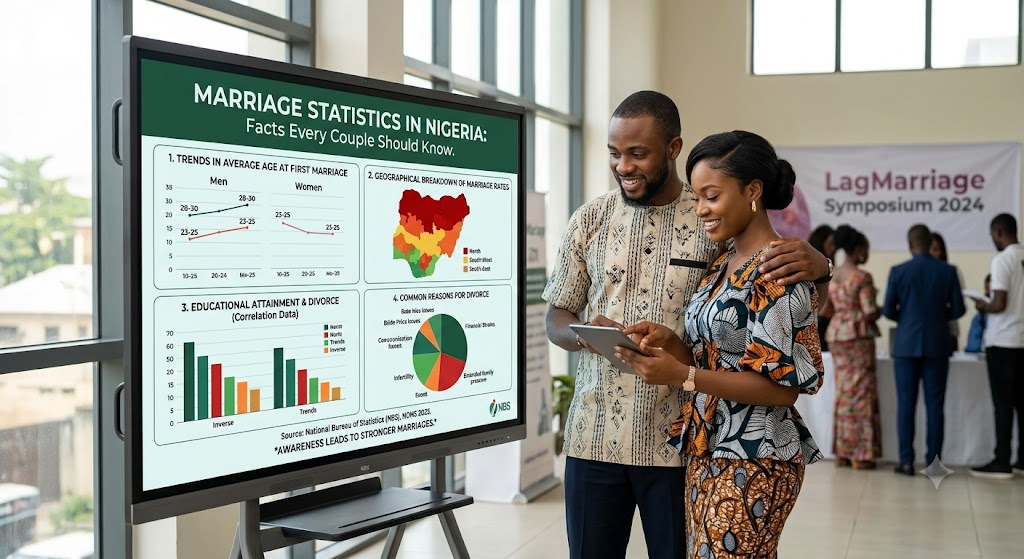
Marriage Statistics in Nigeria: Facts Every Couple Should Know (2026 Guide)
Marriage remains one of the most important social institutions in Nigeria. It is more than the union of two individuals—it is the coming together of families, traditions, cultures, and communities. Every year, millions of Nigerians celebrate traditional marriages, church weddings, court marriages, Islamic Nikah ceremonies, and customary unions across the country's 36 states and the Federal Capital Territory. Despite changing lifestyles, urbanisation, and economic pressures, marriage continues to be highly valued in Nigerian society.
However, the realities surrounding marriage in Nigeria are evolving. Couples today face challenges that previous generations rarely encountered, including rising living costs, delayed marriages due to career aspirations, increased social media influence, changing gender roles, and growing awareness of mental health and relationship counselling. At the same time, positive developments such as improved education, greater financial independence, and increased access to relationship education are helping many couples build healthier marriages.
Understanding marriage statistics provides valuable insight into these changing trends. While numbers alone cannot predict the success or failure of any marriage, they reveal important patterns that can help singles prepare better for marriage and assist married couples in making informed decisions.
This article explores the most important marriage statistics in Nigeria, supported by available national and international data, practical observations, and real-life Nigerian experiences that every couple should know.
Nigeria Has One of Africa's Largest Married Populations
With an estimated population exceeding 240 million people in 2026, Nigeria has one of the largest married populations on the African continent. Demographic surveys consistently show that marriage remains the preferred family structure for the majority of Nigerian adults. Across different ethnic groups and religions, marriage continues to be regarded as a major life achievement and an important social expectation.
Although increasing numbers of young professionals are delaying marriage while pursuing education and careers, the vast majority of Nigerians still expect to marry at some point during adulthood. Marriage continues to play a central role in family formation, inheritance, child upbringing, and community identity.
The Average Age at First Marriage Is Rising
One of the most noticeable demographic changes in Nigeria is the gradual increase in the age at first marriage, particularly in urban areas. Previous generations often married in their late teens or early twenties. Today, many educated Nigerians marry later, often between their late twenties and mid-thirties.
Several factors contribute to this trend. Higher educational attainment means many people spend longer in school before considering marriage. Career development has become a priority for many young professionals, while rising housing costs, inflation, and unemployment encourage couples to postpone weddings until they achieve greater financial stability.
In cities such as Lagos, Abuja, Port Harcourt, and Enugu, it is increasingly common for both men and women to establish careers before settling down.
Traditional Marriages Remain the Most Common Form of Wedding
Despite modernisation, traditional marriage ceremonies remain deeply rooted in Nigerian culture. Every ethnic group has unique customs surrounding bride price negotiations, family introductions, traditional attire, and cultural rites.
Many Nigerian couples celebrate multiple ceremonies, beginning with traditional marriage before proceeding to court registration, church weddings, or Islamic Nikah ceremonies. Rather than replacing traditional customs, modern weddings often combine cultural and legal requirements, reflecting Nigeria's rich diversity.
The continued popularity of traditional marriages demonstrates the importance Nigerians place on preserving family heritage while embracing modern lifestyles.
Economic Factors Influence Marriage Decisions
Economic conditions have become one of the strongest influences on marriage patterns in Nigeria. Rising inflation, unemployment, fuel prices, housing costs, and the increasing cost of wedding ceremonies have caused many couples to delay marriage.
Relationship counsellors frequently observe that financial readiness now plays a greater role in marriage decisions than it did twenty years ago. Couples increasingly prefer to establish careers, secure accommodation, or build savings before organising weddings.
This shift reflects changing priorities as young Nigerians seek greater financial stability before starting families.
Bride Price Practices Continue Across Nigeria
Bride price remains an important cultural tradition in virtually every Nigerian ethnic group, although the amount and customs vary significantly from one community to another.
In many parts of southern Nigeria, symbolic bride prices are accompanied by gift items requested by the bride's family. In some northern communities, Islamic traditions influence marriage arrangements differently. While bride price continues to represent respect for family traditions rather than a commercial transaction, debates continue regarding excessive demands that may place financial pressure on intending couples.
Many community leaders now advocate for moderate bride price practices that preserve culture without discouraging marriage.
Divorce Rates Are Increasing but Remain Lower Than Many Western Countries
Nigeria generally records lower formal divorce rates than many developed countries, largely because of strong religious beliefs, family influence, and cultural attitudes toward marriage.
However, family courts, legal practitioners, and relationship counsellors report increasing numbers of marital separations, particularly in urban centres. Many customary and religious separations are never formally registered, making it difficult to determine exact national divorce figures.
Experts consistently identify financial hardship, infidelity, domestic violence, communication breakdown, infertility-related pressure, and extended family interference as the most common reasons couples separate.
Urban Couples Face Different Challenges from Rural Couples
Marriage experiences differ significantly between urban and rural Nigeria.
Urban couples often struggle with career demands, traffic congestion, high housing costs, childcare expenses, and balancing professional ambitions with family responsibilities. Social media and digital lifestyles also introduce new relationship challenges.
In rural communities, family involvement, traditional expectations, agricultural livelihoods, and community influence continue to shape marital relationships more strongly than in major cities.
Despite these differences, trust, communication, and mutual respect remain universal foundations of successful marriages.
Education Positively Influences Marriage Stability
Research conducted across various countries, including Nigeria, suggests that higher education often contributes positively to marital outcomes. Educated couples generally have better access to information about communication, financial planning, healthcare, parenting, and conflict resolution.
Education also encourages informed decision-making before marriage. Many couples now attend premarital counselling, discuss career expectations, and jointly plan their financial future before getting married.
While education alone cannot guarantee marital success, it often equips couples with valuable problem-solving skills.
More Couples Are Seeking Marriage Counselling
Seeking professional relationship advice was once considered uncommon in Nigeria. Today, attitudes are changing significantly.
Marriage counsellors, psychologists, religious leaders, and family therapists report increasing demand for both premarital and post-marital counselling services. Couples are becoming more willing to seek help before conflicts become severe.
Early counselling has proven effective in helping couples improve communication, manage finances, resolve disagreements, and strengthen emotional intimacy.
Infertility Affects Thousands of Nigerian Couples
Medical studies consistently show that infertility affects both men and women almost equally. Nevertheless, cultural expectations often place greater emotional pressure on women.
Delayed childbearing, untreated reproductive health conditions, and misconceptions surrounding fertility continue to affect many marriages. Increasing awareness and improved access to fertility specialists have encouraged more couples to seek medical evaluation rather than relying solely on traditional assumptions or assigning blame.
Mutual support remains one of the strongest predictors of how couples cope with fertility challenges.
Social Media Is Reshaping Modern Relationships
Digital technology has transformed how Nigerians meet, communicate, and maintain relationships.
Social media has created opportunities for long-distance relationships, online matchmaking, and relationship education. At the same time, excessive comparison with seemingly perfect online marriages, emotional affairs, cyber infidelity, and public relationship conflicts have emerged as growing concerns.
Relationship experts increasingly encourage couples to establish healthy digital boundaries and prioritise face-to-face communication.
Dual-Income Families Are Becoming More Common
Economic realities have made dual-income households increasingly common across Nigeria.
In many urban families, both spouses work full-time to support household expenses, children's education, housing, healthcare, and retirement planning. While dual incomes improve financial stability, they also require couples to negotiate household responsibilities more effectively.
Successful dual-career marriages are often characterised by teamwork, flexibility, and mutual appreciation.
Case Study: Financial Planning Strengthened a Young Marriage
A young couple living in Abuja decided to postpone their elaborate wedding for eighteen months while they saved towards buying land and furnishing their future home. Although some relatives criticised their decision, the couple entered marriage with significantly reduced financial stress.
Five years later, they had purchased their own home, welcomed two children, and continued maintaining monthly financial planning meetings. Their experience illustrates how thoughtful preparation often contributes to long-term marital stability.
Case Study: Counselling Prevented Separation
A couple in Port Harcourt experienced repeated conflicts over work schedules and parenting responsibilities. Rather than allowing resentment to grow, they attended professional marriage counselling through their local church.
Counselling helped them improve communication, redefine household responsibilities, and prioritise regular quality time together. Instead of separating, they rebuilt trust and strengthened their relationship.
Their experience demonstrates that seeking help early can prevent small disagreements from becoming major crises.
Case Study: Managing Extended Family Expectations
Following their traditional wedding in southeastern Nigeria, a newly married couple experienced frequent disagreements because relatives expected them to contribute financially to numerous family events. The couple eventually agreed on a monthly family support budget that balanced their obligations with their own financial goals.
By communicating openly and establishing respectful boundaries, they reduced conflict while maintaining strong family relationships.
What These Statistics Mean for Nigerian Couples
Marriage statistics should not be viewed as predictions of individual success or failure. Instead, they provide valuable lessons about common challenges and emerging trends.
The growing age at first marriage reflects increasing emphasis on education and financial readiness. Rising counselling participation suggests greater awareness of relationship health. The continued importance of traditional marriage demonstrates the enduring strength of Nigerian culture, while increasing urbanisation highlights the need for couples to adapt to modern economic realities.
Perhaps the most important lesson from available data is that successful marriages rarely happen by accident. They are built intentionally through effective communication, financial planning, emotional intimacy, mutual respect, trust, shared values, and continuous personal growth.
Every marriage will experience challenges, but couples who address problems early and remain committed to learning together are generally better equipped to build lasting relationships.
Final Thoughts
Marriage continues to be one of Nigeria's strongest social institutions despite changing economic conditions and evolving lifestyles. While statistics reveal important national trends, every marriage remains unique. Success depends less on demographics and more on the daily decisions couples make to love, respect, support, and understand one another.
Whether you are single, engaged, newly married, or celebrating decades together, investing in relationship education remains one of the most valuable decisions you can make. Learning from research, seeking guidance when necessary, and maintaining open communication can significantly improve the quality and longevity of your marriage.
Strengthen Your Relationship with MarriageHub.ng
MarriageHub.ng is Nigeria's growing online community dedicated to helping singles and married couples build stronger, healthier relationships through practical tools, education, and meaningful connections.
Before saying "I do," take the Marriage Readiness Test to evaluate your preparedness for marriage and identify areas for personal growth. You can access the assessment here:
https://www.marriagehub.ng/analyzer/index.php
If you have sensitive relationship concerns or need advice without revealing your identity, ask anonymous questions and receive guidance from the community:
https://www.marriagehub.ng/questions-answers
Planning a wedding, anniversary, introduction ceremony, or other special event? Create a beautiful digital E-Invite that you can easily share with guests:
https://www.marriagehub.ng/annouce-my-event/
Looking for a serious relationship or a life partner? Explore MarriageHub's matchmaking platform:
https://www.marriagehub.ng/match-making/frontend/discover.php
Planning your big day? Browse trusted wedding vendors offering photography, catering, decoration, fashion, cakes, event planning, makeup, music, venues, and much more:
https://www.marriagehub.ng/vendors
Become part of Nigeria's growing marriage community by joining existing Groups and Tribes where you can connect with people who share similar interests and experiences:
https://www.marriagehub.ng/all-groups
Would you like to build your own relationship, parenting, or family community? Create your own Tribe or Group here:
https://www.marriagehub.ng/create-tribes-group
You can also purchase relationship resources, counselling services, wedding products, digital downloads, family guides, and many other useful materials through the MarriageHub Marketplace:
https://www.marriagehub.ng/marketplace
Follow MarriageHub Nigeria
Stay connected for daily relationship tips, marriage education, expert advice, polls, inspiring stories, and community discussions.
WhatsApp: https://whatsapp.com/channel/0029VbCav9MCcW4pw3GSM72w
X (Twitter): https://x.com/MarriageHubNG
Facebook: https://web.facebook.com/MarriageHubNigeria
Instagram: https://www.instagram.com/marriagehubng3










.jpg)



Sign in to comment