 Nurturing Marriages, Enriching Families!
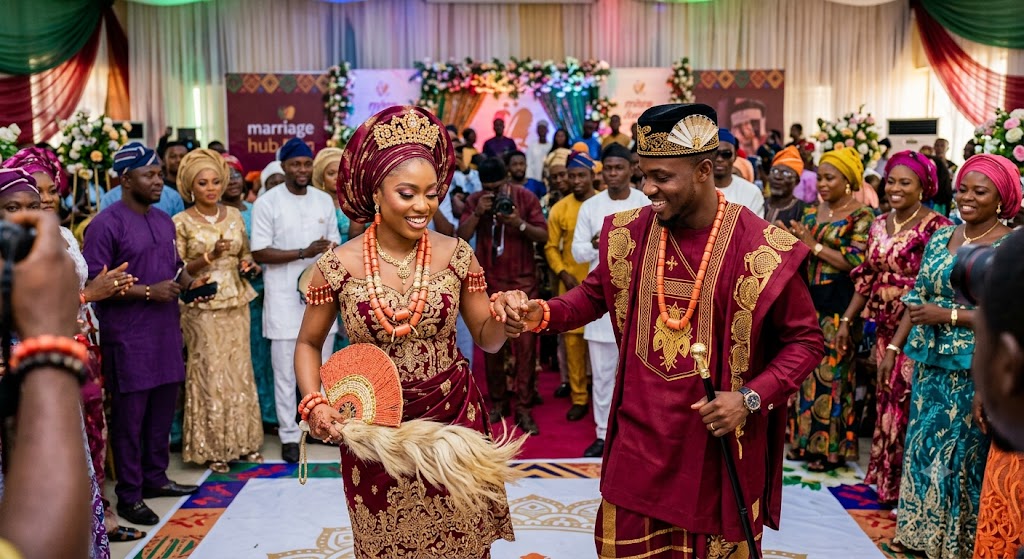
Traditional Wedding Attire in Nigeria: A Complete Guide to Nigerian Traditional Marriage Fashion, Cultural Symbols and Modern Trends
Nigeria is home to more than 250 ethnic groups, each with its own rich cultural heritage, customs, languages, and traditional marriage ceremonies. One of the most fascinating aspects of every traditional wedding is the attire worn by the bride, groom, their families, and guests. Traditional wedding attire in Nigeria is more than beautiful clothing—it is a celebration of identity, family history, culture, prestige, and respect for tradition.
From the magnificent George wrappers of the Niger Delta to the elegant Aso Oke of the Yoruba, the colourful Isi Agu attire of the Igbo, and the flowing Babbar Riga of Northern Nigeria, traditional wedding fashion tells stories that have been passed down from generation to generation. Every fabric, colour, bead, embroidery, and accessory carries cultural significance, making Nigerian traditional weddings some of the most colourful celebrations in Africa.
Over the years, Nigerian wedding fashion has evolved tremendously. Modern designers now blend indigenous fabrics with contemporary tailoring, allowing couples to preserve their cultural heritage while embracing global fashion trends. Social media has further transformed traditional wedding fashion, inspiring couples to create stunning looks that celebrate both tradition and personal style.
This comprehensive guide explores traditional wedding attire across Nigeria, the meaning behind different outfits, popular fabrics, accessories, colour combinations, budgeting tips, modern trends, and practical advice for couples planning their traditional marriage.
Why Traditional Wedding Attire Matters
Unlike many Western weddings where the white wedding gown takes centre stage, Nigerian traditional weddings place enormous importance on cultural attire. Traditional marriage ceremonies are often the first official celebration between both families and serve as a public declaration of cultural identity.
The clothing worn during these ceremonies reflects respect for one's heritage and elders. It also demonstrates the unity between two families and often symbolizes prosperity, dignity, honour, and blessings for the new home. In many communities, the quality of fabrics and accessories selected for the ceremony also reflects the seriousness with which both families approach the marriage.
Although fashion continues to evolve, many Nigerian couples intentionally incorporate traditional attire because it allows them to celebrate their roots while creating memorable photographs that will remain timeless for generations.
Traditional Wedding Attire Among the Yoruba
Yoruba traditional weddings are widely recognised for their elegance, sophistication, and coordinated colour themes. One of the most distinctive features is the use of Aso Oke, a handwoven fabric that has been produced for centuries in southwestern Nigeria.
Brides traditionally wear beautifully tailored Iro and Buba or modern gowns made from Aso Oke, complemented with an elaborate Gele head tie. Coral beads, gold jewellery, matching handbags, embroidered shoes, and decorative fans complete the look. Modern Yoruba brides often combine traditional fabrics with contemporary silhouettes, creating outfits that are both fashionable and culturally authentic.
The groom usually appears in an Agbada or Buba and Sokoto sewn from matching Aso Oke or other luxury fabrics. A Fila cap completes the attire, while embroidered footwear and carefully selected accessories add elegance. During the engagement ceremony, couples frequently wear coordinated colours that match those of their families and bridal train.
Aso Ebi remains one of the defining features of Yoruba weddings. Family members and friends wear identical fabrics selected by the couple, creating a colourful and unified celebration that has become popular across Nigeria.
Traditional Wedding Attire Among the Igbo
Traditional Igbo weddings are vibrant displays of culture, royalty, and family pride. The bride often wears richly decorated George wrappers, lace blouses, velvet fabrics, or modern gowns inspired by traditional styles. Coral beads around the neck, wrists, and waist symbolize royalty, beauty, and prosperity.
One of the most recognisable accessories worn by Igbo brides is the traditional coral crown or beaded headpiece. Intricate facial makeup and decorative fans further enhance the regal appearance.
The groom typically wears the famous Isi Agu top paired with black trousers or a wrapper, complete with a traditional red cap that signifies respect and leadership. A walking stick, coral beads, and leather sandals often complete the distinguished appearance.
In many Igbo communities, the bride may change outfits several times throughout the ceremony, reflecting different cultural traditions and family customs. The presentation of palm wine remains one of the highlights of the ceremony, and the couple's attire adds grandeur to this symbolic moment.
Traditional Wedding Attire in Northern Nigeria
Northern Nigerian weddings are known for their elegance, modesty, and luxurious fabrics. Hausa, Fulani, Kanuri, and other northern ethnic groups often favour flowing garments made from richly embroidered materials.
Brides frequently wear beautifully embroidered gowns complemented by elaborate veils, jewellery, and henna designs applied to their hands and feet. Gold accessories remain particularly popular, symbolising wealth, beauty, and celebration.
The groom usually wears Babbar Riga, a flowing embroidered robe accompanied by a matching cap and traditional leather footwear. The embroidery on these garments often reflects exceptional craftsmanship passed down through generations of artisans.
Northern weddings typically emphasise modesty while maintaining remarkable elegance, resulting in attire that is both culturally appropriate and visually striking.
Traditional Wedding Attire in the Niger Delta
The Niger Delta is home to several ethnic groups, including the Ijaw, Itsekiri, Urhobo, Isoko, Efik, Ibibio, and Kalabari peoples, each with distinctive traditional wedding attire.
George wrappers remain particularly popular among many communities in the region. Brides often combine richly embroidered blouses with luxurious wrappers adorned with coral beads, gold jewellery, head ties, and decorative fans. Bright colours such as red, gold, blue, and green frequently dominate traditional ceremonies.
Grooms typically wear embroidered shirts or flowing native attire paired with wrappers or trousers, depending on community traditions. Coral beads remain significant across many Niger Delta cultures, symbolising wealth, prestige, and ancestral heritage.
Traditional Wedding Attire in Middle Belt Communities
Across the Middle Belt, traditional wedding attire reflects the cultural diversity of communities such as the Tiv, Idoma, Nupe, Jukun, Berom, Gbagyi, and Ebira.
The Tiv are particularly known for their distinctive black-and-white striped woven fabric, often transformed into elegant dresses, wrappers, and flowing gowns for brides. Grooms wear coordinated outfits featuring the same traditional fabric, creating a striking visual identity unique to Tiv culture.
Many other Middle Belt communities incorporate handwoven textiles, colourful embroidery, beads, and symbolic accessories that celebrate their history and traditions.
Popular Fabrics Used in Nigerian Traditional Weddings
Fabric selection plays an essential role in defining the elegance of traditional wedding attire. Aso Oke remains highly prized among Yoruba families because of its durability, prestige, and cultural importance. George fabric continues to dominate many Igbo and Niger Delta weddings because of its luxurious appearance and versatility.
Lace has become one of the most widely used materials across Nigeria, offering elegance while blending beautifully with traditional styles. Ankara remains popular for engagement ceremonies, bridal train outfits, and coordinated family attire because of its affordability and colourful designs. Velvet, silk, damask, brocade, jacquard, chiffon, and organza are increasingly incorporated into modern traditional wedding fashion, allowing designers to create unique masterpieces.
The Importance of Colour in Traditional Weddings
Colours carry deep cultural meanings during Nigerian traditional marriages. Gold often represents prosperity and success, while white symbolises purity and blessings. Red conveys love, strength, celebration, and vitality. Royal blue reflects dignity and confidence, green signifies fertility and growth, while purple is frequently associated with royalty and elegance.
Couples increasingly select coordinated colour palettes that extend beyond their attire to include venue decoration, souvenirs, bridal train outfits, stage design, floral arrangements, and event branding, creating visually stunning celebrations.
Traditional Wedding Accessories
Accessories play an important role in completing traditional wedding attire. Gele head ties have become artistic masterpieces that add height and elegance to Yoruba bridal fashion. Coral beads remain iconic among Igbo and Niger Delta brides, while gold necklaces, bracelets, earrings, rings, handbags, fans, walking sticks, caps, and decorative shoes all contribute to the overall appearance.
Many brides also carry horsetail whisks, decorative fans, or embellished handbags that complement their outfits while adding cultural authenticity.
Modern Trends in Nigerian Traditional Wedding Fashion
Nigerian fashion designers continue to redefine traditional wedding attire by combining indigenous fabrics with modern tailoring techniques. Brides now choose fitted gowns featuring detachable trains, corset bodices, dramatic sleeves, and contemporary silhouettes crafted from traditional materials. Grooms increasingly experiment with slim-fit Agbadas, embroidered kaftans, custom Isi Agu jackets, and luxury accessories.
Destination weddings and social media have also influenced Nigerian wedding fashion. Couples now carefully coordinate photography, colour themes, décor, attire, and branding to create memorable visual experiences that reflect their personalities while preserving cultural heritage.
Many designers also promote sustainability by encouraging couples to invest in timeless traditional attire that can be worn during future cultural events rather than purchasing outfits intended for a single day.
Budgeting for Traditional Wedding Attire
Traditional wedding attire represents a significant portion of many Nigerian wedding budgets. Costs vary considerably depending on fabric quality, designer reputation, embroidery, beadwork, accessories, and custom tailoring.
Couples can manage costs by planning early, selecting reputable designers, purchasing fabrics directly from trusted markets, and avoiding unnecessary last-minute alterations. Comparing quotations from multiple vendors also helps achieve quality while remaining within budget.
It is equally important to allocate funds for accessories, footwear, jewellery, makeup, hairstyling, photography, and outfit changes, as these expenses can substantially increase the overall budget.
Choosing the Right Designer
Selecting an experienced fashion designer is one of the most important decisions during wedding planning. Couples should examine previous work, read customer reviews, confirm delivery timelines, and schedule multiple fitting sessions before the wedding date.
Starting outfit production several months before the ceremony allows sufficient time for adjustments and reduces the stress associated with last-minute alterations. Clear communication regarding expectations, measurements, and fabric choices also contributes significantly to achieving the desired result.
Preserving Nigeria's Cultural Heritage Through Fashion
Traditional wedding attire represents far more than fashion. It preserves centuries of craftsmanship, weaving techniques, embroidery traditions, bead-making, and textile artistry that have defined Nigerian cultures for generations. Every traditional wedding provides an opportunity to celebrate indigenous creativity while supporting local designers, tailors, weavers, bead makers, and fabric merchants whose skills continue to enrich Nigeria's cultural economy.
As younger generations embrace contemporary fashion, many are rediscovering the beauty of traditional attire and proudly incorporating cultural elements into their wedding celebrations. This renewed appreciation ensures that Nigeria's rich fashion heritage will continue to thrive for future generations.
Whether a couple chooses Yoruba Aso Oke, Igbo George wrappers, Hausa Babbar Riga, Tiv woven fabrics, or any of the numerous traditional styles found across Nigeria, the essence remains the same: honouring family, celebrating culture, and beginning married life with pride in one's heritage.
Continue Your Marriage Journey with MarriageHub.ng
Planning a successful marriage involves much more than choosing beautiful wedding attire. MarriageHub.ng provides valuable resources for singles, engaged couples, newlyweds, and married couples seeking guidance throughout their relationship journey.
You can assess your preparedness for marriage by taking the Marriage Readiness Test at https://www.marriagehub.ng/analyzer/index.php. If you have personal relationship concerns, you can ask anonymous questions and receive helpful insights through https://www.marriagehub.ng/questions-answers.
Couples planning weddings can create beautiful digital invitations using https://www.marriagehub.ng/annouce-my-event/. Singles searching for meaningful relationships can explore the matchmaking platform at https://www.marriagehub.ng/match-making/frontend/discover.php, while couples can discover trusted wedding professionals through https://www.marriagehub.ng/vendors.
MarriageHub.ng is also home to thriving relationship communities. Join existing groups and tribes by visiting https://www.marriagehub.ng/all-groups, or build your own community by creating a tribe or group at https://www.marriagehub.ng/create-tribes-group.
Looking for wedding products, relationship resources, counselling services, digital downloads, or other useful materials? Visit the MarriageHub Marketplace at https://www.marriagehub.ng/marketplace.
Stay connected with MarriageHub Nigeria for relationship tips, wedding inspiration, and family resources through WhatsApp at https://whatsapp.com/channel/0029VbCav9MCcW4pw3GSM72w, X at https://x.com/MarriageHubNG, Facebook at https://web.facebook.com/MarriageHubNigeria, and Instagram at https://www.instagram.com/marriagehubng3.




.jpg)


Sign in to comment