 Nurturing Marriages, Enriching Families!
How to Balance Career and Marriage in Nigeria: A Practical Guide for Successful Couples
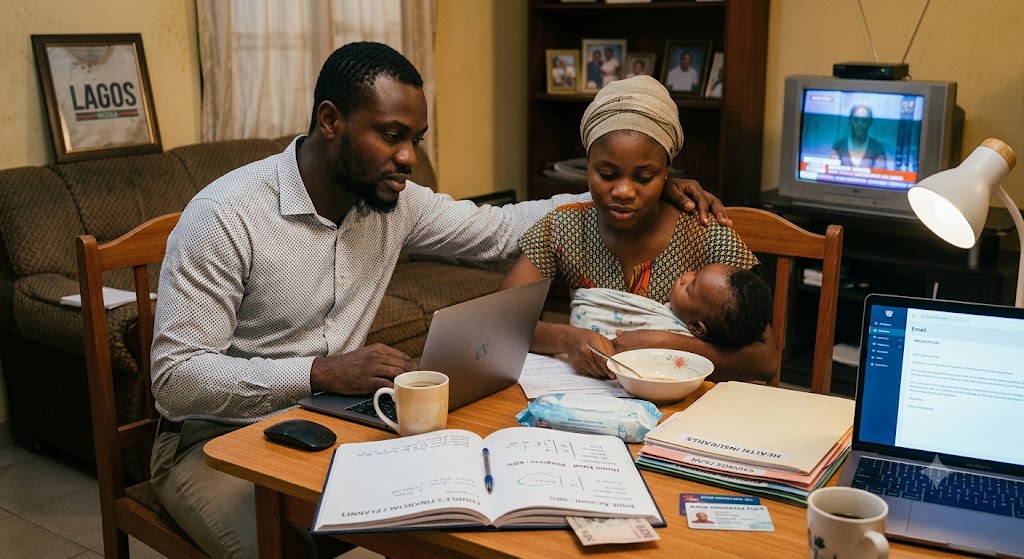
Balancing career and marriage has become one of the greatest challenges facing Nigerian couples today. With rising living costs, increasing work demands, long commuting hours, and the pressure to achieve financial success, many husbands and wives struggle to give equal attention to their professional ambitions and their family lives. While a successful career can improve the quality of life for a family, it can also become a source of conflict if it leaves little room for communication, emotional intimacy, and quality time.
Nigeria's workforce has evolved significantly over the past two decades. More women are pursuing professional careers, entrepreneurship continues to grow, remote work is becoming more common, and dual-income households have become the norm in many urban centres. According to Nigeria's National Bureau of Statistics (NBS), millions of Nigerians are engaged in formal and informal employment, while many others run businesses that require long working hours. Professionals in banking, oil and gas, healthcare, telecommunications, law, education, aviation, consulting, technology, manufacturing, and public service often work well beyond the traditional eight-hour workday. Entrepreneurs frequently spend weekends and evenings building their businesses, while traders and business owners may travel regularly to source products or meet customers.
Although these career pursuits contribute to economic growth and financial stability, they also create enormous pressure on marriages. Marriage counsellors across Nigeria consistently identify work-life imbalance as one of the leading contributors to marital dissatisfaction. Couples who fail to manage competing responsibilities often experience poor communication, emotional distance, increased conflict, and declining intimacy. Fortunately, achieving success in both career and marriage is possible with intentional planning, mutual understanding, and shared commitment.
One of the biggest reasons career and marriage collide is the increasing cost of living in Nigeria. Rising food prices, transportation costs, school fees, rent, healthcare expenses, electricity bills, and extended family responsibilities mean that many households depend on two incomes to maintain a comfortable lifestyle. While this financial reality has encouraged more spouses to pursue demanding careers, it has also reduced the amount of quality time available for family life. Couples sometimes find themselves leaving home before sunrise and returning late at night, exhausted and emotionally unavailable for meaningful conversations.
Another major challenge is Nigeria's traffic congestion. Professionals living in Lagos may spend three to five hours every day commuting between home and work. Similar situations occur in Abuja, Port Harcourt, Ibadan, Kano, and other rapidly growing cities. These long commuting hours reduce family interaction and often leave couples with very little energy to nurture their relationships. Many disagreements that appear to be about marriage are actually symptoms of chronic stress and exhaustion caused by demanding work schedules.
Technology has also transformed the modern workplace. Smartphones, laptops, instant messaging applications, and virtual meetings have blurred the boundaries between office and home. Many professionals continue responding to emails, attending virtual meetings, or handling business calls long after official working hours have ended. While technology has increased productivity, it has also reduced uninterrupted family time. Couples may be physically together but emotionally absent because their attention remains focused on work.
Despite these challenges, successful Nigerian couples demonstrate that career growth and a happy marriage are not mutually exclusive. They understand that marriage requires the same level of planning, investment, and discipline that people devote to their careers. Rather than viewing career and family as competing priorities, they treat them as complementary aspects of a fulfilling life.
Effective communication remains the foundation of balancing career and marriage. Couples who openly discuss their schedules, work pressures, career aspirations, and family responsibilities are better equipped to support one another. Honest conversations reduce misunderstandings and prevent unrealistic expectations from developing. When one spouse is working on a major project or preparing for a professional examination, discussing the temporary demands in advance allows the other partner to provide understanding and encouragement rather than interpreting the increased workload as neglect.
Financial planning also plays a critical role. Many marital conflicts that appear to stem from career demands are actually rooted in financial anxiety. Couples who establish realistic budgets, save consistently, reduce unnecessary spending, and agree on financial priorities often experience less pressure to work excessive hours. A clear financial plan allows both spouses to make career decisions that support long-term family goals rather than constantly chasing short-term income.
Sharing household responsibilities has become increasingly important, especially in dual-income families. Traditional expectations that place the majority of domestic work on one spouse can create resentment when both partners maintain demanding careers. Successful couples recognise that marriage is a partnership. Household chores, childcare, school runs, grocery shopping, and other responsibilities should be distributed fairly based on each person's availability rather than outdated stereotypes. Mutual cooperation creates a healthier and more supportive home environment.
Quality time should never be treated as optional. Busy couples often assume that living under the same roof automatically strengthens their relationship. In reality, meaningful connection requires intentional effort. Setting aside regular time for conversations, shared meals, date nights, family outings, or even simple evening walks allows couples to reconnect emotionally despite demanding work schedules. Consistency matters more than extravagance. Even thirty minutes of uninterrupted conversation each day can significantly improve emotional intimacy.
Learning to establish boundaries between work and family life is equally important. Successful professionals recognise that every email does not require an immediate response and that every business opportunity should not come at the expense of family relationships. Creating technology-free periods during meals or before bedtime helps couples focus entirely on each other without constant interruptions from phones and work notifications.
Supporting each other's career ambitions strengthens marriages rather than weakening them. Healthy relationships are built on encouragement rather than competition. When one spouse receives a promotion, starts a business, pursues additional education, or accepts a new professional opportunity, the other partner should celebrate the achievement while discussing how the new responsibilities will affect family life. Mutual support builds trust and reinforces the idea that both individuals are working toward shared success.
Conflict management also becomes increasingly important when balancing career and marriage. Stress from the workplace can easily spill into family interactions. Couples who recognise this pattern avoid transferring workplace frustrations onto their spouses. Instead, they create healthy spaces to discuss challenges without blame or criticism. Emotional intelligence allows partners to distinguish between work-related stress and genuine marital issues.
Maintaining emotional intimacy requires continuous attention. Careers provide financial rewards, promotions, recognition, and professional satisfaction, but they cannot replace the emotional connection that marriage provides. Couples who regularly express appreciation, affection, encouragement, and empathy maintain stronger relationships despite demanding careers. Small gestures such as checking on a spouse during the day, celebrating achievements, or expressing gratitude contribute significantly to marital satisfaction.
Parenting responsibilities present another layer of complexity for working couples. Nigerian parents often struggle to balance demanding careers with raising children. Successful families establish routines that ensure children receive adequate attention despite busy schedules. Parents attend important school events whenever possible, assist with homework, eat meals together, and maintain open communication with their children. These simple practices strengthen family bonds and reduce feelings of neglect.
Entrepreneurship presents unique challenges for many Nigerian couples. Unlike salaried employment, running a business often involves unpredictable income, long working hours, customer demands, and financial uncertainty. Business owners may work late into the night or travel frequently to secure contracts or purchase inventory. While entrepreneurship can significantly improve a family's financial future, it requires exceptional communication and mutual understanding. Couples who openly discuss business goals, financial risks, and time commitments are more likely to maintain healthy marriages while building successful enterprises.
Remote work has introduced both opportunities and challenges. Working from home reduces commuting time and offers greater flexibility, but it can also blur the distinction between professional and family responsibilities. Couples working remotely should establish dedicated workspaces and agreed working hours while ensuring they remain emotionally available outside those periods.
Mental health should never be overlooked when discussing work-life balance. Chronic stress, burnout, anxiety, and emotional exhaustion can gradually affect communication, intimacy, and overall marital satisfaction. Professionals experiencing persistent stress should prioritise adequate rest, exercise, healthy nutrition, spiritual wellbeing, and, when necessary, professional counselling. A healthy individual contributes more positively to both career and marriage.
Several real-life Nigerian experiences illustrate these principles. A banker in Lagos routinely left home before 5:30 a.m. and rarely returned before 9:00 p.m. His wife, who managed a growing fashion business, also worked long hours. Their conversations gradually became limited to household logistics, and emotional distance developed. After attending marriage counselling, they introduced weekly date nights, reduced weekend work commitments, and scheduled daily conversations without phones. Within months, they reported significant improvements in communication and overall marital satisfaction.
Another couple in Abuja consisted of a medical doctor and an architect. Both professions demanded unpredictable schedules and frequent overtime. Rather than competing over whose career was more important, they developed a shared family calendar that included work commitments, children's school activities, family events, and personal time. By planning together, they reduced misunderstandings and strengthened their partnership despite demanding careers.
In Port Harcourt, an entrepreneur spent years travelling across Nigeria to expand his distribution business. Although his company became increasingly successful, his marriage suffered because he rarely spent quality time with his family. Following honest discussions with his wife, he delegated more operational responsibilities to trusted employees, reduced unnecessary travel, and intentionally reserved weekends for family activities. His business continued to grow while his family relationships became significantly stronger.
Marriage counsellors across Nigeria consistently observe that successful couples do not necessarily have fewer challenges than others. Instead, they respond differently to those challenges. They communicate openly, adapt to changing circumstances, support one another's ambitions, and recognise that marriage requires continuous investment. Career success should enhance family life rather than replace it.
Employers also have an important role to play. Organisations that promote flexible working arrangements, employee wellness programmes, parental leave, and mental health support often contribute to stronger families and more productive employees. As Nigerian workplaces continue to evolve, policies that recognise the importance of work-life balance will become increasingly valuable for both businesses and society.
Religious organisations and community groups also provide valuable support. Churches, mosques, and marriage ministries across Nigeria increasingly organise seminars, retreats, and counselling sessions focused on balancing professional responsibilities with healthy family relationships. Couples who actively participate in these support systems often benefit from practical guidance and shared experiences from others facing similar challenges.
It is important to remember that there is no perfect formula for balancing career and marriage. Every family has unique circumstances, career paths, financial obligations, and personal aspirations. The key is maintaining open communication, flexibility, mutual respect, and a willingness to adjust priorities as life changes. There will be seasons when career demands require additional attention and seasons when family needs take precedence. Successful couples recognise these changing realities and navigate them together rather than allowing them to create division.
Ultimately, career achievements, promotions, business success, and financial wealth are meaningful accomplishments, but they should never come at the expense of a healthy marriage. Professional success is most fulfilling when it is shared with a supportive spouse and a loving family. Couples who intentionally nurture both their careers and their relationships are more likely to experience long-term happiness, stability, and personal fulfilment.
If you are preparing for marriage, strengthening your relationship, or seeking practical guidance for building a successful family, MarriageHub.ng provides valuable resources designed specifically for Nigerian couples. You can assess your readiness for marriage by taking the Marriage Readiness Test at https://www.marriagehub.ng/analyzer/index.php. If you have sensitive relationship concerns, you can ask anonymous questions at https://www.marriagehub.ng/questions-answers and receive helpful insights from the community.
Planning a wedding or family celebration? Create a beautiful digital invitation through https://www.marriagehub.ng/annouce-my-event/. If you are searching for a compatible life partner, visit the matchmaking platform at https://www.marriagehub.ng/match-making/frontend/discover.php. Couples planning their weddings can also browse trusted wedding vendors at https://www.marriagehub.ng/vendors.
MarriageHub.ng also offers vibrant communities where you can interact with other singles, engaged couples, and married individuals. Join existing groups and tribes by visiting https://www.marriagehub.ng/all-groups, or create your own community at https://www.marriagehub.ng/create-tribes-group. You can also purchase relationship resources, professional services, digital downloads, wedding products, and educational materials through the MarriageHub Marketplace at https://www.marriagehub.ng/marketplace.
Stay connected with MarriageHub Nigeria for regular relationship tips and marriage resources. Follow us on WhatsApp at https://whatsapp.com/channel/0029VbCav9MCcW4pw3GSM72w, on X at https://x.com/MarriageHubNG, on Facebook at https://web.facebook.com/MarriageHubNigeria, and on Instagram at https://www.instagram.com/marriagehubng3.






.jpg)


Sign in to comment