 Nurturing Marriages, Enriching Families!

Coping with Family Pressure to Marry: A Guide for Young Nigerians
Marriage is a significant milestone in Nigerian society, celebrated not just as a union between two individuals but as a connection between families, traditions, and social expectations. For many young Nigerians, this cultural emphasis brings intense pressure. Parents, relatives, and friends often impose timelines or expectations regarding who one should marry, when to marry, and even the kind of ceremony to hold. While family pressure is usually rooted in love and concern, it can feel overwhelming and emotionally taxing.
Navigating family pressure requires understanding the source of the pressure, maintaining personal autonomy, communicating effectively, and balancing cultural respect with individual choice. Young Nigerians must develop strategies to cope without compromising their happiness or making decisions that conflict with their personal readiness and values.
Marriage occupies a central place in Nigerian life. According to the National Population Commission, most Nigerians are married by their late twenties or early thirties, with strong cultural expectations influencing this timeline. Family involvement is significant, and parents often view marriage as a reflection of social standing, family honor, and continuity of lineage. This cultural backdrop means young adults frequently face questions about marriage at family gatherings, religious services, or even on social media.
Relatives may offer unsolicited advice, suggest potential partners, or express concern over remaining unmarried. Although these actions are generally well-intentioned, they can create tension and internal conflict, particularly when personal circumstances or emotional readiness do not align with familial expectations.
Family pressure often comes from multiple sources. Parents and elders may fear social judgment if their children remain unmarried, viewing marriage as a means of upholding family honor. Cultural motivations, such as performing ceremonies to preserve family heritage, can add additional pressure. Societal norms reinforced by peers and media can amplify these expectations, creating a sense of falling behind or failing to meet milestones. Understanding why the pressure exists allows young adults to respond thoughtfully rather than reactively, providing perspective even when the methods of expressing concern feel overwhelming.
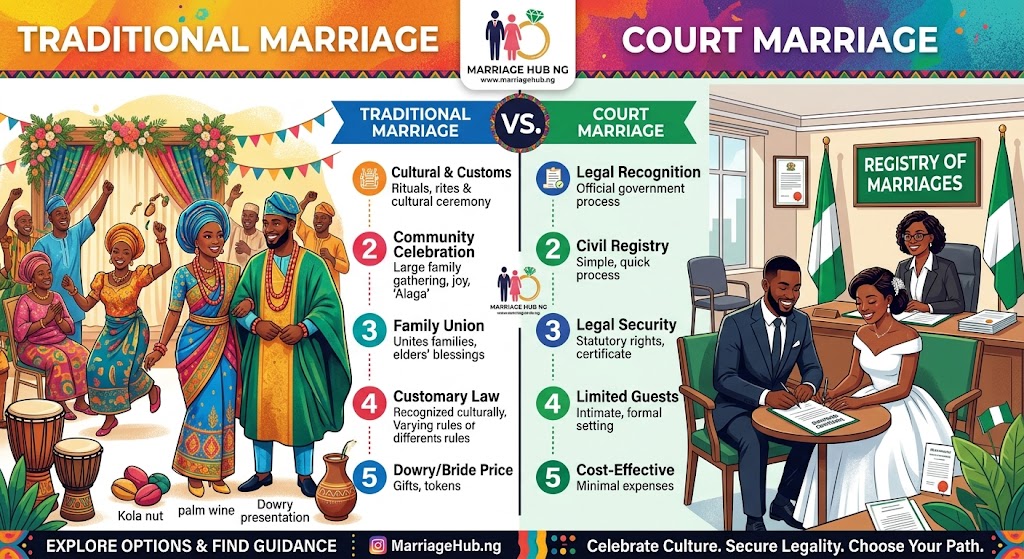
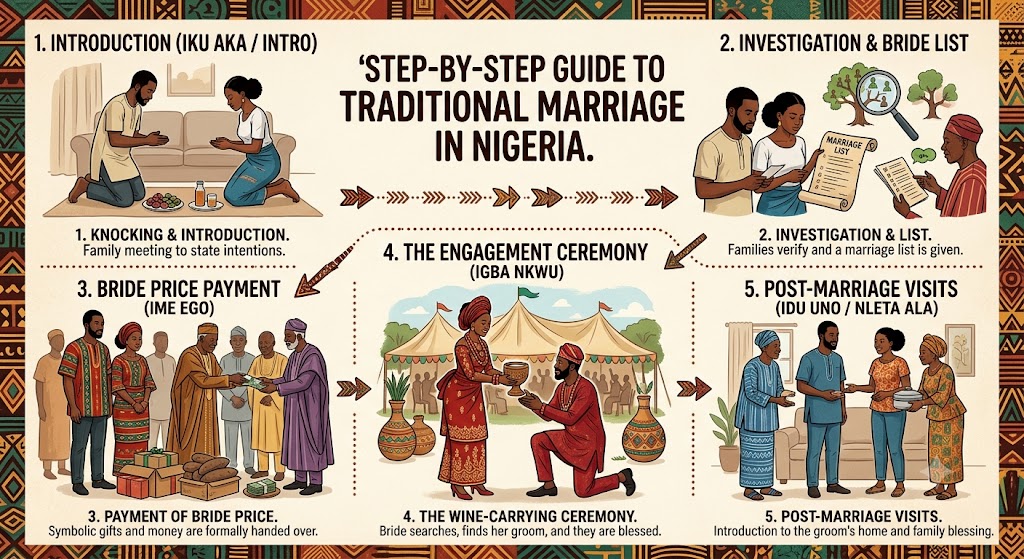
Cultural and religious frameworks in Nigeria reinforce the urgency to marry. In many ethnic communities, including Yoruba, Igbo, and Hausa, marriage is expected by a certain age, and parental involvement in partner selection is common. Religious teachings further emphasize approved timelines and suitable partners, often urging marriage within specific faiths. These expectations can conflict with personal goals, career development, or emotional readiness, causing additional stress for individuals who want to make independent choices while respecting cultural norms.
The emotional impact of family pressure can be significant. Individuals may experience anxiety, guilt, or frustration when their personal readiness does not match familial expectations. Constant questioning and unsolicited advice can lead to feelings of inadequacy or self-doubt. Over time, this pressure can create resentment, strain family relationships, and compromise mental well-being. Young adults may also feel torn between honoring their family and pursuing personal life goals, creating internal conflict that affects decision-making and confidence.
Developing self-awareness is essential for coping effectively. Understanding personal priorities, values, and readiness for marriage allows individuals to make decisions aligned with long-term happiness. Reflecting on emotional maturity, financial stability, and career goals provides clarity when responding to family pressure. Self-awareness helps communicate choices confidently and reduces the likelihood of reactive or emotionally driven responses.
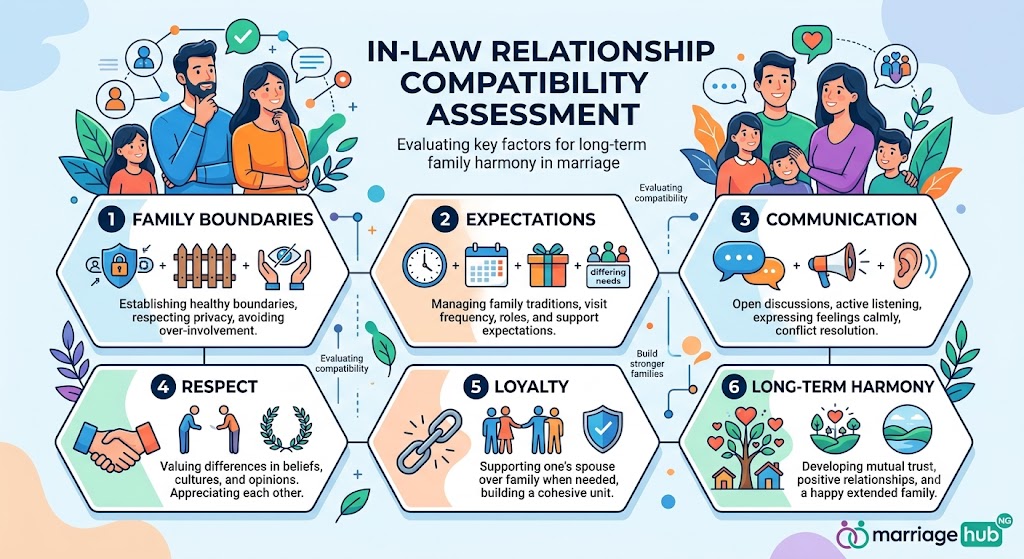
Respecting family while maintaining personal boundaries is crucial. Coping with pressure does not require ignoring or alienating elders. Nigerian culture highly values respect for parents and elders, and this must be balanced with individual autonomy. Strategies that acknowledge family concerns while asserting independence are often the most effective. Expressing gratitude for advice, showing openness to discussion, and explaining personal timelines demonstrates respect without compromising personal choice. Sharing progress in career, education, or life goals can reassure family members that marriage is being approached thoughtfully, even if it is not immediate.
Communicating boundaries with clarity and consistency is key. Young adults can explain the importance of personal decision-making, express the need for space, and politely decline pressure to consider specific partners. Effective communication emphasizes respect and understanding, using statements that focus on personal perspectives rather than blame or confrontation. Consistency over time reinforces these boundaries and helps family members gradually adjust their expectations.
Coping mentally and emotionally is just as important as setting external boundaries. Practices such as journaling, mindfulness, meditation, and prayer help manage stress and maintain emotional balance. Pursuing hobbies, personal growth, and supportive peer networks provides outlets for frustration and builds confidence. Talking to friends who understand cultural pressures can normalize experiences and reduce feelings of isolation, while mentorship or guidance from trusted adults who respect autonomy can provide perspective and practical strategies.
Spirituality can also play a critical role in decision-making. For many Nigerians, faith informs how life milestones are approached, including marriage. Prayer, meditation, and seeking divine guidance help young adults discern readiness and identify suitable partners. Spiritual reflection can reduce anxiety and provide reassurance, reinforcing the idea that marriage decisions should align with personal convictions and God’s timing rather than solely with family expectations.
Family pressure becomes harmful when it undermines autonomy, induces persistent guilt, or encourages rushed decisions. Emotional manipulation or threats to coerce marriage decisions can compromise mental health. Recognizing when pressure crosses this boundary is essential. Seeking external support from counselors, spiritual leaders, or mentors can protect emotional well-being, reinforcing the principle that respecting family does not mean sacrificing personal happiness or safety.
Maintaining autonomy while honoring family requires intentionality and consistency. Open communication, validating family concern, and demonstrating responsibility in career, education, and personal development reassure elders without capitulating to pressure. Over time, consistent assertion of personal choice builds trust, allowing family members to shift from controlling expectations to supportive involvement. This balance fosters healthier family relationships while empowering young adults to make decisions aligned with their readiness and values.
Many young Nigerians wonder whether delaying marriage for personal or career reasons is acceptable. It is, provided it is approached thoughtfully, communicated respectfully, and paired with actions that demonstrate responsibility and personal growth. Handling constant questioning at family events requires patience, gentle redirection, and confidence in personal priorities.
Managing feelings of guilt involves self-reflection, spiritual guidance, and focusing on long-term goals. Balancing societal and family expectations can be achieved through clear communication, consistent boundaries, and mutual respect, ensuring that personal autonomy is preserved without alienating family members.
Family pressure to marry is a reality for many young Nigerians, shaped by culture, religion, and societal norms. While it can be overwhelming, it does not have to dictate personal decisions or compromise happiness. Cultivating self-awareness, establishing respectful boundaries, communicating openly, and seeking emotional and spiritual support enable young adults to navigate pressure effectively. Marriage should be a personal, thoughtful decision rather than a reaction to external demands.
Balancing respect for family with personal choice ensures that marriage, when it occurs, is based on readiness, maturity, and personal conviction. With intentional strategies, young Nigerians can approach marriage confidently, honoring both family and self, and build relationships that are fulfilling and enduring.







.jpg)
Sign in to comment