 Nurturing Marriages, Enriching Families!
Divorce Trends in Nigeria: Causes, Patterns & Social Impact
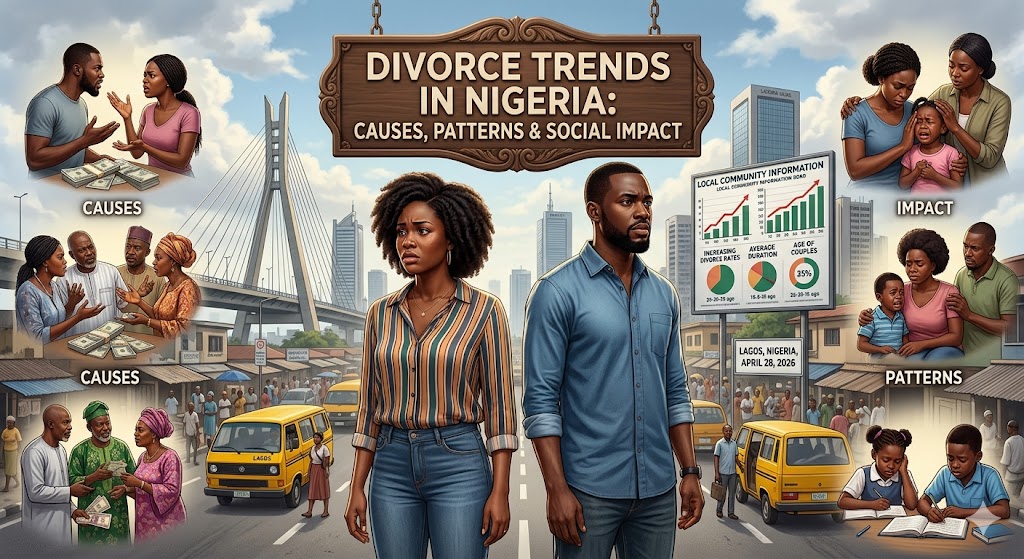
Divorce in Nigeria is no longer a rare or taboo subject whispered about in private. It has increasingly become a visible and debated reality, reflecting deeper shifts in culture, economics, religion, and personal expectations. While Nigeria still maintains relatively strong cultural support for marriage, cracks are becoming more evident as divorce rates rise, especially in urban centers. Understanding divorce trends in Nigeria requires examining the data, the lived experiences of couples, and the broader societal transformations reshaping relationships.
The Changing Face of Divorce in Nigeria
Marriage has traditionally been regarded as a lifelong institution in Nigeria, strongly reinforced by family systems, religion, and cultural expectations. However, modern realities are reshaping this narrative. Divorce is becoming more common across different regions, age groups, and socio-economic classes.
Data from national surveys and academic research suggest a steady increase in marital dissolution over the years. A major study using Nigeria Demographic and Health Survey data found that divorce or separation among married women rose significantly between 2008 and 2018, indicating a growing trend across the country.
Despite this increase, accurately measuring divorce in Nigeria remains difficult. Many separations occur outside formal court systems due to customary and religious marriage practices. As a result, official statistics often underestimate the true scale of marital breakdown.
Historically, Nigeria recorded a crude divorce rate of about 11 per 1,000 people, with variations across regions and demographics. However, the reality on the ground suggests that separation—both formal and informal—is far more widespread than official figures indicate.
Regional and Cultural Patterns
Divorce trends in Nigeria vary significantly across regions, shaped by religion, culture, and socio-economic conditions. Northern Nigeria, particularly in the Northeast and Northwest, tends to record higher divorce rates. This is partly linked to early marriages, polygamous unions, and socio-economic vulnerabilities.
In contrast, southeastern Nigeria, especially among predominantly Christian communities, records lower divorce rates. Cultural and religious influences, including strong Catholic doctrines, contribute to the stability of marriages in this region.
Southern urban centers such as Lagos and Abuja present a different pattern. Divorce is increasingly common among middle-class and professional couples, reflecting changing expectations around marriage, independence, and personal fulfillment.
Key Causes of Divorce in Nigeria
The reasons behind divorce in Nigeria are complex and often interconnected. Economic, emotional, cultural, and health-related factors all play significant roles.
One of the most frequently cited causes is financial pressure. Economic hardship places enormous strain on marriages, especially in a country where inflation, unemployment, and income inequality are persistent challenges. Couples struggling to meet basic needs often experience heightened conflict, which can lead to separation.
Infidelity also remains a major trigger for divorce. In many Nigerian households, trust is central to marital stability, and breaches of that trust can quickly escalate into irreconcilable differences.
Domestic violence is another critical factor. Studies show that women who experience physical or sexual abuse are significantly more likely to leave their marriages. This reflects a growing awareness and rejection of abusive relationships, particularly among younger and more educated women.
Infertility is another sensitive but important issue. In many Nigerian cultures, the ability to have children is closely tied to the success of a marriage. Couples facing fertility challenges often encounter pressure from extended family members, which can lead to conflict and eventual separation.
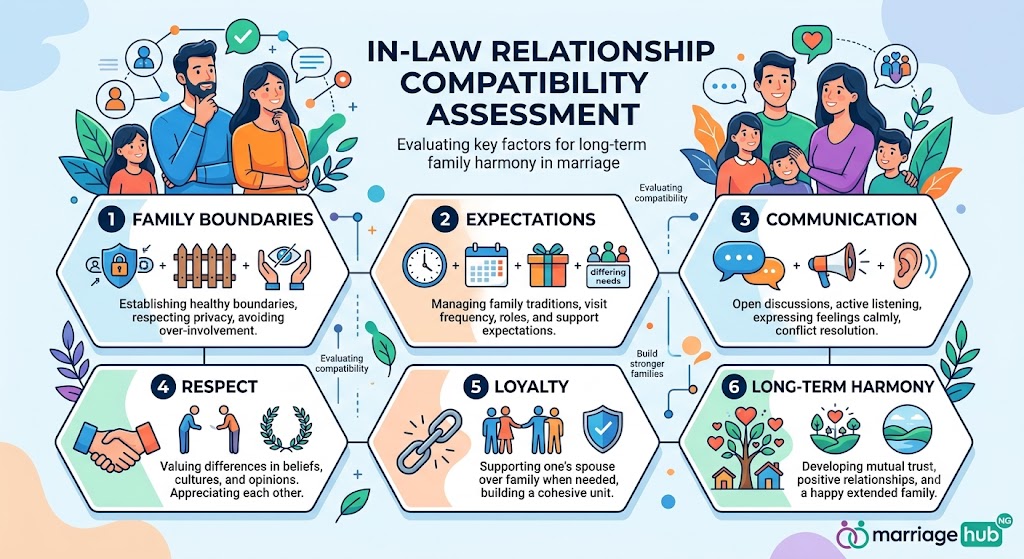
Other contributing factors include poor communication, emotional neglect, incompatible personalities, and interference from in-laws. Research in southern Nigeria highlights issues such as anger, immaturity, and unmet emotional needs as recurring causes of marital breakdown.
Health-related factors are also emerging as important considerations. Issues such as incompatible genotypes, sexually transmitted infections, and lack of sexual compatibility have been identified as triggers for divorce in urban settings like Lagos.
Case Studies and Real-Life Insights
To understand divorce trends in Nigeria, it is important to move beyond statistics and look at real-life experiences.
In Lagos, interviews with divorced individuals reveal that many marriages break down due to a combination of financial stress and emotional disconnect. For instance, a young professional couple may start a marriage with high expectations, only to struggle with career pressures, long working hours, and lack of communication. Over time, unresolved issues accumulate, leading to separation.
In northern Nigeria, early marriages often contribute to higher divorce rates. Young couples, sometimes married in their teenage years, may lack the emotional maturity and economic stability required to sustain long-term relationships. This increases the likelihood of divorce or remarriage.
In southeastern Nigeria, divorce is less common but still present. Cases often involve issues such as infidelity, migration-related separation, or conflicts over financial responsibilities. Cultural expectations sometimes discourage formal divorce, leading couples to remain separated without legal dissolution.
Public sentiment around divorce also reflects changing attitudes. Some Nigerians now view divorce as a necessary step to escape unhealthy relationships, while others still see it as a failure or stigma. These contrasting views highlight the tension between traditional values and modern realities.
Gender Dynamics and Divorce
Gender plays a significant role in divorce trends in Nigeria. Research shows that women are more likely to experience divorce or separation, partly due to social and economic vulnerabilities.
However, this dynamic is evolving. As more women gain education and financial independence, they are increasingly able to leave unsatisfactory or abusive marriages. This shift is contributing to the rise in divorce rates, particularly in urban areas.
At the same time, societal expectations still place a heavier burden on women to maintain marriages. Many women remain in unhappy relationships due to financial dependence, social stigma, or pressure from family and religious institutions.
Social and Economic Impact of Divorce
The rise in divorce has significant implications for Nigerian society. At the family level, divorce can lead to emotional distress, especially for children. Studies indicate that marital breakdown often affects children’s psychological well-being, academic performance, and social development.
Economically, divorce can create financial instability, particularly for women who may have limited access to income or assets. Single-parent households often face increased economic challenges, including housing, education, and healthcare costs.
Divorce also has broader societal implications. It challenges traditional family structures and raises questions about the future of marriage as an institution in Nigeria. At the same time, it reflects a growing emphasis on individual well-being and personal choice.
The Role of Religion and Tradition
Religion continues to play a major role in shaping attitudes toward divorce in Nigeria. Christianity generally discourages divorce, promoting reconciliation and lifelong commitment. Islamic law, while permitting divorce, outlines specific procedures and conditions for its execution.
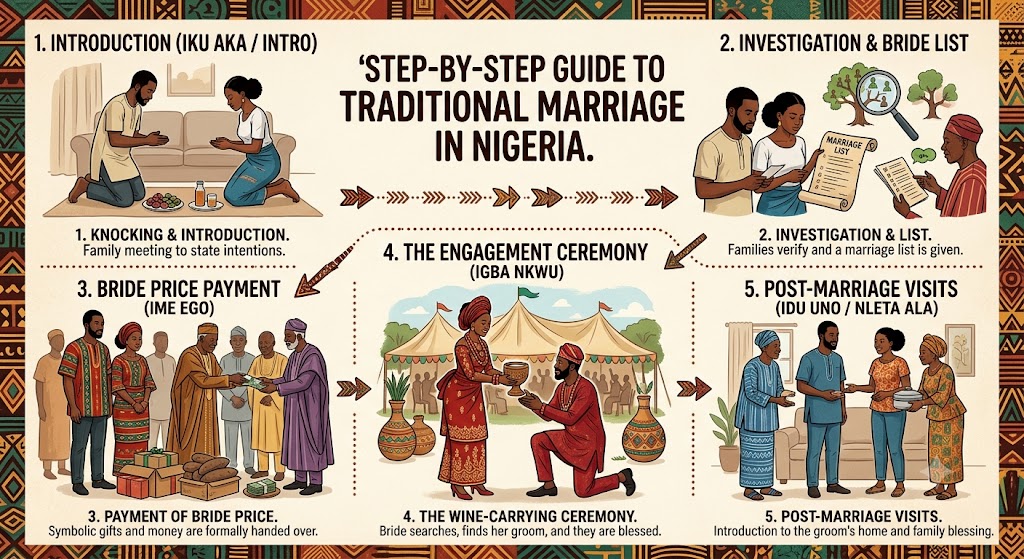
Traditional beliefs also influence how divorce is perceived and handled. In many communities, marriage is seen as a union between families rather than individuals, making divorce a complex and often contentious process.
These influences contribute to the persistence of informal separations, where couples live apart without formally dissolving their marriages. This further complicates the measurement and understanding of divorce trends in Nigeria.
Modern Influences and Changing Expectations
Modernization is reshaping marriage and divorce in Nigeria. Social media, globalization, and exposure to different lifestyles have changed expectations around relationships. Many young Nigerians now seek emotional fulfillment, compatibility, and mutual respect in marriage, rather than simply fulfilling societal obligations.
Urbanization has also played a significant role. In cities, individuals are more independent and less constrained by traditional family structures. This makes it easier for couples to separate when relationships become unsustainable.
At the same time, legal processes and costs associated with divorce can be a barrier. Many couples choose informal separation instead of pursuing legal divorce due to financial and procedural challenges.
The Future of Divorce in Nigeria
Divorce in Nigeria is likely to continue evolving alongside broader social changes. As education levels rise and economic conditions shift, marriage patterns will also change. While divorce rates may increase in the short term, they could stabilize as societal expectations around marriage become more realistic and aligned.
The future will likely see a coexistence of traditional and modern values. In rural areas and conservative communities, marriage will remain a deeply rooted institution with low divorce rates. In urban centers, however, divorce will become more normalized as individuals prioritize personal well-being and compatibility.
Conclusion
Divorce trends in Nigeria reflect a society in transition. While marriage remains highly valued, the realities of modern life are reshaping how relationships are formed and sustained. Economic pressures, changing gender roles, and evolving expectations are all contributing to the rise in divorce.
Rather than viewing divorce solely as a negative development, it can also be seen as a sign of increased agency and awareness among individuals. However, its social and economic impacts cannot be ignored, particularly for children and vulnerable populations.
Ultimately, the future of marriage in Nigeria will depend on how individuals, families, and institutions adapt to these changes. Strengthening communication, promoting financial stability, and addressing social challenges will be key to building healthier and more sustainable relationships.
Users can join groups/tribes on https://www.marriagehub.ng/all-groups or create groups on https://www.marriagehub.ng/create-tribes-group. Users can also purchase products, services and downloadable on https://www.marriagehub.ng/marketplace.
Follow us on
WhatsApp - https://whatsapp.com/channel/0029VbCav9MCcW4pw3GSM72w
X - https://x.com/MarriageHubNG
Facebook - https://web.facebook.com/MarriageHubNigeria
Instagram - https://www.instagram.com/marriagehubng3




.jpg)

Sign in to comment