 Nurturing Marriages, Enriching Families!
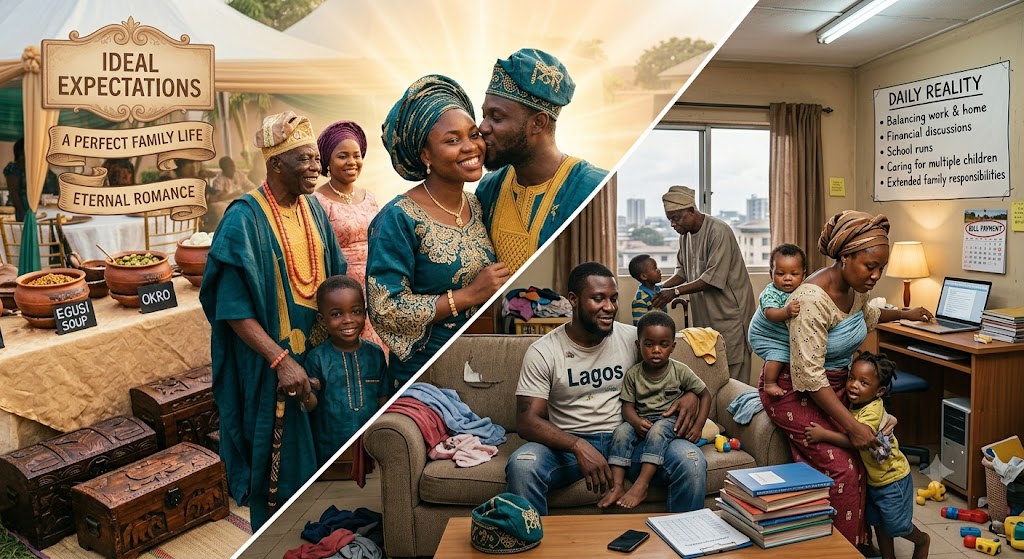
Marriage Expectations vs Reality in Nigeria: What Every Couple Should Know Before Saying "I Do"
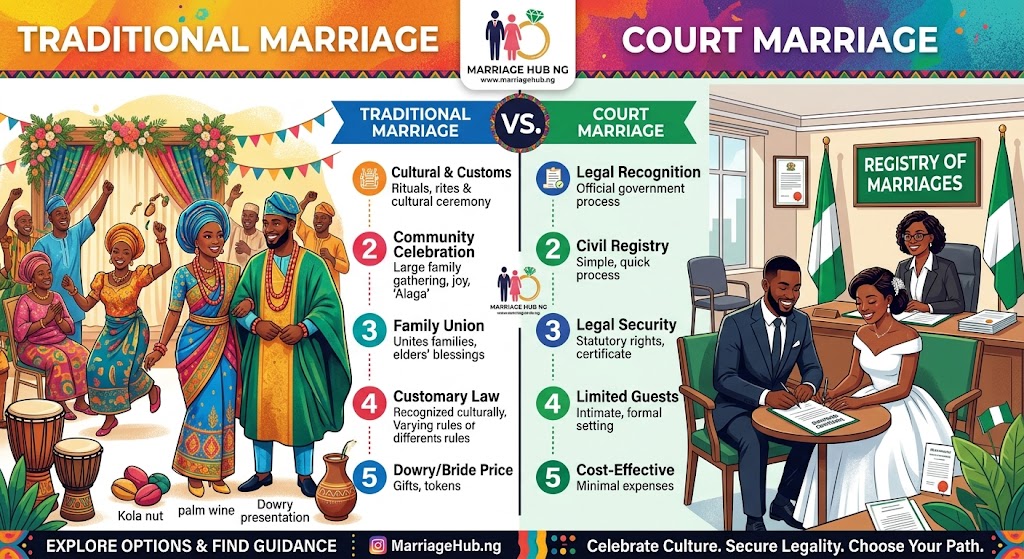
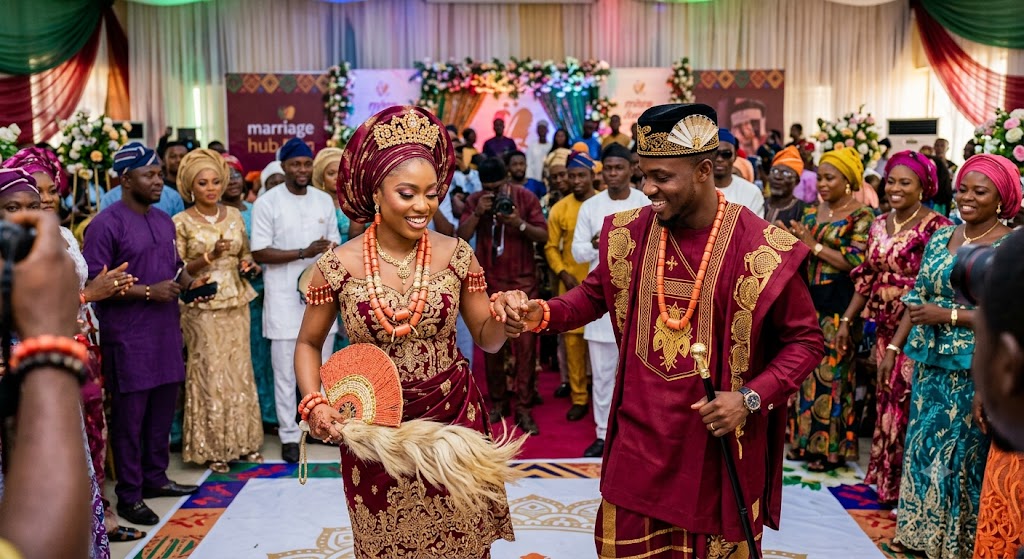
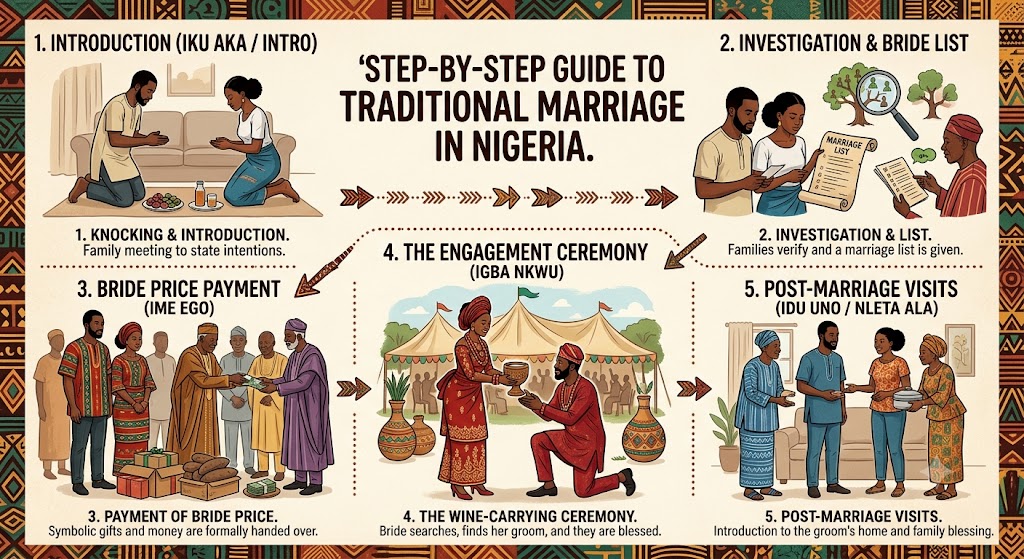
Marriage is often described as one of life's greatest achievements in Nigeria. From colourful traditional weddings and glamorous white weddings to elaborate engagement ceremonies and lavish receptions, the journey toward marriage is usually filled with excitement, hope, prayers, and expectations. Families invest significant time, money, and emotions into preparing couples for their new lives together, while friends celebrate the beginning of what they hope will be a lifelong union.
Yet, after the music fades, the guests leave, and everyday life begins, many Nigerian couples discover that marriage is very different from what they imagined. The reality of managing finances, balancing careers, raising children, handling extended family expectations, resolving conflicts, and supporting each other through life's uncertainties often differs significantly from the romantic picture many people had before marriage.
Across Nigeria, marriage counsellors, religious leaders, psychologists, and family therapists consistently observe that unrealistic expectations are among the leading contributors to marital dissatisfaction. While love remains an important foundation, successful marriages are sustained by communication, trust, patience, shared values, financial discipline, emotional maturity, and a willingness to grow together.
Understanding the difference between expectations and reality can help singles prepare for marriage more effectively while helping married couples build healthier and stronger relationships.
The Nigerian Dream of Marriage
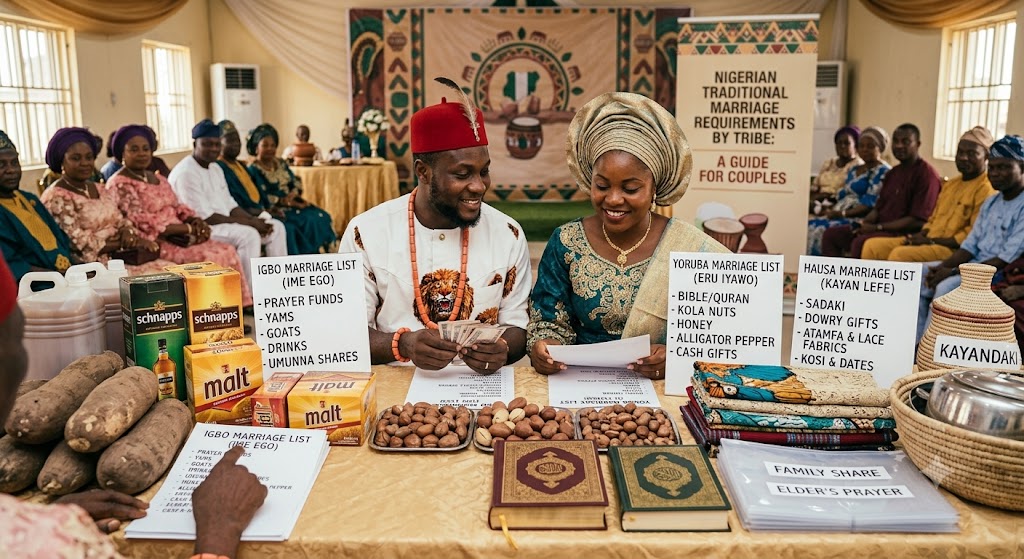
Marriage occupies a unique position in Nigerian society. Beyond the union of two individuals, it represents the coming together of two families, two cultures, and often two communities. Parents eagerly anticipate their children's weddings, relatives participate in planning ceremonies, and society generally regards marriage as an important milestone of adulthood.
According to demographic studies, Nigeria remains one of Africa's most marriage-oriented societies, with millions of marriages taking place annually through customary, religious, and civil ceremonies. Although urbanisation and changing lifestyles have delayed marriage for many young professionals, the desire to marry remains remarkably strong across different regions and ethnic groups.
However, the pressure to marry sometimes encourages people to focus more on the wedding than on the lifelong commitment that follows.
Expectation: Love Will Solve Every Problem
Many Nigerians grow up believing that genuine love automatically guarantees a successful marriage. Romantic movies, fairy tales, and social media often reinforce the idea that true love eliminates conflict and makes every challenge easier.
The reality is quite different.
Love is essential, but it does not automatically resolve disagreements over money, parenting, career decisions, family responsibilities, or personality differences. Couples who rely solely on romantic feelings without developing communication and problem-solving skills often become disappointed when conflicts inevitably arise.
Healthy marriages are built not only on love but also on commitment, forgiveness, patience, understanding, and mutual respect.
Expectation: Marriage Ends Loneliness
Many singles believe marriage will permanently eliminate loneliness and emotional struggles.
While marriage provides companionship, it does not automatically guarantee emotional connection. Some people experience profound loneliness even while living with their spouses because emotional intimacy requires continuous effort.
Successful couples intentionally create opportunities for meaningful conversations, shared experiences, laughter, affection, and emotional support. Without these efforts, spouses may gradually become strangers despite sharing the same home.
Expectation: Financial Problems Will Disappear
One common misconception among young couples is that marriage automatically improves financial stability.
In reality, marriage often introduces additional financial responsibilities. Rent, food, transportation, healthcare, utility bills, children's education, family obligations, insurance, and emergency expenses all increase significantly after marriage.
Nigeria's economic environment has become increasingly challenging due to inflation, currency fluctuations, rising fuel prices, and the increasing cost of living. These realities require couples to plan carefully, prepare realistic budgets, and maintain transparency regarding income, debts, and financial goals.
Many marriage counsellors report that financial disagreements remain among the most common reasons couples seek professional help.
Expectation: My Spouse Will Never Change
People often marry believing their partner will remain exactly as they were during courtship.
Reality proves otherwise.
People evolve through career changes, parenthood, ageing, health challenges, spiritual growth, education, and personal experiences. A spouse who was once highly social may become more reserved after becoming a parent. Career advancement may demand longer working hours. Financial success or setbacks may influence priorities and lifestyles.
Successful marriages recognise personal growth rather than resisting it. Couples who adapt together usually enjoy stronger relationships than those expecting permanent sameness.
Expectation: We Will Never Fight
Many engaged couples sincerely believe their strong relationship means they will rarely argue.
Conflict is actually a normal part of every healthy marriage.
Differences in opinions, personalities, backgrounds, and experiences naturally produce disagreements. The strength of a marriage is not measured by the absence of conflict but by how couples resolve disagreements respectfully.
Healthy couples listen before responding, avoid insults, apologise when necessary, forgive sincerely, and focus on solving problems rather than winning arguments.
Expectation: Marriage Is Like Social Media
Social media has transformed how many Nigerians perceive relationships.
Instagram, Facebook, TikTok, and YouTube frequently showcase luxurious vacations, expensive gifts, matching outfits, romantic surprises, and seemingly perfect families. While these moments may be genuine, they represent only a small fraction of everyday married life.
Behind carefully edited photographs are ordinary couples managing household chores, paying bills, raising children, handling disagreements, and overcoming life's challenges.
Comparing one's marriage with carefully curated online content often creates unnecessary dissatisfaction and unrealistic expectations.
Expectation: My Spouse Should Read My Mind
Many couples assume their partners automatically know what they need emotionally.
In reality, effective communication remains one of the most important skills in marriage.
No spouse can consistently predict another person's feelings, frustrations, or expectations without honest conversation. Expressing appreciation, discussing concerns calmly, and communicating needs clearly reduce misunderstandings and strengthen emotional intimacy.
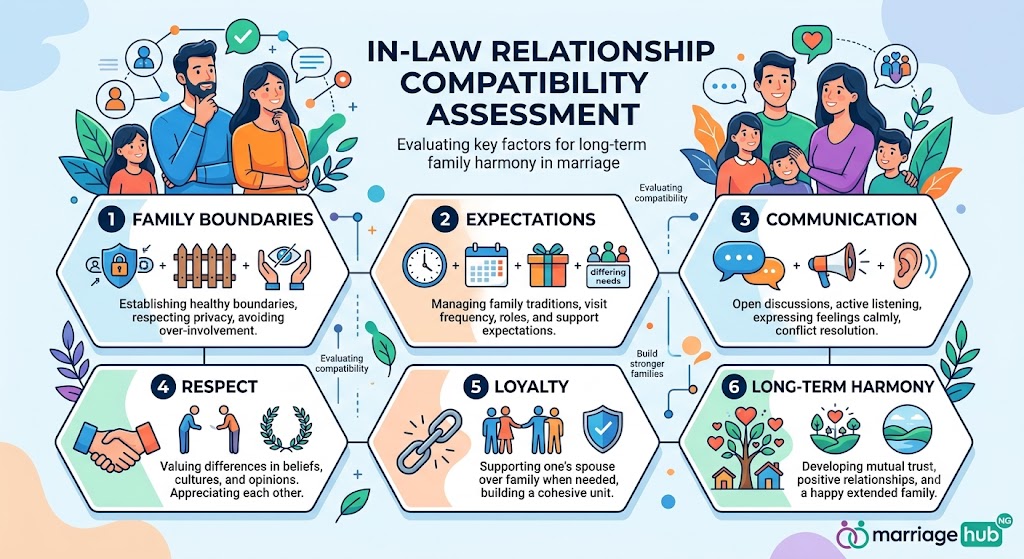
Expectation: Extended Family Will Never Interfere
Nigeria places enormous value on family relationships.
Parents, siblings, uncles, aunts, and in-laws often remain actively involved even after marriage. While this support can strengthen families, excessive involvement sometimes creates tension regarding finances, parenting, living arrangements, fertility, and household decisions.
Couples who establish healthy boundaries while maintaining respect for their families generally experience fewer conflicts.
Expectation: Having Children Solves Marital Problems
Some couples believe having children will automatically strengthen troubled relationships.
Children undoubtedly bring joy, but they also introduce additional responsibilities, financial commitments, sleep deprivation, and emotional adjustments.
Marital problems rarely disappear after childbirth. In fact, unresolved conflicts often become more visible as parenting responsibilities increase.
Strong marriages create healthier environments for raising children.
Expectation: Romance Should Always Feel Exciting
Courtship often involves frequent dates, surprise gifts, long phone conversations, and constant excitement.
Marriage gradually introduces routines involving work, household responsibilities, parenting, and financial planning.
This does not mean romance disappears. Rather, successful couples intentionally create opportunities to maintain affection through thoughtful conversations, shared hobbies, celebrations, quality time, and simple acts of kindness.
Love matures from excitement into deeper companionship and partnership.
Expectation: One Person Should Handle Everything
Traditional gender expectations continue to influence many Nigerian homes.
Some individuals expect one spouse to earn all the income while the other manages every household responsibility. Modern economic realities, however, increasingly require teamwork.
Whether both spouses work or only one earns an income, successful marriages function best when responsibilities are discussed openly and shared fairly according to each family's circumstances.
Expectation: Marriage Changes Bad Habits Automatically
Many people enter marriage believing their partner will naturally abandon undesirable behaviours.
Reality suggests otherwise.
Habits involving excessive spending, poor communication, anger management, lateness, addiction, dishonesty, or emotional withdrawal rarely disappear simply because someone gets married.
Personal growth requires intentional effort, accountability, and sometimes professional counselling.
Expectation: Every Marriage Looks the Same
Nigeria's cultural diversity means no single model fits every marriage.
A successful marriage in Lagos may differ significantly from one in Kano, Enugu, Calabar, or Sokoto. Couples have different financial capacities, religious beliefs, career goals, parenting styles, and cultural traditions.
Instead of copying others, couples should develop systems that reflect their shared values and unique circumstances.
What the Data Reveals
Relationship studies across Africa consistently identify communication problems, financial stress, infidelity, domestic violence, unrealistic expectations, and poor conflict resolution among the leading contributors to marital dissatisfaction.
Family therapists in Nigeria also report increasing demand for premarital counselling as more young professionals seek practical guidance before marriage. This growing awareness reflects a positive shift from focusing solely on wedding ceremonies to preparing for lifelong relationships.
Economic conditions have also influenced marriages. Rising inflation, increasing housing costs, unemployment, and changing work patterns have introduced pressures previous generations experienced differently. Couples who communicate openly about finances generally report higher relationship satisfaction than those who avoid discussing money.
Nigerian Case Study: The Wedding Was Perfect, Marriage Wasn't
Chinedu and Amaka spent nearly ₦18 million on their Lagos wedding after receiving financial support from relatives. The ceremony attracted hundreds of guests and became popular on social media.
However, within the first year of marriage, they struggled with rent, loan repayments, and disagreements over financial priorities. Neither had prepared a realistic post-wedding budget.
Following financial counselling and better communication, they gradually rebuilt trust and developed healthier spending habits.
Their experience demonstrates that a successful wedding does not automatically produce a successful marriage.
Nigerian Case Study: Unrealistic Expectations
A young woman who relocated to Abuja after marriage expected her husband to spend every evening at home, just as he had done during courtship.
His promotion required frequent travel and longer working hours. Rather than discussing the changes openly, she interpreted his absence as emotional neglect.
Professional counselling helped both partners understand how career growth had altered their routines. They eventually created new family traditions that strengthened their relationship despite demanding schedules.
The lesson was simple: expectations should evolve alongside changing life circumstances.
Nigerian Case Study: Learning to Communicate
Kunle and Bisi rarely argued loudly, yet their marriage became increasingly distant.
Instead of expressing frustrations, both chose silence whenever disagreements occurred. Over several years, emotional intimacy disappeared.
Marriage counselling introduced practical communication techniques, including scheduled weekly conversations, active listening, and expressing appreciation daily.
Their relationship improved significantly because they addressed problems before resentment accumulated.
Building Realistic Expectations Before Marriage
Preparing for marriage requires more than finding the right partner. It also involves becoming the right partner.
Couples should discuss finances, career ambitions, parenting plans, religious beliefs, health concerns, household responsibilities, conflict resolution styles, family expectations, and long-term goals before marriage. Honest conversations may initially feel uncomfortable, but they often prevent much greater problems later.
Premarital counselling remains one of the most valuable investments engaged couples can make. It provides practical tools for communication, financial planning, emotional intelligence, and relationship management that continue benefiting couples throughout their married lives.
Embracing the Reality of Marriage
The happiest marriages are not those without challenges but those where both partners remain committed to growing together despite challenges.
Real marriage includes moments of joy and disappointment, celebration and sacrifice, laughter and tears. It involves learning, adapting, forgiving, encouraging, and supporting one another through changing seasons of life.
When expectations become realistic, disappointment decreases, appreciation grows, and couples develop stronger emotional resilience.
Marriage is not about finding perfection. It is about building a partnership where two imperfect people intentionally choose love, respect, commitment, honesty, and continuous growth every single day.
Continue Your Marriage Journey with MarriageHub.ng
Whether you are single, engaged, newly married, or celebrating many years together, MarriageHub.ng provides practical tools and supportive communities to help you build stronger relationships.
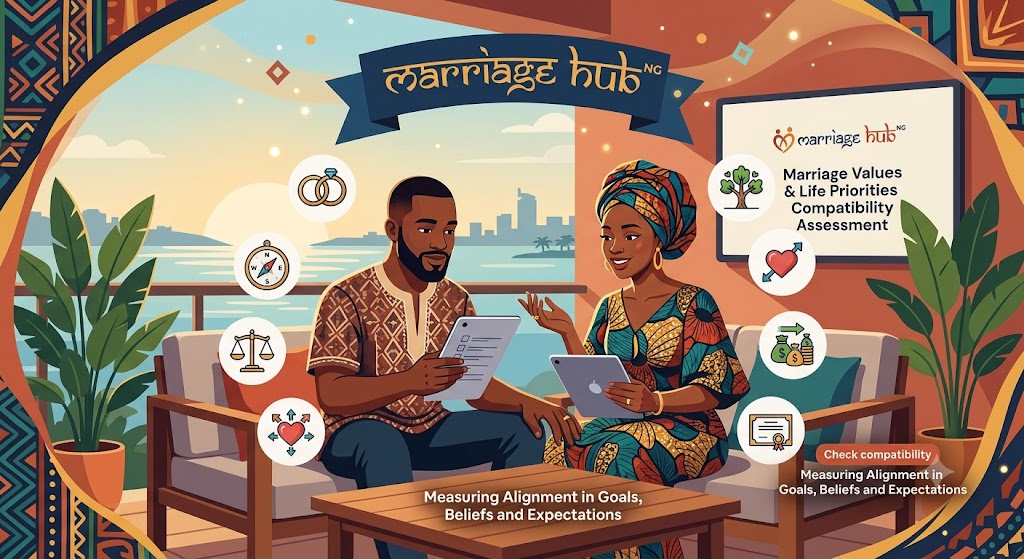
Take the Marriage Readiness Test to evaluate your preparedness for lifelong commitment by visiting https://www.marriagehub.ng/analyzer/index.php.
If you have personal relationship concerns that you would rather discuss privately, you can Ask Anonymous Questions at https://www.marriagehub.ng/questions-answers and receive guidance from the MarriageHub community.
Planning a wedding, anniversary, engagement, or family celebration? Create a beautiful digital invitation through https://www.marriagehub.ng/annouce-my-event/.
If you're searching for a serious relationship, explore the MarriageHub matchmaking platform at https://www.marriagehub.ng/match-making/frontend/discover.php.
Planning your wedding? Browse trusted photographers, decorators, caterers, event planners, makeup artists, DJs, MCs, and other professionals through https://www.marriagehub.ng/vendors.
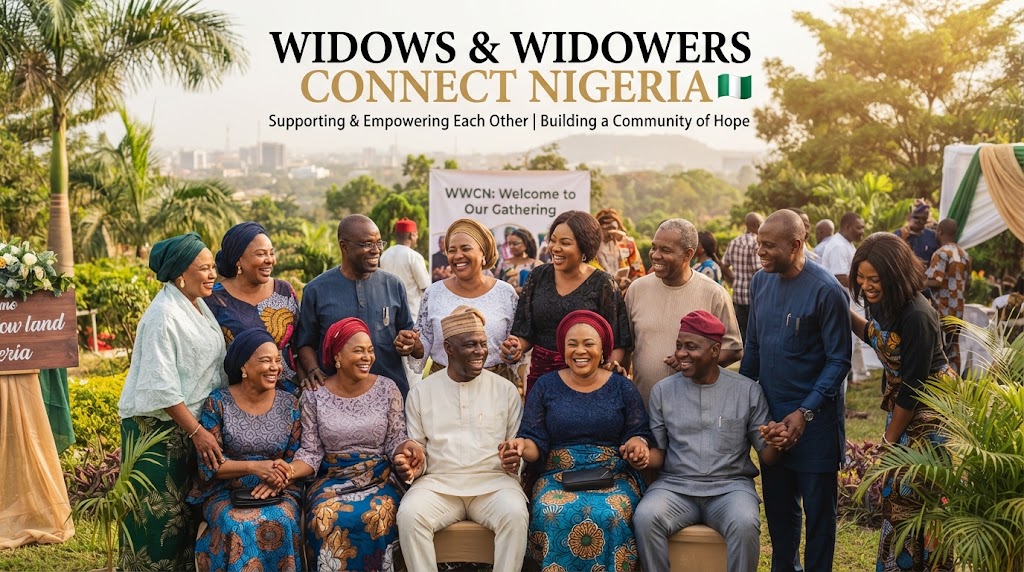
Join thousands of Nigerians discussing relationships, marriage, parenting, dating, and family life by joining existing Groups and Tribes at https://www.marriagehub.ng/all-groups. You can also build your own community by creating a Tribe or Group at https://www.marriagehub.ng/create-tribes-group.
MarriageHub Marketplace also offers relationship resources, wedding products, counselling services, digital downloads, books, and other valuable materials. Visit https://www.marriagehub.ng/marketplace to explore what's available.
Stay connected with MarriageHub Nigeria for daily relationship tips, marriage advice, inspiring stories, and community discussions.
WhatsApp: https://whatsapp.com/channel/0029VbCav9MCcW4pw3GSM72w
X: https://x.com/MarriageHubNG
Facebook: https://web.facebook.com/MarriageHubNigeria
Instagram: https://www.instagram.com/marriagehubng3





.jpg)
Sign in to comment