 Nurturing Marriages, Enriching Families!
How Culture Influences Marriage in Nigeria: Traditions, Modern Realities, and Their Impact on Relationships
Marriage in Nigeria is far more than the union of two individuals—it is the coming together of families, communities, traditions, and generations. From the bustling streets of Lagos to the villages of Enugu, Kano, Calabar, Ibadan, and Makurdi, culture continues to shape how people meet, court, marry, raise children, and even resolve marital conflicts. While education, urbanisation, technology, and globalization have transformed many aspects of Nigerian society, cultural traditions remain deeply woven into the fabric of marriage.
Nigeria is home to more than 250 ethnic groups, each with its own unique customs, marriage rites, family expectations, inheritance systems, and beliefs about the roles of husbands and wives. Although there are common themes across cultures, marriage practices among the Yoruba, Igbo, Hausa-Fulani, Efik, Tiv, Ijaw, Urhobo, Edo, Nupe, Ibibio, and many other ethnic groups differ in significant ways. These differences often influence who people marry, how marriages are celebrated, how families interact, and how marital challenges are handled.
Understanding the influence of culture on marriage is essential for singles preparing for marriage, engaged couples, newlyweds, and even couples who have been married for decades. While culture provides identity, stability, and continuity, it can also create misunderstandings when expectations are not openly discussed. The healthiest marriages are often those that respect cultural traditions while adapting to the realities of modern life.
Marriage as a Union of Families
One of the defining characteristics of marriage in Nigeria is that it is rarely viewed as an individual decision. In many communities, marriage represents the joining of two extended families rather than simply two people in love. Parents, grandparents, uncles, aunts, siblings, and community elders frequently participate in discussions leading to marriage and continue to play important roles long after the wedding ceremony.
Unlike many Western societies where couples make most decisions independently, Nigerian families often see marriage as a communal responsibility. This explains why families become actively involved during introductions, bride price negotiations, wedding planning, naming ceremonies, and even dispute resolution.
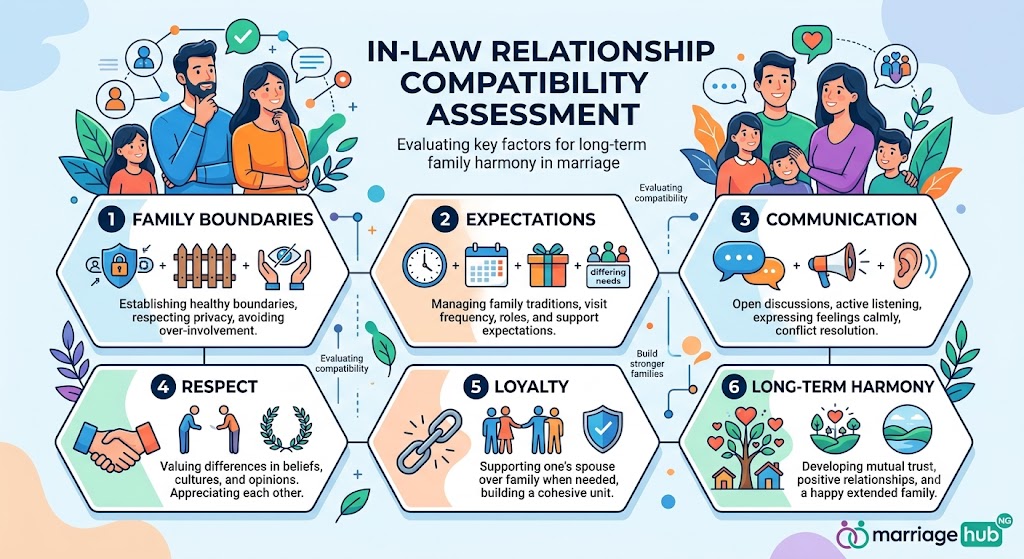
Sociologists have long observed that extended family support can strengthen marriages by providing emotional, financial, and practical assistance during difficult periods. At the same time, excessive family involvement can sometimes become a source of conflict when relatives interfere in decisions that should belong to the couple.
The Importance of Traditional Marriage Rites
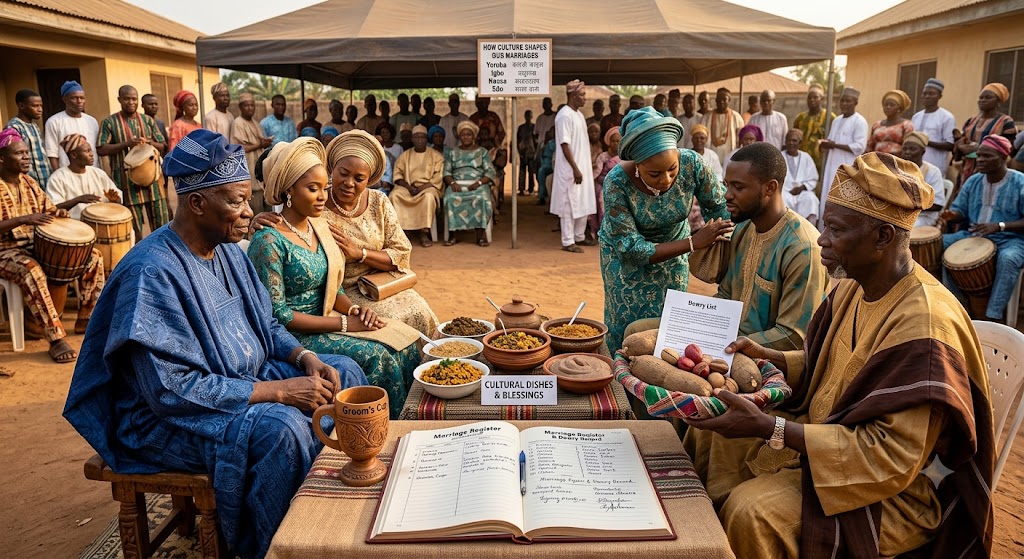
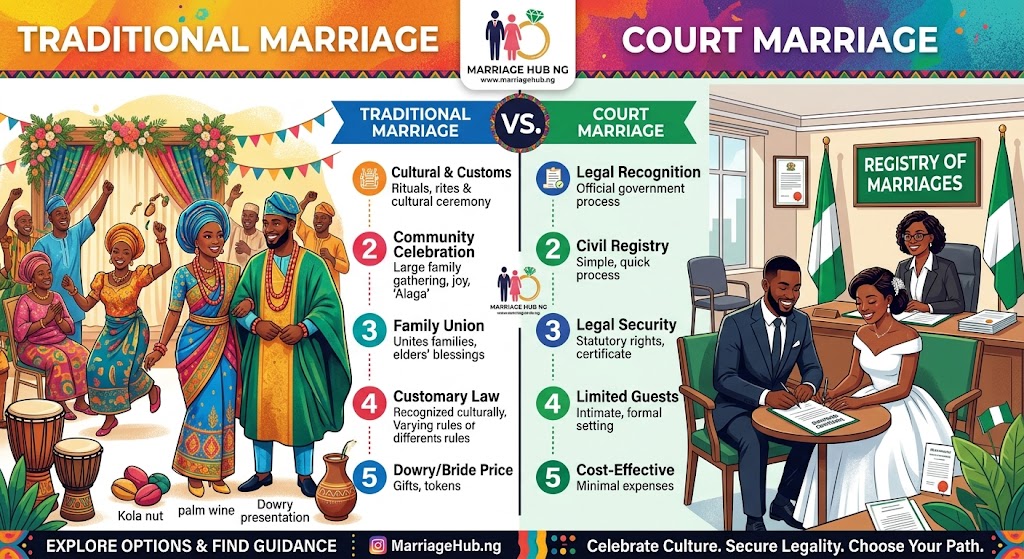
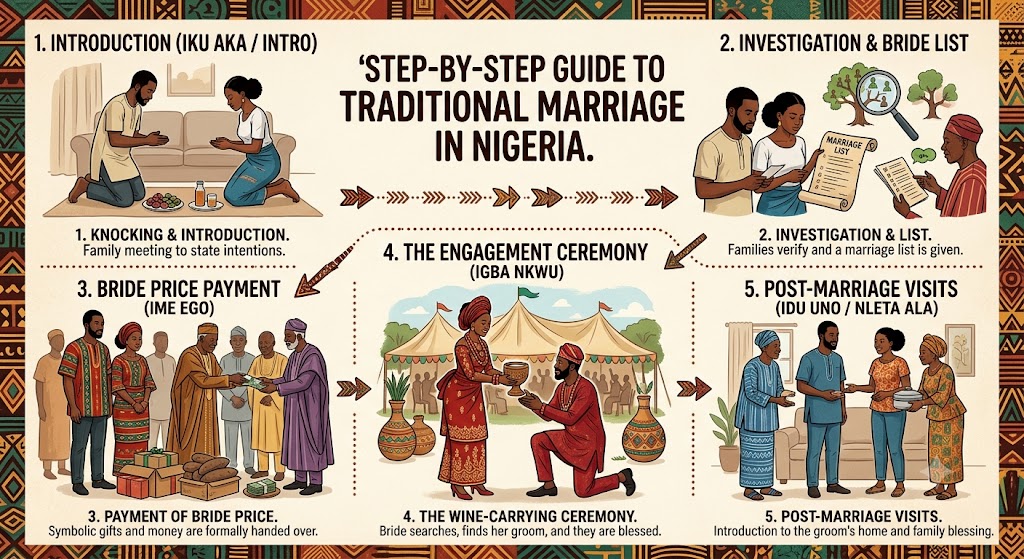
Traditional marriage ceremonies remain one of the strongest cultural expressions across Nigeria. Even couples who choose court weddings or church weddings often insist on completing their traditional marriage rites because they represent family acceptance and cultural legitimacy.
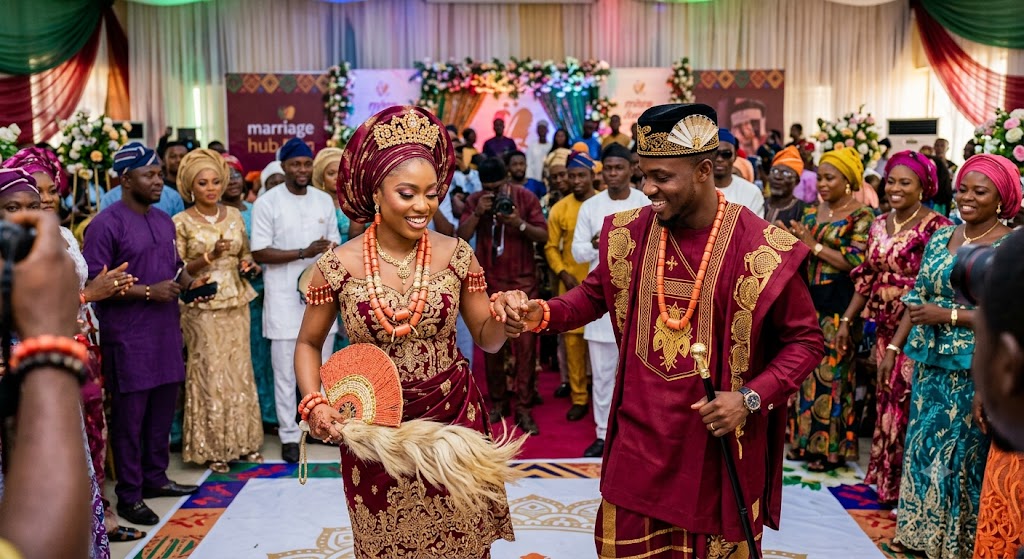
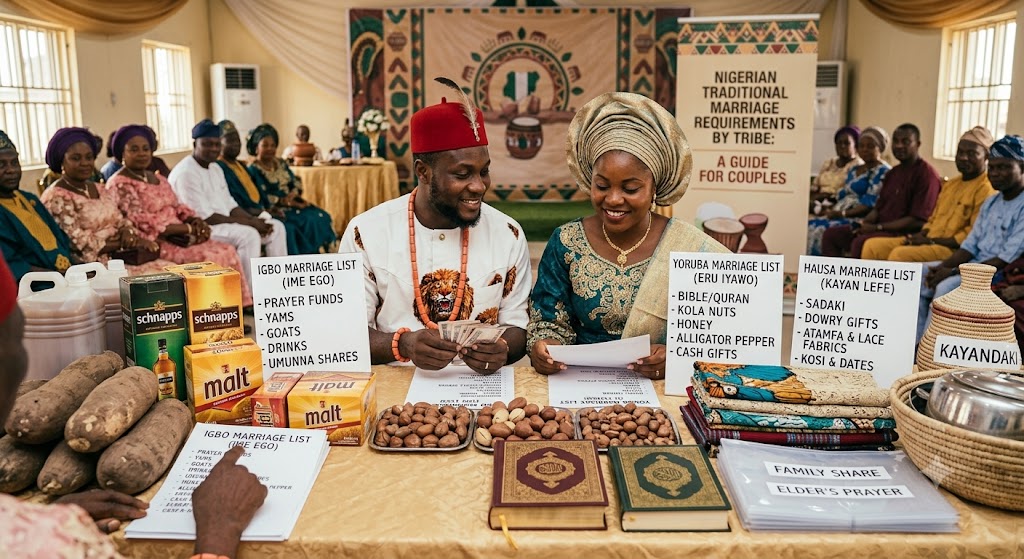
Traditional weddings vary from one ethnic group to another. Among the Igbo, the ceremony typically includes the presentation of the bride price list, payment of bride price, exchange of gifts, prayers by elders, and the symbolic sharing of palm wine, where the bride publicly identifies her husband before family members. Yoruba traditional weddings include the famous engagement ceremony, where families formally introduce themselves, prayers are offered, and cultural rituals are performed. Hausa-Fulani marriages often include Islamic marriage rites, family negotiations, and colourful celebrations that reflect both religious and cultural traditions.
These ceremonies preserve cultural heritage and strengthen family bonds. They also create opportunities for younger generations to learn traditions that have been passed down over centuries.
Bride Price and Its Cultural Significance
Bride price remains one of the most discussed aspects of Nigerian marriage. Contrary to common misconceptions, bride price is not intended to represent the purchase of a woman. Traditionally, it symbolises appreciation to the bride's family for raising their daughter and signifies the formal acceptance of the marriage.
The amount and items requested vary significantly across communities. In some villages, the bride price may consist of symbolic amounts accompanied by kola nuts, drinks, wrappers, livestock, or traditional gifts. In other communities, especially where commercialization has gradually influenced tradition, the requirements can become financially demanding.
Several Nigerian marriage counsellors have noted that excessive bride price demands occasionally delay marriages or place financial pressure on young couples. In recent years, many traditional rulers and community leaders have encouraged moderation to ensure that cultural practices do not discourage marriage.
Respect for Elders and Family Authority
Respect for elders is deeply embedded in Nigerian culture and significantly influences marital relationships. Many couples seek parental blessings before marriage and continue to consult parents on important family decisions.
In many communities, elders also serve as mediators during marital disagreements. Rather than immediately seeking legal intervention or divorce, families often organise reconciliation meetings involving respected relatives and community leaders.
While this approach has helped preserve many marriages, it can also become problematic if elders encourage couples to remain in unhealthy or abusive relationships. Modern marriage counselling increasingly promotes balancing cultural respect with personal wellbeing and safety.
Gender Roles and Cultural Expectations
Culture strongly shapes expectations regarding the responsibilities of husbands and wives. Traditionally, Nigerian society viewed the husband as the primary provider and protector while the wife managed household responsibilities and child care.
Today, however, these expectations are evolving. More Nigerian women pursue higher education, own businesses, occupy executive positions, and contribute substantially to household income. According to national labour statistics, female participation in the workforce has continued to grow across both public and private sectors.
Despite these changes, cultural expectations sometimes create tension when couples hold different views regarding financial responsibilities, parenting, household duties, or career ambitions. Successful marriages often emerge when couples openly discuss these expectations rather than assuming both partners share identical cultural beliefs.
Religion and Culture Often Intersect
Nigeria is one of the world's most religious countries, and religious beliefs frequently reinforce cultural traditions. Christian, Muslim, and traditional religious practices influence marriage ceremonies, family values, parenting styles, and expectations regarding fidelity and divorce.
Although religion and culture are distinct, they often overlap in everyday family life. Couples from different religious backgrounds may experience challenges concerning worship, children's upbringing, holiday celebrations, and family traditions if these issues are not discussed before marriage.
Inter-Ethnic Marriages Are Becoming More Common
Urbanisation, higher education, and workplace interactions have increased marriages between people from different ethnic backgrounds. It is now common to see Igbo-Yoruba, Hausa-Igbo, Tiv-Edo, Efik-Ijaw, and numerous other combinations across Nigeria.
These marriages often enrich family life by exposing couples to multiple languages, cuisines, traditions, and perspectives. Children from such unions frequently develop broader cultural awareness and stronger adaptability.
However, inter-ethnic marriages may also encounter challenges involving language barriers, differing family expectations, inheritance customs, naming traditions, and wedding ceremonies. Couples who embrace each other's cultures with respect usually navigate these differences successfully.
Parenting Through a Cultural Lens
Culture significantly influences parenting across Nigeria. Many families place strong emphasis on respect, discipline, education, religious upbringing, and family reputation.
Grandparents often play active roles in raising children, particularly in extended family settings. Naming ceremonies, child dedication, initiation rites, and cultural festivals all reinforce family identity from an early age.
Modern parents increasingly combine traditional values with contemporary parenting approaches, encouraging open communication while maintaining respect for elders and cultural heritage.
Financial Responsibilities Beyond the Nuclear Family
Unlike many societies where financial responsibilities primarily involve spouses and children, Nigerian culture often extends obligations to parents, siblings, nieces, nephews, and other relatives.
Supporting extended family members is widely regarded as a moral responsibility. However, financial disagreements may arise when spouses have different opinions about how much assistance should be provided.
Relationship experts consistently recommend that couples establish clear financial boundaries while remaining compassionate towards their extended families.
The Influence of Community Reputation
In many Nigerian communities, marriage is closely connected to family reputation. Couples often feel pressure to maintain appearances even during periods of marital difficulty.
This cultural emphasis on reputation has both advantages and disadvantages. On one hand, it encourages commitment and perseverance during ordinary marital challenges. On the other hand, it may discourage individuals experiencing abuse or severe emotional distress from seeking help promptly due to fear of public embarrassment.
Increasing awareness of mental health and domestic violence has encouraged many Nigerians to distinguish between preserving marriage and protecting personal safety.
Data and Emerging Trends
Although Nigeria does not maintain a comprehensive national database covering every customary, religious, and statutory marriage, demographic surveys consistently indicate that marriage remains one of the country's strongest social institutions. Most adults still aspire to marry, while family support continues to play a significant role in partner selection and wedding planning.
Researchers have also observed several important trends. Couples are marrying later than previous generations due to education and career development. Urbanisation has increased inter-ethnic marriages, while digital technology has transformed courtship through dating platforms and social media. Financial independence among women has also reshaped traditional gender roles, creating opportunities for greater partnership but also requiring couples to renegotiate expectations established by earlier generations.
Case Study: Balancing Igbo and Yoruba Traditions
Chinedu from Enugu met Bisola from Ibadan while studying at university in Lagos. Their relationship flourished despite their different cultural backgrounds. During wedding planning, disagreements emerged over traditional ceremonies, language preferences, and family expectations.
Instead of allowing these differences to divide them, both families organised several meetings where customs were explained respectfully. They eventually combined elements from both traditions, holding a Yoruba engagement ceremony followed by an Igbo traditional marriage before their church wedding.
Today, they describe their multicultural family as one of their greatest strengths, demonstrating that mutual respect often matters more than cultural differences themselves.
Case Study: Managing Extended Family Expectations
A young entrepreneur in Abuja struggled financially after marriage because he regularly supported numerous relatives without discussing these commitments with his wife. She felt excluded from important financial decisions, while he believed assisting family members was a cultural obligation.
Following professional marriage counselling, they created a household budget that allocated funds for immediate family needs as well as reasonable support for relatives. Open communication transformed what had previously been a constant source of conflict into a shared responsibility.
Case Study: Tradition Meets Modern Careers
Amaka, a medical doctor, and Musa, an engineer, both maintained demanding careers after marriage. Their families initially expected Amaka to assume nearly all household responsibilities despite her professional commitments.
Rather than allowing cultural expectations to create resentment, the couple agreed to share domestic responsibilities based on their work schedules. Their arrangement challenged traditional assumptions while preserving mutual respect for both families and cultural values.
Finding Balance Between Tradition and Modern Life
Culture remains one of Nigeria's greatest strengths. It provides identity, belonging, family support, moral values, and continuity between generations. At the same time, successful marriages require flexibility. Couples must recognise that every family is unique, and not every tradition automatically suits every household.
Healthy marriages are built on communication, mutual respect, empathy, trust, shared decision-making, and a willingness to adapt. Rather than abandoning cultural heritage, couples should embrace the aspects that strengthen relationships while thoughtfully addressing customs that create unnecessary conflict or hardship.
Marriage thrives when culture becomes a source of unity instead of division. Couples who appreciate each other's backgrounds, involve their families respectfully, establish healthy boundaries, and maintain open communication are often better equipped to navigate the challenges of modern married life.
Whether you are preparing for marriage, recently engaged, or already married, understanding the role of culture can help you build stronger relationships rooted in both tradition and mutual understanding.
Continue Your Marriage Journey with MarriageHub.ng
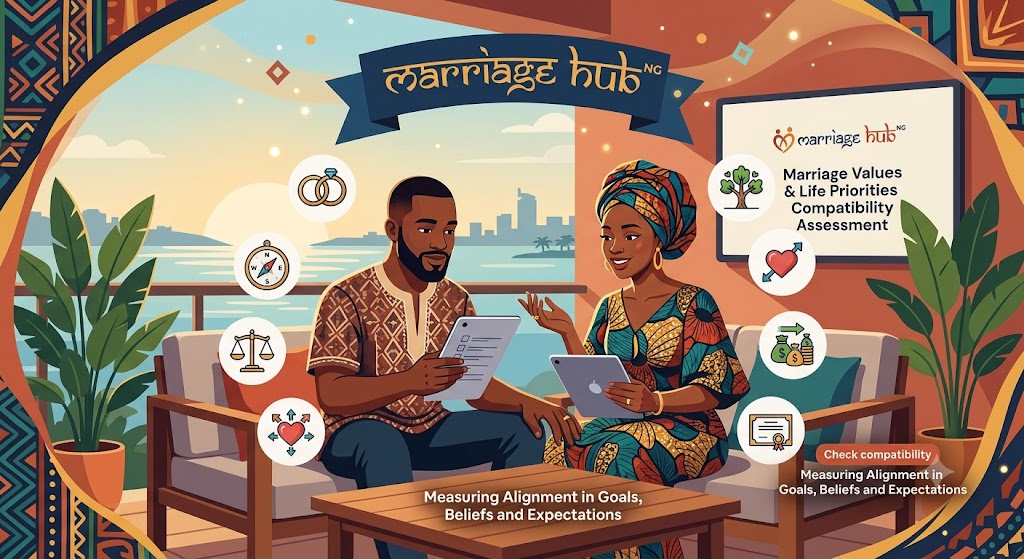
MarriageHub.ng is dedicated to helping Nigerians build healthier relationships through education, community, and practical resources. You can assess your preparedness for marriage by taking the Marriage Readiness Test at https://www.marriagehub.ng/analyzer/index.php. If you have personal relationship concerns, you can ask anonymous questions and receive helpful insights at https://www.marriagehub.ng/questions-answers.
Planning a wedding or special celebration? Create a beautiful digital invitation at https://www.marriagehub.ng/annouce-my-event/. If you are searching for a life partner, explore the matchmaking platform at https://www.marriagehub.ng/match-making/frontend/discover.php. Couples can also discover trusted wedding vendors across Nigeria by visiting https://www.marriagehub.ng/vendors.
Become part of Nigeria's growing relationship community by joining existing groups and tribes at https://www.marriagehub.ng/all-groups. If you would like to build your own community around relationships, marriage, parenting, or family life, you can create your own tribe or group at https://www.marriagehub.ng/create-tribes-group.
You can also shop for relationship resources, counselling services, wedding products, digital downloads, books, and other valuable items through the MarriageHub Marketplace at https://www.marriagehub.ng/marketplace.
Stay connected with MarriageHub Nigeria for regular relationship tips, marriage education, and community discussions through WhatsApp at https://whatsapp.com/channel/0029VbCav9MCcW4pw3GSM72w, X at https://x.com/MarriageHubNG, Facebook at https://web.facebook.com/MarriageHubNigeria, and Instagram at https://www.instagram.com/marriagehubng3.





.jpg)
Sign in to comment