 Nurturing Marriages, Enriching Families!
Family Interference & In-Laws Issues
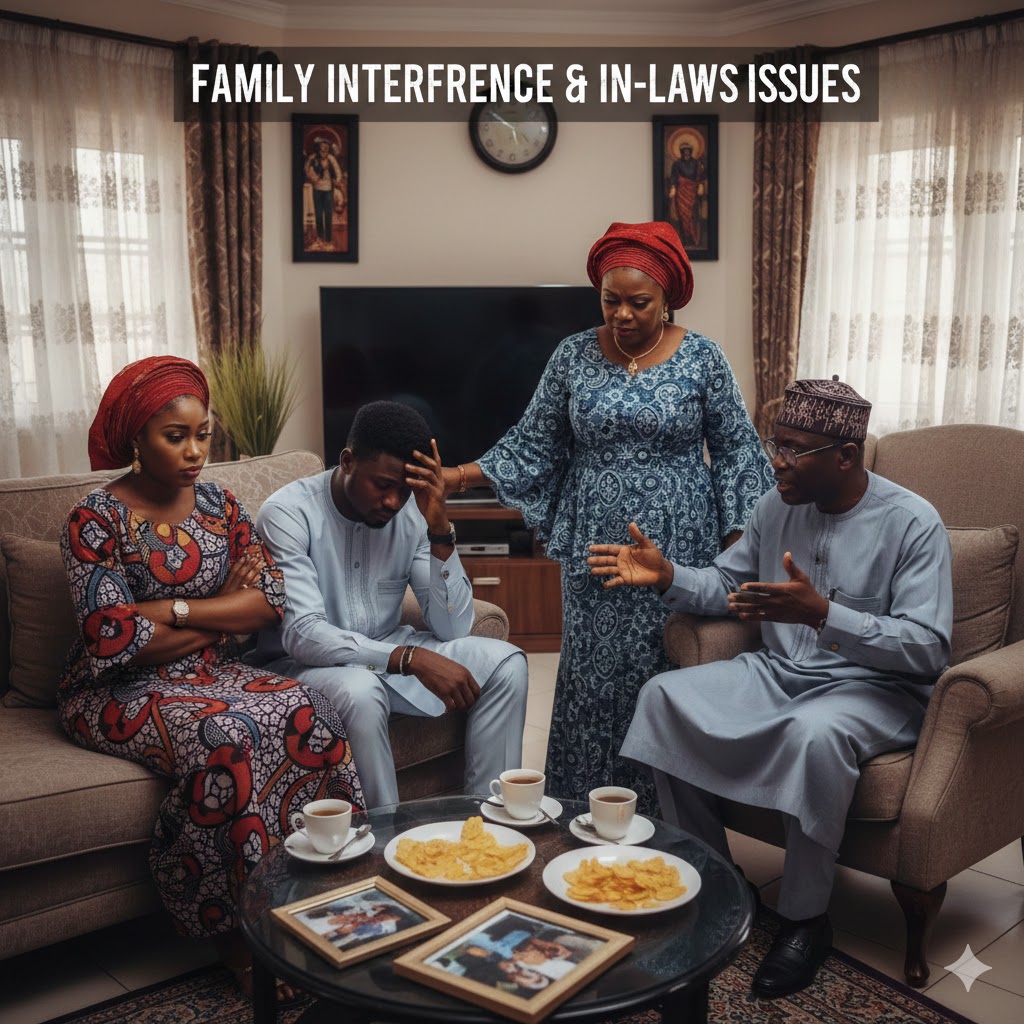
Marriage in Nigeria is rarely a union between just two individuals. It is often a blending of families, traditions, expectations, and long-standing relationships. While family support can strengthen a marriage, family interference—especially from in-laws—has become one of the most common sources of conflict in Nigerian homes. Many marriages experience tension not because the couple lacks love, but because boundaries with extended family members are unclear or poorly managed.
In Nigerian culture, respect for elders and family involvement are deeply valued. Parents often feel entitled to remain actively involved in their children’s lives even after marriage. While this involvement may come from love and concern, it can easily cross the line into control, manipulation, or constant interference. When couples are not prepared to handle this dynamic, it can lead to resentment, emotional strain, and division between spouses.
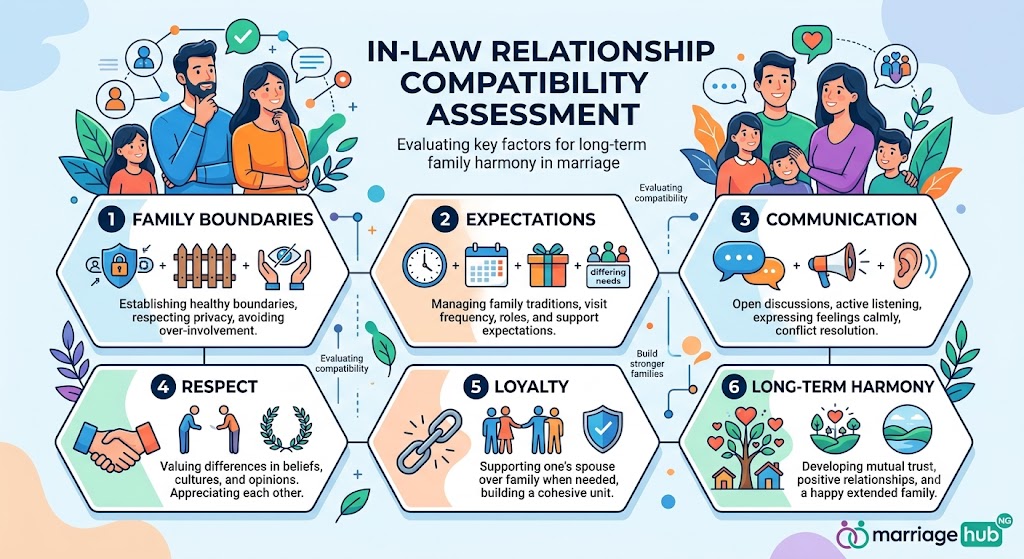
One major reason family interference becomes a problem is the failure to establish healthy boundaries early in the marriage. Many couples enter marriage without discussing how family influence will be handled. Some spouses feel torn between loyalty to their parents and commitment to their partner. This internal conflict often leads to silence, avoidance, or secret alliances, which gradually weaken trust within the marriage.
In-laws issues frequently arise when one partner allows their family to disrespect or undermine the other. This may appear in subtle ways such as constant criticism, comparison with ex-partners or siblings, unsolicited advice, or pressure to conform to family expectations. Over time, these actions can damage self-esteem and create emotional distance between spouses. When a partner fails to defend their spouse, it sends a message of abandonment and betrayal.
Financial interference is another common source of tension in Nigerian marriages. Extended family members may make financial demands, expect regular support, or interfere in how money is spent within the home. While supporting family is a cultural norm, problems arise when these obligations are imposed without mutual agreement between spouses. Financial decisions made under external pressure often lead to arguments and mistrust.
Living arrangements can also intensify in-laws issues. Couples who live with or close to extended family members may experience constant monitoring, lack of privacy, and unwanted opinions on personal matters. This environment can make it difficult for couples to grow independently and develop their own marital identity. Without intentional effort, the marriage may feel like a continuation of family authority rather than a new partnership.
Another common challenge is the use of family members as referees in marital disputes. When spouses involve parents or relatives in every disagreement, conflicts often escalate instead of being resolved. Family members may take sides, misinterpret issues, or introduce bias, making reconciliation more difficult. Over time, this habit erodes trust and intimacy between spouses.
Cultural and tribal differences can also contribute to family interference. Differences in traditions, language, or expectations around gender roles may cause friction, especially when families are unwilling to compromise. In some cases, families may openly oppose a marriage based on these differences, placing immense pressure on the couple. Without unity and mutual support, such pressure can break even strong relationships.
Effective communication between spouses is essential in managing family interference. Couples must be able to discuss concerns openly without fear or blame. When spouses present a united front, families are more likely to respect boundaries. Silence, fear of confrontation, or avoidance only empowers external interference.
Respectful boundary-setting is not an act of disrespect toward parents or elders. Rather, it is a necessary step toward protecting the marriage. Couples must learn to say no when necessary, make joint decisions, and prioritize their relationship without hostility or rebellion. Boundaries, when communicated with respect and consistency, help preserve both marital peace and family relationships.
It is also important for couples to recognize when family involvement is healthy and when it becomes harmful. Supportive families offer encouragement, guidance, and assistance without control. Harmful interference seeks to dominate, manipulate, or divide. Discernment is key to maintaining balance.
In some situations, professional counseling or mediation may be necessary. When family interference becomes overwhelming or leads to emotional abuse, seeking help from a counselor, religious leader, or trusted professional can provide clarity and tools for resolution. Ignoring persistent issues often allows resentment to grow.
In conclusion, family interference and in-laws issues are common challenges in Nigerian marriages, but they are not impossible to manage. Healthy marriages require unity, clear boundaries, and effective communication. Couples who prioritize their relationship while maintaining respectful ties with their families are more likely to experience peace and stability.
Marriage thrives when two people commit to protecting their bond against external pressures. When handled wisely, family relationships can be a source of strength rather than conflict. The key lies in balance, mutual respect, and unwavering partnership.








.jpg)


Sign in to comment