 Nurturing Marriages, Enriching Families!
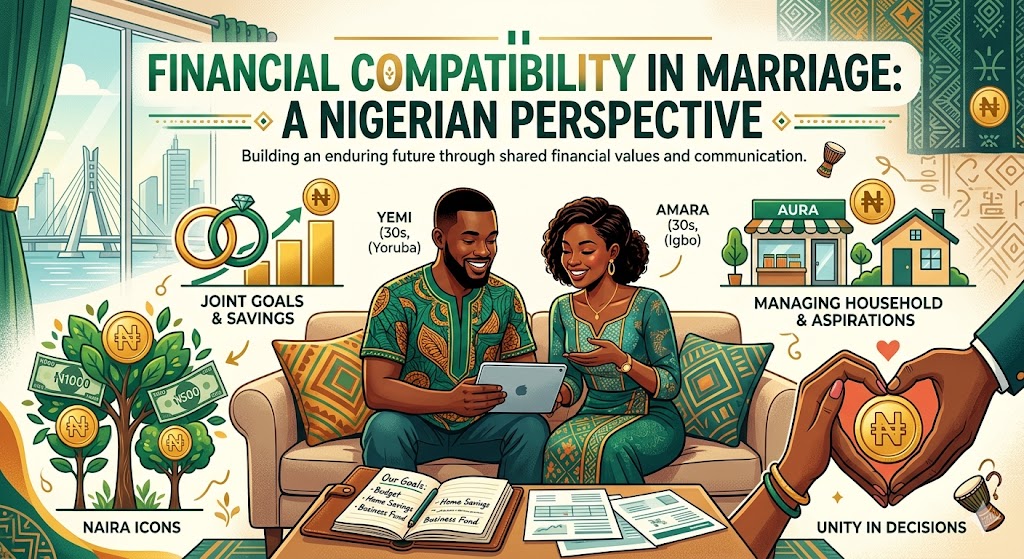
Financial Compatibility in Marriage: A Nigerian Perspective
Money is one of the most sensitive and powerful forces in any marriage, and in Nigeria, it often determines not just comfort but stability, respect, and long-term success. While love and emotional connection may bring couples together, financial compatibility frequently determines whether that relationship can endure real-life pressures.
Across Nigeria—from Lagos and Abuja to Enugu, Kano, and smaller towns—financial issues consistently rank among the leading causes of marital conflict. Rising living costs, unemployment, extended family obligations, and cultural expectations around gender roles all combine to make financial compatibility a critical factor in marriage.
This article explores financial compatibility in Nigerian marriages, using real-life insights, case studies, and practical analysis grounded in the Nigerian context.
Understanding Financial Compatibility in Marriage
Financial compatibility goes beyond how much money a couple earns. It includes attitudes toward money, spending habits, saving culture, financial goals, risk tolerance, and expectations about responsibilities.
In Nigeria, financial compatibility is particularly important because of the economic environment. Inflation, currency fluctuations, and income instability make financial planning essential for survival and growth.
Couples who are financially compatible tend to agree on key issues such as budgeting, lifestyle choices, and long-term investments. Those who are not may experience frequent disagreements, even if they have strong emotional connections.
The Nigerian Economic Context and Its Impact on Marriage
Nigeria’s economic realities play a major role in shaping financial dynamics within marriage. The cost of living has increased significantly in recent years, particularly in urban centers like Lagos and Abuja.
Housing, transportation, education, and healthcare expenses place significant pressure on households. As a result, many couples are forced to rethink traditional financial roles and adopt more collaborative approaches.
Data from economic and labor reports indicate that dual-income households are becoming increasingly common in Nigeria, especially in urban areas. This shift reflects both necessity and changing social norms.
However, increased income does not automatically translate to financial harmony. Differences in financial behavior and expectations can still create tension.
Traditional Financial Roles in Nigerian Marriages
Traditionally, Nigerian marriages followed a clear financial structure. The husband was expected to be the primary provider, responsible for housing, feeding, education, and general welfare of the family.
The wife’s role, while sometimes financially supportive through trading or small businesses, was primarily focused on managing the home and supporting the husband.
This structure worked in many cases, particularly in agrarian or less monetized economies. However, in today’s economic environment, relying on a single income is often not sustainable.
Despite these changes, traditional expectations still influence many marriages. Some men feel pressure to fulfill the provider role entirely, while some women expect financial security as a key aspect of marriage.
The Shift to Dual-Income Partnerships
Modern Nigerian marriages are increasingly characterized by dual-income partnerships. Women are pursuing careers, running businesses, and contributing significantly to household income.
This shift has redefined financial roles, but it has also introduced new challenges. Questions about who pays for what, how money is managed, and how decisions are made have become more complex.
In many successful marriages, financial responsibilities are shared based on income levels, availability, and mutual agreement rather than rigid roles.
However, when expectations are not clearly defined, conflicts can arise. For example, a husband may expect to remain the primary decision-maker despite equal financial contribution from his wife, leading to tension.
Case Study 1: Financial Misalignment in Lagos
A couple in Lagos experienced ongoing conflict due to differences in spending habits. The husband was focused on saving and long-term investment, while the wife preferred a more comfortable lifestyle with regular spending on social activities and personal items.
Their lack of alignment led to frequent arguments about budgeting and priorities. Over time, they sought financial counseling and created a joint budget that balanced savings with lifestyle needs.
This case highlights how financial compatibility is not about income alone but about shared priorities and understanding.
Case Study 2: Extended Family Obligations in Enugu
In Enugu, a couple struggled with financial pressure due to extended family responsibilities. The husband regularly sent money to support his parents and siblings, while the wife felt this was affecting their immediate household needs.
The conflict escalated because the issue was not openly discussed before marriage. Through mediation, they agreed on a fixed monthly amount for family support, allowing them to maintain balance.
This example reflects a common Nigerian reality where financial obligations extend beyond the nuclear family.
Case Study 3: Female Breadwinner in Abuja
In Abuja, a woman working in the oil and gas sector earned significantly more than her husband. While this improved their financial stability, it created tension around decision-making and societal expectations.
The husband initially struggled with feelings of inadequacy, while the wife felt overburdened. Through open communication, they redefined their roles and focused on partnership rather than hierarchy.
This case shows how changing financial dynamics require emotional and psychological adjustment.
Common Financial Conflicts in Nigerian Marriages
Financial conflict in Nigerian marriages often arises from several key areas.
Differences in spending and saving habits are among the most common issues. One partner may prioritize saving for the future, while the other focuses on enjoying the present.
Lack of transparency can also create problems. Hidden income, undisclosed debts, or secret financial decisions can erode trust.
Extended family responsibilities, as seen in many Nigerian households, often create tension if not properly managed.
Lifestyle expectations are another major factor. Pressure to maintain a certain standard of living, including expensive weddings, housing, and social obligations, can strain finances.
The Role of Communication in Financial Compatibility
Communication is central to financial compatibility. Couples who discuss money openly are more likely to avoid misunderstandings and build trust.
Conversations about income, expenses, debts, and financial goals should ideally begin before marriage. However, many Nigerian couples avoid these discussions due to cultural norms or discomfort.
Open communication allows couples to align their expectations and create a shared financial vision.
Budgeting and Financial Planning in Nigerian Marriages
Budgeting is one of the most effective tools for achieving financial harmony. Couples who plan their finances together are better equipped to manage expenses and achieve their goals.
A practical approach involves identifying essential expenses, setting savings targets, and allocating funds for lifestyle needs.
Financial planning also includes long-term goals such as home ownership, children’s education, and retirement.
In Nigeria, where economic uncertainty is common, having a financial plan provides stability and direction.
Joint vs Separate Finances
Another important aspect of financial compatibility is how couples manage their money.
Some couples prefer joint accounts, where all income is pooled and managed together. This approach promotes transparency and shared responsibility.
Others prefer separate accounts, maintaining individual financial independence while contributing to shared expenses.
In Nigeria, many couples adopt a hybrid approach, combining joint and separate financial management to suit their needs.
The key is not the structure itself but the level of agreement and understanding between partners.
Cultural Expectations and Financial Pressure
Cultural expectations play a significant role in shaping financial behavior in Nigerian marriages.
For example, lavish weddings are often seen as a sign of success and respect, even when they create financial strain. Similarly, societal expectations around housing, cars, and lifestyle can influence spending decisions.
These pressures can create conflict if couples are not aligned in their priorities.
The Role of Financial Education
Financial literacy is an important factor in improving financial compatibility. Couples who understand budgeting, saving, investing, and debt management are better equipped to make informed decisions.
In Nigeria, financial education is still developing, and many couples rely on personal experience rather than structured knowledge.
Increasing access to financial education can help couples build stronger and more stable marriages.
The Future of Financial Compatibility in Nigerian Marriages
As Nigeria continues to evolve, financial compatibility will become even more important. Economic challenges and changing gender roles will require couples to adopt more collaborative and flexible approaches.
Younger generations are already showing greater openness to discussing money and sharing financial responsibilities.
Technology, including digital banking and financial apps, is also making it easier for couples to manage their finances effectively.
Financial compatibility is one of the most critical factors in the success of Nigerian marriages. While love and emotional connection are important, the ability to manage money together often determines long-term stability.
In the Nigerian context, financial dynamics are influenced by culture, economic realities, and changing social norms. Couples who communicate openly, plan effectively, and align their goals are more likely to build strong and lasting relationships.
Ultimately, financial compatibility is not about having the same income but about having a shared vision and the willingness to work together toward it.
Join the MarriageHub Community
Looking to connect, learn, or grow in your relationship journey?
👉 Join groups/tribes: https://www.marriagehub.ng/all-groups
👉 Create your own group: https://www.marriagehub.ng/create-tribes-group
👉 Explore products, services & downloads: https://www.marriagehub.ng/marketplace
Follow Us
📱 WhatsApp: https://whatsapp.com/channel/0029VbCav9MCcW4pw3GSM72w
🐦 X (Twitter): https://x.com/MarriageHubNG
📘 Facebook: https://web.facebook.com/MarriageHubNigeria
📸 Instagram: https://www.instagram.com/marriagehubng3


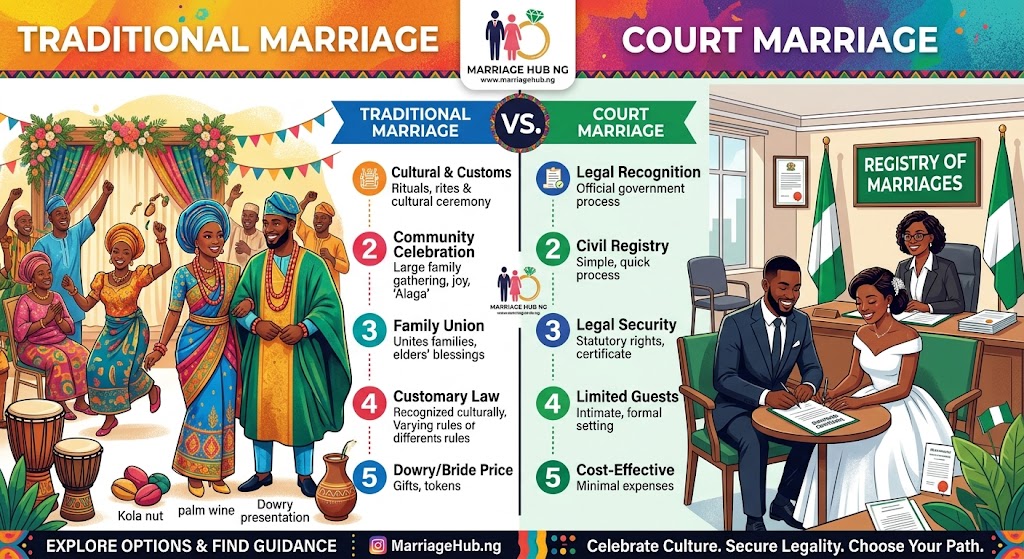
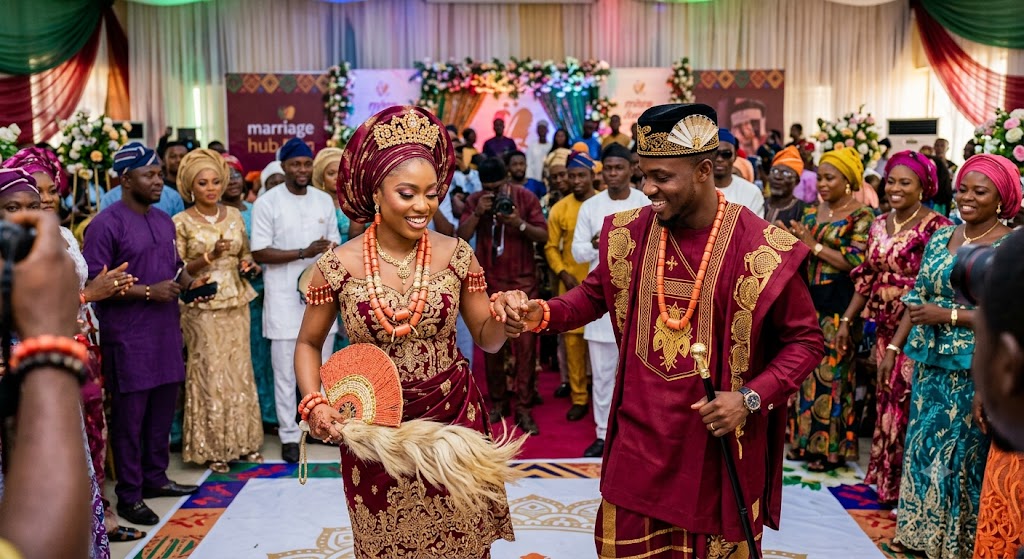
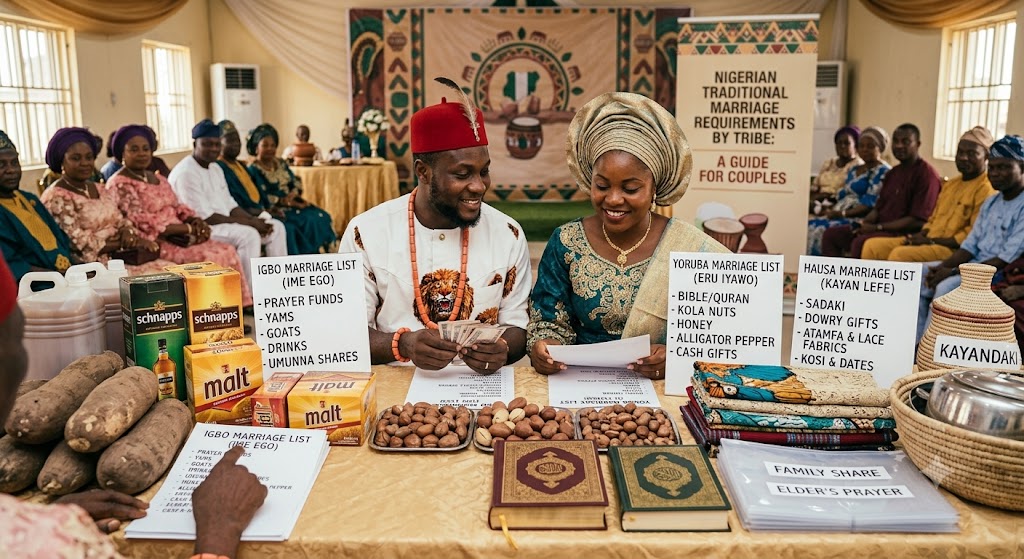


.jpg)

Sign in to comment