 Nurturing Marriages, Enriching Families!
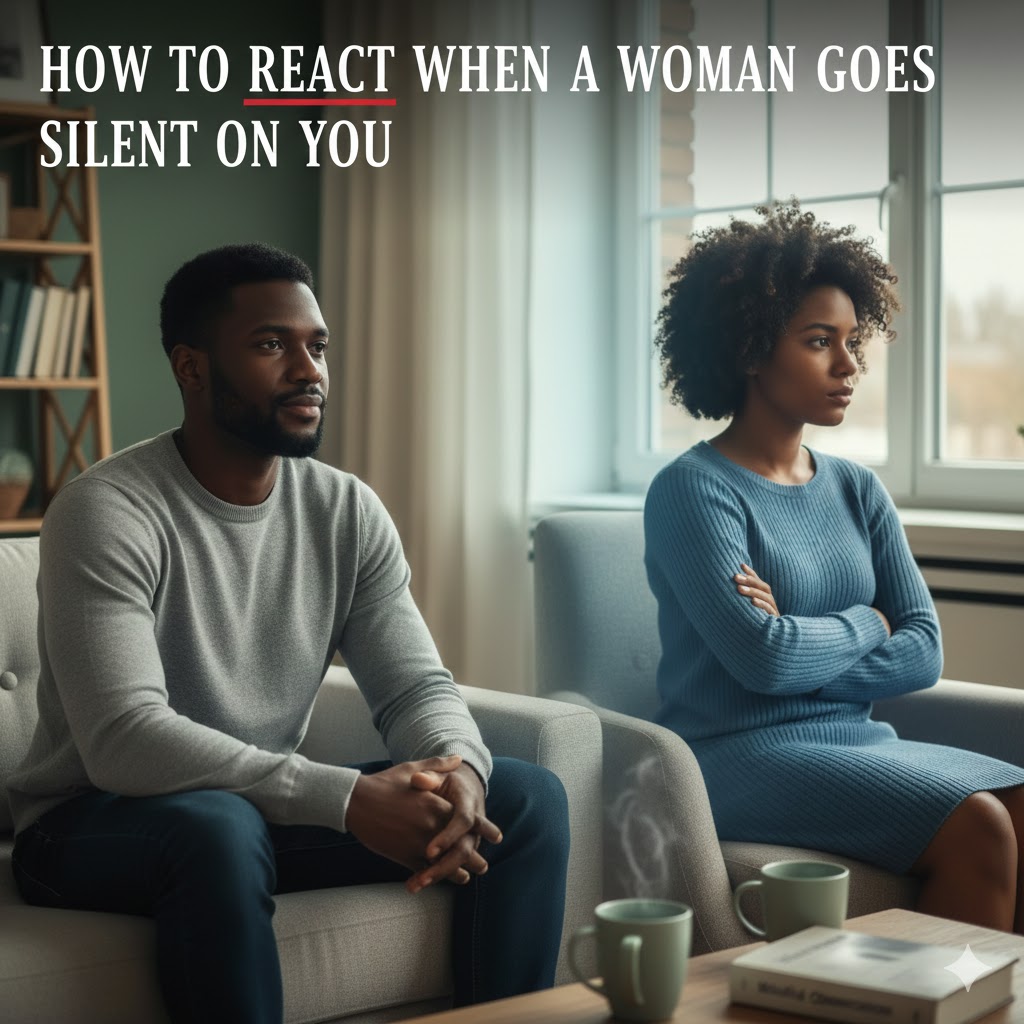
How to React When a Woman Goes Silent on You: A Calm and Confident Approach
When a woman suddenly goes silent—stops texting, becomes distant, or pulls away emotionally—it can trigger confusion, anxiety, and self-doubt. You may start replaying conversations in your head, wondering if you said something wrong or if she’s losing interest. The silence can feel louder than any argument.
Before reacting emotionally, it’s important to understand that silence doesn’t automatically mean rejection. Sometimes it reflects a need for space, emotional processing, or personal stress unrelated to you. How you handle this moment often determines whether the connection strengthens or fades.
Understanding why a woman goes silent is the first step toward responding maturely. In many cases, people withdraw when they feel overwhelmed. She might need time to sort through her thoughts or emotions before she can communicate clearly. Some individuals also avoid confrontation. If she is upset but uncomfortable addressing conflict directly, silence can become a temporary coping mechanism.
There are also moments when emotional distance reflects uncertainty. She may be evaluating her feelings, questioning compatibility, or deciding what she wants. In other cases, external stress—work demands, family issues, or personal struggles—can cause someone to retreat temporarily. Of course, there are situations where silence signals fading interest, but assuming that immediately can cause unnecessary damage.
Your first reaction matters more than the silence itself. The natural impulse is often to seek immediate reassurance. You might feel tempted to send multiple texts, call repeatedly, or demand an explanation. Acting on that impulse usually backfires. Over-pursuing can create pressure and make you appear insecure, even if your concern is genuine.
Instead of reacting impulsively, pause. Take a breath. Emotional control communicates confidence. When you show that you can tolerate uncertainty without spiraling, you demonstrate maturity and self-assurance.
If you have already sent a message and she hasn’t responded, resist the urge to double or triple text. Sending repeated follow-ups like “Are you okay?” or “Why are you ignoring me?” can unintentionally create tension. Silence sometimes requires patience rather than persistence. Giving her space to respond at her own pace shows respect for her autonomy.
Reflection is also important. Consider whether there was a recent disagreement or comment that may have affected her. Think about whether she mentioned feeling stressed or overwhelmed. Honest self-assessment is not about blaming yourself; it’s about being aware. If you realize you might have contributed to the issue, you can address it calmly when communication resumes.
Giving space does not mean disappearing indefinitely. There is a balance between respecting distance and abandoning the connection. If a short period passes without communication, allowing room is often wise. If the silence stretches for days, a gentle and composed message can reopen the door. Something simple and respectful that acknowledges the distance without accusation is usually best.
When she does respond, approach the conversation with openness rather than defensiveness. Avoid confrontational language that puts her on the defensive. Instead of questioning her behavior harshly, express what you’ve noticed and how it makes you feel. Calm, non-accusatory communication increases the likelihood of honest dialogue.
It’s also important to avoid playing emotional games. Responding to silence with silence as punishment, posting content to provoke jealousy, or pretending you no longer care may feel empowering in the moment, but it undermines trust. Healthy relationships are built on transparency, not strategic withdrawal.
At the same time, it’s essential to recognize the difference between healthy space and repeated disregard. If she consistently ignores messages without explanation or only communicates when it’s convenient for her, that pattern deserves attention. Respect flows both ways. A relationship cannot thrive when one person continually feels dismissed.
While navigating her silence, shift some of your focus back to yourself. When your emotional stability depends entirely on another person’s responsiveness, anxiety naturally increases. Investing time in friends, hobbies, fitness, and personal goals helps restore balance. Confidence grows when your life remains full and meaningful, regardless of someone else’s immediate attention.
You should also prepare yourself for any possible outcome. Sometimes silence resolves naturally once emotions settle. Sometimes it leads to deeper conversations about needs and expectations. And occasionally, it reveals incompatibility. If she expresses that her feelings have changed, accepting that reality with dignity protects your self-respect. Chasing someone who has emotionally checked out rarely produces healthy results.
There are certain reactions that almost always make matters worse. Angry messages, accusations, emotional ultimatums, or desperate pleas tend to escalate tension rather than resolve it. Monitoring her social media obsessively or confronting her about online activity can also damage trust. When emotions are high, restraint is powerful.
In some situations, recurring silence may point to deeper communication challenges. If silence follows conflict repeatedly, it might signal unresolved resentment or an avoidance pattern. Addressing communication styles openly can prevent the silent treatment from becoming habitual. Emotional safety is created when both partners feel heard without fear of criticism or dismissal.
Creating a relationship where silence is not weaponized requires intentional effort from both sides. Open conversations about expectations, boundaries, and emotional needs build clarity. When partners feel safe expressing frustration or vulnerability, they are less likely to withdraw without explanation.
However, it’s also important to acknowledge that you cannot force someone to communicate if they are unwilling. If silence becomes a manipulative tactic or a recurring pattern that leaves you feeling anxious and undervalued, stepping back may be necessary. Mutual respect and accountability are foundational to any healthy connection. Without them, emotional strain accumulates.
Ultimately, how you react when a woman goes silent says more about you than about her. Choosing calm over chaos, patience over panic, and clarity over confrontation demonstrates emotional intelligence. Silence can be uncomfortable, but it can also reveal important truths about compatibility, communication, and emotional maturity.
Rather than trying to control her response, focus on controlling your own. Respond with steadiness. Communicate with respect. Maintain your self-worth. Whether the silence leads to reconnection or closure, handling it with confidence ensures that you emerge stronger and more self-assured.










.jpg)


Sign in to comment