 Nurturing Marriages, Enriching Families!

How to Set Expectations for a Second Marriage: A Complete Guide
Entering a second marriage can be both exciting and challenging. Unlike a first marriage, you bring experiences, lessons, and sometimes emotional baggage that can influence how you approach your new relationship. One of the most important factors for a successful second marriage is setting clear expectations from the start. Doing so can prevent misunderstandings, reduce conflicts, and foster a healthy, lasting partnership.
In this guide, we’ll discuss how to set expectations for a second marriage, covering emotional readiness, communication strategies, financial discussions, family dynamics, and practical tips to build a strong foundation.
Why Setting Expectations Matters in a Second Marriage
A second marriage often comes with added complexities. You may have children, blended families, or past experiences that influence your perspective. Setting expectations is essential because it:
-
Ensures both partners understand each other’s needs and boundaries
-
Reduces surprises and conflicts down the line
-
Helps align goals and values for a shared future
-
Builds trust and emotional security
-
Creates a roadmap for navigating challenges unique to second marriages
Without clear expectations, even a loving relationship can face unnecessary tension and misunderstandings.
Step 1: Reflect on Your Past Experiences
Before entering a second marriage, take time to reflect on your first marriage. Ask yourself:
-
What lessons did I learn from my previous relationship?
-
What expectations are non-negotiable for me now?
-
Are there unresolved emotional issues I need to address?
-
How has my perspective on marriage evolved?
Reflection helps you approach your second marriage with clarity and maturity, rather than repeating past mistakes.
Step 2: Discuss Emotional Readiness
Being emotionally ready is crucial for a successful second marriage. Both partners should feel secure and open to building a new life together. Key considerations include:
-
Healing from past heartbreak or resentment
-
Being open to trust and vulnerability
-
Understanding that a second marriage is a new start, not a continuation of the first
-
Acknowledging any emotional triggers that may arise
Having open conversations about emotional readiness creates a foundation of mutual understanding and empathy.
Step 3: Align Your Goals and Values
Before committing to a second marriage, it’s important to align on long-term goals and values. Discuss topics such as:
-
Career aspirations and work-life balance
-
Family planning or parenting approaches
-
Religious or spiritual beliefs
-
Lifestyle preferences (finances, household routines, social activities)
-
Views on intimacy, communication, and conflict resolution
Alignment doesn’t mean agreeing on everything, but it ensures both partners have a shared vision for the future.
Step 4: Set Financial Expectations
Financial disagreements are one of the leading causes of marital conflict, and second marriages often involve added complexities like child support, alimony, or previous debts. To set expectations:
-
Discuss budgeting, saving, and spending habits
-
Clarify financial responsibilities and contributions
-
Plan for joint expenses and separate accounts if preferred
-
Address inheritance, property, and previous financial commitments
Transparency about money early in the marriage reduces stress and fosters trust.
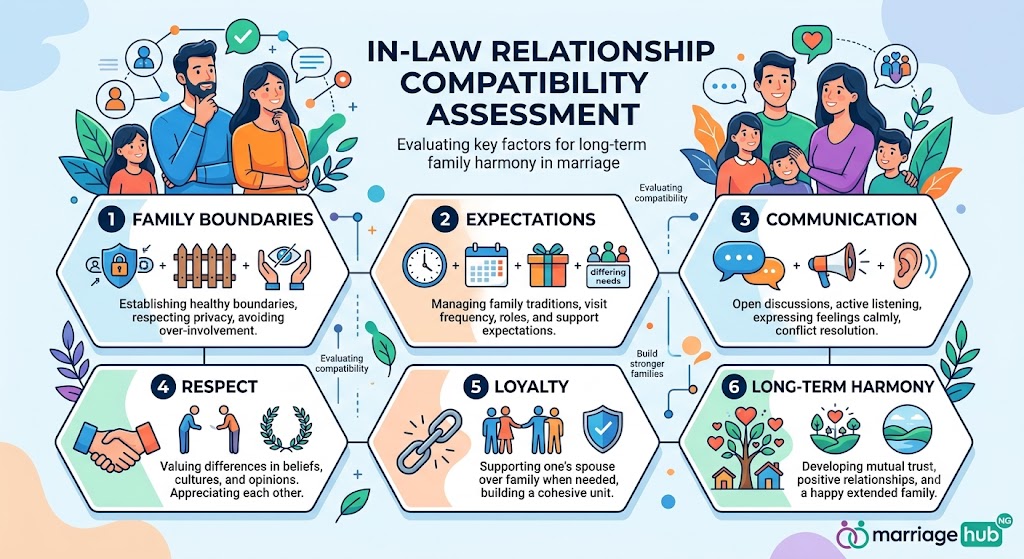
Step 5: Navigate Family Dynamics
Second marriages often involve blending families, which can be challenging. Clear expectations can help:
-
Set boundaries with children from previous marriages
-
Establish guidelines for parenting responsibilities
-
Determine how extended family members will be involved
-
Discuss holidays, traditions, and visitation schedules
Healthy communication and compromise are key to creating a cohesive family unit.
Step 6: Define Roles and Responsibilities
Second marriages benefit from clear definitions of roles and responsibilities. This includes:
-
Household chores and daily routines
-
Emotional support and quality time
-
Decision-making processes
-
Career and personal time balance
Discussing roles prevents assumptions, resentment, and misunderstandings.
Step 7: Talk About Communication Styles
Communication is the backbone of a strong marriage. Set expectations about:
-
How to handle disagreements
-
Frequency and style of communication
-
Emotional check-ins and sharing feelings
-
Conflict resolution methods
Healthy communication ensures both partners feel heard, valued, and supported.
Step 8: Be Honest About Dealbreakers
It’s essential to address dealbreakers early in the relationship to avoid future conflict. Examples include:
-
Infidelity or trust issues
-
Addiction or substance abuse
-
Parenting disagreements
-
Lifestyle incompatibilities
Being upfront about non-negotiable boundaries prevents misunderstandings and ensures compatibility.
Step 9: Maintain Individuality
While marriage is about partnership, maintaining individuality is equally important. Set expectations regarding:
-
Personal time and hobbies
-
Social activities with friends
-
Career and educational pursuits
-
Personal growth and self-care
Balancing togetherness and independence strengthens the relationship.
Step 10: Revisit Expectations Regularly
Expectations are not static; they evolve as the marriage grows. Schedule regular check-ins to discuss:
-
Changes in priorities or goals
-
Adjustments in family dynamics
-
Shifts in financial or career situations
-
Emotional well-being and relationship satisfaction
Regular revisiting of expectations ensures that both partners remain aligned and committed to a healthy, fulfilling marriage.
Tips for Successfully Setting Expectations
-
Be clear and specific: Avoid vague statements; articulate your needs precisely.
-
Listen actively: Pay attention to your partner’s expectations and concerns.
-
Use “I” statements: Express your feelings without sounding accusatory.
-
Compromise where possible: Balance flexibility with your core values.
-
Document agreements if needed: Especially useful for financial or parenting arrangements.
Common Challenges in Second Marriages
Even with expectations set, second marriages can face unique challenges:
-
Blended family tensions
-
Lingering trust issues
-
Comparing the current partner to a previous spouse
-
Emotional baggage from past relationships
-
Social stigma or external pressures
Awareness of these challenges allows couples to proactively address them.
Final Thoughts
Setting expectations for a second marriage is not about creating rigid rules—it’s about fostering mutual understanding, respect, and open communication. By reflecting on your past, aligning goals, discussing finances, navigating family dynamics, and maintaining individuality, you create a strong foundation for a successful marriage.
A second marriage offers a unique opportunity to approach love with experience, wisdom, and maturity. Clear expectations ensure that both partners enter this new chapter with clarity, trust, and a shared vision for the future.
When done correctly, setting expectations in a second marriage enhances intimacy, reduces conflict, and allows both partners to thrive as individuals and as a couple.








.jpg)



Sign in to comment