 Nurturing Marriages, Enriching Families!
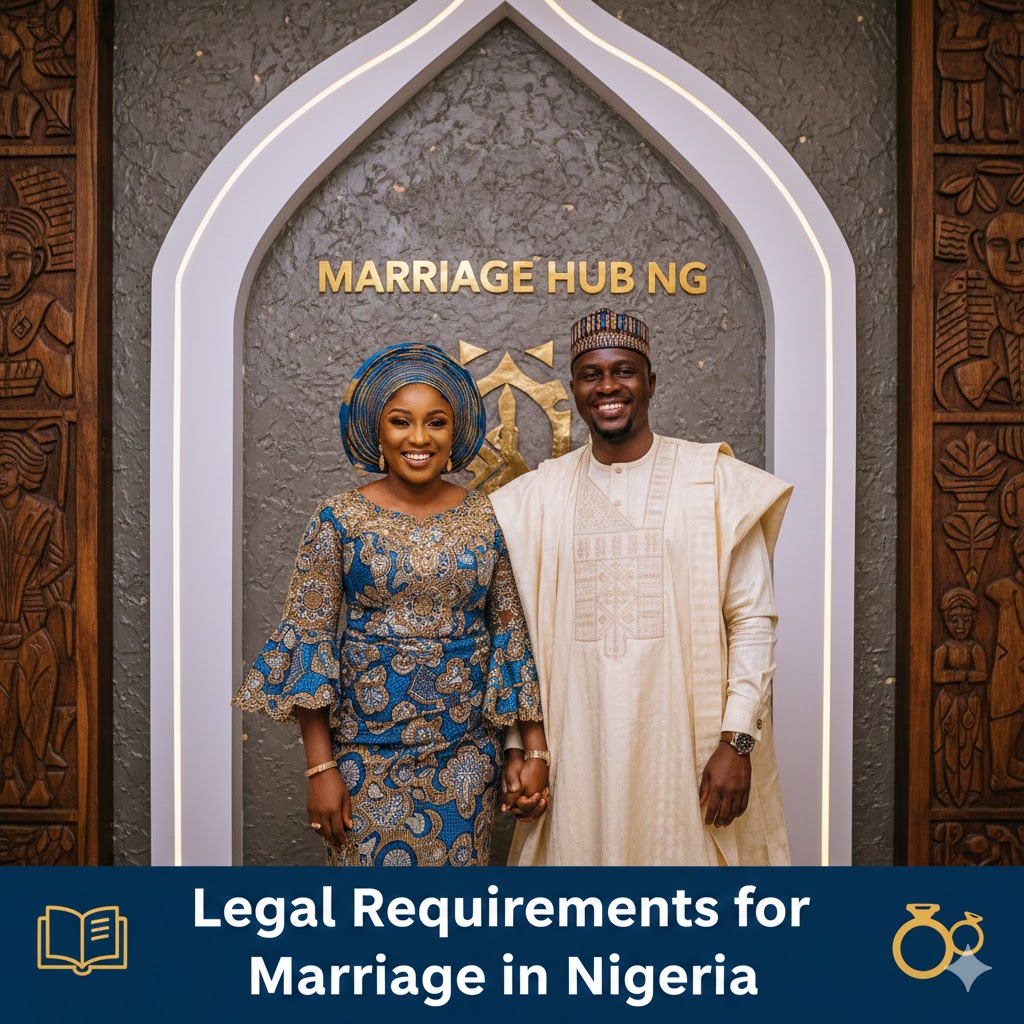
Legal Requirements for Marriage in Nigeria
Marriage is a significant milestone in life, representing love, commitment, and the beginning of a shared journey. In Nigeria, getting married is not only a personal or cultural affair—it is also a legal process that requires compliance with specific laws and regulations. Understanding the legal requirements for marriage in Nigeria ensures that your union is recognized by the state, protects your rights, and prevents complications in the future.
This article explores the legal framework governing marriages in Nigeria, including statutory marriages, customary marriages, and religious marriages. We also provide step-by-step guidance on the documentation, procedures, and conditions needed to enter a legally valid marriage in Nigeria.
Types of Marriage Recognized by Law in Nigeria
Nigeria recognizes three main types of marriage, each with distinct legal requirements:
1. Statutory Marriage
Statutory marriage, also called civil marriage, is regulated by the Marriage Act. This type of marriage is conducted under government authority and is legally recognized throughout Nigeria. Key features include:
-
Conducted at a Marriage Registry
-
Requires official documentation and legal procedures
-
Governed by state and federal laws
2. Customary Marriage
Customary marriage follows the traditions and customs of a particular ethnic group. These marriages are recognized by law under the Marriage Act (as amended), provided they meet the requirements of the custom and do not contravene national laws. Key features include:
-
Observes local cultural practices
-
Often involves traditional ceremonies and family negotiations
-
Must be registered with the government to receive full legal recognition
3. Religious Marriage
Religious marriages are performed according to the doctrines of a particular faith, such as Christian, Muslim, or other religious groups. Religious marriages in Nigeria may include:
-
Church weddings for Christian couples
-
Islamic weddings (Nikah) for Muslim couples
-
Traditional religious rites integrated into customary practices
For legal recognition, religious marriages should comply with statutory requirements or be registered with the appropriate government authorities.
Legal Requirements for Marriage in Nigeria
1. Age Requirement
The legal age for marriage in Nigeria depends on the type of marriage and state regulations:
-
Statutory marriage: Minimum age is 18 years for both men and women
-
Customary marriage: Age requirements may vary depending on cultural practices, but child marriages are increasingly discouraged by law
Couples under the minimum age must obtain parental consent and, in some cases, judicial approval.
2. Marital Status
Individuals intending to marry must be single, divorced, or widowed. Polygamous arrangements are recognized under customary and Islamic law but not under statutory law, which only allows monogamous marriages.
3. Capacity to Marry
The Marriage Act requires that both parties:
-
Understand the nature of marriage
-
Consent freely and voluntarily
-
Are not closely related by blood (prohibited degrees of consanguinity)
Legal capacity ensures that the marriage is valid and not subject to annulment.
4. Notice of Marriage
For statutory marriages, couples must give notice of marriage at the Marriage Registry. Key details include:
-
Submission of personal information and marital intentions
-
Display of a Notice of Marriage for a specified period (usually 21 days)
-
Opportunity for objections, ensuring that there are no legal impediments
5. Marriage License
A marriage license is issued after the notice period, confirming that all legal requirements have been met. The license allows the couple to have a legally recognized marriage ceremony at the registry.
6. Documentation Required
To marry legally in Nigeria, couples must provide specific documents, including:
-
Birth certificates or age declaration to verify age
-
Identification cards or passports for proof of identity
-
Divorce or death certificates if previously married
-
Parental consent for underage couples (if applicable)
-
Passport photographs for registry records
Proper documentation ensures compliance with the Marriage Act and protects the couple’s legal rights.
7. Marriage Ceremony
The marriage ceremony must be conducted according to the type of marriage:
-
Statutory Marriage: Conducted at the Marriage Registry before a registrar and witnesses. Both parties declare consent, and the marriage is officially recorded.
-
Customary Marriage: Involves traditional rites, including negotiations between families, payment of bride price (if applicable), and celebration of cultural ceremonies.
-
Religious Marriage: Performed by authorized religious officials, often following statutory requirements for legal recognition.
8. Registration of Marriage
To ensure legal recognition, marriages in Nigeria must be registered. Registration provides:
-
Official proof of marriage
-
Legal protection of spousal rights, including property and inheritance
-
Documentation for changing names, insurance, or legal transactions
Failure to register a marriage may lead to complications in matters of inheritance, divorce, or marital disputes.
9. Objections and Legal Impediments
During the notice period, objections can be raised by individuals who have valid reasons to challenge the marriage. Common impediments include:
-
One party is already married under statutory law
-
Close blood relationship (incestuous marriage)
-
Lack of consent or mental incapacity
The registrar or court investigates objections to ensure that all legal requirements are met before the marriage is solemnized.
10. Polygamy and Monogamy Regulations
-
Statutory Marriage: Monogamous only; marrying multiple spouses is prohibited.
-
Customary and Islamic Marriage: Polygamous marriages are recognized but must comply with traditional and religious laws.
Couples must understand the legal framework of their chosen marriage type to avoid conflicts and ensure compliance.
Tips for Couples Preparing for Legal Marriage in Nigeria
-
Verify Documents Early: Ensure birth certificates, identification, and divorce/death certificates are valid and available.
-
Understand Marriage Type: Decide whether statutory, customary, or religious marriage best fits your situation.
-
Plan the Notice Period: Submit notice early to allow for objections and proper scheduling.
-
Seek Legal Advice if Needed: Consulting a lawyer can help navigate complex situations, such as polygamy, previous marriages, or underage marriage.
-
Register the Marriage: Always register the marriage with the relevant authority to secure legal recognition and protection.
-
Align Religious and Legal Requirements: Ensure religious ceremonies comply with statutory regulations for full legal recognition.
Benefits of Complying with Legal Marriage Requirements
Following legal requirements in Nigeria offers several benefits:
-
Legal Protection: Safeguards property rights, inheritance rights, and marital claims
-
Recognition Nationwide: Ensures marriage is valid across all Nigerian states
-
Protection of Children: Legally recognized marriages protect the rights of children born within the union
-
Peace of Mind: Couples can enjoy their marriage without fear of legal disputes
-
Ease in Financial and Legal Transactions: Facilitates joint banking, insurance, and official documentation
Common Mistakes to Avoid
-
Failing to Register: Unregistered marriages may not be recognized in courts or for official purposes.
-
Ignoring Documentation Requirements: Missing or invalid documents can delay or invalidate marriage.
-
Overlooking Legal Impediments: Not checking for prior marriages or blood relations can lead to annulment.
-
Misunderstanding Polygamy Laws: Couples may unintentionally violate legal limits under statutory law.
-
Neglecting Parental Consent: Underage marriages without consent can be challenged in court.
Being aware of these pitfalls ensures a smooth and legally compliant marriage process.
Final Thoughts
Marriage in Nigeria is a sacred and legal institution that requires compliance with statutory, customary, and religious laws. Understanding the legal requirements protects your rights, strengthens the marriage, and ensures that the union is recognized by the state.
Couples should prioritize legal registration, proper documentation, and adherence to statutory procedures while respecting cultural and religious traditions. Legal compliance is not merely a bureaucratic step—it provides a foundation for a secure, harmonious, and fulfilling marriage.
By preparing adequately and understanding the laws, couples can focus on building a strong partnership based on love, trust, and mutual respect.
Join the MarriageHub Community
You don’t have to navigate marriage preparation alone. MarriageHub provides resources, support, and communities to help couples understand legal, emotional, and relational aspects of marriage.
👉 Join groups or tribes here: https://www.marriagehub.ng/all-groups
👉 Create your own relationship group or tribe here: https://www.marriagehub.ng/create-tribes-group
You can also explore helpful products, services, and downloadable resources designed to strengthen marriages in our marketplace:









.jpg)




Sign in to comment