 Nurturing Marriages, Enriching Families!
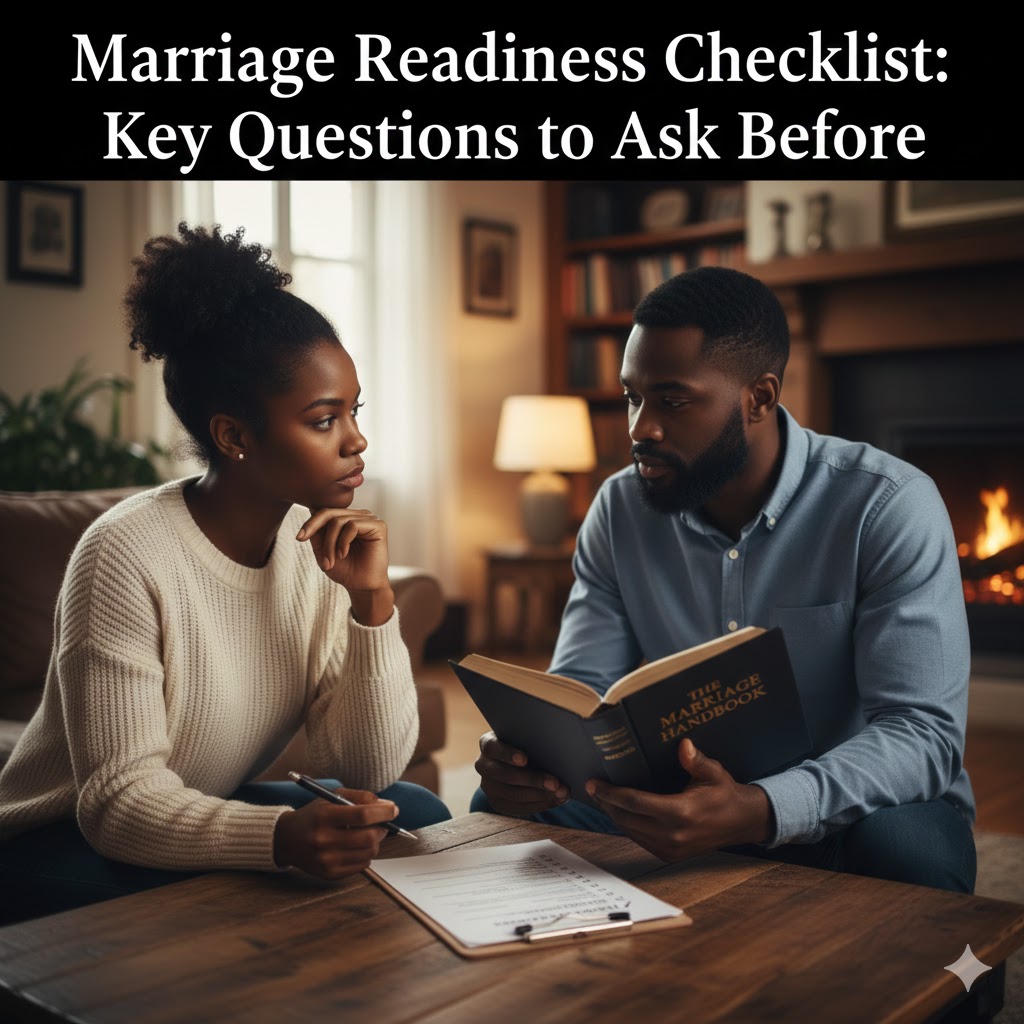
Marriage Readiness Checklist: Key Questions to Ask Before Saying “I Do”
Marriage is one of life’s most significant commitments. While love is the foundation, long-term success requires much more than chemistry and attraction. Couples who thrive in marriage usually enter it with clarity, emotional maturity, and shared expectations. That’s why a marriage readiness checklist is essential before walking down the aisle.
Preparing for marriage is not about doubting your relationship. It’s about strengthening it. Asking the right questions early can prevent misunderstandings, reduce conflict, and build a deeper connection. Whether you’re newly engaged or seriously dating, this guide will help you evaluate your readiness for a lifelong partnership.
Why a Marriage Readiness Checklist Matters
Marriage blends two lives into one shared journey. Finances, family traditions, communication styles, personal goals, and values all intersect. When couples fail to discuss important topics beforehand, assumptions take over. Assumptions often lead to disappointment.
Research from institutions like American Psychological Association consistently shows that communication, financial stress, and unmet expectations are leading causes of marital conflict. Having honest conversations before marriage allows couples to align their visions and prepare for challenges.
Marriage readiness is not about perfection. It’s about awareness, growth, and willingness to work as a team.
Emotional Readiness: Are You Both Mature Enough?
One of the most critical aspects of marriage readiness is emotional maturity. Ask yourself whether you can handle disagreements without shutting down or exploding in anger. Can you apologize sincerely? Can you forgive?
Emotional readiness also involves self-awareness. Do you understand your triggers, attachment style, and communication patterns? Marriage amplifies personality traits. If you struggle with jealousy, avoidance, or control issues now, those patterns may intensify later.
Ask your partner meaningful questions about conflict resolution. How do they respond when stressed? Do they prefer space or discussion? Understanding each other’s emotional wiring prevents misunderstandings.
Marriage is not about finding someone to complete you. It’s about choosing someone to grow with.
Communication: Can You Talk About Difficult Topics?
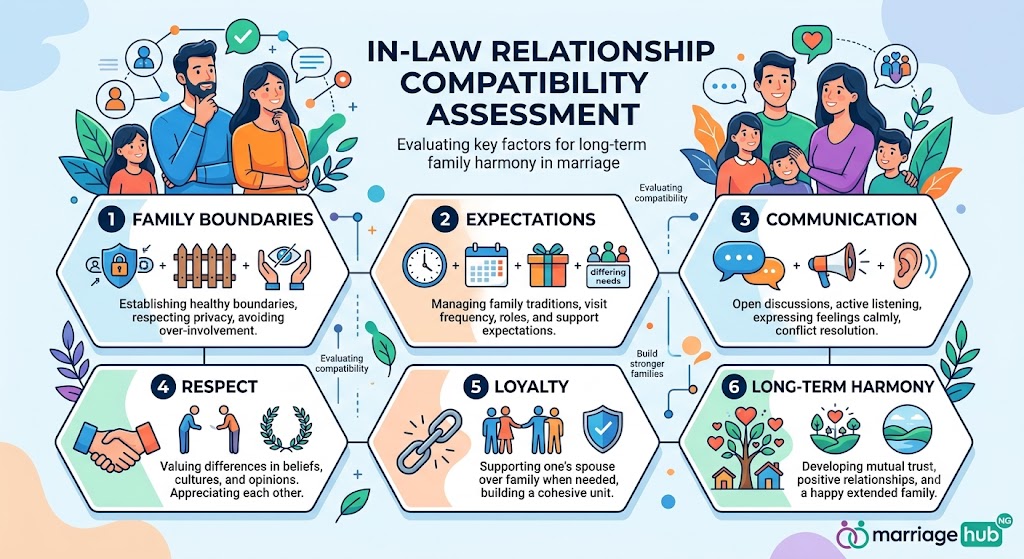
Healthy communication is the backbone of a strong marriage. Before committing, ask whether you can discuss uncomfortable subjects openly. Topics like finances, intimacy, career ambitions, and in-laws must be addressed honestly.
If one partner avoids difficult conversations, resentment can build. On the other hand, if both partners feel safe expressing opinions without fear of ridicule or dismissal, trust deepens.
Consider how you handle disagreements. Do arguments escalate quickly? Or do you both seek resolution? A marriage readiness checklist should include evaluating whether your communication style supports problem-solving rather than blame.
Couples who practice active listening and empathy are better prepared for long-term partnership.
Financial Compatibility: Are You on the Same Page?
Money is one of the most common sources of marital stress. Before marriage, discuss income, debt, spending habits, savings goals, and financial expectations. Transparency is essential.
Ask questions such as: How will we manage bank accounts? Do we share everything or keep some finances separate? What are our long-term financial goals?
Financial compatibility does not mean identical earning power. It means shared priorities and mutual respect. Whether one partner earns more or both contribute equally, teamwork matters more than numbers.
Avoid assuming your partner shares your financial philosophy. Clear agreements reduce future tension.
Family Values and Future Plans
Marriage often involves more than just two people. Family dynamics, cultural traditions, and expectations can significantly influence your relationship.
Discuss how involved extended family will be in your lives. How will holidays be spent? How will you handle disagreements involving relatives?
If children are part of your vision, talk about parenting styles, discipline, education, and timelines. If one partner wants children and the other does not, this issue must be addressed before marriage.
Shared values about family, faith, lifestyle, and long-term goals create stability. Differences can be managed, but alignment in core principles makes the journey smoother.
Career and Personal Growth
Career aspirations play a major role in marital satisfaction. Are you both supportive of each other’s ambitions? What happens if one partner needs to relocate for work?
Discuss expectations regarding work-life balance. Will one partner stay home if children arrive? How will responsibilities be divided?
Marriage should support individual growth, not limit it. Partners who encourage each other’s dreams build stronger bonds.
It’s also wise to discuss how you handle major life changes. Economic downturns, job loss, or career shifts can test resilience. A readiness checklist should include discussing how you plan to navigate uncertainty together.
Conflict Resolution: Do You Fight Fair?
Every couple argues. What matters is how you argue. Healthy conflict involves respect, active listening, and compromise. Unhealthy conflict includes insults, stonewalling, or bringing up past grievances repeatedly.
Ask yourselves whether you can disagree without threatening the relationship. Do you avoid saying hurtful things in the heat of the moment? Are you willing to seek counseling if needed?
Some couples benefit from premarital counseling programs offered by organizations such as Focus on the Family or similar relationship-focused institutions. These programs provide tools to strengthen communication and address potential weak spots before marriage.
Seeking guidance is not a sign of trouble. It is a proactive investment in your future.
Intimacy and Expectations
Physical and emotional intimacy are essential components of marriage. Discuss your expectations around affection, frequency, and boundaries.
Intimacy is not limited to physical connection. Emotional closeness, quality time, and shared experiences matter just as much. Couples who understand each other’s love languages tend to feel more fulfilled.
If there are mismatched expectations, address them openly. Ignoring differences may create frustration later.
Marriage requires ongoing effort to maintain closeness. Entering it with realistic expectations prevents disappointment.
Independence and Togetherness
Healthy marriages balance individuality and partnership. Ask whether you both maintain personal interests and friendships outside the relationship.
Over-dependence can create pressure, while excessive independence may create distance. The goal is interdependence—a dynamic where both partners are self-sufficient yet deeply connected.
A marriage readiness checklist should include evaluating whether you can support each other’s independence without insecurity.
Handling Stress and Crisis
Life is unpredictable. Illness, financial hardship, and unexpected loss are part of the human experience. Ask yourselves how you respond under pressure.
Do you unite as a team, or do you blame each other? Emotional resilience is critical. Marriage readiness includes the willingness to face hardship together.
Couples who cultivate patience, empathy, and shared problem-solving skills are better prepared for adversity.
Spiritual or Core Beliefs Alignment
For many couples, shared spiritual or philosophical beliefs influence daily decisions and long-term goals. If faith or worldview plays a central role in your life, ensure alignment or at least mutual respect.
Differences in belief systems can be navigated successfully if both partners approach them with openness rather than coercion.
Core values shape priorities, parenting, finances, and lifestyle. Discussing them early strengthens understanding.
Final Thoughts: Are You Choosing Each Other Daily?
Marriage readiness is not about checking boxes. It is about asking whether you are prepared to choose each other consistently, even when circumstances are challenging.
Love may bring you together, but commitment keeps you together. Honest conversations today can prevent painful misunderstandings tomorrow.
Before saying “I do,” take time to reflect, discuss, and prepare. A strong marriage begins long before the wedding day. When two emotionally mature individuals commit with clarity, intention, and shared purpose, they build a foundation capable of lasting a lifetime.





.jpg)
Sign in to comment