 Nurturing Marriages, Enriching Families!
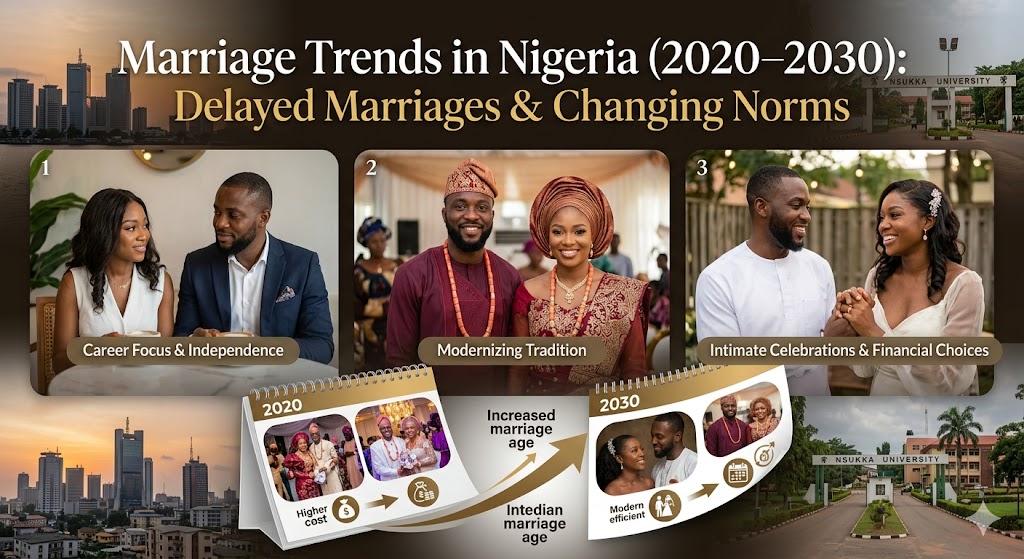
Marriage Trends in Nigeria (2020–2030): Delayed Marriages & Changing Norms
Nigeria’s marriage landscape is undergoing a quiet but profound transformation. Between 2020 and 2030, patterns that once seemed fixed—early marriage, strong family control over partner choice, and clearly defined gender roles—are being reworked by economic realities, education, urbanization, and digital culture. One of the most visible shifts is the steady rise in delayed marriages, particularly among young people in cities. At the same time, norms around relationships, partner selection, wedding expectations, and family life are evolving.
This article examines the key trends shaping marriage in Nigeria from 2020 to 2030, combining available data, grounded observations, and real-life insights to explain what is changing, why it is happening, and what it means for individuals and society.
From Early Marriage to Delayed Union: A Changing Timeline
For decades, marriage in Nigeria happened relatively early. In many communities, especially for women, marrying between ages 17 and 22 was common. Men often married in their mid-twenties. Marriage was not just a personal milestone; it was a social expectation tied to adulthood, family honor, and cultural continuity.
Since 2020, however, there has been a clear shift. Across southern Nigeria and urban centers, the average age at first marriage is rising. It is now increasingly common to find women marrying in their late twenties or early thirties, while many men delay marriage until their early to mid-thirties.
This shift aligns with broader global trends, but Nigeria’s case is shaped by specific local realities. Economic uncertainty, rising costs of living, and increasing access to education are among the strongest forces driving this change.
Economic Pressures and the Cost of Marriage
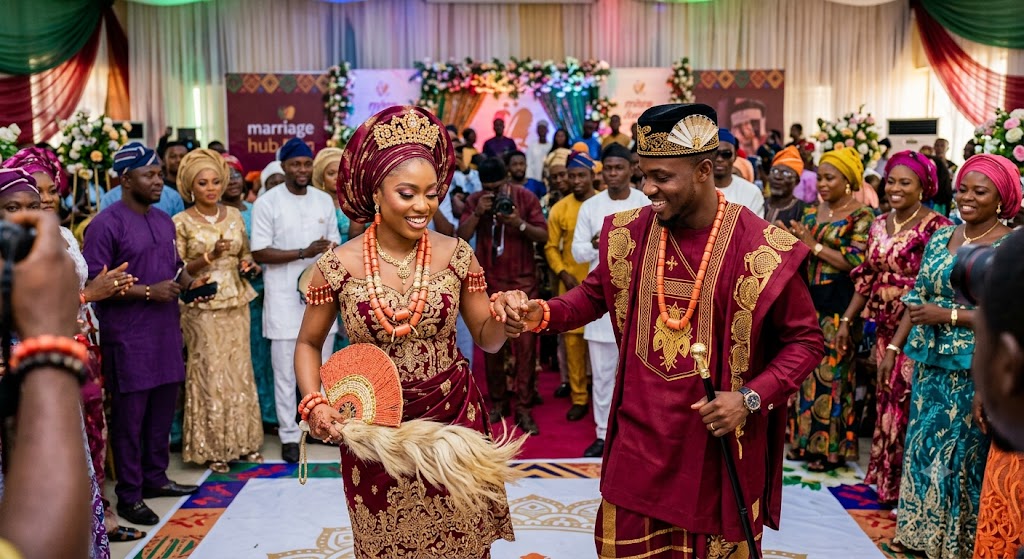
One of the most powerful drivers of delayed marriage in Nigeria is economic pressure. The cost of getting married has increased significantly, especially in urban areas. Weddings have become more elaborate, often involving multiple ceremonies—traditional, white wedding, and receptions—each with its own expenses.
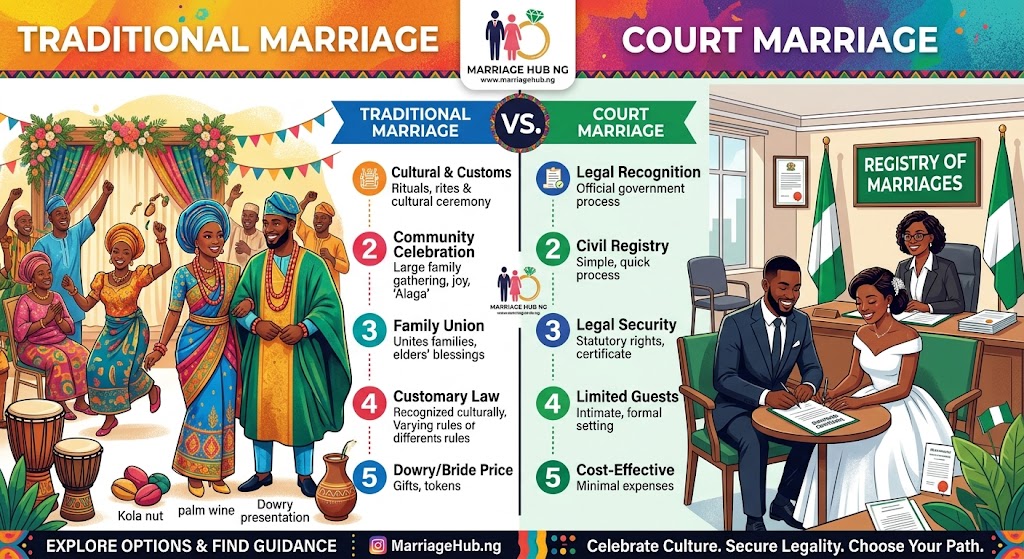
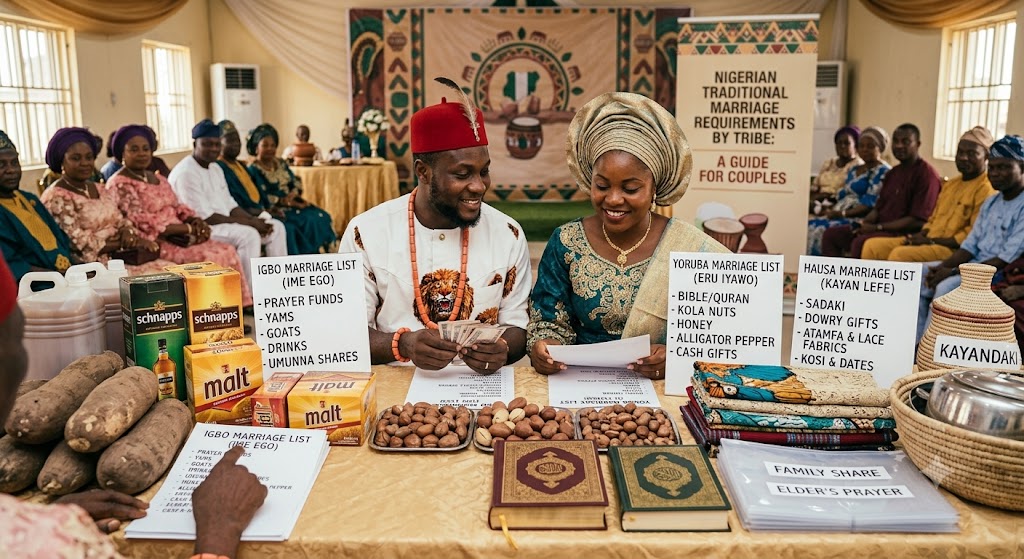
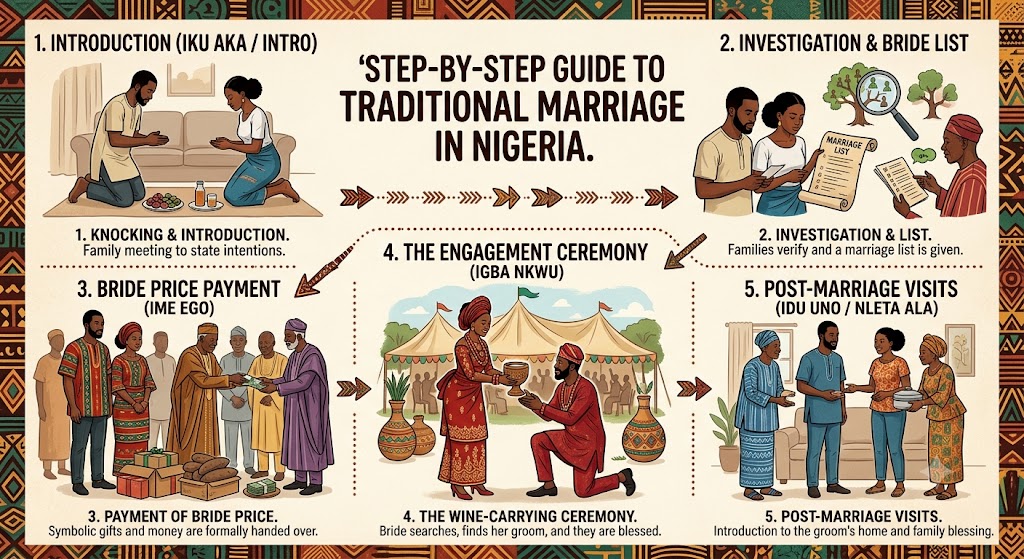
Beyond the wedding itself, there are ongoing financial expectations. Many families expect the groom to demonstrate financial readiness through bride price payments, gifts, and the ability to provide housing. In cities like Lagos and Abuja, rent alone can consume a large portion of a young professional’s income.
Inflation between 2020 and 2024 has further strained household finances, with food prices, transportation costs, and utility expenses rising sharply. For many young Nigerians, marriage is postponed not because they do not value it, but because they do not feel financially prepared.
A 31-year-old entrepreneur in Aba captures this reality: he explains that while he intends to marry, he wants to first stabilize his business and secure a steady income. For him, marriage is tied to responsibility, and he does not want to enter it under financial pressure.
Education and Career: Redefining Priorities
Education has become a central factor in shaping marriage trends. Over the past decade, more Nigerians—especially women—have pursued higher education and professional careers. This has naturally extended the timeline for marriage.
A typical pathway for many young Nigerians now includes university education, followed by the National Youth Service Corps (NYSC), and then several years of job searching or career development. By the time individuals feel established, they are often in their late twenties.
For women, this shift is particularly significant. Increasing financial independence has changed the dynamics of relationships and reduced the urgency to marry early. A 29-year-old banker in Enugu notes that she prefers to focus on career growth and personal development before considering marriage. She believes that entering marriage from a position of stability allows for a healthier partnership.
Urbanization and Lifestyle Changes
Urbanization has accelerated changes in marriage norms. Cities like Lagos, Abuja, Port Harcourt, and Onitsha expose individuals to diverse lifestyles and perspectives. Urban living promotes independence and offers opportunities for personal growth, but it also comes with higher living costs.
In urban settings, young people often prioritize career advancement, lifestyle, and self-discovery. Social networks are broader, and exposure to different relationship models is greater. This environment encourages individuals to take their time in choosing partners rather than rushing into marriage.
At the same time, urban life can be demanding. Long working hours, traffic, and financial stress leave less time and energy for building relationships. These factors contribute to delayed marriages and changing expectations around partnership.
Digital Culture and the Influence of Social Media
Between 2020 and 2030, digital platforms have become a major influence on relationships and marriage. Social media has transformed how people meet, interact, and evaluate potential partners.
On one hand, platforms like Instagram, Facebook, and X (formerly Twitter) have made it easier to connect with others and expand social circles. Online dating has also become more common, especially among urban youth.
On the other hand, social media has created unrealistic expectations. Many users are exposed to curated images of “perfect” relationships and luxury weddings. This can lead to comparison and dissatisfaction, making individuals more selective and, in some cases, more hesitant to commit.
A young professional in Lagos explains that social media has raised expectations for what a relationship should look like. He admits that this has made him more cautious, as he wants to ensure he is making the right choice.
Changing Gender Roles and Relationship Dynamics
Traditional gender roles in Nigeria are evolving. Women are increasingly participating in the workforce and contributing financially to households. Men, in turn, are navigating new expectations around partnership and shared responsibilities.
These changes have introduced both opportunities and challenges. While they allow for more balanced relationships, they also require negotiation and alignment between partners. Differences in expectations can delay marriage as individuals take time to find compatible partners.
A couple in Abuja shares their experience of navigating these changes. Both partners have demanding careers and value independence. They delayed marriage until they felt confident they could balance their professional goals with family life. Their decision reflects a broader trend of intentional and negotiated relationships.
Fear of Divorce and the Desire for Stability
Another factor influencing marriage trends is the growing awareness of marital challenges. Stories of divorce, infidelity, and domestic conflict are more visible than ever, partly due to social media and increased openness in discussing personal experiences.
This awareness has made many young Nigerians cautious. Rather than rushing into marriage, they prefer to take their time to ensure compatibility and readiness. A 33-year-old man in Lagos notes that he has seen several marriages fail and wants to avoid making the same mistakes. For him, delaying marriage is a way of reducing risk.
Regional Differences in Marriage Trends
While delayed marriage is becoming more common, it is important to recognize regional variations. In northern Nigeria, early marriage remains prevalent, influenced by cultural and religious factors. In contrast, southern and urban regions are experiencing more significant shifts toward delayed marriage.
This diversity highlights the complexity of marriage trends in Nigeria. It also underscores the importance of context when discussing changes in norms and behaviors.
Implications for Individuals and Society
The rise of delayed marriage has several implications. On a positive note, individuals who marry later often do so with greater financial stability and emotional maturity. They are more likely to have established careers, clearer goals, and a better understanding of themselves and their partners.
However, delayed marriage also presents challenges. For women, the biological window for childbearing becomes a concern. There is also social pressure, as family members and communities continue to value early marriage. Individuals who remain single into their thirties may face questions and expectations that can be stressful.
Economically, changing marriage patterns are influencing consumption trends. Single individuals tend to spend more on personal development, travel, and lifestyle, while delaying investments related to family life. This shift is affecting industries such as housing, education, and consumer goods.
Culturally, the transformation of marriage norms reflects a broader shift toward individual choice. While this brings greater freedom, it also raises questions about how traditional values will evolve.
Looking Ahead: Marriage in Nigeria by 2030
As Nigeria approaches 2030, it is clear that marriage will continue to evolve. Delayed marriage is likely to become more common, especially in urban areas. At the same time, there will be ongoing tension between traditional expectations and modern realities.
The future of marriage in Nigeria will likely involve more intentional unions, where individuals prioritize compatibility, stability, and shared goals. Technology will continue to shape how people meet and interact, while economic conditions will influence when and how they choose to marry.
Marriage in Nigeria is no longer defined by a fixed timeline. Between 2020 and 2030, the institution is being reshaped by economic pressures, education, urbanization, and cultural change. Delayed marriage is not simply a trend; it is a reflection of a generation that is more informed, more independent, and more deliberate in its choices.
While the shift brings both opportunities and challenges, it ultimately points to a more thoughtful approach to relationships. As young Nigerians navigate these changes, they are redefining what it means to build a family in a rapidly changing society.
Join the MarriageHub Community
Looking to connect, learn, or grow in your relationship journey?
👉 Join groups/tribes: https://www.marriagehub.ng/all-groups
👉 Create your own group: https://www.marriagehub.ng/create-tribes-group
👉 Explore products, services & downloads: https://www.marriagehub.ng/marketplace
Follow Us
📱 WhatsApp: https://whatsapp.com/channel/0029VbCav9MCcW4pw3GSM72w
🐦 X (Twitter): https://x.com/MarriageHubNG
📘 Facebook: https://web.facebook.com/MarriageHubNigeria
📸 Instagram: https://www.instagram.com/marriagehubng3





.jpg)
Sign in to comment