 Nurturing Marriages, Enriching Families!
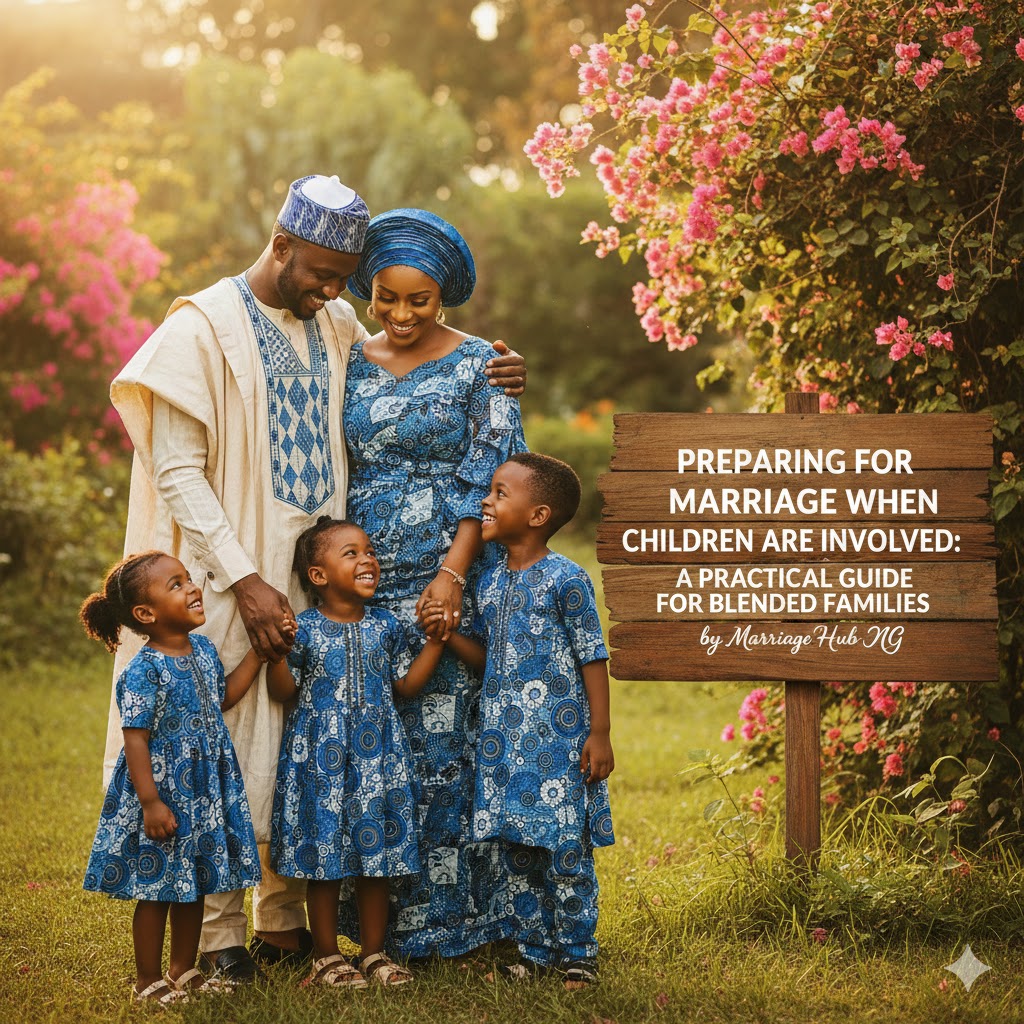
Preparing for Marriage When Children Are Involved: A Practical Guide for Blended Families in Nigeria
Marriage is a life-changing commitment, but when children are involved from previous relationships, the journey toward marriage becomes more complex. Across Nigeria today, many couples are entering relationships where one or both partners already have children due to previous marriages, widowhood, separation, or earlier relationships.
These relationships often lead to what is known as a blended family—a family structure where children from previous relationships become part of a new household.
While love may bring two people together, building a successful blended family requires careful preparation, honest conversations, and emotional maturity. Couples must consider not only their relationship but also how the marriage will affect the children involved.
In the Nigerian context, where family bonds, cultural expectations, and extended family involvement are strong, preparing properly before marriage is even more important.
This guide explores practical steps couples should take when preparing for marriage in blended family situations.
Understanding Blended Families in Nigeria
A blended family forms when partners with children from previous relationships marry or establish a new family unit.
This situation can arise in several ways:
-
A widow or widower remarrying
-
Divorcees entering new marriages
-
Single parents forming new relationships
-
Partners with children from previous relationships marrying
In Nigeria, blended families can face unique challenges due to:
-
Cultural expectations around lineage
-
Influence of extended families
-
Financial responsibilities toward children
-
Emotional adjustment of children
Despite these challenges, many Nigerian blended families thrive when couples prepare intentionally and communicate openly.
Why Preparation Is Critical When Children Are Involved
When couples marry without children, they mainly focus on building their relationship together.
However, when children are involved, the marriage affects several people at once.
Children may experience emotions such as:
-
Fear of losing their parent’s attention
-
Confusion about family roles
-
Loyalty conflicts between parents
-
Anxiety about new living arrangements
If couples do not prepare adequately, these emotions may lead to conflict within the family.
Preparation helps everyone transition more smoothly into the new family structure.
1. Have Honest Conversations About Parenting Roles
Before marriage, couples must discuss how parenting responsibilities will be handled.
Important questions include:
-
What role will the step-parent play in the child’s life?
-
Will the step-parent have authority to discipline the child?
-
Who will make major decisions about education and health?
In many Nigerian homes, parenting authority is strongly linked to biological relationships.
A step-parent may sometimes feel unsure about their role.
If expectations are unclear, misunderstandings can occur after marriage.
Discussing these issues early helps both partners understand their responsibilities.
2. Prepare Children Emotionally for the Marriage
Children should not feel surprised or excluded from major family changes.
When a relationship becomes serious, parents should gradually introduce the idea of marriage to their children.
This includes explaining:
-
Why the parent wants to remarry
-
What the new family structure may look like
-
That their place in the family will remain secure
Children often worry about losing their parent’s love or attention.
Reassurance is essential.
Parents should emphasize that the marriage does not replace the child’s existing relationship with them.
3. Build a Relationship With the Children Before Marriage
One of the most effective ways to prepare for a blended family is by building relationships with the children before the wedding.
This can involve:
-
Family outings
-
Visiting relatives together
-
Celebrating birthdays and holidays
-
Spending casual time together
These experiences allow children to gradually get comfortable with the future step-parent.
In Nigerian families, children often observe adults carefully before accepting them.
Showing kindness, patience, and respect helps create positive impressions.
4. Discuss Financial Responsibilities Clearly
Finances can easily become a major source of conflict in blended families.
Couples must discuss financial responsibilities regarding children from previous relationships.
Topics to address include:
-
School fees
-
Healthcare expenses
-
Child support obligations
-
Household contributions
For example, a parent may already be financially responsible for children living elsewhere.
The new spouse must understand and accept these responsibilities.
Transparency about finances helps prevent misunderstandings later.
5. Plan Living Arrangements Carefully
Where children will live after the marriage is another important issue.
Possible living arrangements may include:
-
Children living permanently with the couple
-
Children visiting during holidays
-
Shared custody between parents
-
Boarding school arrangements
Each arrangement affects family routines, space, and expenses.
For example, if a man has children who will live with the new couple full-time, the partner must be prepared for that responsibility.
Planning ahead helps avoid surprises after marriage.
6. Address Extended Family Expectations
In Nigeria, extended families often play a major role in marriages.
Relatives may have opinions about:
-
How stepchildren should be treated
-
Inheritance rights
-
Cultural traditions involving children
Some stepchildren may even face resistance from in-laws.
Couples must discuss how they will handle such situations and protect the emotional well-being of the children.
A united approach between spouses is essential.
7. Discuss Relationships With Former Partners
If a former partner is still involved in the child’s life, this relationship must be addressed openly.
Important questions include:
-
How often will the child see the other parent?
-
How will communication between former partners be handled?
-
What role will the new spouse play in co-parenting discussions?
Transparency prevents jealousy and misunderstandings.
Respectful co-parenting arrangements can make blended family life much easier.
8. Establish Household Rules Before Marriage
Every household needs structure and consistency.
Couples should agree on household rules before the family merges.
These rules may cover:
-
Bedtime routines
-
Homework schedules
-
Chores and responsibilities
-
Screen time limits
When both partners support the same rules, children experience greater stability and fairness.
9. Consider the Possibility of Having More Children
Some blended families also plan to have children together after marriage.
This possibility should be discussed beforehand.
Important questions include:
-
Do both partners want more children?
-
How will attention be balanced among all children?
-
How will financial responsibilities change?
These discussions help prevent future misunderstandings and feelings of favoritism.
10. Prepare for Emotional Challenges
Even when couples plan carefully, blended families may face emotional challenges.
Children may take time to adjust to:
-
A new authority figure
-
Changes in routine
-
Sharing attention with other siblings
Patience and understanding are key.
Parents should create an environment where children feel safe expressing their feelings.
Listening without judgment can help children adapt more easily.
Practical Tips for Building a Strong Blended Family
Couples preparing for marriage with children involved can strengthen their future family by practicing the following habits:
Communicate Regularly
Open communication helps resolve issues early before they grow into serious conflicts.
Show Patience
Children may take time to trust a new step-parent.
Support Each Other as Partners
Parents should present a united front when making decisions.
Encourage Family Bonding
Activities such as family outings, shared meals, and holiday traditions can help build connections.
Seek Guidance When Needed
Premarital counseling can help couples navigate complex family dynamics.
A Practical Resource for Couples Preparing for Blended Families
If you are preparing for marriage where children are involved, having the right guidance can make the transition smoother.
MarriageHub offers a practical resource specifically designed for couples in blended family situations:
Blended Families & Step-Parenting (Pre-Marriage Guide – A Course-Style Guide for Couples Where One or Both Partners Have Children from a Previous Relationship).
This guide helps couples navigate:
-
Step-parent roles and responsibilities
-
Parenting expectations before marriage
-
Financial planning for blended families
-
Emotional adjustment for children
-
Building strong relationships within the family
You can purchase this resource on MarriageHub for ₦3,500.
This practical course-style guide provides step-by-step insights to help couples build healthier blended families.
Join the MarriageHub Community
Marriage and family journeys are easier when you connect with others who share similar experiences.
Join groups and tribes here: https://www.marriagehub.ng/all-groups
You can also create your own tribe or discussion group here: https://www.marriagehub.ng/create-tribes-group
Explore helpful products, services, and downloadable resources here: https://www.marriagehub.ng/marketplace
Follow MarriageHub for More Relationship Guidance
Stay connected with MarriageHub for practical relationship advice, marriage preparation tips, and family resources.
WhatsApp | https://whatsapp.com/channel/0029VbCav9MCcW4pw3GSM72w
X (Twitter) | https://x.com/MarriageHubNG
Facebook | https://web.facebook.com/MarriageHubNigeria
Instagram | https://www.instagram.com/marriagehubng3




.jpg)

Sign in to comment