 Nurturing Marriages, Enriching Families!
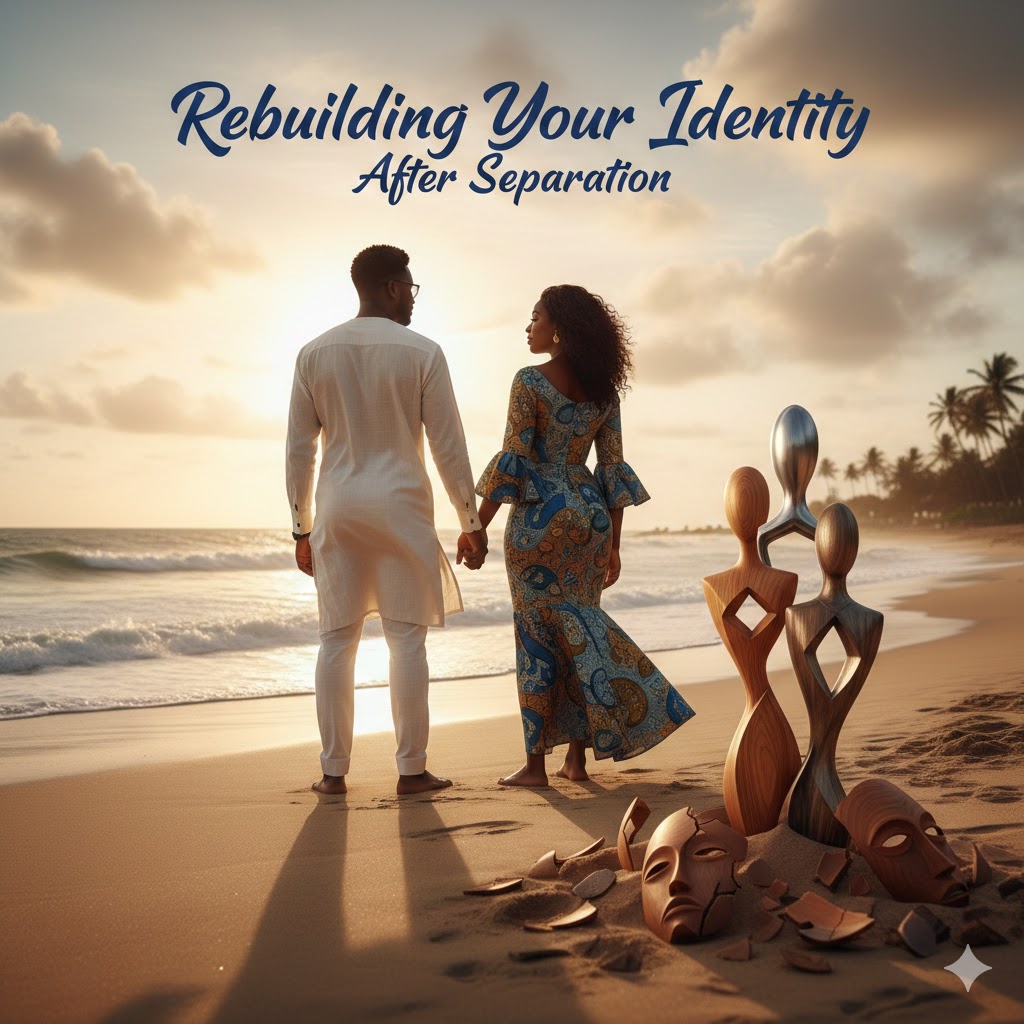
Rebuilding Your Identity After Separation: Rediscovering Yourself and Thriving Beyond Marriage
Separation is more than the end of a marriage; it is a profound life transition that affects identity, self-esteem, and daily life. Many individuals experience a sense of loss—not only of a partner but of the version of themselves they were within the marriage. Rebuilding your identity after separation is essential for personal growth, emotional resilience, and creating a fulfilling future.
This process is not about rushing to “move on” or replace a former partner but about reconnecting with your true self, understanding your values, and establishing a life that reflects your personal goals and desires.
Understanding the Loss of Identity
Marriage often shapes identity in subtle ways. Roles such as spouse, co-parent, or partner influence routines, decision-making, and self-perception. When a separation occurs, individuals may feel unmoored, questioning their worth, capabilities, or sense of purpose.
It is normal to grieve the loss of the familiar, including shared routines, mutual goals, and social circles. Acknowledging this grief is the first step toward rebuilding a confident and authentic identity.
For instance, Chinyere, after separating from her husband, struggled with self-doubt and uncertainty about her role as both a mother and an independent woman. Recognizing the emotional impact of the separation allowed her to begin the process of self-discovery.
Reflect on Who You Are Outside the Marriage
Separation provides an opportunity to reconnect with the aspects of yourself that may have been neglected during marriage. Reflect on your personal values, passions, strengths, and aspirations.
Ask questions such as:
-
What activities or interests did I enjoy before marriage?
-
Which qualities in myself do I want to nurture or rediscover?
-
What are my personal goals now, independent of my ex-partner?
Engaging in this reflection helps clarify your identity and provides a foundation for building a life that aligns with your authentic self.
Rediscover Personal Interests and Passions
Reclaiming hobbies, interests, or creative pursuits is a powerful way to rebuild identity. Activities that bring joy, satisfaction, or a sense of accomplishment reinforce self-esteem and independence.
For example, Funke, who had paused her love for painting during her marriage, returned to the canvas after separation. This creative outlet allowed her to express herself, relieve stress, and reconnect with a part of her identity that had been dormant.
Strengthen Emotional and Mental Health
Separation often triggers anxiety, sadness, or anger. Prioritizing emotional and mental health is crucial for rebuilding identity:
-
Consider therapy or counseling to process emotions and develop coping strategies.
-
Practice mindfulness, meditation, or journaling to reflect on your feelings.
-
Engage in activities that boost self-esteem and confidence.
Taking care of your emotional health ensures that your rebuilt identity is grounded in resilience rather than reaction to loss.
Reestablish Social Connections
Marriage often changes social dynamics, and separation can further disrupt friendships and support systems. Reconnecting with friends, joining community groups, or seeking support networks fosters a sense of belonging and reinforces personal identity.
For example, Tobi joined a professional networking group after separating. Interacting with new people, exchanging ideas, and building friendships allowed him to regain confidence and see himself outside the context of his marriage.
Set Goals and Create a Vision for Your Future
Rebuilding identity involves forward-looking action. Set personal goals that reflect your values and ambitions. These can include career development, education, health, travel, or creative pursuits.
A personal vision board or written plan helps clarify priorities and provides a roadmap for personal growth. By focusing on what you want to achieve, you regain control over your life narrative rather than feeling defined by the separation.
Establish Healthy Boundaries
Separation often brings lingering interactions with an ex-partner, children, or social networks. Establishing boundaries is essential for protecting your emotional space and fostering self-respect.
Boundaries may include:
-
Limiting contact to practical matters.
-
Avoiding emotional dependency on your ex.
-
Prioritizing your personal time and self-care.
Healthy boundaries reinforce identity by affirming your autonomy and independence.
Embrace Self-Compassion
Rebuilding identity after separation requires patience and kindness toward yourself. Avoid self-blame or harsh judgment for perceived failures in the marriage. Embrace the process as a journey of growth, learning, and transformation.
Affirmations and self-reflection can reinforce self-worth: “I am capable of creating a fulfilling life for myself” or “I am more than my past circumstances.”
Real-Life Scenario: Reclaiming Identity
Ada, after separating from her husband of 12 years, felt lost and unsure of her purpose. She began therapy, reconnected with old hobbies, and joined a women’s support group. By focusing on her interests, values, and emotional health, Ada gradually rediscovered her confidence and sense of self. She pursued a new career path, strengthened her social network, and rebuilt her identity independent of her past marriage.
Conclusion: Rebuilding Identity Is Empowering
Separation is a challenging but transformative period. Rebuilding your identity involves reflection, self-care, reconnecting with passions, establishing boundaries, and setting a vision for the future.
By prioritizing emotional health and personal growth, individuals can emerge from separation stronger, more self-aware, and ready to embrace life on their own terms. Reclaiming your identity after separation is not only possible—it is an empowering journey toward resilience, authenticity, and fulfillment.










.jpg)



Sign in to comment