 Nurturing Marriages, Enriching Families!
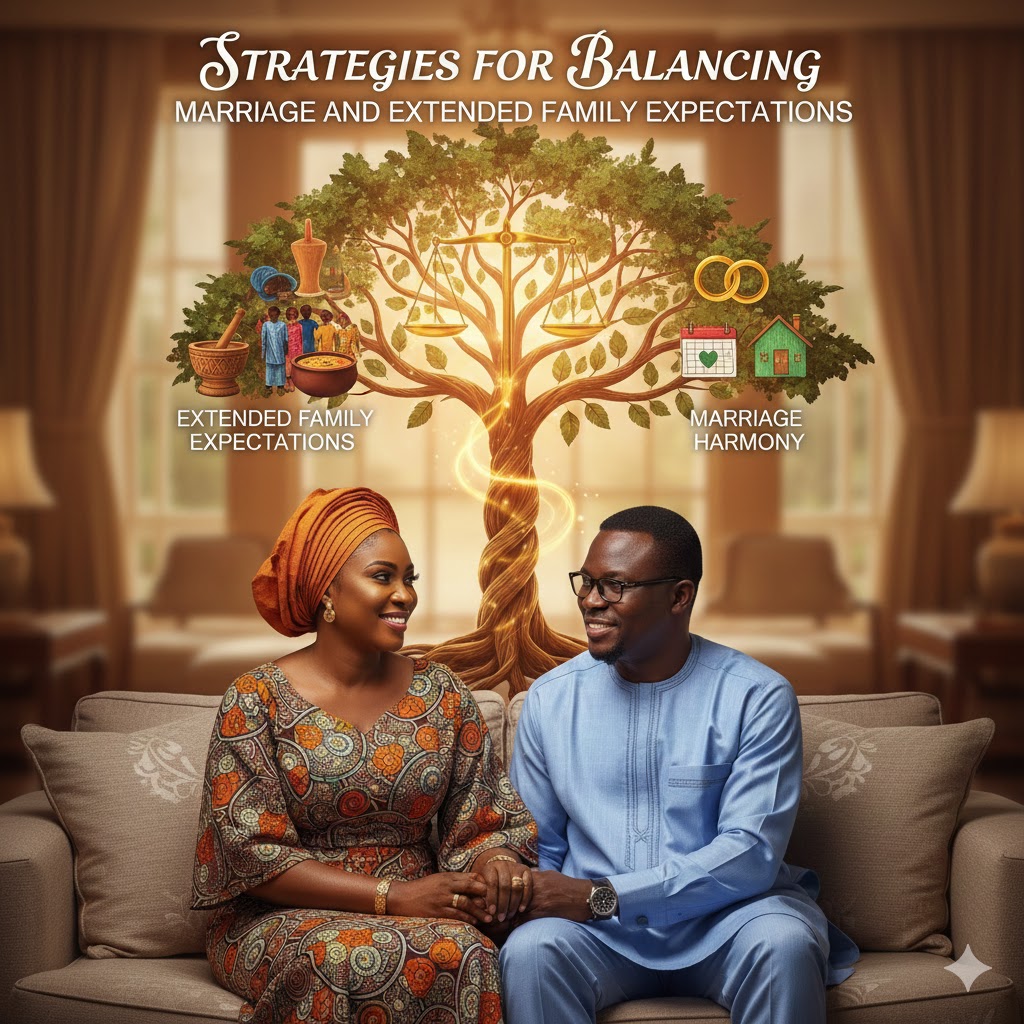
Strategies for Balancing Marriage and Extended Family Expectations
Marriage does not exist in isolation, especially in Nigeria and many African societies where extended family plays a central role in daily life. Parents, siblings, in-laws, uncles, aunties, and even community elders often feel invested in a couple’s marriage. While this support can be a blessing, it can also create pressure, conflict, and emotional strain if expectations are not properly managed.
Balancing marriage and extended family expectations requires wisdom, unity, and clear boundaries. Couples who learn this balance early are more likely to enjoy peace, intimacy, and long-term marital stability.
Understanding the Cultural Context
In Nigerian culture, marriage is not just a union between two individuals; it is a union between families. Extended family members may feel entitled to offer advice, make demands, or influence decisions related to finances, parenting, housing, and lifestyle choices.
These expectations are often rooted in tradition, love, or a desire to maintain family honor. However, when unchecked, they can interfere with marital autonomy and emotional wellbeing.
Recognizing that extended family involvement is cultural—not necessarily malicious—helps couples respond with empathy rather than anger.
Prioritizing Marital Unity
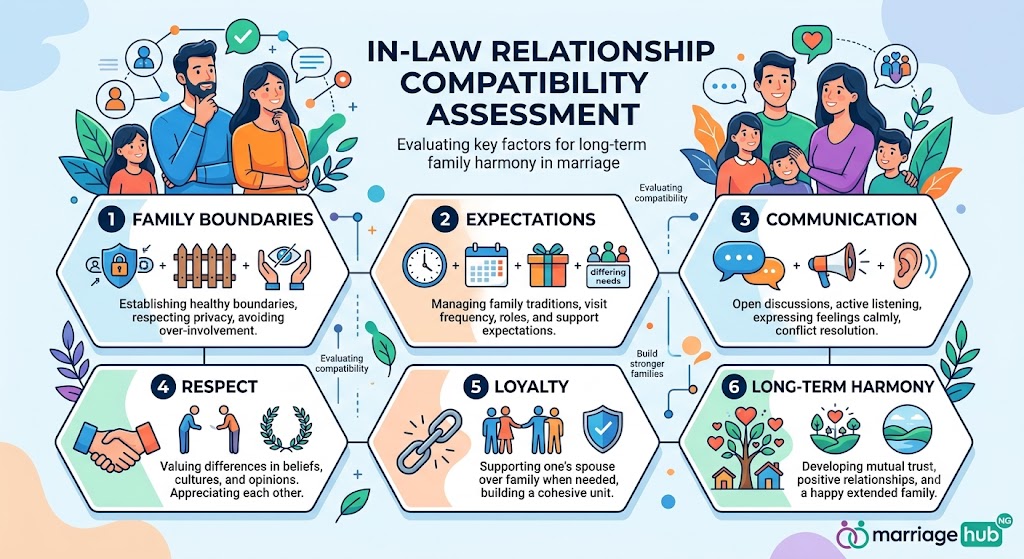
The foundation for balancing external expectations is unity between spouses. When a couple is divided, extended family pressure becomes more powerful. When spouses stand together, outside interference loses strength.
Couples must communicate openly about family expectations, cultural pressures, and personal boundaries. Sensitive conversations should happen privately, not in the heat of conflict or in front of relatives.
Presenting a united front does not mean disrespecting family; it means protecting the marriage as the primary relationship.
Defining Boundaries Without Disrespect
Boundaries are essential for healthy marriages, but they must be communicated respectfully in cultures that value hierarchy and respect for elders.
Boundaries should be clear, consistent, and calm. Rather than confrontation, couples should explain their decisions thoughtfully and avoid emotional outbursts. Saying no politely but firmly is better than saying yes resentfully.
In many cases, it is more effective for each spouse to handle boundaries with their own family. This reduces misunderstanding and prevents unnecessary tension between in-laws.
Managing Financial Expectations
Financial pressure from extended family is one of the most common stressors in Nigerian marriages. Requests for money, school fees, rent, or business support can strain marital finances and cause disagreement between spouses.
Couples should agree on a clear financial plan and budget that prioritizes their household needs. Once agreed upon, decisions about financial support should reflect unity rather than guilt or obligation.
Supporting family is noble, but it should not jeopardize marital stability or create hidden resentment.
Navigating Parenting and Child-Rearing Differences
Extended family members often have strong opinions about how children should be raised, disciplined, or educated. While elders bring valuable experience, outdated or conflicting advice can confuse children and undermine parental authority.
Parents must decide their core parenting values and enforce consistency. Corrections from extended family should be addressed privately and respectfully.
Children need clarity about who makes final decisions. This clarity creates emotional security and discipline.
Handling Interference in Marital Decisions
From where to live to how conflicts are resolved, extended family members may attempt to influence marital decisions. When couples allow outsiders to mediate every disagreement, emotional intimacy weakens.
Marital issues should be handled primarily between spouses. External input should be limited to trusted counselors, mentors, or religious leaders when necessary—not every family member.
Protecting privacy strengthens trust and respect within the marriage.
Communicating With Empathy and Respect
How couples respond to family pressure matters as much as what they say. Defensive or aggressive communication often escalates conflict.
Acknowledging the concern or intention behind family expectations helps reduce tension. Expressing gratitude while calmly stating limits preserves dignity on both sides.
Respectful communication keeps doors open for healthy relationships while maintaining autonomy.
Dealing With Guilt and Emotional Pressure
Emotional manipulation, guilt-tripping, or comparisons with other family members are common tactics used—sometimes unintentionally—by extended family.
Couples must recognize guilt as a powerful but unhealthy decision-maker. Choices driven by guilt often lead to resentment and burnout.
Learning to say no without excessive explanation is a form of emotional maturity and self-respect.
Involving Extended Family Positively
Balancing expectations does not mean cutting off extended family. Involving them in positive ways—celebrations, visits, shared traditions—helps maintain connection without surrendering control.
When family members feel valued and respected, they are less likely to push boundaries aggressively.
Seeking Support When Needed
If extended family pressure becomes overwhelming or leads to persistent marital conflict, seeking professional or faith-based counseling can help. A neutral third party can offer perspective, mediate discussions, and help couples establish healthy patterns.
Seeking help is not a failure; it is a proactive step toward protecting the marriage.
Balancing marriage and extended family expectations is an ongoing process, not a one-time decision. It requires patience, communication, and mutual respect. Couples who prioritize unity, set healthy boundaries, and communicate with wisdom can enjoy the benefits of extended family support without sacrificing marital peace.
A strong marriage is the foundation upon which healthy family relationships are built. When couples protect that foundation, everyone benefits.






.jpg)


Sign in to comment