 Nurturing Marriages, Enriching Families!
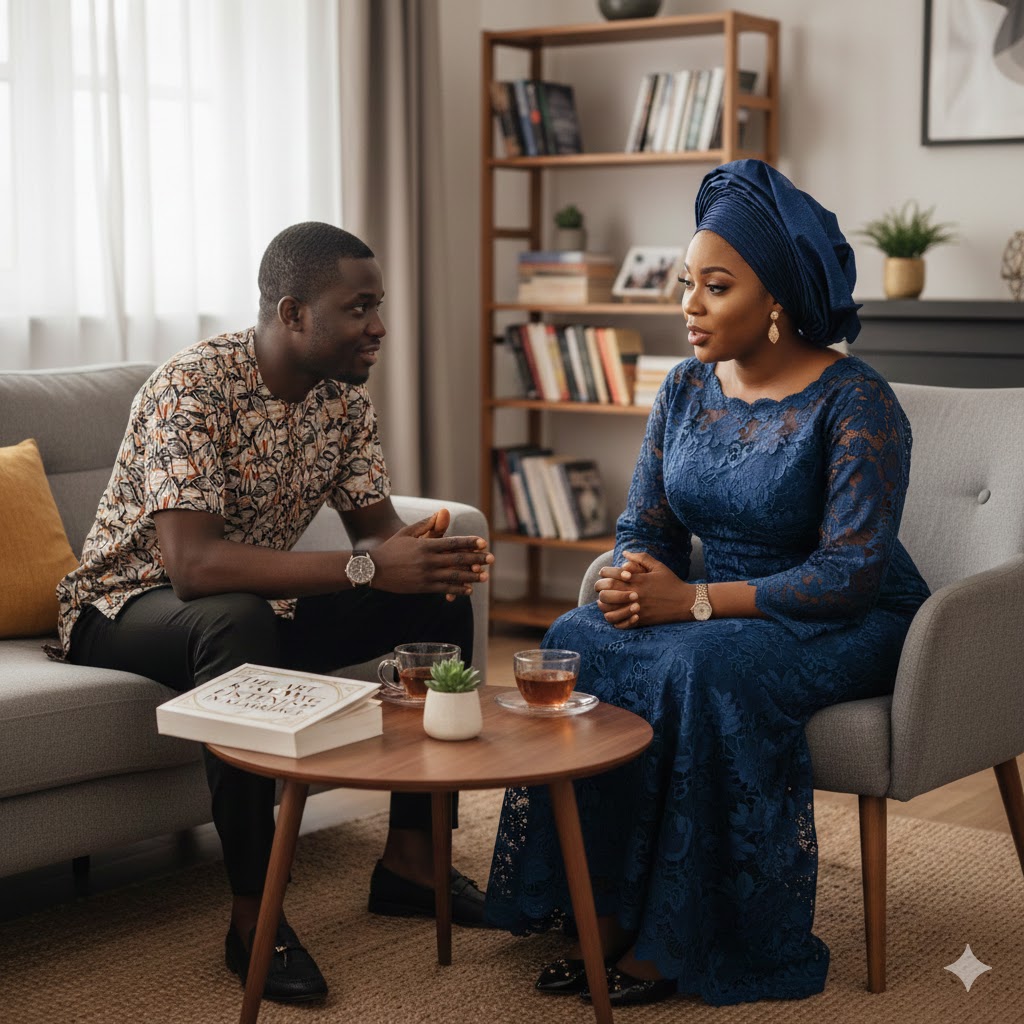
The Art of Active Listening in Marriage
Marriage is often described as a partnership, a union of hearts and minds, but it is communication that truly binds couples together. Within communication, active listening stands out as one of the most essential skills for a healthy, enduring relationship. Active listening is not merely hearing words; it is understanding the meaning, emotions, and intentions behind what your partner expresses. It requires attention, empathy, patience, and intentional engagement.
In Nigeria, where marriages often involve extended family dynamics, cultural expectations, and societal pressures, active listening becomes even more vital. Couples frequently misunderstand each other, not because of lack of love, but because they fail to listen deeply. Miscommunication in Nigerian homes can escalate quickly, whether the disagreement is about money, career choices, children, or family obligations. Learning the art of active listening allows couples to bridge emotional gaps and cultivate understanding.
Understanding Active Listening
Active listening involves fully focusing on your partner, both verbally and non-verbally. It means setting aside distractions, refraining from judgment, and resisting the urge to interrupt or formulate responses while your partner is speaking. This level of attentiveness shows respect, validation, and genuine interest in your partner’s thoughts and feelings.
Active listening is not passive. It requires engagement. Nodding, maintaining eye contact, summarizing what you’ve heard, and asking clarifying questions all signal that you are not just hearing words, but understanding your partner’s perspective. In Nigerian marriages, where cultural norms may encourage listening with the intention of correcting or advising immediately, learning to listen without interruption is transformative.
Why Active Listening Matters in Marriage
Active listening creates a safe space for emotional expression. When spouses feel heard, they experience validation, which reduces defensiveness and emotional withdrawal. Without active listening, misunderstandings fester, resentment grows, and emotional distance develops.
Consider a couple in Abuja, Tolu and Ifeoma. Tolu often felt frustrated when Ifeoma raised concerns about finances, believing she was criticizing his judgment. Ifeoma, on the other hand, felt unheard because Tolu frequently interrupted or dismissed her worries. Their repeated arguments stemmed not from love or commitment but from ineffective listening. Once they committed to practicing active listening—pausing, reflecting, and summarizing what the other said—their discussions became collaborative rather than confrontational.
Active listening also enhances problem-solving. Couples who listen fully before responding are better equipped to identify the real issues and work together toward solutions. It prevents premature reactions that often lead to escalation.
Components of Active Listening
Effective active listening in marriage involves several key components.
1. Paying Full Attention: This requires eliminating distractions such as phones, TV, or work. Giving your partner undivided attention communicates that their words, emotions, and needs matter.
2. Reflecting and Paraphrasing: Repeating or summarizing what your partner has said ensures clarity. Phrases like, “So what I hear you saying is…” help confirm understanding and demonstrate attentiveness.
3. Observing Non-Verbal Cues: Much of communication is non-verbal. Eye contact, body posture, facial expressions, and tone provide essential context. Recognizing these cues helps couples respond appropriately to unspoken emotions.
4. Asking Clarifying Questions: When something is unclear, asking open-ended questions promotes deeper understanding. Questions like, “Can you explain what you mean by that?” or “How did that make you feel?” foster dialogue rather than assumptions.
5. Empathizing: Active listening involves emotional attunement. Empathy allows you to acknowledge your partner’s feelings without immediately offering solutions or judgments. Saying, “I understand why that would make you upset,” validates emotions and fosters connection.
6. Avoiding Premature Advice or Judgment: Couples often listen with the intent to respond rather than understand. Interrupting with solutions or criticism undermines active listening. Sometimes, your partner only wants to be heard, not advised.
Overcoming Challenges to Active Listening
Many couples struggle with active listening due to ingrained habits, stress, or cultural expectations. In Nigerian households, men may feel societal pressure to always “fix” problems, leading them to interrupt or advise prematurely. Women may feel compelled to suppress emotions to maintain harmony, causing partners to miss underlying concerns.
Overcoming these challenges requires intentional effort. Couples can set aside dedicated time for discussions, agree on ground rules for listening, and consciously practice reflection and empathy. Mindfulness techniques, such as deep breathing before responding, can also reduce emotional reactivity and promote patience.
Practical Exercises to Develop Active Listening
-
Daily Check-In: Set aside ten minutes each day to discuss feelings, thoughts, or challenges. One partner speaks while the other practices active listening, then switch roles.
-
Paraphrasing Practice: During conversations, summarize your partner’s statements before responding. This confirms understanding and prevents assumptions.
-
Emotion Recognition: Focus on non-verbal cues during conversations. Identify and name your partner’s emotions. For instance, “I see that you are frustrated; is that correct?”
-
Pause Before Responding: Take a brief moment to process your partner’s words and emotions before responding. This reduces defensive reactions.
-
Reflective Journaling: After tough conversations, write down what your partner said and how you felt listening. This strengthens self-awareness and empathy.
Real-Life Nigerian Scenario
Consider Chika and Bayo from Lagos. Chika works long hours in a bank, while Bayo manages the household and raises their children. Bayo felt overwhelmed but rarely communicated this effectively, fearing Chika would feel criticized. Chika, on the other hand, thought Bayo was always nagging about minor issues. Their communication gaps led to frustration on both sides.
When they began attending premarital counseling, the counselor introduced active listening exercises. During one session, Bayo shared concerns about household chores. Chika practiced paraphrasing and asking clarifying questions rather than offering immediate solutions. Bayo felt validated and safe to continue expressing concerns. Over time, their daily communication became more cooperative and less combative, strengthening their emotional connection.
Benefits of Active Listening in Marriage
Active listening provides numerous benefits for couples. It fosters intimacy by making partners feel understood and valued. It reduces conflict and emotional distance, creating an environment where disagreements can be navigated constructively. It enhances problem-solving, as partners better understand each other’s perspectives. It also builds trust, because listening without judgment signals respect, care, and reliability.
In Nigerian contexts, active listening can be particularly transformative. It helps navigate extended family expectations, cultural pressures, and gender dynamics by promoting understanding and collaborative decision-making. It prevents escalation of disagreements into public arguments, a common source of tension in social settings.
Reflective Prompts for Couples
-
How often do I listen to understand rather than respond?
-
Do I notice my partner’s non-verbal cues during conversations?
-
When was the last time I validated my partner’s feelings without offering advice?
-
Do I create space for my partner to speak without interruption?
-
How can I improve my listening habits to strengthen emotional connection?
Reflecting on these questions encourages self-awareness, which is crucial for developing effective listening skills.
Creating a Culture of Listening in Marriage
Active listening should not be limited to difficult conversations. It should permeate daily life, forming the culture of the marriage. Couples who routinely practice listening demonstrate consistent care, attentiveness, and respect. Simple acts—like asking about each other’s day, listening without judgment, and acknowledging emotions—build a strong foundation for long-term intimacy.
For Nigerian couples, creating a culture of listening can also involve mediating family involvement. Listening to each other’s feelings about in-laws or extended family obligations helps prevent conflicts from escalating. When both partners feel heard and respected, they can approach external pressures as a unified team.
Conclusion
Active listening is more than a communication technique; it is an art that nurtures understanding, emotional safety, and trust in marriage. In Nigerian marriages, where cultural expectations, family dynamics, and societal pressures complicate relationships, mastering active listening is essential.
Couples who commit to listening fully, reflecting accurately, empathizing deeply, and responding thoughtfully transform difficult conversations into opportunities for connection and growth. Active listening prevents misunderstandings, reduces conflict, and strengthens intimacy. It turns dialogue into a bridge, ensuring couples remain connected, respected, and emotionally safe through every challenge.
By practicing active listening consistently, Nigerian couples can cultivate marriages that are not only resilient but deeply fulfilling, where partners feel seen, heard, and valued every day. It is an art that, once mastered, sustains love, trust, and partnership for a lifetime.









.jpg)


Sign in to comment