 Nurturing Marriages, Enriching Families!
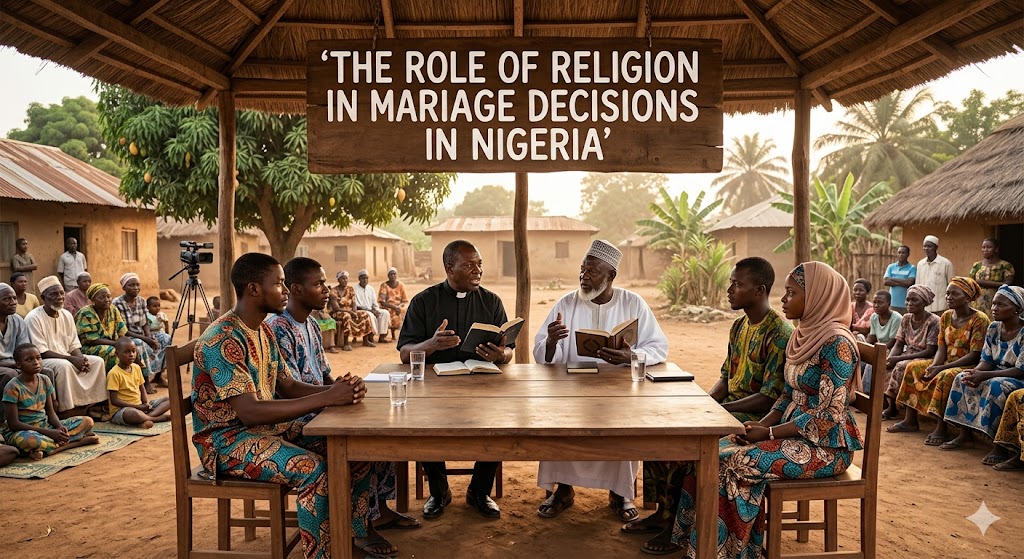
The Role of Religion in Marriage Decisions in Nigeria
Marriage in Nigeria is deeply rooted in religion, making it one of the most influential factors shaping how people choose partners, conduct ceremonies, and define marital expectations. In a country where Christianity, Islam, and indigenous beliefs play major roles in everyday life, marriage is rarely just a personal decision. It is a spiritual and communal commitment shaped by faith, tradition, and religious authority.
Across Nigeria, religion continues to influence not only who people marry but also when they marry, how they marry, and what they expect from marriage itself. Even as modern values and individual choice become more prominent, religion remains a powerful force guiding marital decisions.
Nigeria’s strong religious landscape means that marriage is often seen as a sacred institution. For many people, it is not just a social contract but a divine covenant. This belief shapes attitudes toward partner selection, marital roles, and family life. In many communities, especially outside major cities, religious alignment is considered essential before marriage can proceed. Families often prefer that their children marry within the same faith because it is believed to promote harmony, shared values, and long-term stability.
Research and social observations suggest that religious affiliation significantly influences marriage patterns in Nigeria, including decisions around early marriage, partner selection, and family approval. In some regions, religious expectations even affect the timing of marriage, with certain communities encouraging earlier unions as part of moral and cultural preservation.
Christianity plays a major role in shaping marriage decisions across southern and central Nigeria. In Christian communities, marriage is widely regarded as a covenant before God, meant to last a lifetime. Couples are often expected to go through premarital counseling in churches, where they receive guidance on communication, finances, emotional readiness, and spiritual compatibility. These sessions are designed to prepare couples for the realities of married life and ensure alignment in faith and values.
Within Christianity, denominational differences can also influence marriage decisions. Nigeria is home to numerous Christian denominations, including Catholic, Anglican, and various Pentecostal churches. Differences in doctrine, worship style, and expectations can sometimes create tension in relationships. Even when both partners are Christian, families may still raise concerns if they belong to different denominations. In some cases, couples are required to seek approval or counseling from church leaders before proceeding with marriage.
Islam also plays a central role in shaping marriage decisions, particularly in northern Nigeria. In Islamic tradition, marriage is considered a sacred contract governed by specific religious principles. The Nikah ceremony, conducted by an Imam, formalizes the union, and the payment of Mahr, or bride gift, is an important requirement. Islamic teachings strongly influence partner selection, with many families preferring marriages within the same faith. In some cases, interfaith relationships may require conversion before marriage is accepted.
Islamic teachings also shape expectations around gender roles, family responsibilities, and household structure. These religious principles guide how couples interact and define their roles within the marriage. In many Muslim communities, family involvement in marriage decisions is strong, and religious leaders often play an advisory role in guiding couples and families through the process.
Beyond Christianity and Islam, traditional beliefs continue to influence marriage in various parts of Nigeria. Indigenous practices emphasize ancestral ties, cultural heritage, and community approval. Traditional marriage ceremonies often include rituals that reflect spiritual beliefs and family lineage. Even in modern weddings, elements of traditional religion are often blended with Christian or Islamic practices, reflecting Nigeria’s layered spiritual identity.
Religious leaders play a significant role in shaping marriage decisions across all faiths. Pastors, priests, and Imams are often involved in counseling couples, mediating family concerns, and providing spiritual guidance. Their approval is frequently considered important before marriage can proceed. In many communities, religious leaders are trusted authorities whose opinions carry significant weight in both personal and family decisions.
Religion also influences gender roles within marriage. Many religious teachings in Nigeria define specific expectations for husbands and wives. Men are often viewed as providers and heads of the household, while women are seen as nurturers and caretakers of the home. These roles are reinforced through sermons, teachings, and cultural practices within religious communities. While modern influences are gradually reshaping these expectations, religious doctrines continue to play a strong role in defining marital responsibilities.
Interfaith marriages present a more complex dynamic. As Nigeria becomes more urbanized and socially diverse, interfaith relationships are becoming more common, particularly among younger people in cities. However, these unions often face challenges due to differences in religious beliefs, family expectations, and cultural practices. Issues such as worship practices, child upbringing, and religious identity can become points of negotiation within the marriage. While some couples successfully navigate these differences through compromise and mutual respect, others face resistance from families or communities.
Real-life experiences across Nigeria illustrate the impact of religion on marriage decisions. In Enugu, for example, a young woman shared how her family insisted she marry within her Christian faith, despite her emotional connection with someone from a different religious background. In Lagos, another couple described how shared religious beliefs strengthened their relationship, providing a foundation for communication and conflict resolution. In Abuja, an interfaith couple explained how they had to carefully negotiate their differences and involve both families in discussions before their marriage was accepted.
These experiences reflect a broader reality: religion can both support and challenge marriage decisions in Nigeria. It provides structure, values, and guidance, but it can also create boundaries that individuals must navigate carefully. In many cases, couples must balance personal choice with religious expectations, often seeking ways to harmonize both.
The influence of religion on marriage also has broader implications for society. On one hand, shared faith can strengthen marriages by providing common values and moral guidance. On the other hand, strict adherence to religious expectations can limit personal freedom in choosing partners and may create challenges in interfaith relationships. As Nigerian society continues to evolve, individuals are increasingly finding ways to balance religious traditions with modern ideas of love, compatibility, and personal choice.
Looking ahead, the role of religion in marriage is likely to remain strong, even as social change continues. Younger generations may be more open to interfaith relationships and individual choice, but religion will continue to provide a moral and cultural framework for understanding marriage. The future of marriage in Nigeria will likely involve a balance between spiritual traditions and modern realities, where faith continues to guide decisions while personal choice becomes more prominent.
In conclusion, religion remains one of the most powerful influences on marriage decisions in Nigeria. It shapes partner selection, family involvement, marital roles, and even emotional expectations within relationships. While modern values are gradually reshaping how Nigerians approach marriage, religion continues to serve as a foundation for understanding what marriage means in both personal and communal life. It is not just a belief system—it is a guiding force that continues to define the structure and meaning of marriage across the country.
Join the MarriageHub Community
Looking to connect, learn, or grow in your relationship journey?
👉 Join groups/tribes: https://www.marriagehub.ng/all-groups
👉 Create your own group: https://www.marriagehub.ng/create-tribes-group
👉 Explore products, services & downloads: https://www.marriagehub.ng/marketplace
Follow Us
📱 WhatsApp: https://whatsapp.com/channel/0029VbCav9MCcW4pw3GSM72w
🐦 X (Twitter): https://x.com/MarriageHubNG
📘 Facebook: https://web.facebook.com/MarriageHubNigeria
📸 Instagram: https://www.instagram.com/marriagehubng3









.jpg)




Sign in to comment