 Nurturing Marriages, Enriching Families!

Traditional Marriage Practices Across Major Nigerian Ethnic Groups
Nigeria is one of the most culturally diverse countries in the world, with over 250 ethnic groups, each with its own traditions, languages, and customs. Among these rich cultural expressions, marriage stands out as one of the most significant social institutions. Traditional marriage practices across Nigerian ethnic groups are not merely ceremonies; they are deeply symbolic processes that reflect values such as family unity, respect, identity, and continuity.
From the Igbo communities in the Southeast to the Yoruba in the Southwest, and the Hausa-Fulani in the North, traditional marriage rites differ in form but share common themes of family involvement, cultural pride, and structured processes. Even in modern Nigeria, where civil and religious weddings are common, traditional marriage ceremonies remain highly valued and widely practiced.
This article explores traditional marriage practices across major Nigerian ethnic groups, incorporating data, case studies, and real-life insights to provide a comprehensive understanding of how culture shapes marriage in Nigeria.
The Cultural Importance of Traditional Marriage in Nigeria
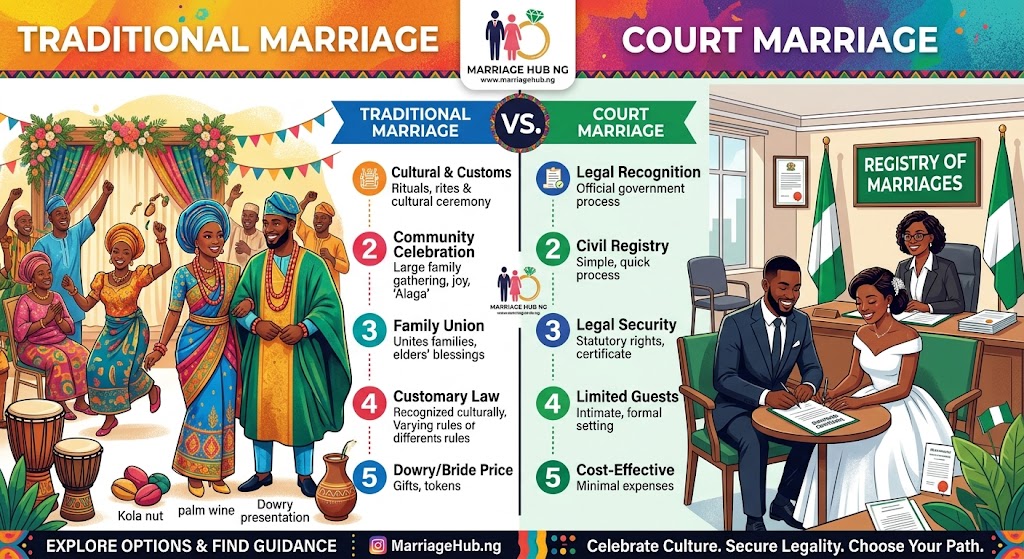
In Nigeria, marriage is not just a personal decision—it is a communal and cultural event. Traditional marriage serves as a formal introduction between families and a validation of the union by the community.
Unlike Western-style weddings, which often focus on the couple, Nigerian traditional marriages emphasize family ties and social responsibility. The process typically involves negotiations, ceremonies, and rituals that vary across ethnic groups.
Despite modernization, data and social observations show that a majority of Nigerian couples still participate in traditional marriage rites, even when they also have church or registry weddings. This highlights the enduring importance of cultural identity in marriage.
Traditional Marriage Among the Igbo
Among the Igbo people of Southeastern Nigeria, traditional marriage is a detailed and structured process known for its symbolic richness.
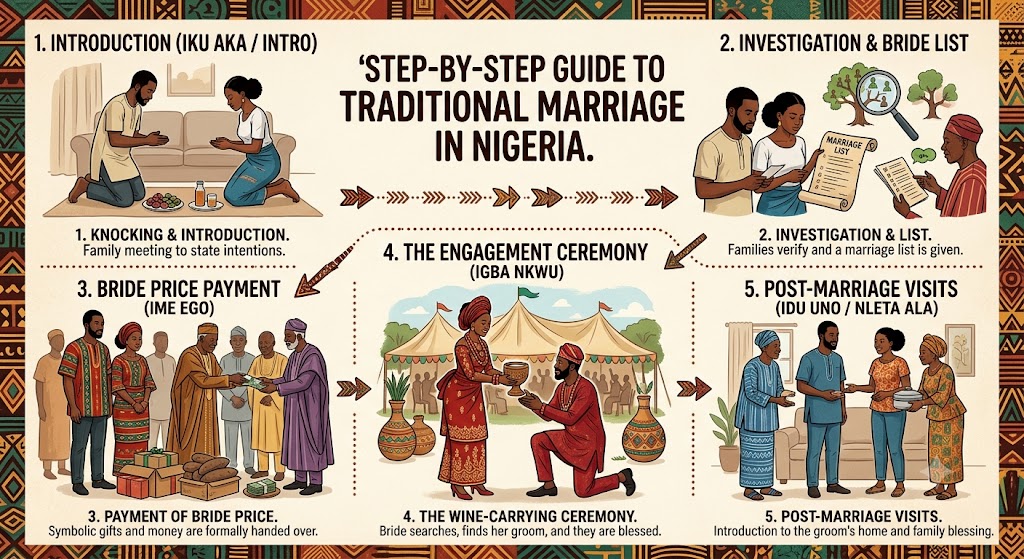
The process often begins with “iku aka” or “knocking on the door,” where the groom’s family formally visits the bride’s family to express interest. This is followed by investigations by both families to ensure compatibility and good character.
Bride price negotiation, known as “ime ego,” is a central aspect. Contrary to common misconceptions, the bride price is symbolic rather than a commercial transaction. It represents appreciation and respect for the bride’s family.
The highlight of the Igbo traditional marriage is the wine-carrying ceremony. The bride, dressed in traditional attire, searches for her groom among guests and offers him palm wine. This act publicly confirms her choice and seals the marriage.
Case Study: Igbo Marriage in Anambra
A couple in Anambra State shared how their traditional wedding strengthened family bonds. The negotiation process brought both families together, creating a sense of unity and shared responsibility.
However, they also noted challenges, particularly rising costs associated with elaborate ceremonies, which can place financial pressure on families.
Traditional Marriage Among the Yoruba
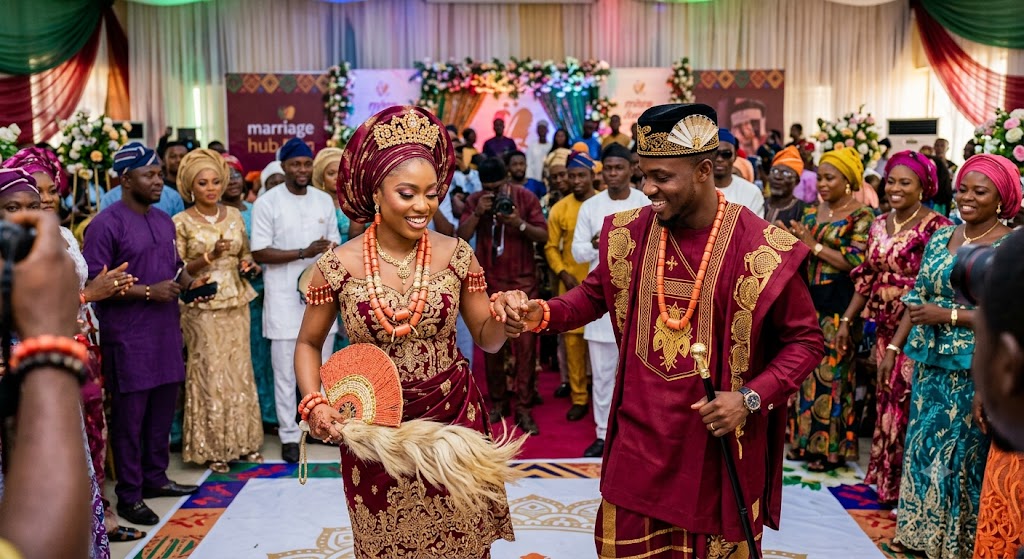
Yoruba traditional marriage ceremonies are vibrant, colorful, and highly ceremonial. They are known for their elaborate attire, cultural performances, and structured rituals.
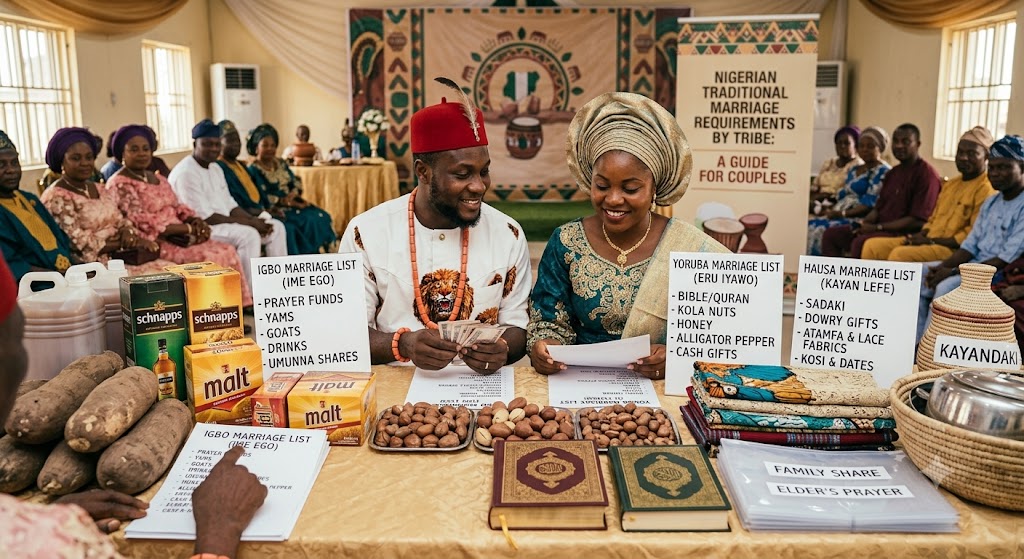
The process typically begins with an introduction ceremony, followed by engagement. During the engagement, the groom’s family presents gifts, including food items, clothing, and symbolic items requested by the bride’s family.
A key feature of Yoruba weddings is the prostration of the groom and his friends before the bride’s family, demonstrating respect and humility. The bride also shows respect by kneeling before her husband’s family.
The ceremony includes prayers, blessings, and exchange of rings or symbolic items, depending on the family’s preference.
Case Study: Yoruba Wedding in Lagos
In Lagos, a Yoruba couple described their traditional wedding as a blend of culture and modernity. While they maintained key traditions such as prostration and gift presentation, they also incorporated modern elements like event planning and live streaming.
They noted that while the ceremony was culturally fulfilling, the cost of organizing such events in urban areas can be significant.
Traditional Marriage Among the Hausa-Fulani
In Northern Nigeria, Hausa-Fulani marriage practices are influenced by Islamic traditions and cultural values.
The process typically involves a formal proposal, followed by family discussions and agreement. The bride price, known as “sadaki,” is usually modest and symbolic, reflecting Islamic teachings that discourage excessive financial burden.
The wedding ceremony often includes events such as the “kamu” (bride’s preparation), “wuni” (henna night), and the wedding feast.
Gender roles and modesty are emphasized, and ceremonies may be gender-segregated in line with cultural and religious practices.
Case Study: Hausa Marriage in Kano
A couple in Kano shared how their marriage process was guided by both cultural and religious principles. The simplicity of the bride price reduced financial pressure, allowing them to focus on building their new home.
However, they also noted that societal expectations around gender roles can influence marital dynamics.
Other Ethnic Groups and Their Practices
Beyond the three major ethnic groups, many other Nigerian communities have unique marriage traditions.
Among the Efik and Ibibio in the South-South, marriage ceremonies often involve elaborate dances, traditional attire, and symbolic rites that emphasize family unity.
In Tiv communities of Benue State, traditional marriage historically involved bride service, where the groom worked for the bride’s family. While this practice has evolved, elements of it still influence modern ceremonies.
Among the Ijaw people, marriage ceremonies often include water-related rituals and community celebrations reflecting their riverine culture.
These diverse practices highlight the richness of Nigerian cultural heritage.
Modern Influences on Traditional Marriage
Modernization is reshaping traditional marriage practices across Nigeria. Urbanization, education, and globalization have introduced new elements into traditional ceremonies.
Many couples now combine traditional weddings with white weddings or registry ceremonies. Event planning, digital invitations, and social media coverage have become common features.
While these changes add convenience and visibility, they also contribute to rising costs and increased pressure to meet societal expectations.
Financial Implications of Traditional Marriage
One of the most significant challenges associated with traditional marriage in Nigeria is cost.
In many communities, the list of required items for bride price and ceremonies can be extensive. This includes clothing, food items, drinks, and cash gifts.
In urban areas, additional costs such as venue, decoration, catering, and entertainment can make traditional weddings expensive.
Despite these challenges, many families view these expenses as investments in social status and cultural fulfillment.
Balancing Tradition and Modern Reality
Modern Nigerian couples often face the challenge of balancing cultural expectations with financial and personal realities.
Some choose to simplify traditional ceremonies, focusing on essential rites while reducing unnecessary expenses. Others fully embrace elaborate celebrations as a reflection of cultural pride.
The key is finding a balance that respects tradition while aligning with the couple’s financial capacity and personal values.
The Role of Family in Traditional Marriage
Family involvement is a central feature of Nigerian traditional marriage. Decisions are often made collectively, and family members play active roles in planning and execution.
While this strengthens family bonds, it can also create pressure, especially when expectations are high.
Successful couples often navigate this dynamic by maintaining open communication and setting clear boundaries.
The Future of Traditional Marriage in Nigeria
Traditional marriage practices in Nigeria are likely to continue evolving. Younger generations are more open to adapting traditions to suit modern lifestyles.
At the same time, there is a strong desire to preserve cultural identity and heritage. This suggests that traditional marriage will remain an important part of Nigerian society, albeit in a more flexible form.
Conclusion
Traditional marriage practices across Nigerian ethnic groups reflect the country’s rich cultural diversity and deep-rooted values. From the structured ceremonies of the Igbo to the vibrant celebrations of the Yoruba and the modest, faith-based practices of the Hausa-Fulani, each tradition offers unique insights into the meaning of marriage.
While modernization is changing how these practices are carried out, their core purpose remains the same: to unite families, celebrate love, and preserve cultural identity.
For Nigerian couples today, the challenge is not choosing between tradition and modernity but finding a way to harmonize both in a meaningful and sustainable way.
Join the MarriageHub Community
Looking to connect, learn, or grow in your relationship journey?
👉 Join groups/tribes: https://www.marriagehub.ng/all-groups
👉 Create your own group: https://www.marriagehub.ng/create-tribes-group
👉 Explore products, services & downloads: https://www.marriagehub.ng/marketplace
Follow Us
📱 WhatsApp: https://whatsapp.com/channel/0029VbCav9MCcW4pw3GSM72w
🐦 X (Twitter): https://x.com/MarriageHubNG
📘 Facebook: https://web.facebook.com/MarriageHubNigeria
📸 Instagram: https://www.instagram.com/marriagehubng3



.jpg)

Sign in to comment