 Nurturing Marriages, Enriching Families!
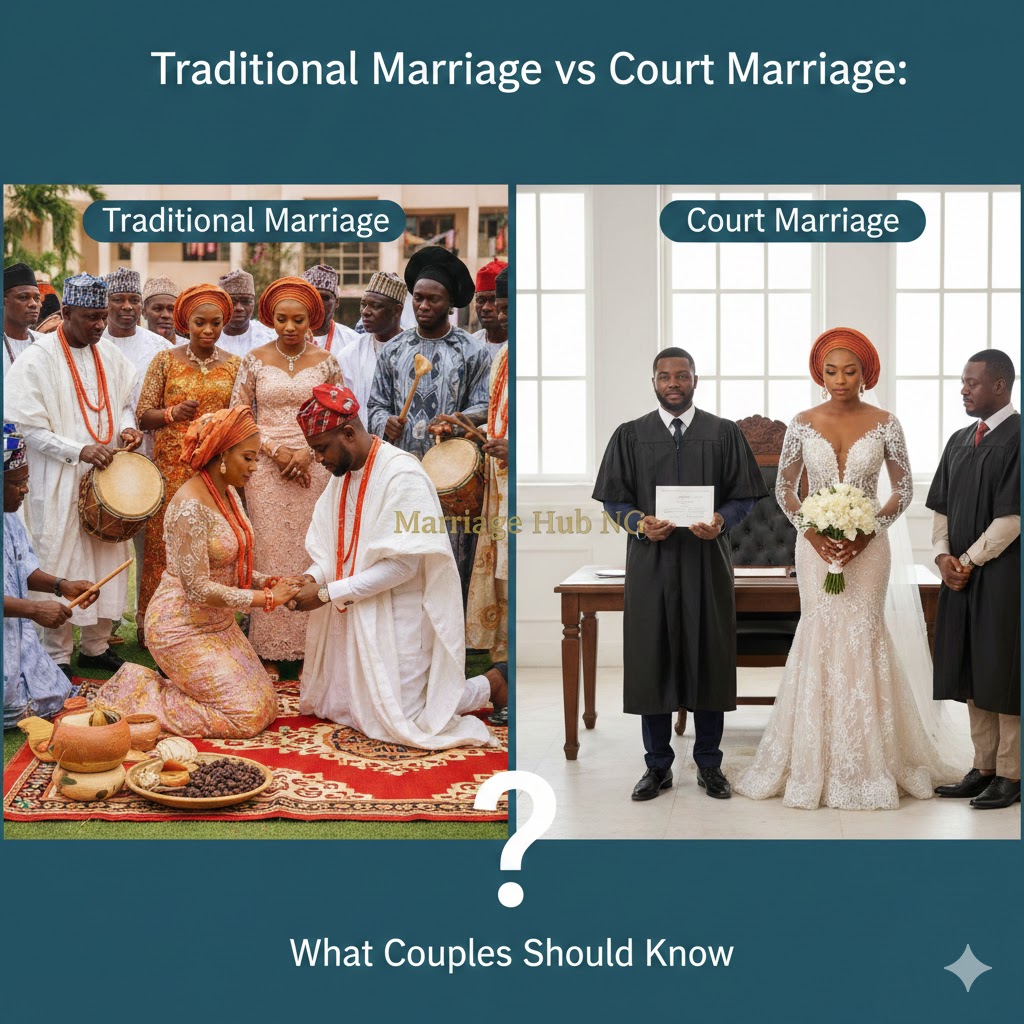
Traditional Marriage vs Court Marriage: What Couples Should Know
Marriage is one of life’s most significant milestones, symbolizing love, commitment, and the beginning of a shared journey. In Nigeria, couples have the option to choose between traditional marriage and court (civil) marriage, each with its own requirements, procedures, and legal implications. Understanding the differences between these types of marriage is crucial for couples who want to make informed decisions and ensure their union is both culturally respectful and legally recognized.
This article explores the key distinctions between traditional and court marriages in Nigeria, the benefits and limitations of each, and what couples should know before making a decision.
Understanding Traditional Marriage in Nigeria
Traditional marriage, also referred to as customary marriage, is a union performed according to the customs and traditions of a couple’s ethnic or cultural group. It is rooted in Nigeria’s rich cultural heritage and involves family negotiations, ceremonies, and rituals.
Key Features of Traditional Marriage
-
Cultural Practices: Traditional marriage reflects the values, norms, and customs of a particular ethnic group.
-
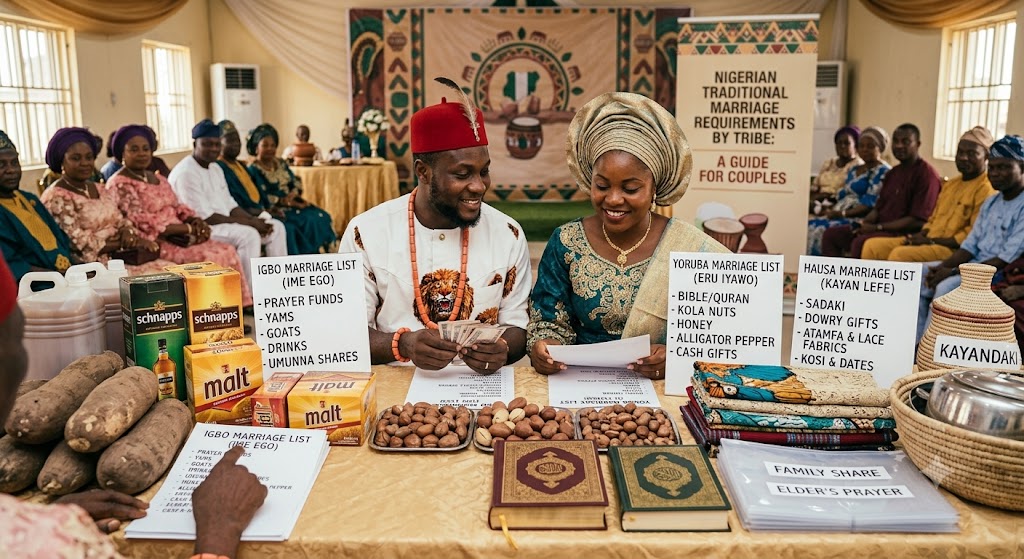
Family Involvement: Families play a significant role, often negotiating the bride price or dowry.
-
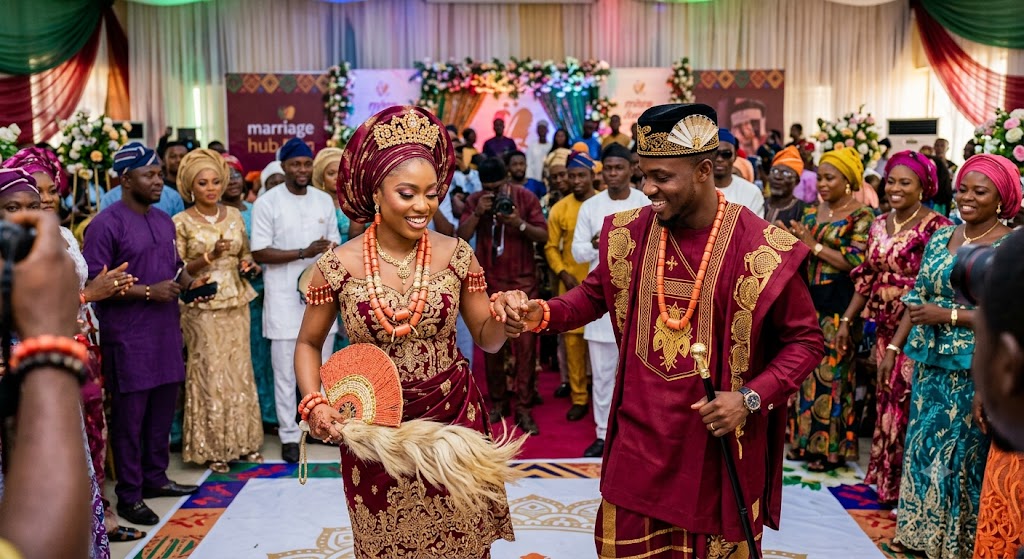
Ceremonial Rites: Ceremonies may include symbolic acts, traditional attire, and cultural rituals.
-
Recognition: Customary marriages are recognized by Nigerian law, especially if registered with the government.
Legal Requirements for Traditional Marriage
While traditional marriage is cultural, legal recognition requires certain compliance:
-
Both parties must be of legal age or have parental consent if underage.
-
Couples must not be closely related (prohibited degrees of consanguinity).
-
Documentation may be required for registration, such as birth certificates or identification.
-
Registration with the Marriage Registry can provide full legal protection.
Traditional marriage is widely practiced across Nigeria, especially among couples who wish to honor their cultural heritage.
Understanding Court (Civil) Marriage in Nigeria
Court marriage, also known as civil or statutory marriage, is a legally recognized union performed at a government Marriage Registry under the Marriage Act. Court marriages are recognized throughout Nigeria and internationally.
Key Features of Court Marriage
-
Legal Recognition: A court marriage is legally binding and recognized by all Nigerian states.
-
Standardized Procedures: Conducted at a Marriage Registry with a registrar and witnesses.
-
Documentation: Requires official documents, including birth certificates, identification, and proof of marital status.
-
Monogamy: Only monogamous unions are recognized under court marriage.
Court marriage is ideal for couples who prioritize legal protection, documentation, and nationwide recognition of their union.
Differences Between Traditional and Court Marriage
Understanding the differences between traditional and court marriage helps couples make informed decisions. Key distinctions include:
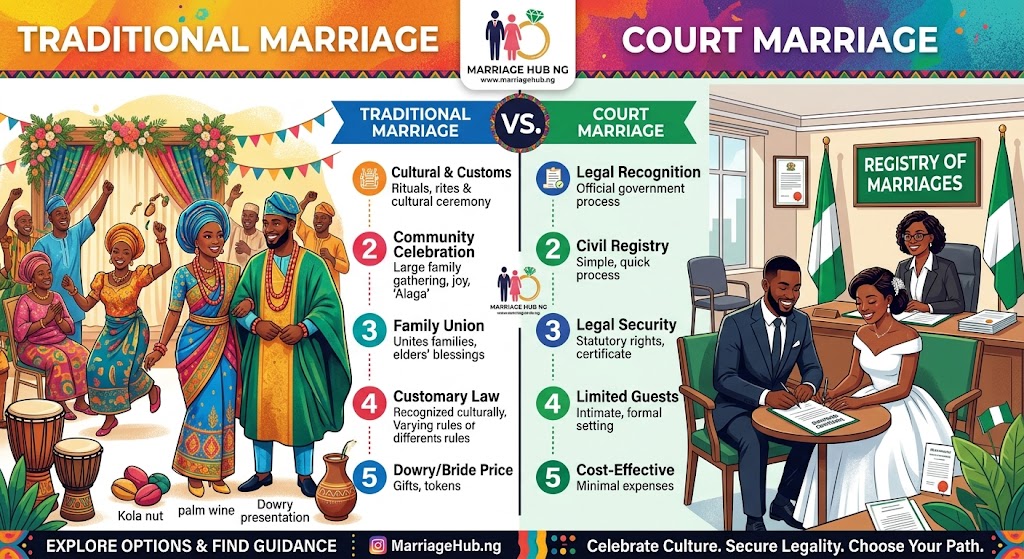
| Feature | Traditional Marriage | Court Marriage |
|---|---|---|
| Basis | Cultural customs and traditions | Legal statutory law (Marriage Act) |
| Ceremony | Includes family negotiations, cultural rites, and symbolic practices | Conducted at a Marriage Registry before a registrar and witnesses |
| Legal Recognition | Recognized if properly registered; may require government documentation | Automatically legally recognized nationwide |
| Polygamy | Allowed in many ethnic groups and Islamic traditions | Not permitted; strictly monogamous |
| Documentation | Minimal unless registering for legal protection | Requires official documents such as ID, birth certificate, divorce/death certificates if applicable |
| Flexibility | Highly flexible; customs vary by culture | Standardized procedures across all registries |
| Family Involvement | High; families actively participate in negotiations and ceremonies | Moderate; families may attend but are not legally involved in the procedure |
Both traditional and court marriages have their benefits and limitations. Choosing the right type depends on personal preferences, cultural background, and legal priorities.
Benefits of Traditional Marriage
-
Cultural Significance: Honors family heritage, customs, and ethnic identity.
-
Family Bonding: Encourages family participation and strengthens community ties.
-
Flexibility: Ceremonies can be tailored according to cultural norms and preferences.
-
Polygamy Option: Recognized under many cultural and Islamic practices.
-
Emotional and Symbolic Value: Celebrates heritage, rituals, and shared traditions.
Traditional marriage is ideal for couples who value culture, family involvement, and ceremonial richness.
Benefits of Court Marriage
-
Legal Protection: Provides nationwide legal recognition, protecting spousal rights, inheritance, and property.
-
Standardization: Procedures are clear, formal, and consistent across states.
-
Ease of Documentation: Court marriage produces official certificates necessary for banking, insurance, and legal transactions.
-
Monogamy Compliance: Ensures legal clarity for monogamous unions.
-
International Recognition: Court marriages are often recognized abroad, which is useful for travel or relocation.
Court marriage is ideal for couples who prioritize legal security, formal recognition, and simplified administrative processes.
Limitations of Traditional Marriage
-
May lack nationwide legal recognition if unregistered.
-
Could lead to disputes over property and inheritance without proper registration.
-
Less standardized, which can create confusion or legal challenges.
-
Polygamous arrangements may not be recognized under statutory law.
Limitations of Court Marriage
-
Less cultural and ceremonial flexibility; may feel formal or impersonal.
-
Requires adherence to standardized procedures and documentation.
-
Polygamy is prohibited; couples seeking multiple spouses cannot legally formalize this in court.
-
Minimal family involvement may reduce traditional bonding experiences.
Combining Traditional and Court Marriage
Many couples in Nigeria opt for both traditional and court marriages, gaining the benefits of cultural celebration and legal recognition. This approach ensures:
-
Cultural rituals and family traditions are respected
-
Nationwide legal protection is secured
-
Spousal rights, inheritance, and property issues are safeguarded
-
Couples can enjoy a richer, more meaningful marital experience
Couples should carefully plan and sequence the ceremonies to ensure both legal and cultural requirements are met.
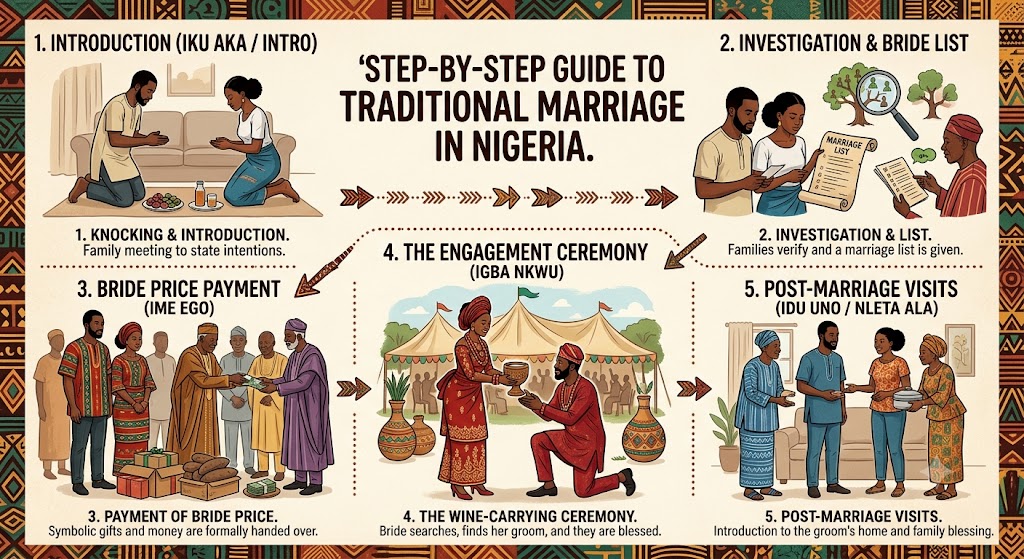
Steps for Traditional Marriage
-
Family Consultation: Seek approval and involvement from both families.
-
Bride Price Negotiation: Agree on bride price, gifts, and other customary obligations.
-
Traditional Ceremony: Conduct cultural rituals and celebration.
-
Documentation (Optional but Recommended): Register the marriage with the government for legal recognition.
Steps for Court Marriage
-
Choose a Marriage Registry: Select a registry convenient for both parties.
-
Submit Notice of Marriage: Provide personal information and intent to marry; the notice is displayed for objections.
-
Provide Documentation: Birth certificates, IDs, divorce/death certificates (if applicable), photographs, and parental consent if underage.
-
Marriage Ceremony: Conduct the wedding before the registrar and witnesses.
-
Obtain Marriage Certificate: Official documentation confirming legal marriage.
Tips for Couples Deciding Between Traditional and Court Marriage
-
Assess Priorities: Determine if cultural traditions, legal recognition, or both are most important.
-
Understand Legal Implications: Court marriage provides protection, while traditional marriage may need registration for legal clarity.
-
Plan for Documentation: Ensure all required documents are available for court or registration purposes.
-
Consider Family Involvement: Decide how much role families should play in the wedding process.
-
Seek Professional Advice if Needed: Lawyers or wedding planners can guide complex arrangements.
Final Thoughts
Choosing between traditional and court marriage is a personal decision influenced by culture, legal considerations, and personal preferences. Both forms of marriage have unique benefits, and many couples in Nigeria combine them to enjoy cultural richness and legal protection.
Understanding the differences, requirements, and legal implications ensures that couples make informed decisions and enjoy a marriage that is recognized, secure, and fulfilling.
Marriage is more than a ceremony—it is a lifelong partnership. By carefully considering the type of marriage and following all necessary procedures, couples can begin their journey with confidence, clarity, and celebration.
Join the MarriageHub Community
You don’t have to navigate marriage preparation alone. MarriageHub offers resources, support, and communities to help couples understand cultural, legal, and relational aspects of marriage.
👉 Join groups or tribes here: https://www.marriagehub.ng/all-groups
👉 Create your own relationship group or tribe here: https://www.marriagehub.ng/create-tribes-group
You can also explore helpful products, services, and downloadable resources designed to strengthen marriages in our marketplace:




.jpg)


Sign in to comment