 Nurturing Marriages, Enriching Families!
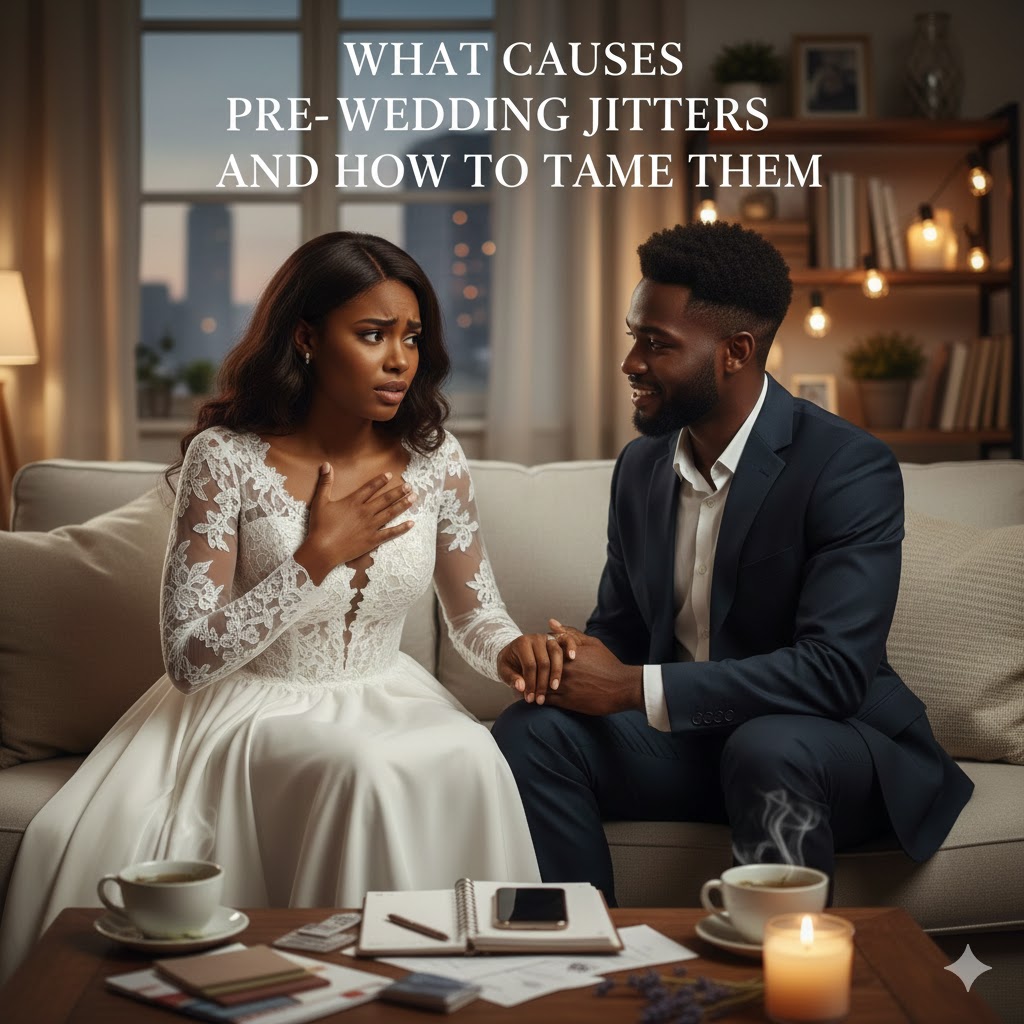
What Causes Pre-Wedding Jitters and How to Tame Them
You're engaged. You're in love. You've planned the perfect day. But as the wedding approaches, something unexpected happens: your stomach is in knots, you can't sleep, and a nagging voice in your head keeps asking, "Am I doing the right thing?"
Welcome to pre-wedding jitters—a nearly universal experience that affects brides, grooms, and couples in every culture and circumstance. Far from being a sign that something is wrong, these feelings are a normal response to one of life's most significant transitions. Understanding why they happen and how to navigate them can transform anxiety into clarity and confidence.
This article explores the common causes of pre-wedding jitters and provides practical strategies to tame them, helping you walk down the aisle with peace rather than panic.
What Are Pre-Wedding Jitters?
Pre-wedding jitters, also known as "cold feet," refer to feelings of anxiety, doubt, or nervousness experienced by someone about to get married . These feelings can range from mild butterflies to intense questioning about the relationship itself.
It's important to distinguish between normal jitters and serious red flags. Normal jitters are temporary, situational, and don't point to fundamental problems in the relationship. They're like the nervousness before any major life event—a job interview, a big move, or public speaking. Serious red flags, on the other hand, involve persistent doubts about your partner's character, your core values, or your fundamental compatibility.
As one relationship expert notes, "The main difference between cold feet and a gut feeling you shouldn't get married is that cold feet tends to be more about general anxiety around marriage, whereas a gut feeling is more specific to your partner or the relationship itself" .
Common Causes of Pre-Wedding Jitters
Understanding why you're feeling anxious is the first step toward managing those feelings. Here are the most common causes of pre-wedding jitters:
1. Fear of Forever
The sheer permanence of marriage can be overwhelming. The idea of spending the rest of your life with one person—through all the changes, challenges, and stages of life—can trigger anxiety even in the most committed hearts .
This fear isn't about doubting your partner; it's about grappling with the weight of forever. It's the realization that this decision will shape the entire trajectory of your life. For someone who has always kept options open, the finality of "til death do us part" can feel suffocating.
2. Wedding Planning Stress
Sometimes the jitters have nothing to do with the marriage and everything to do with the wedding. The pressure to create a perfect day, the financial strain, the family dynamics, and the endless decisions can accumulate into overwhelming stress .
When you're exhausted from managing guest lists, vendor conflicts, and family expectations, that exhaustion can masquerade as doubt about the relationship. It's easy to confuse "I'm stressed about this wedding" with "I'm uncertain about this marriage."
3. Fear of Losing Independence
Marriage represents a significant shift in identity. For people who value their autonomy, the transition from "me" to "we" can trigger anxiety about losing personal freedom, alone time, or the ability to make independent decisions .
This fear is particularly common among those who have been single for a long time, who value their solitude, or who have watched friends lose themselves in marriages. The question "Will I still be me?" echoes beneath the surface.
4. Family Dynamics and Merging Lives
Marriage isn't just joining with a partner; it's joining with an entire family system. Concerns about in-laws, differing family traditions, or how holidays will work can create significant anxiety .
If there's already tension between your partner and your family—or if you're worried about how your family will accept your spouse—these concerns can amplify pre-wedding nerves. You're not just marrying one person; you're navigating relationships with an entire network of people.
5. Past Relationship Baggage
Previous relationships can cast long shadows. If you've been hurt before, if you've witnessed painful divorces, or if you carry guilt about past relationships, these experiences can resurface as you approach your own wedding .
Fear of repeating patterns, of making the same mistakes, or of being hurt again can manifest as anxiety about moving forward. Your heart may be saying "yes," but your protective instincts, shaped by past pain, may be screaming "wait."
6. Perfectionism and Fear of Failure
For high achievers and perfectionists, the idea of making a mistake in something as significant as marriage can be paralyzing. The fear of failure—of becoming a statistic, of having to admit "I was wrong"—can create intense anxiety .
This perfectionism often extends to the wedding day itself. The pressure for everything to be flawless can create such stress that it overshadows the joy of the occasion.
7. Timing Concerns
Questions about timing can fuel jitters: Are we too young? Too old? Have we known each other long enough? Should we have waited until our careers were more established? Should we have lived together first? .
These questions rarely have objective answers. Every couple's timeline is different. But when you're in the throes of wedding planning, it's easy to compare your path to others and wonder if you've gotten it right.
8. Financial Anxiety
Money is one of the most common sources of marital stress, and it can certainly trigger pre-wedding anxiety. Concerns about combining finances, managing debt, or building a secure future together can feel overwhelming .
If you're already worried about the cost of the wedding, those financial fears can spill over into fears about the marriage itself. The question "Can we afford this wedding?" can morph into "Can we afford this life together?"
9. External Pressure
Sometimes the jitters come from feeling pushed into marriage by family expectations, cultural norms, or timeline pressures . If you're getting married because it's "what's supposed to happen next" rather than because you're genuinely ready, that misalignment will create anxiety.
This pressure can come from well-meaning parents eager for grandchildren, from friends who are all marrying, or from an internalized sense that you should be at a certain life stage by a certain age.
10. Unresolved Relationship Issues
Finally, jitters can signal genuine unresolved issues in the relationship. If you're avoiding difficult conversations about money, children, or values; if there are trust issues or recurring conflicts; if you feel you can't be your authentic self—these are real concerns that deserve attention .
The key is distinguishing between general anxiety about marriage (normal) and specific anxiety about problems in your relationship (a signal to pause and address).
How to Tame Pre-Wedding Jitters
Once you understand what's driving your anxiety, you can take active steps to address it. Here are practical strategies for taming those nerves:
1. Create Space for Honest Reflection
Set aside dedicated time to explore your feelings without judgment. Journaling can be particularly helpful—write down what you're feeling, what you're afraid of, and where you think those fears come from .
Ask yourself questions like:
-
What specifically am I anxious about?
-
Is this anxiety about my partner or about marriage in general?
-
What would need to be true for me to feel peaceful about this decision?
-
Am I carrying fears from past experiences that don't belong in this relationship?
This reflection isn't about finding the "right" answer immediately. It's about understanding yourself and your fears more deeply.
2. Talk to Your Partner
One of the most powerful ways to tame jitters is to share them with your future spouse. A loving partner will want to know what you're feeling and will offer reassurance, perspective, and support .
Choose a calm moment to say something like: "I've been having some anxiety about the wedding/marriage, and I wanted to share what's going on with me. I love you, and I'm committed to us—I just need to talk through some of these feelings."
This conversation can do more than ease your anxiety—it can deepen your connection. Vulnerability shared is intimacy built.
3. Distinguish Between Jitters and Red Flags
Take an honest inventory of your doubts. Are they general ("I'm nervous about forever") or specific ("I'm worried he doesn't really want children")? Are they about external factors (family, finances, timing) or about your partner's character and your compatibility ?
If your concerns are specific and point to fundamental issues, consider seeking premarital counseling to address them before the wedding. If they're general and situational, remind yourself that these feelings are normal and don't reflect on your relationship.
4. Practice Self-Care
When we're stressed, anxious, and exhausted, everything looks worse. The weeks before a wedding are notoriously demanding—prioritizing your physical and emotional well-being is essential .
This means:
-
Getting enough sleep, even when there's so much to do
-
Eating nourishing meals rather than surviving on wedding-planning snacks
-
Moving your body in ways that feel good
-
Taking breaks from wedding talk
-
Doing things that bring you joy and have nothing to do with the wedding
A well-rested, well-nourished person is far better equipped to distinguish between real concerns and stress-induced anxiety.
5. Consider Premarital Counseling
Premarital counseling isn't just for couples in crisis. It's a proactive investment in your relationship that can address anxieties, improve communication, and ensure you're aligned on all the important topics .
A skilled counselor provides a safe space to explore your fears, offers tools for managing conflict, and helps you build the skills that make marriages thrive. Many couples find that counseling transforms their anxiety into confidence.
6. Limit External Input
Everyone has an opinion about weddings and marriages. Friends share horror stories. Family members offer unsolicited advice. Social media presents a highlight reel that makes everyone else's relationship look perfect .
During the vulnerable pre-wedding period, consider setting boundaries around external input. Limit time on social media. Politely decline to engage in conversations that fuel your anxiety. Protect your mental space.
7. Visualize Your Marriage, Not Just Your Wedding
Jitters often focus on the wedding day—the event—rather than the marriage—the lifetime. Shift your focus intentionally. Imagine your life five, ten, twenty years from now. Picture ordinary Tuesday nights, holiday mornings, challenges faced together, joys shared .
If those visions bring warmth and peace, your jitters are likely about the wedding, not the marriage. If they bring dread, that's worth exploring further.
8. Practice Mindfulness and Grounding
When anxiety spikes, grounding techniques can bring you back to the present moment. Simple practices include:
-
Deep breathing: inhale for four counts, hold for four, exhale for four
-
The 5-4-3-2-1 technique: notice five things you see, four you can touch, three you hear, two you can smell, one you can taste
-
Walking mindfully, paying attention to each step
These practices interrupt the spiral of anxious thoughts and reconnect you with your body and the present moment.
9. Write a Letter to Your Future Self
Write a letter to yourself to be read on your first anniversary. Describe why you're marrying this person, what you love about them, what you're excited about, and how you're feeling now .
This exercise serves two purposes. First, it clarifies your own heart. Second, it gives you a touchstone to return to when doubts arise—a reminder of the love and intention that brought you to this decision.
10. Trust Your Foundation
Finally, return to the foundation of your relationship. Remember how you met. Recall the moments you knew this person was special. Think about how you've already navigated challenges together. Reflect on the values you share and the future you've dreamed together .
A wedding is a single day. A marriage is a lifetime. The jitters you feel are normal, temporary, and part of the journey. They don't define your relationship or predict its future. What matters is the love, commitment, and partnership you've already built—and will continue building for all the days ahead.
When to Seek Professional Help
While pre-wedding jitters are normal, there are times when professional support is warranted. Consider speaking with a therapist or counselor if:
-
Your anxiety is persistent and interferes with daily functioning
-
You're experiencing panic attacks
-
You can't sleep or eat due to worry
-
Your doubts are specific and point to genuine concerns about the relationship
-
You feel unable to talk to your partner about your feelings
A professional can help you sort through your emotions and make decisions from a place of clarity rather than fear.
Conclusion
Pre-wedding jitters are not a sign that you're making a mistake. They're a sign that you're human—facing a significant life transition with the complexity and depth it deserves. The key is not to eliminate these feelings but to understand them, address them, and move through them with self-compassion and honest communication.
By naming your fears, talking to your partner, practicing self-care, and returning to the foundation of your love, you can transform anxiety into peace. And on your wedding day, when you look into your beloved's eyes, you'll know that the journey through the jitters was worth it—because on the other side waits a lifetime of love.







.jpg)
Sign in to comment