 Nurturing Marriages, Enriching Families!
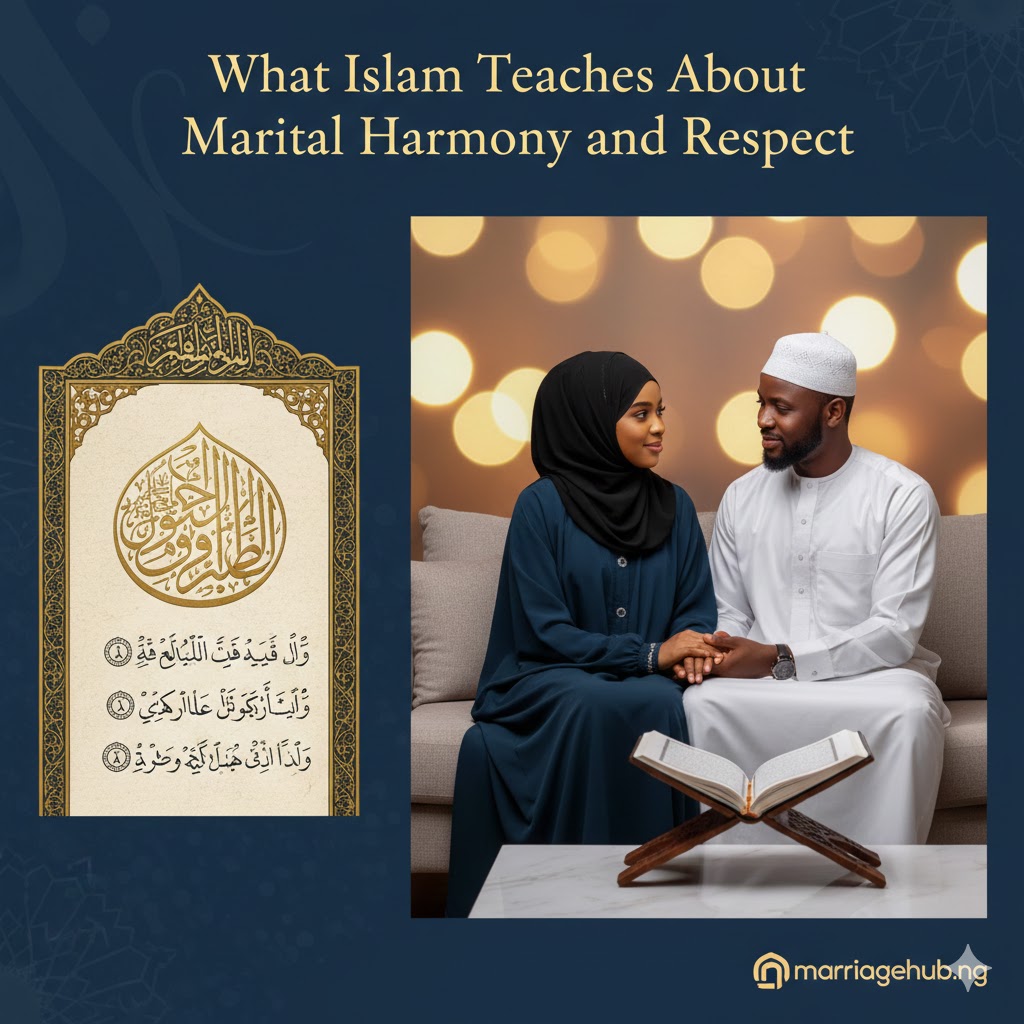
What Islam Teaches About Marital Harmony and Respect
Marriage in Islam is more than a social contract; it is a sacred covenant built on faith, compassion, responsibility, and mutual respect. In a world where relationships are often strained by selfishness, misunderstanding, and cultural pressure, Islamic teachings provide a timeless framework for marital harmony.
Understanding what Islam teaches about marriage helps couples build homes rooted in mercy, balance, and accountability before Allah. Whether you are newly married, preparing for marriage, or seeking to strengthen your relationship, the principles found in Islamic teachings offer guidance for lasting unity.
Marriage in Islam: A Sacred Covenant
Marriage (Nikah) in Islam is described as a solemn covenant. The Qur’an refers to it as a “firm and strong covenant,” emphasizing its seriousness and spiritual significance. It is not merely a romantic union but a partnership designed to promote tranquility, love, and mercy.
In the Holy Qur’an, Qur'an 30:21 states that Allah created spouses so that they may find tranquility in one another, and He placed between them love (mawaddah) and mercy (rahmah).
This verse forms the foundation of Islamic marital harmony:
-
Tranquility (Sakinah) – emotional peace and security
-
Love (Mawaddah) – deep affection and care
-
Mercy (Rahmah) – compassion and forgiveness
When these three elements are nurtured, marriage flourishes.
Mutual Rights and Responsibilities
Islam establishes clear rights and responsibilities for both husband and wife. Marital harmony depends on fulfilling these obligations with sincerity and fairness.
The Husband’s Responsibilities
Islam places leadership (qiwamah) upon the husband, not as domination but as responsibility. He is accountable for:
-
Financial provision
-
Protection and security
-
Kind treatment
-
Emotional care
-
Fairness and justice
The Prophet Muhammad (peace be upon him), referenced in the Hadith collections such as Sahih al-Bukhari, emphasized kindness toward wives. He said, “The best of you are the best to their wives.”
This teaching highlights that true strength in Islam is demonstrated through gentleness and responsibility, not harshness.
The Wife’s Responsibilities
Islam honors women and grants them dignity, rights, and spiritual equality. A wife is encouraged to:
-
Maintain trust and loyalty
-
Support her husband
-
Protect the family’s honor
-
Manage household affairs responsibly (where agreed upon)
-
Contribute to emotional harmony
Respect and cooperation are central to this role. However, Islam does not condone oppression or abuse. Mutual kindness is mandatory for both partners.
The Principle of Mutual Respect
Respect in Islamic marriage is not one-sided. The Qur’an emphasizes fairness and kindness between spouses.
In Qur'an 4:19, believers are instructed to live with their spouses in kindness (ma‘ruf). Even during disagreement, dignity must be preserved.
Respect includes:
-
Avoiding insults or humiliation
-
Listening attentively
-
Honoring each other’s opinions
-
Protecting each other’s reputation
-
Maintaining privacy
Public embarrassment, harsh speech, and disrespect contradict Islamic marital ethics.
Communication and Consultation (Shura)
Islam encourages consultation (shura) in decision-making. Marriage is not authoritarian; it is cooperative.
Major decisions—financial matters, parenting, relocation—should be discussed mutually. When both spouses feel heard, emotional security increases.
Healthy communication prevents resentment and misunderstanding. The Prophet Muhammad (peace be upon him) modeled open communication, patience, and empathy with his wives. His character is considered the ideal example for Muslim husbands and wives alike.
Mercy and Forgiveness in Marriage
No marriage is free from mistakes. Islam emphasizes forgiveness as a key to maintaining harmony.
Mercy (rahmah) means overlooking minor faults, being patient with weaknesses, and seeking reconciliation rather than revenge. The Qur’an frequently reminds believers that Allah loves those who forgive.
When spouses practice forgiveness:
-
Resentment does not accumulate
-
Conflicts resolve more quickly
-
Emotional wounds heal faster
-
Trust is restored
Mercy transforms tension into growth.
Emotional and Physical Intimacy
Islam recognizes intimacy as a blessing within marriage. It strengthens emotional bonds and protects both partners from temptation.
The Prophet Muhammad (peace be upon him) taught that fulfilling one’s spouse emotionally and physically is an act of charity and worship when done sincerely.
Marital intimacy in Islam is:
-
Mutual and consensual
-
Respectful and dignified
-
Free from harm
-
A source of affection and bonding
Neglecting emotional or physical needs can create distance. Islam encourages attentiveness to one another’s needs.
Financial Justice and Responsibility
Financial harmony is crucial in marriage. Islam assigns financial responsibility primarily to the husband, regardless of the wife’s income.
However, cooperation and transparency are encouraged. Financial secrecy and irresponsibility can damage trust.
Islam promotes:
-
Avoiding wastefulness
-
Generosity within capacity
-
Fair spending
-
Honesty in financial matters
When finances are managed responsibly, many marital tensions are reduced.
Handling Conflict in Islam
Disagreements are natural. Islam provides a structured approach to conflict resolution that prioritizes reconciliation.
The Qur’an outlines steps such as:
-
Private discussion
-
Patience and advice
-
Temporary space if needed
-
Mediation by family members
The goal is always restoration, not humiliation or dominance. Divorce is permitted in Islam but described as a last resort after sincere efforts at reconciliation.
The Importance of Good Character (Akhlaq)
Character plays a central role in marital harmony. Islam emphasizes qualities such as:
-
Patience (Sabr)
-
Gratitude (Shukr)
-
Humility
-
Honesty
-
Gentleness
The Prophet Muhammad (peace be upon him) was known for his excellent character. His example teaches that leadership in marriage requires emotional intelligence and kindness.
Good character strengthens love and prevents unnecessary conflict.
Protecting Privacy and Honor
Islam places strong emphasis on safeguarding marital privacy. Spouses are described metaphorically in Qur'an 2:187 as garments for one another—providing comfort, protection, and concealment.
This metaphor highlights:
-
Emotional closeness
-
Confidentiality
-
Protection from external harm
Sharing private marital issues publicly without necessity can damage trust and dignity.
Raising Children in a Harmonious Environment
A peaceful marriage creates a stable environment for children. Islam views parenting as a shared responsibility grounded in faith and moral guidance.
When children observe mutual respect between parents, they learn:
-
Healthy communication
-
Emotional balance
-
Compassion
-
Responsibility
Marital harmony strengthens the entire family structure.
Gender Equity and Spiritual Equality
Islam affirms that men and women are spiritually equal before Allah. Both are accountable for their actions and rewarded for righteousness.
While roles may differ, dignity and worth are equal. This understanding prevents superiority complexes and fosters mutual appreciation.
True marital respect arises from recognizing each other as partners in faith and life, not competitors.
Building a Marriage Rooted in Taqwa
Taqwa—consciousness of Allah—is the foundation of Islamic marriage. When spouses remember that Allah is aware of their actions and intentions, they strive to treat one another with justice and compassion.
Taqwa promotes:
-
Self-control during anger
-
Fairness in disputes
-
Accountability in responsibilities
-
Patience in hardship
A marriage rooted in Taqwa is less likely to be driven by ego and more likely to reflect sincerity.
Common Misunderstandings
Cultural practices sometimes overshadow authentic Islamic teachings. Harmful behaviors such as emotional abuse, financial neglect, or forced decisions are cultural distortions—not Islamic principles.
True Islamic marriage emphasizes mercy, justice, consultation, and kindness.
Understanding this distinction is crucial for restoring harmony where cultural misinterpretation has caused imbalance.
Practical Steps to Strengthen Marital Harmony
To apply Islamic teachings effectively:
-
Pray together regularly.
-
Study the Qur’an and Hadith as a couple.
-
Practice daily acts of kindness.
-
Resolve conflicts privately and respectfully.
-
Seek counseling or mediation when necessary.
-
Prioritize emotional connection.
-
Express gratitude frequently.
Small, consistent actions nurture love and respect over time.
Conclusion
Islam presents a balanced, compassionate, and structured framework for marital harmony and respect. Marriage is a sacred covenant built on tranquility, love, mercy, and accountability before Allah.
Through mutual rights and responsibilities, good character, effective communication, financial justice, and forgiveness, couples can create peaceful homes rooted in faith.
When spouses embody the teachings of the Qur’an and follow the example of the Prophet Muhammad (peace be upon him), marriage becomes not only a partnership but a pathway to spiritual growth and divine reward.
Marital harmony in Islam is not accidental—it is cultivated through faith, patience, mercy, and sincere commitment.






.jpg)

Sign in to comment