 Nurturing Marriages, Enriching Families!

2026 Nigerian Wedding Budget Breakdown: Real Costs for Every Scale
Planning a wedding in Nigeria in 2026 requires more than excitement and Pinterest boards — it demands financial clarity. With inflation, fluctuating exchange rates, and rising vendor demand, wedding costs have shifted significantly over the past few years. Couples who fail to plan strategically often overspend, accumulate debt, or compromise on important elements at the last minute.
Whether you’re planning a modest ceremony in a smaller town or a high-end celebration in Lagos or Abuja, understanding the real cost structure of Nigerian weddings is essential. This comprehensive guide breaks down realistic 2026 wedding budgets across different scales — small, mid-range, and luxury — so you can plan wisely and confidently.
Why Wedding Budgeting Matters More in 2026
Nigeria’s economy continues to experience cost volatility. Event venues, catering services, imported fabrics, décor materials, and even fuel costs influence wedding pricing.
In major cities like Lagos and Abuja, vendor rates are often significantly higher than in smaller cities such as Ibadan, Enugu, or Jos.
Without a detailed breakdown, couples can easily underestimate the true cost of:
-
Catering per guest
-
Décor and lighting
-
Photography and videography
-
Aso-ebi production
-
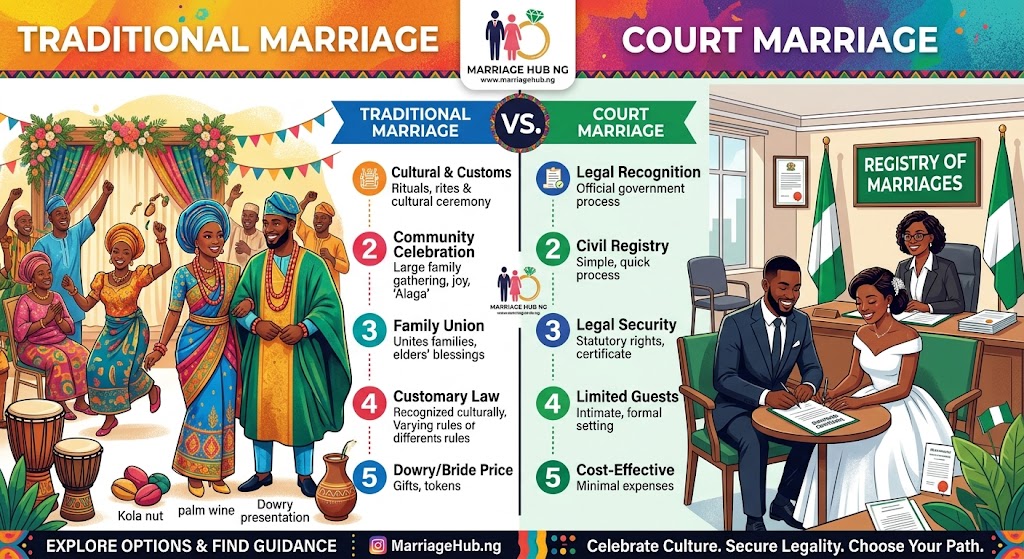
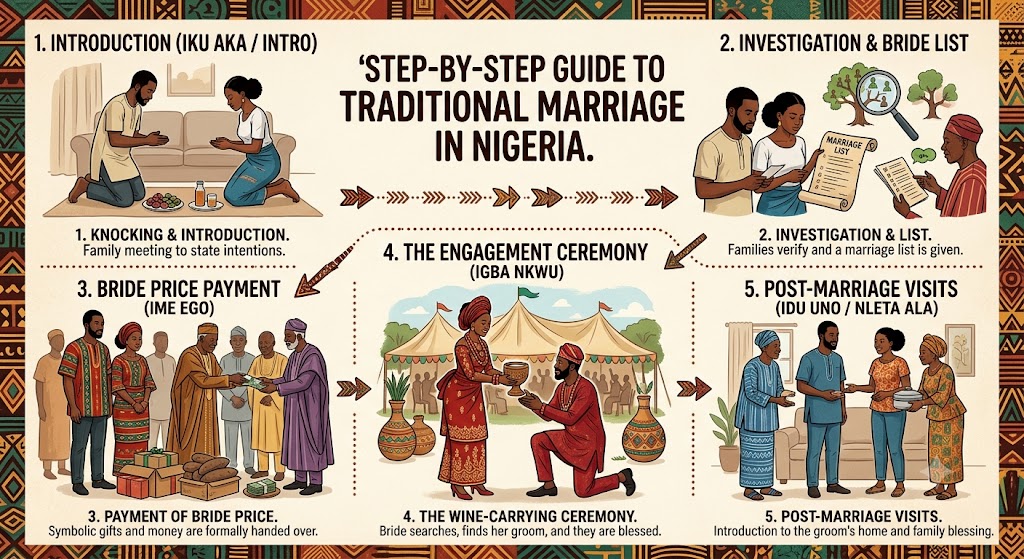
Traditional marriage rites
-
Registry or legal documentation
This guide offers a transparent view of what couples are actually spending in 2026.
Average Wedding Costs in Nigeria (2026 Overview)
Wedding budgets in Nigeria vary widely depending on:
-
Guest count
-
City/location
-
Event type (traditional, white wedding, registry, or combined)
-
Vendor quality
-
Venue prestige
Estimated National Ranges (2026)
-
Small-scale wedding: ₦2 million – ₦6 million
-
Mid-range wedding: ₦7 million – ₦20 million
-
Luxury wedding: ₦25 million – ₦100 million+
These ranges reflect combined traditional and white wedding events, which is common in Nigeria.
Small-Scale Wedding Budget (₦2M – ₦6M)
A small-scale wedding typically involves:
-
100–200 guests
-
Simple décor
-
Affordable venue
-
Moderate catering
-
Limited entertainment
Venue (₦300,000 – ₦800,000)
Community halls, church premises, and modest event centers fall within this range. Booking off-peak months (March, April, September) reduces cost.
Catering (₦800,000 – ₦2,000,000)
Catering usually consumes the largest portion of the budget. At ₦4,000–₦8,000 per guest, food costs can escalate quickly even for small gatherings.
Décor & Lighting (₦300,000 – ₦800,000)
Basic floral arrangements, simple backdrops, and modest lighting setups.
Photography & Videography (₦300,000 – ₦800,000)
Entry-level professional packages often include highlight videos and edited photo albums.
Attire (₦200,000 – ₦600,000)
Includes bridal gown, groom’s outfit, and traditional attire.
Miscellaneous (₦200,000 – ₦500,000)
Programs, souvenirs, transportation, makeup, cake, and contingency fund.
Small-scale weddings are ideal for couples prioritizing intimacy over extravagance.
Mid-Range Wedding Budget (₦7M – ₦20M)
This is the most common wedding scale in urban Nigeria.
Typically includes:
-
250–500 guests
-
Stylish décor
-
Premium catering
-
Experienced vendors
-
Aso-ebi coordination
Venue (₦1M – ₦4M)
High-demand event centers and hotel ballrooms in Lagos and Abuja fall within this range.
Catering (₦3M – ₦8M)
With guest counts of 300–500 and per-head catering costs of ₦8,000–₦15,000, food expenses dominate.
Décor & Lighting (₦1M – ₦3M)
Includes chandeliers, stage design, LED screens, premium floral arrangements.
Photography & Videography (₦800,000 – ₦2.5M)
Mid-tier cinematography packages with drones and same-day edits.
Entertainment (₦500,000 – ₦2M)
Professional DJs or moderately popular live bands.
Attire (₦800,000 – ₦2M)
Designer gowns, custom suits, traditional lace fabrics, multiple outfit changes.
Aso-Ebi Logistics (₦1M – ₦5M turnover)
Depending on fabric cost and guest participation, aso-ebi can either offset costs or require subsidy.
Miscellaneous & Contingency (₦500,000 – ₦2M)
Unexpected vendor adjustments, fuel price changes, additional décor requests.
Mid-range weddings balance elegance and financial prudence.
Luxury Wedding Budget (₦25M – ₦100M+)
Luxury weddings in Nigeria are large-scale productions.
Often include:
-
600–1,500+ guests
-
Celebrity performers
-
High-end décor designers
-
Luxury venues
-
International honeymoon packages
Venue (₦5M – ₦20M)
Premium hotels and exclusive event centers in Lagos and Abuja dominate this category.
Catering (₦10M – ₦30M)
Premium menus, multiple courses, cocktail stations, and imported beverages.
Décor & Production (₦5M – ₦20M)
Advanced lighting rigs, stage engineering, luxury floral installations, LED tunnels.
Photography & Videography (₦3M – ₦10M)
Top-tier cinematographers with multi-camera teams and documentary-style films.
Entertainment (₦3M – ₦20M+)
Live bands, popular musicians, celebrity MCs.
Attire (₦3M – ₦15M)
Multiple custom designer outfits, imported gowns, professional stylists.
Luxury weddings are less about necessity and more about spectacle and experience.
Cost Differences by City in 2026
Location significantly influences cost.
In Lagos, vendor demand and logistics increase pricing. Abuja follows closely, especially for high-end venues.
In cities like Ibadan, Enugu, Kano, or Benin, similar wedding styles may cost 15–30% less.
Transportation, accommodation for vendors, and fuel costs also impact pricing if events are held outside major cities.
Hidden Wedding Costs Couples Often Forget
Many couples budget for major vendors but forget smaller expenses that add up:
-
Marriage registry fees
-
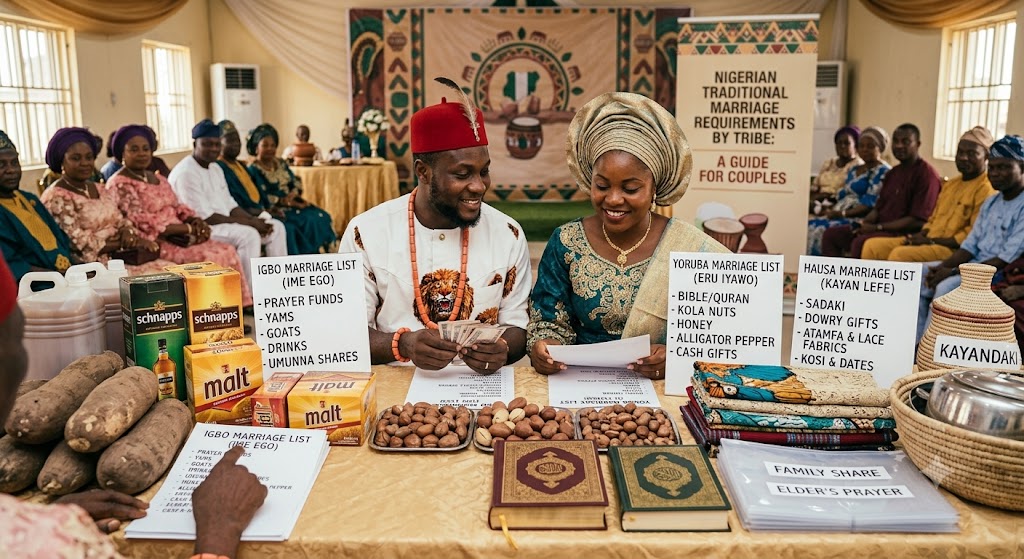
Traditional marriage list items
-
Bride price and cultural rites
-
Guest accommodation
-
Security personnel
-
Generator fuel
-
Cleanup services
-
Vendor feeding
-
Transportation logistics
Allocating at least 5–10% of your budget as contingency helps absorb surprises.
Wedding Inflation Trends in Nigeria
Between 2023 and 2026, wedding-related services have seen steady price increases due to:
-
Currency fluctuations affecting imported décor
-
Rising fuel prices
-
Increased demand for premium aesthetics
-
Social media-driven expectations
Catering and décor are the fastest-rising cost categories.
Couples planning in 2026 should request updated vendor quotes early to avoid mid-year price hikes.
Smart Budgeting Strategies for Nigerian Couples
Start by determining your total available funds — not projected gifts or promises.
Prioritize your top three must-have elements, such as venue, food, or photography.
Consider reducing guest count to control catering costs.
Negotiate bundled vendor packages where possible.
Avoid borrowing large sums solely for one-day celebrations.
Focus on building a strong marriage, not just a lavish event.
Sample Budget Allocation Percentages (2026)
For balanced weddings, couples often allocate:
-
30–40% to catering
-
15–25% to venue
-
10–15% to décor
-
8–12% to photography
-
5–10% to attire
-
5–10% to entertainment
-
5–10% contingency
Adjust these percentages based on personal priorities.
Traditional vs White Wedding Budget Impact
In Nigeria, many couples host:
-
Traditional wedding
-
White/church wedding
-
Reception
-
Introduction ceremony
Each adds cost.
Some couples now merge events into a single-day celebration to reduce expenses.
Streamlining events is one of the biggest 2026 cost-saving trends.
FAQs: Nigerian Wedding Budget 2026
What is the minimum realistic wedding budget in Nigeria?
A modest but organized wedding may require at least ₦2 million in 2026.
Is ₦10 million enough for a Lagos wedding?
Yes, for a mid-range event with 250–300 guests if carefully managed.
Which wedding element costs the most?
Catering is typically the highest expense.
Should couples take loans for weddings?
Financial experts advise caution. Avoid long-term debt for short-term celebration.
How can couples reduce costs?
Reduce guest list, book off-peak dates, negotiate vendors, merge events.
Conclusion
Planning a Nigerian wedding in 2026 requires financial awareness, strategic prioritization, and realistic expectations. From small intimate gatherings to grand luxury celebrations, costs vary dramatically depending on scale, city, and vendor quality.
The key takeaway is simple: know your numbers before you say “I do.”
Budget transparently. Plan early. Prioritize wisely. Leave room for contingencies. And remember that a successful wedding is not defined by its cost, but by the strength of the marriage it launches.
When finances are handled responsibly, your wedding becomes a joyful beginning — not a financial burden.




.jpg)

Sign in to comment