 Nurturing Marriages, Enriching Families!
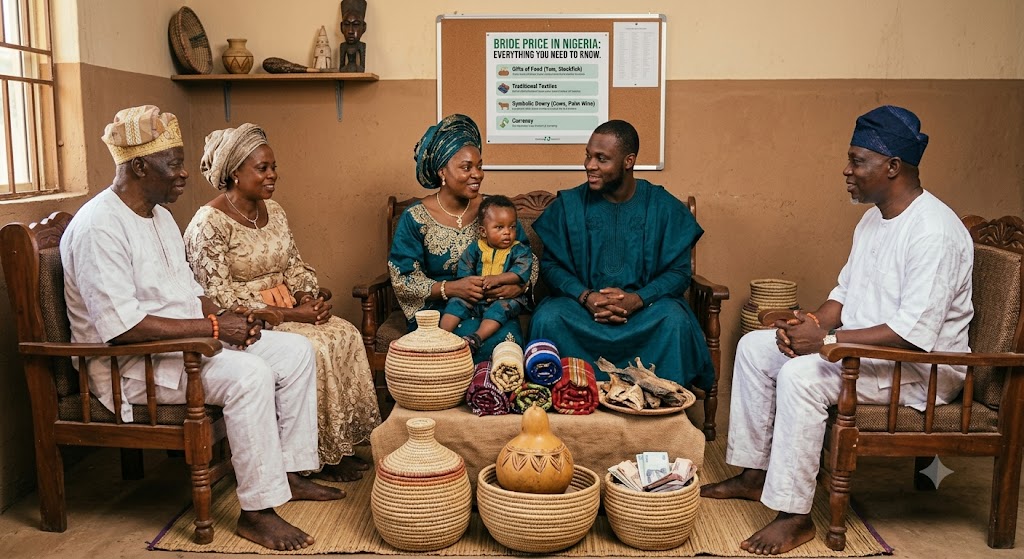
Bride Price in Nigeria: Everything You Need to Know
Bride price is one of the oldest and most respected marriage traditions in Nigeria. Across the country's more than 250 ethnic groups, the payment of bride price symbolizes respect, commitment, appreciation, and the formal union of two families rather than simply two individuals. Whether it is called bride price, bride wealth, marriage list, dowry (although technically different), or traditional marriage requirements, the practice remains an important part of customary marriages throughout Nigeria.
Although the customs differ among the Igbo, Yoruba, Hausa, Fulani, Ibibio, Efik, Tiv, Ijaw, Edo, Urhobo, Kanuri, Nupe, and many other ethnic groups, the underlying purpose is remarkably similar. Bride price is not the purchase of a woman. Instead, it is a symbolic gesture that acknowledges the upbringing of the bride by her family and formally establishes a marital relationship recognized by customary law.
In recent years, however, bride price has generated significant public debate. Some believe that increasing financial demands from families discourage young people from getting married, while others argue that the tradition preserves culture and strengthens family ties. Understanding the true meaning of bride price helps couples and their families appreciate its importance while avoiding practices that place unnecessary financial burdens on prospective husbands.
This comprehensive guide explains everything you need to know about bride price in Nigeria, including its meaning, history, legal significance, cultural variations, typical costs, common challenges, and practical advice for intending couples.
What Is Bride Price?
Bride price refers to the customary gifts, money, or valuable items presented by the groom and his family to the bride's family before a traditional marriage is completed. Contrary to a common misconception, the payment does not represent the purchase or ownership of a woman. Instead, it serves as a cultural expression of gratitude, honour, commitment, and acceptance between two families.
In many Nigerian communities, the payment of bride price signifies that the marriage has been formally recognized under customary law. Once the required traditional rites have been completed, both families publicly acknowledge the union, and the couple is regarded as husband and wife according to local customs.
Historically, bride price also symbolized the groom's ability to assume responsibility for his future family. Today, while many families still value this tradition, there is increasing emphasis on keeping the requirements symbolic and affordable.
The Historical Origins of Bride Price
Bride price has existed in Africa for centuries, long before colonial rule or the introduction of Christianity and Islam. Traditional African societies viewed marriage as an alliance between families rather than merely a private relationship between two individuals.
The exchange of gifts created mutual obligations, strengthened family relationships, and demonstrated that the groom was entering the marriage with sincerity and responsibility. Livestock, farm produce, palm wine, kola nuts, fabrics, cowries, beads, and other valuable items were commonly exchanged depending on the region and local economy.
As Nigeria modernized, many of these traditional gifts were supplemented or replaced with cash payments, imported drinks, luxury fabrics, household items, and other modern gifts. Nevertheless, the symbolic meaning has largely remained unchanged.
Bride Price Across Nigeria's Major Ethnic Groups
Nigeria's cultural diversity means there is no single bride price tradition.
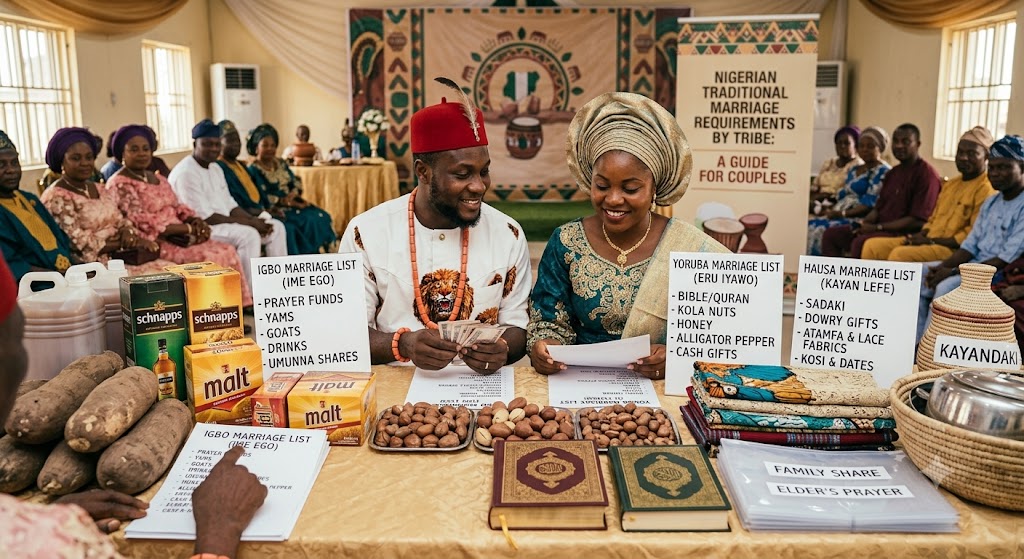
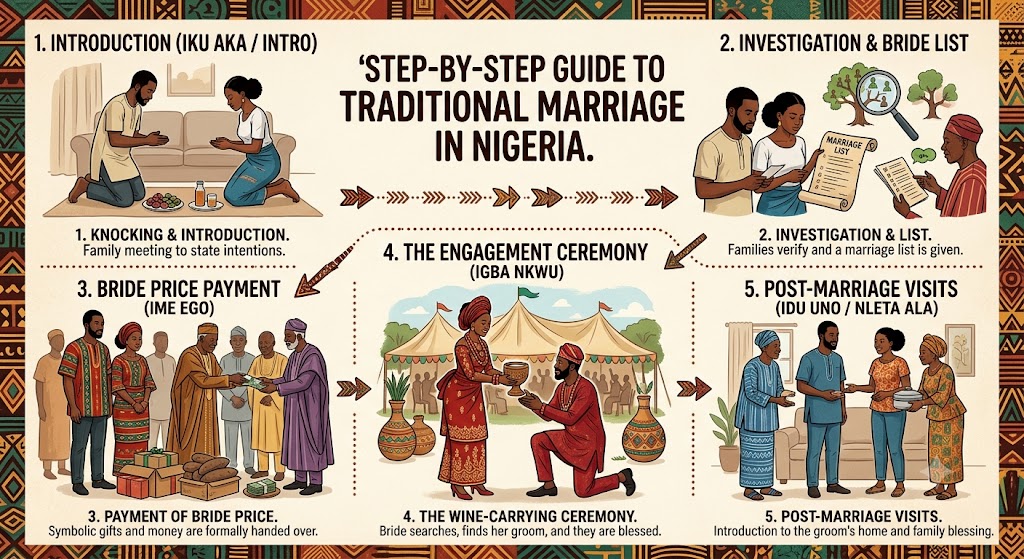
Among the Igbo people, the traditional marriage process usually begins with "Iku Aka" (knocking on the door), where the groom's family formally declares their intentions. This is followed by family investigations, introduction ceremonies, and the presentation of the bride price list. The list often contains symbolic items such as kola nuts, palm wine, wrappers, drinks, livestock, food items, and a modest cash bride price. In many Igbo communities, the actual cash bride price is intentionally kept relatively low because it symbolizes honour rather than commercial value.
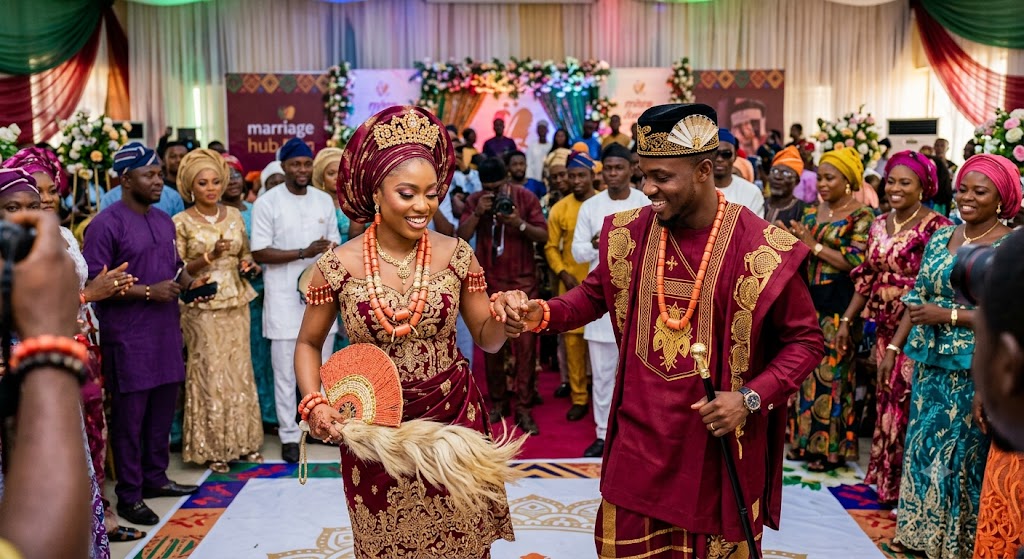
Among the Yoruba, the traditional engagement ceremony is elaborate and highly ceremonial. Families exchange prayers, gifts, and symbolic items. The bride price itself is usually modest, while greater emphasis is placed on presentation, family interaction, and cultural rituals.
In northern Nigeria, particularly among Hausa and Fulani communities, Islamic traditions strongly influence marriage practices. The groom pays the "Mahr," which is an Islamic marital gift given directly to the bride rather than her parents. This differs from customary bride price and becomes the personal property of the bride.
Among the Efik, Ibibio, Edo, Ijaw, Tiv, and several minority ethnic groups, customs vary considerably, although most retain symbolic payments alongside traditional marriage rites.
Is Bride Price Required by Nigerian Law?
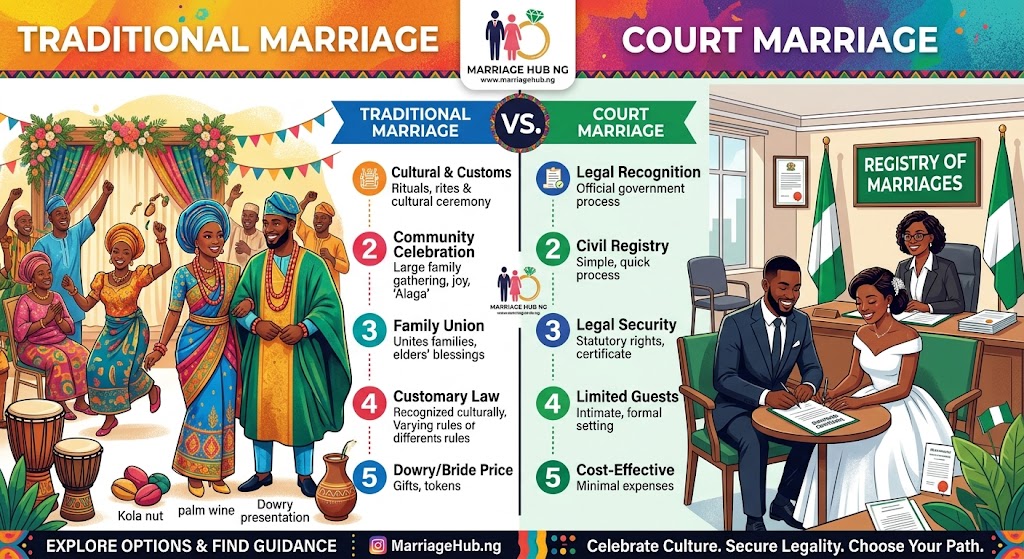
Nigeria recognizes three major forms of marriage: customary marriage, Islamic marriage, and statutory marriage under the Marriage Act.
For customary marriages, payment of bride price or fulfillment of the relevant traditional requirements is generally considered an essential part of a valid customary marriage in many communities. However, the exact customs vary from one ethnic group to another.
Statutory marriages conducted at marriage registries or licensed places of worship are governed by Nigerian law rather than customary requirements. Nevertheless, many Nigerian couples perform both customary and statutory marriages to honour their culture while obtaining legal recognition under the Marriage Act.
How Much Does Bride Price Cost in Nigeria?
One of the most frequently asked questions by intending couples is how much bride price costs.
The answer depends entirely on ethnicity, community, family traditions, educational background, and local customs.
In many communities, the actual bride price may range from as little as ₦500 to ₦20,000 because the payment itself is purely symbolic. The larger expenses usually arise from fulfilling the traditional marriage list, which may include drinks, clothing, food items, livestock, gifts for family members, and other ceremonial requirements.
Overall, traditional marriage expenses can range from approximately ₦300,000 to well over ₦3 million depending on the family's expectations, location, and social status. Wealthier families sometimes spend significantly more, particularly when elaborate ceremonies are involved.
Relationship experts increasingly encourage families to avoid excessive financial demands that discourage young couples from marrying.
Why Bride Price Matters
Bride price continues to hold cultural significance because it demonstrates respect for family traditions and publicly acknowledges the union between two extended families. It symbolizes gratitude for the care and upbringing provided to the bride and creates an opportunity for families to meet, establish relationships, and celebrate together.
Many traditional rulers and community leaders emphasize that bride price should never become a commercial transaction. Instead, it should remain a symbolic act that strengthens family unity and preserves cultural identity.
Common Misconceptions About Bride Price
One of the biggest misconceptions is that paying bride price means a husband owns his wife. This belief has no legitimate basis in modern Nigerian law or in the original cultural intentions behind bride price.
Marriage remains a partnership built on mutual respect, dignity, love, and shared responsibility. Paying bride price does not give anyone the right to abuse, control, or mistreat a spouse.
Another misconception is that expensive bride price guarantees a successful marriage. Numerous successful marriages began with modest traditional ceremonies, while some lavish weddings have unfortunately ended in divorce. Character, communication, financial responsibility, emotional maturity, and mutual respect remain far more important than the amount spent on traditional rites.
Challenges Facing Bride Price Today
Modern economic realities have changed how many Nigerians perceive bride price. High unemployment, inflation, rising housing costs, and increasing wedding expenses have made marriage more financially challenging for young couples.
In some communities, lengthy marriage lists containing expensive electronics, luxury drinks, vehicles, or unrealistic cash demands have sparked criticism from religious leaders, traditional rulers, and marriage counsellors. Several communities across Nigeria have even introduced reforms aimed at reducing excessive bride price demands to encourage marriage among young people.
Social media has also contributed to unrealistic expectations, with some families attempting to compete through extravagant traditional ceremonies rather than focusing on the true purpose of marriage.
Real-Life Nigerian Experiences
Consider the story of Chinedu and Amaka from Anambra State. Before their traditional marriage, Chinedu feared he would not be able to afford the bride price after hearing stories about expensive marriage lists. When both families eventually met, they discovered that many of the rumours were exaggerated. The bride's parents emphasized that they wanted a responsible husband for their daughter rather than excessive payments. The traditional ceremony proceeded peacefully, and both families remain close years later.
Another example involves Tunde and Sade in Lagos. Although they came from different ethnic backgrounds, both families agreed to simplify the traditional requirements. Instead of insisting on every customary item, they focused on the symbolic aspects of the ceremony. The savings allowed the couple to make a down payment on their first apartment, demonstrating that cultural traditions can coexist with financial wisdom.
In another case, Fatima and Musa from Kano ensured that discussions about the Mahr were conducted respectfully and transparently. Fatima selected an amount she considered reasonable, emphasizing that the marriage itself mattered more than the monetary value of the gift. Their families appreciated the simplicity and mutual understanding displayed throughout the process.
How Couples Should Prepare
Preparation for bride price discussions should begin long before wedding planning. Couples should openly discuss family traditions, financial expectations, cultural differences, and long-term financial goals. Honest communication reduces misunderstandings and enables both families to approach negotiations with mutual respect.
Prospective husbands should avoid borrowing excessively simply to impress relatives or social media audiences. Likewise, families should remember that their primary objective is to support a successful marriage rather than create unnecessary financial burdens.
Seeking guidance from respected elders, religious leaders, or experienced marriage counsellors can also help couples navigate cultural expectations while maintaining healthy family relationships.
The Future of Bride Price in Nigeria
Bride price is likely to remain an important aspect of Nigerian culture for generations to come. However, many communities are gradually encouraging moderation, affordability, and greater emphasis on symbolism rather than financial value.
Younger Nigerians increasingly advocate preserving cultural heritage while eliminating practices that discourage marriage or create avoidable hardship. Traditional rulers, faith leaders, and relationship experts continue to encourage families to focus on character, compatibility, and family unity rather than material demands.
Ultimately, the strength of a marriage is not measured by the amount paid as bride price but by the love, commitment, trust, communication, and mutual respect shared between husband and wife.
Final Thoughts
Bride price remains one of Nigeria's most treasured cultural traditions because it symbolizes respect, gratitude, commitment, and the coming together of families. When approached with wisdom and moderation, it strengthens relationships and preserves cultural identity. When transformed into an avenue for excessive financial demands, however, it can delay marriages and create unnecessary stress for young couples.
Every family has the opportunity to preserve the beauty of this tradition while adapting it to today's economic realities. By emphasizing love, mutual respect, and family unity over material expectations, Nigerians can ensure that bride price continues to serve its original purpose for generations to come.
Discover More Relationship Resources on MarriageHub.ng
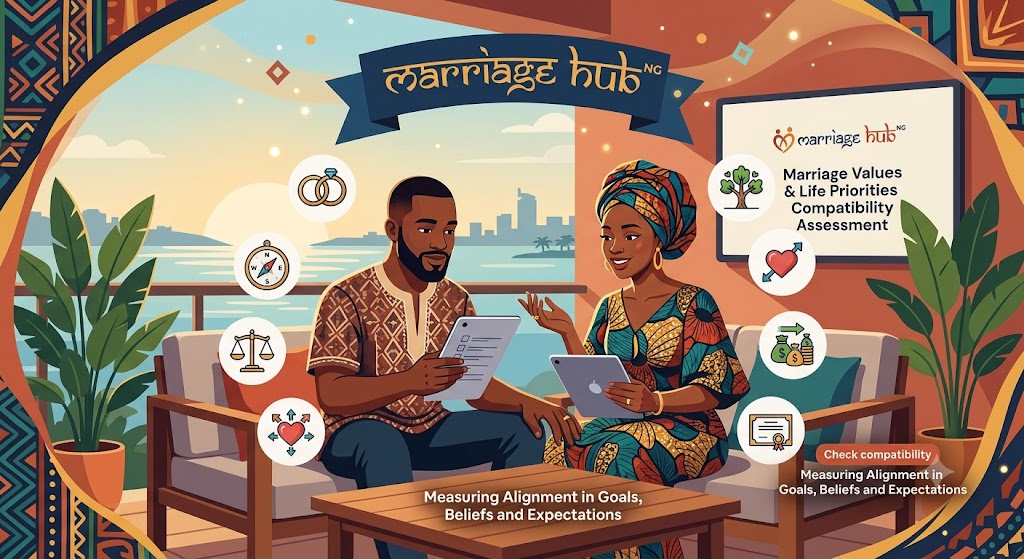
Whether you are preparing for marriage, planning your traditional wedding, or seeking relationship guidance, MarriageHub.ng offers practical tools and resources for Nigerian singles and couples.
Take the Marriage Readiness Test to assess your preparedness for marriage at https://www.marriagehub.ng/analyzer/index.php.
If you have sensitive relationship concerns, Ask Anonymous Questions at https://www.marriagehub.ng/questions-answers and receive confidential guidance from the community.
Planning your traditional wedding or other celebration? Create an E-Invite at https://www.marriagehub.ng/annouce-my-event/.
Searching for a compatible spouse? Find a Life Partner through https://www.marriagehub.ng/match-making/frontend/discover.php.
Planning your wedding? Browse Trusted Wedding Vendors at https://www.marriagehub.ng/vendors.
Join vibrant relationship communities by visiting https://www.marriagehub.ng/all-groups or create your own group or tribe at https://www.marriagehub.ng/create-tribes-group.
You can also purchase relationship books, wedding resources, counselling services, digital downloads, and other useful products through the MarriageHub Marketplace at https://www.marriagehub.ng/marketplace.
Follow MarriageHub Nigeria
Stay connected for expert relationship advice, marriage tips, wedding inspiration, and community discussions.
WhatsApp: https://whatsapp.com/channel/0029VbCav9MCcW4pw3GSM72w
X: https://x.com/MarriageHubNG
Facebook: https://web.facebook.com/MarriageHubNigeria
Instagram: https://www.instagram.com/marriagehubng3




.jpg)

Sign in to comment