 Nurturing Marriages, Enriching Families!
Bride Price Negotiation Tips in Nigeria: A Complete Guide for Couples and Families
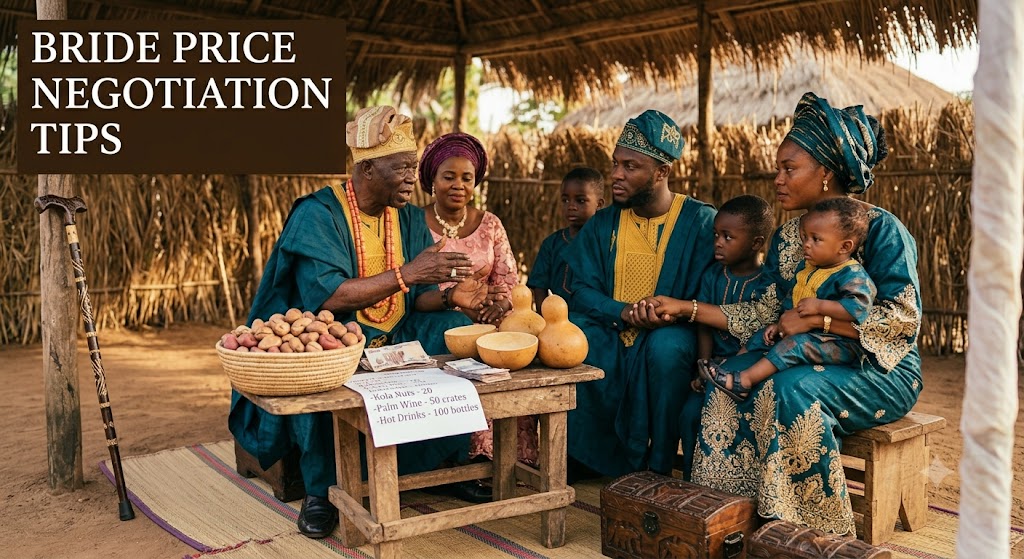
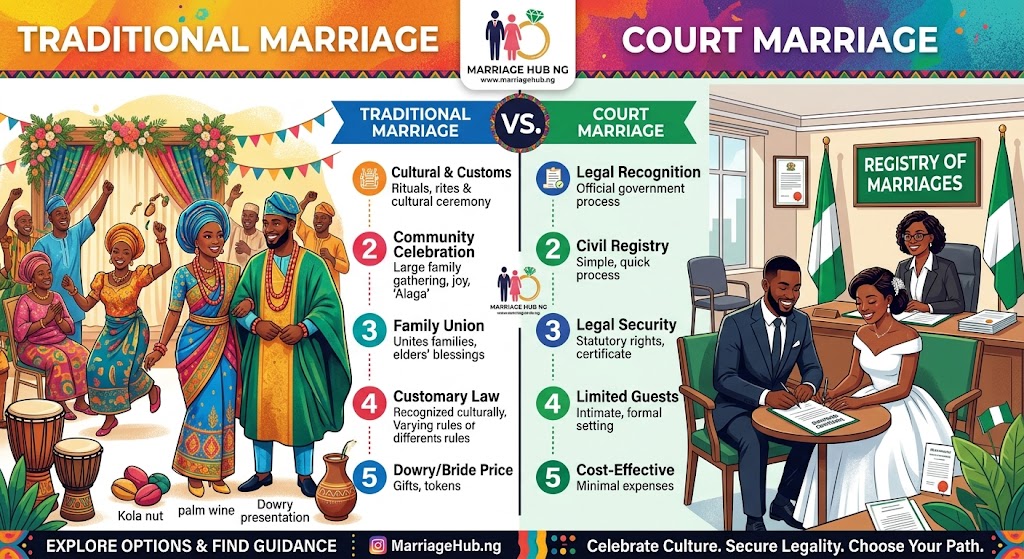
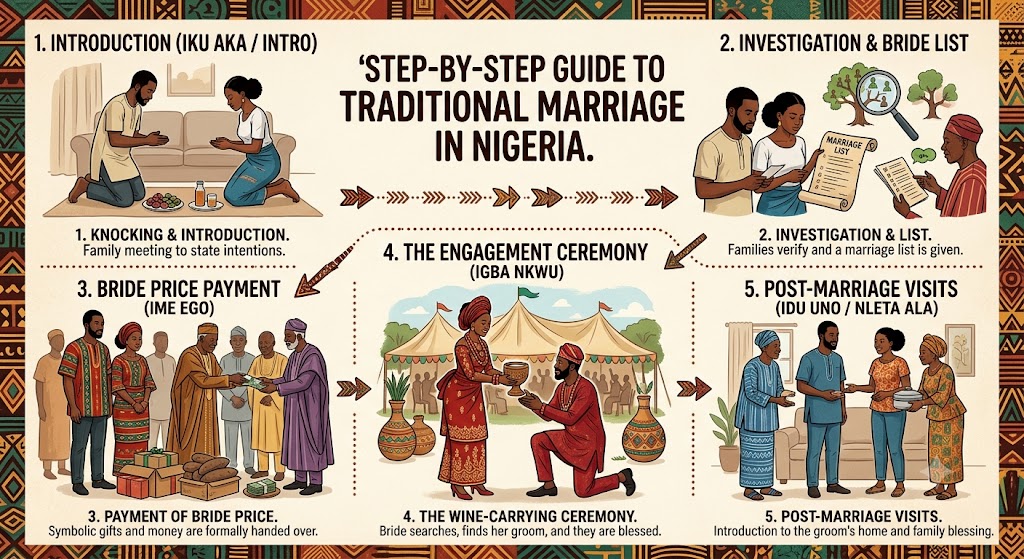
Bride price negotiation is one of the most significant traditions in Nigerian marriage ceremonies. Whether it is called bride price, bride wealth, dowry (although technically different), or marriage rites, the negotiation process represents far more than an exchange of money or gifts. It symbolizes respect for the bride's family, appreciation for the upbringing of the bride, and the formal union of two families.
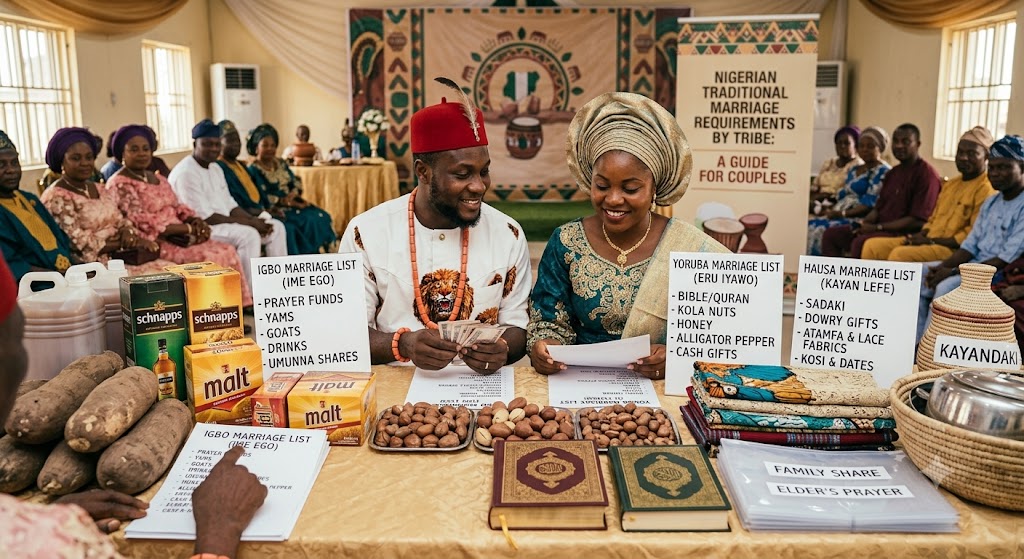
Across Nigeria's over 250 ethnic groups, bride price customs vary considerably. Among the Igbo, Yoruba, Hausa, Ibibio, Efik, Tiv, Urhobo, Edo, Ijaw, Nupe, Idoma, and many other ethnic groups, the process has unique cultural practices, items, and ceremonies. Despite these differences, one principle remains constant: bride price negotiations should strengthen family relationships rather than create unnecessary financial burdens or conflict.
Unfortunately, some negotiations become unnecessarily difficult because of unrealistic demands, poor communication, cultural misunderstandings, or attempts to commercialize marriage. In recent years, many religious leaders, traditional rulers, marriage counsellors, and community elders have encouraged moderation, emphasizing that marriage should not become unaffordable for responsible young people.
This comprehensive guide explains practical bride price negotiation tips within the Nigerian context, helping couples and their families approach the process with wisdom, respect, and cultural sensitivity.
Understanding the Purpose of Bride Price
Before discussing negotiation strategies, it is important to understand why bride price exists.
Contrary to a common misconception, bride price is not the purchase of a woman. Rather, it is a symbolic expression of gratitude to the bride's parents and extended family for raising and nurturing their daughter. It also signifies that both families recognize and approve of the marriage.
In many Nigerian communities, the actual monetary value of the bride price is relatively small. What often costs more are the accompanying traditional gifts, food items, drinks, clothing, livestock, or ceremonial requirements that differ from one community to another.
When families understand that the ceremony is primarily symbolic rather than commercial, negotiations become far more peaceful.
Research the Cultural Requirements Early
One of the biggest mistakes couples make is waiting until a few weeks before the traditional marriage to learn about bride price requirements.
Every community has its own customs regarding required items, family introductions, traditional drinks, clothing, livestock, cash gifts, kola nuts, alligator pepper, palm wine, wrappers, or symbolic materials.
Some communities provide a written list while others rely on oral tradition.
Obtaining the official list early gives the groom's family enough time to prepare financially without unnecessary pressure.
Many families also discover that some items can be sourced locally at significantly lower prices when purchased several months before the ceremony.
Respect Tradition Even When Negotiating
Successful negotiations begin with respect.
The groom's family should approach the bride's family with humility rather than entitlement. Nigerian culture places enormous value on courtesy, greetings, patience, and respect for elders.
Negotiations should never become confrontational.
Even when certain requests appear excessive, respectful dialogue almost always produces better outcomes than arguments or ultimatums.
In many communities, experienced family elders handle most discussions because they understand the cultural language and traditional expectations.
Allow Experienced Family Representatives to Lead
Bride price negotiation is rarely conducted by the couple themselves.
Instead, respected uncles, elders, parents, or family representatives usually speak on behalf of both families.
Experienced negotiators understand cultural etiquette, know when to joke, when to remain silent, and when to make reasonable requests.
Their maturity often prevents unnecessary tension and allows both families to preserve dignity throughout the process.
Young couples should avoid interfering excessively unless invited to contribute.
Budget Before Negotiations Begin
Financial planning reduces stress.
Apart from the bride price itself, traditional marriages involve transportation, accommodation, clothing, photography, decoration, catering, gifts, music, and other ceremony expenses.
Preparing a realistic budget allows the groom and his family to know what they can comfortably afford without borrowing excessively.
Beginning married life under heavy debt often creates avoidable financial pressure.
Marriage counsellors generally advise couples to prioritize building a stable home rather than organizing an extravagant ceremony.
Understand That Negotiation Is Part of the Tradition
The word "negotiation" should not be viewed negatively.
In many Nigerian cultures, requesting an initial amount that exceeds expectations is simply part of the ceremonial process.
Likewise, the groom's representatives are expected to respectfully negotiate.
The goal is not necessarily to secure the lowest possible amount but to demonstrate mutual goodwill, wisdom, and respect.
Both families usually understand that compromise is part of the tradition.
Avoid Turning Marriage Into a Business Transaction
One concern increasingly raised by traditional rulers and religious leaders is the commercialization of bride price.
Some families unintentionally place excessive financial demands on intending couples by requesting luxury items, expensive electronics, multiple vehicles, or unrealistic cash payments.
Such practices discourage marriage and place unnecessary financial burdens on young people.
Bride price should celebrate family unity, not generate profit.
Communities that maintain reasonable expectations often witness healthier relationships between both families after marriage.
Communicate Openly Before the Ceremony
Many misunderstandings occur because the bride and groom never discuss financial expectations beforehand.
Couples should have honest conversations about traditional requirements, available finances, family expectations, and possible challenges.
If there are concerns regarding affordability, these should be discussed privately long before negotiations begin.
Open communication prevents embarrassment during the ceremony itself.
Appreciate Cultural Differences
Inter-tribal marriages continue to increase across Nigeria.
An Igbo man marrying a Yoruba woman, a Hausa man marrying an Efik woman, or an Edo woman marrying an Idoma man may encounter unfamiliar customs.
Rather than criticizing differences, both families should approach each other's traditions with curiosity and respect.
Learning basic cultural practices demonstrates goodwill and reduces misunderstandings.
Avoid Comparing Families
Every family has different traditions, financial circumstances, and expectations.
Statements such as "another family accepted less" or "our neighbour paid more" rarely produce positive outcomes.
Each negotiation should remain focused on the relationship between the two families rather than comparisons with others.
Respecting each family's unique customs fosters goodwill.
Prepare the Required Items Carefully
Beyond cash, many Nigerian traditional marriages require symbolic items such as kola nuts, palm wine, yams, wrappers, beverages, livestock, or food items.
Presenting these items neatly and according to cultural expectations demonstrates seriousness and respect.
Families often appreciate careful preparation more than expensive displays.
Remain Patient During Negotiations
Traditional negotiations sometimes last several hours.
There may be periods of waiting, private consultations among elders, ceremonial jokes, or symbolic requests intended to test patience.
These moments are normal aspects of many Nigerian marriage traditions.
Remaining calm and respectful contributes to a successful outcome.
Focus on Building Family Relationships
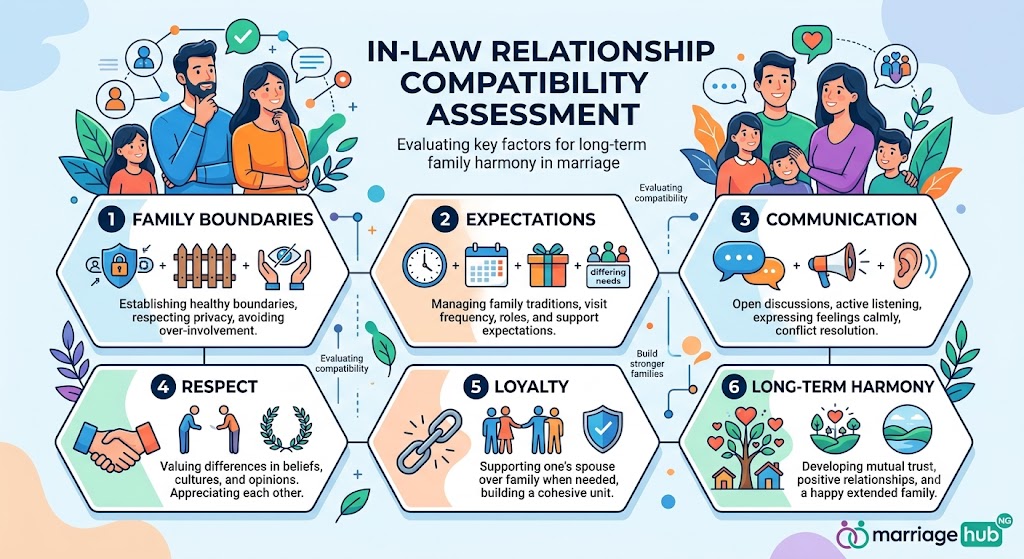
Bride price negotiation marks the beginning of a lifelong relationship between two families.
The atmosphere should therefore encourage friendship rather than hostility.
Warm conversations, shared meals, laughter, and mutual respect often leave lasting impressions that strengthen future family relationships.
Learn From Real-Life Nigerian Experiences
A young engineer from Enugu once became anxious after receiving what appeared to be an expensive bride price list from his fiancée's community. Rather than reacting emotionally, his family consulted respected elders from the community, who explained that several listed items were symbolic and could be presented in modest quantities. During the negotiation, many demands were reduced according to custom, allowing both families to celebrate joyfully without unnecessary financial strain.
In another example from Oyo State, a groom's family carefully visited the bride's relatives months before the wedding to understand local customs and expectations. Because they approached the family respectfully and maintained open communication throughout the planning process, the negotiation proceeded smoothly, strengthening relationships between both families.
Conversely, there have been cases where poor communication created avoidable problems. In one instance, a groom borrowed heavily to meet extravagant ceremony expectations without informing his fiancée. The financial burden placed significant stress on the newly married couple, demonstrating the importance of realistic planning and financial transparency before marriage.
Modern Trends in Bride Price Negotiation
Nigeria's marriage customs continue to evolve.
Many communities have simplified traditional requirements to reduce financial burdens on young couples. Some traditional rulers have introduced standardized bride price amounts, while several communities have publicly discouraged excessive demands.
Urbanization, higher education, inter-ethnic marriages, and changing economic realities have encouraged many families to focus more on the symbolic meaning of bride price than on its monetary value.
Religious institutions also increasingly encourage moderation while respecting cultural heritage.
These positive developments are helping preserve tradition without making marriage inaccessible.
Common Mistakes to Avoid
Several avoidable mistakes can complicate bride price negotiations. Couples sometimes begin planning too late, leaving insufficient time to prepare required items. Others fail to consult community elders who understand local customs, resulting in unnecessary misunderstandings. Some families allow pride or competition to influence discussions, while others compare traditions instead of appreciating cultural differences.
Another common mistake is financing ceremonies through excessive borrowing. While every couple wants a memorable wedding, beginning married life under overwhelming debt often creates financial tension that could have been avoided with better planning.
Perhaps the greatest mistake is forgetting that the purpose of bride price is to unite families rather than create conflict. When everyone keeps this objective in mind, negotiations usually become far more pleasant and successful.
Practical Advice for Couples
The most successful bride price negotiations are built on mutual respect, careful planning, patience, financial responsibility, and effective communication. Couples should involve their parents early, understand the customs of both families, prepare adequately, and remain flexible throughout the process.
Marriage is far more important than the ceremony itself. A peaceful negotiation lays the foundation for stronger relationships between families and allows the newly married couple to begin their journey with joy rather than resentment.
As Nigeria continues to modernize, preserving the cultural significance of bride price while eliminating unnecessary financial hardship will help ensure that this cherished tradition continues to unite families for generations to come.
Final Thoughts
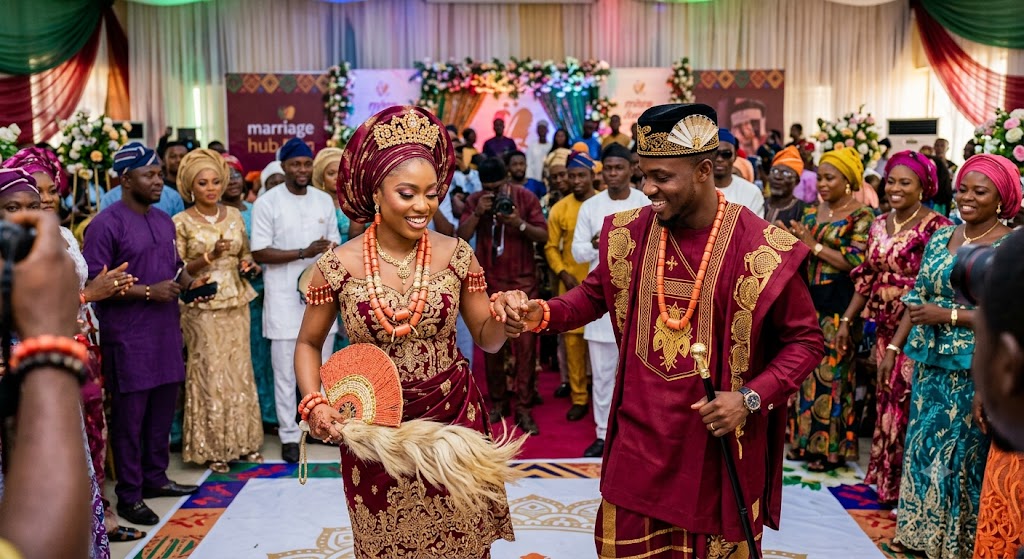
Bride price negotiation should never be viewed as a contest to determine winners and losers. Instead, it is a beautiful cultural ceremony that celebrates love, respect, gratitude, and the joining together of two families. Whether the ceremony takes place in a rural village or a major city, the values of humility, understanding, and goodwill remain timeless.
By approaching negotiations with respect, planning ahead, communicating openly, and focusing on the true purpose of the tradition, couples can enjoy a memorable traditional marriage ceremony that honours their heritage while laying a solid foundation for a successful marriage.
Continue Your Marriage Journey with MarriageHub.ng
Whether you are preparing for marriage, planning your traditional wedding, or already married, MarriageHub.ng provides valuable resources to support every stage of your relationship journey.
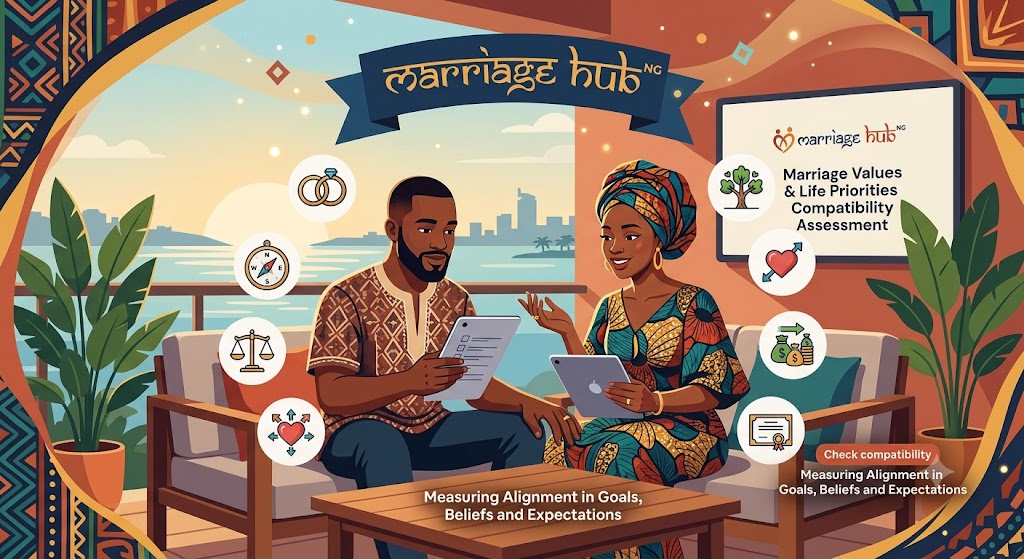
Take the Marriage Readiness Test to assess your preparedness for marriage: https://www.marriagehub.ng/analyzer/index.php
Ask anonymous relationship and marriage questions in a safe environment: https://www.marriagehub.ng/questions-answers
Create a beautiful E-Invite for your traditional wedding, church wedding, court wedding, engagement, anniversary, or other events: https://www.marriagehub.ng/annouce-my-event/
Looking for a serious relationship or life partner? Visit the matchmaking platform: https://www.marriagehub.ng/match-making/frontend/discover.php
Browse trusted wedding vendors for planners, photographers, decorators, caterers, makeup artists, MCs, event centres, and more: https://www.marriagehub.ng/vendors
Join vibrant marriage communities and tribes where you can connect with people who share similar interests by visiting https://www.marriagehub.ng/all-groups. You can also create your own group or tribe at https://www.marriagehub.ng/create-tribes-group.
Looking for relationship resources, digital downloads, wedding services, counselling, books, and other useful products? Visit the MarriageHub Marketplace at https://www.marriagehub.ng/marketplace.
Follow MarriageHub Nigeria
Stay connected for daily relationship tips, marriage advice, wedding inspiration, and community discussions.
WhatsApp: https://whatsapp.com/channel/0029VbCav9MCcW4pw3GSM72w
X: https://x.com/MarriageHubNG
Facebook: https://web.facebook.com/MarriageHubNigeria
Instagram: https://www.instagram.com/marriagehubng3




.jpg)


Sign in to comment