 Nurturing Marriages, Enriching Families!
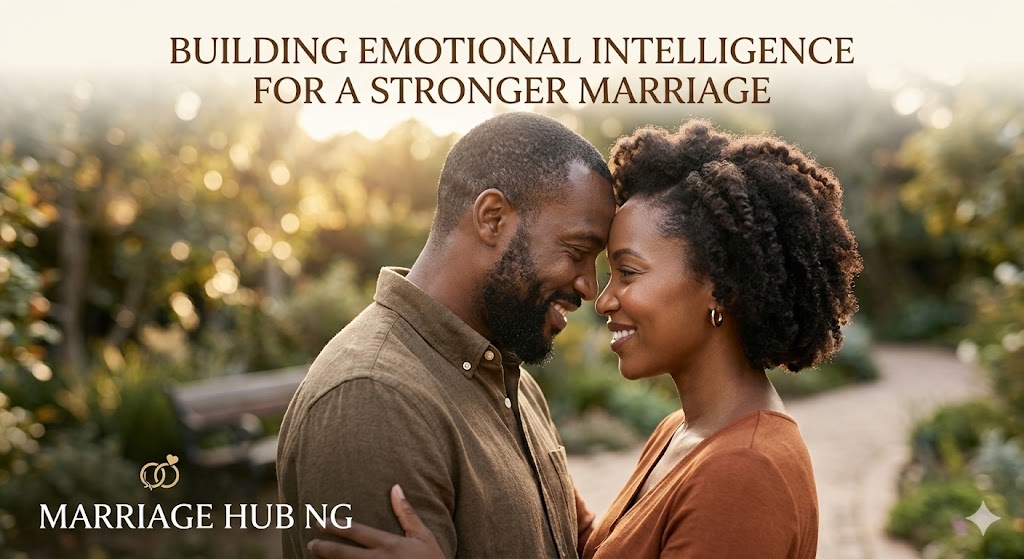
Building Emotional Intelligence for a Stronger Marriage
Marriage is one of the most meaningful relationships people experience in life. However, maintaining a healthy and fulfilling marriage requires more than love and commitment. One of the most powerful skills couples can develop is emotional intelligence. Emotional intelligence helps partners understand their own emotions, recognize the feelings of their spouse, and respond to situations in a thoughtful and supportive way.
When couples build emotional intelligence, they improve communication, reduce conflicts, and strengthen their emotional connection. In this article, we explore what emotional intelligence is, why it matters in marriage, and practical ways couples can develop it to create a stronger and more resilient relationship.
What Is Emotional Intelligence?
Emotional intelligence (often called EQ) is the ability to understand, manage, and express emotions effectively while also being able to recognize and respond to the emotions of others.
In marriage, emotional intelligence includes:
-
Being aware of your feelings and reactions
-
Understanding your spouse’s emotions
-
Managing disagreements calmly
-
Communicating with empathy and respect
-
Responding to challenges with patience and maturity
A partner with strong emotional intelligence does not ignore emotions. Instead, they learn how to handle emotions constructively rather than letting them damage the relationship.
Why Emotional Intelligence Is Important in Marriage
Many marital conflicts do not arise from major problems but from misunderstood emotions and poor communication. When couples lack emotional intelligence, small issues can quickly turn into serious disagreements.
Developing emotional intelligence helps couples:
-
Communicate more clearly
-
Resolve conflicts peacefully
-
Build deeper trust
-
Strengthen emotional intimacy
-
Support each other during difficult moments
Emotionally intelligent couples understand that marriage is not about winning arguments but about understanding each other.
Self-Awareness: Understanding Your Own Emotions
The first step in building emotional intelligence is self-awareness. This means recognizing your emotions and understanding how they influence your behavior.
In marriage, self-awareness allows you to ask questions such as:
-
Why am I feeling upset right now?
-
Is my reaction based on the current issue or past experiences?
-
Am I communicating my feelings clearly?
Without self-awareness, it is easy to react impulsively or blame your partner for feelings you may not fully understand.
By becoming more aware of your emotions, you can respond to situations with greater calmness and clarity.
Self-Control: Managing Emotional Reactions
Marriage sometimes involves stressful moments, disagreements, and misunderstandings. Emotional intelligence helps partners develop self-control, which means managing emotional reactions instead of allowing anger or frustration to take over.
For example, during an argument, an emotionally intelligent person may choose to:
-
Pause before responding
-
Avoid raising their voice
-
Focus on solving the issue rather than attacking their partner
Self-control prevents minor disagreements from escalating into damaging conflicts.
It also creates a safe emotional environment where both partners feel respected.
Empathy: Understanding Your Partner’s Feelings
Empathy is one of the most important elements of emotional intelligence in marriage. It involves seeing situations from your partner’s perspective and understanding how they feel.
Empathy allows couples to:
-
Recognize when their partner is stressed or overwhelmed
-
Offer support during difficult times
-
Avoid dismissing or minimizing their partner’s emotions
For example, if your spouse had a challenging day at work, empathy helps you respond with patience rather than criticism.
When partners feel emotionally understood, their bond becomes stronger.
Effective Communication in Marriage
Emotional intelligence improves communication by helping couples express their feelings in healthy ways.
Emotionally intelligent communication includes:
-
Speaking calmly and respectfully
-
Listening without interrupting
-
Expressing feelings honestly
-
Avoiding blame or harsh criticism
Instead of saying, “You never listen to me,” a healthier approach might be:
“I feel unheard when we don’t discuss issues together.”
This approach focuses on expressing emotions rather than accusing the partner.
Clear and respectful communication helps couples resolve issues more effectively.
Handling Conflict with Emotional Intelligence
Conflict is a natural part of every marriage. What determines the strength of a relationship is how couples manage disagreements.
Emotionally intelligent couples handle conflict by:
-
Listening to each other’s viewpoints
-
Avoiding insults or personal attacks
-
Looking for solutions instead of assigning blame
-
Taking breaks when emotions become overwhelming
The goal of conflict resolution should not be to prove who is right, but to protect the relationship and find common ground.
Couples who handle disagreements respectfully often develop stronger trust and understanding.
Building Emotional Safety
Emotional safety is the feeling that you can express your thoughts and emotions without fear of judgment or rejection.
Emotionally intelligent partners create this environment by:
-
Listening with patience
-
Validating their partner’s feelings
-
Avoiding harsh criticism
-
Showing appreciation regularly
When emotional safety exists in a marriage, both partners feel comfortable sharing their fears, dreams, and struggles.
This openness strengthens intimacy and trust.
Practicing Patience and Compassion
Marriage involves two individuals with different personalities, experiences, and expectations. Emotional intelligence encourages partners to approach each other with patience and compassion.
Patience means understanding that growth and change take time. Compassion means showing kindness even when disagreements occur.
When couples treat each other with compassion, they create a relationship built on respect, forgiveness, and understanding.
Strengthening Emotional Connection
Emotional intelligence also helps couples deepen their emotional connection.
Ways to strengthen emotional bonding include:
-
Spending quality time together
-
Sharing personal experiences and dreams
-
Showing appreciation and gratitude
-
Supporting each other during challenges
Simple actions like listening attentively or expressing gratitude can significantly improve emotional closeness in marriage.
Growing Together Emotionally
Just like other skills, emotional intelligence can improve over time. Couples who intentionally work on their emotional skills often experience stronger and more fulfilling marriages.
Ways couples can grow emotionally together include:
-
Reading relationship books
-
Attending marriage workshops or counseling
-
Practicing honest conversations regularly
-
Reflecting on their emotional responses
Growth requires effort, but the benefits are long-lasting.
As couples develop emotional intelligence, they become better partners, better listeners, and better supporters of each other’s well-being.
Emotional Intelligence and Long-Term Marriage Success
Research and relationship experts often emphasize that emotional intelligence plays a critical role in long-term marital success. Love may bring two people together, but emotional maturity helps them stay connected through the challenges of life.
Emotionally intelligent couples are better able to:
-
Adapt to life changes
-
Handle financial or family pressures
-
Support each other through difficult seasons
-
Maintain emotional closeness over time
These skills create a strong foundation for a lasting and meaningful relationship.
Final Thoughts
Building emotional intelligence is one of the most valuable investments couples can make in their marriage. By understanding emotions, practicing empathy, and communicating with respect, partners can create a relationship that is both emotionally fulfilling and resilient.
Marriage thrives when both individuals feel heard, valued, and understood. Emotional intelligence helps couples develop these qualities and strengthens their ability to face life’s challenges together.
A marriage built on emotional awareness, compassion, and mutual respect is more likely to grow stronger with time.
Join the MarriageHub Community
You don’t have to navigate marriage alone.
You can connect with other couples and individuals by joining relationship groups and communities on MarriageHub.
👉 Join groups or tribes here: https://www.marriagehub.ng/all-groups
👉 Create your own relationship group or tribe here: https://www.marriagehub.ng/create-tribes-group
You can also explore helpful products, services, and downloadable resources designed to strengthen marriages in our marketplace: 👉https://www.marriagehub.ng/marketplace






.jpg)

Sign in to comment