 Nurturing Marriages, Enriching Families!
Common Challenges Facing Young Couples in Nigeria: Real-Life Experiences, Data, Expert Insights and Practical Solutions
Marriage is an exciting new chapter filled with hope, love, dreams, and the promise of building a future together. For many young Nigerian couples, the early years of marriage are often the most memorable, but they can also be the most challenging. The transition from being single to becoming a husband and wife involves significant emotional, financial, social, and psychological adjustments. Couples who successfully navigate these early years often build strong foundations for lifelong marriages, while those who fail to address emerging challenges may experience constant conflicts that threaten the relationship.
Nigeria's rapidly changing economic landscape has introduced new realities that previous generations did not face. Rising inflation, unemployment, expensive housing, increased living costs, changing gender roles, social media influence, and greater career demands have reshaped the experience of marriage. According to the National Bureau of Statistics (NBS), inflation and the cost of living have risen sharply in recent years, reducing the purchasing power of many households.
At the same time, more young Nigerians are marrying later than previous generations because they want financial stability before settling down. Those who eventually marry often discover that love alone is not enough to overcome the practical realities of daily life.
Relationship counsellors across Lagos, Abuja, Port Harcourt, Enugu, Kano, Benin City, Ibadan, and other major cities report that many of the problems experienced by newly married couples are preventable. Most challenges arise not because couples do not love each other, but because they were unprepared for the responsibilities and adjustments that marriage requires. Understanding these common issues allows couples to identify potential problems early and take practical steps to strengthen their relationships.
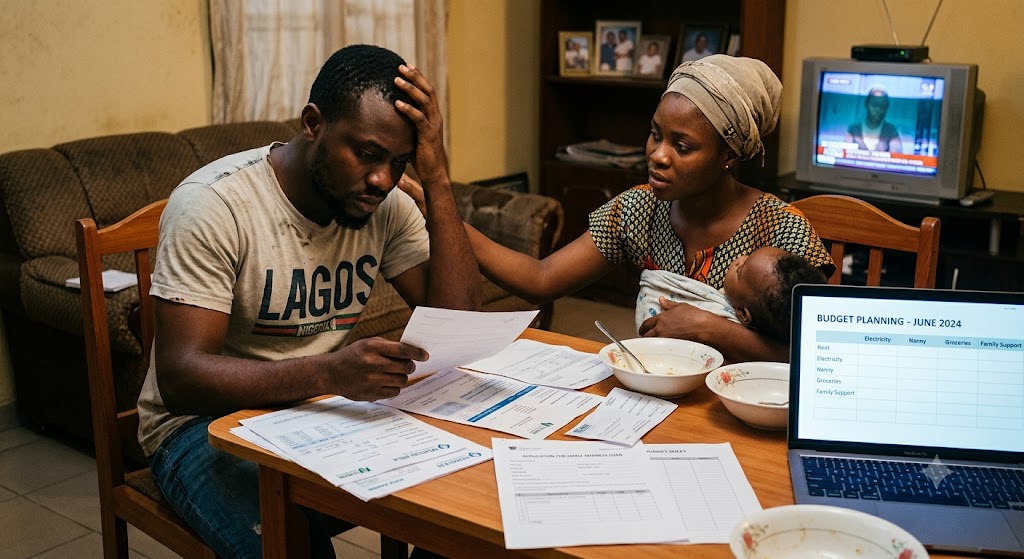
One of the biggest challenges facing young couples in Nigeria today is financial pressure. The excitement of wedding ceremonies often gives way to the realities of paying rent, buying food, settling utility bills, transportation costs, school fees for children, healthcare expenses, and supporting extended family members. Even couples with stable jobs frequently struggle to keep up with the increasing cost of living. The pressure becomes even greater when one spouse loses a job or experiences a decline in business income.
A young couple living in Lekki, Lagos, may both earn respectable salaries, yet still find themselves living from paycheck to paycheck because of rent, commuting expenses, loan repayments, and family obligations. Financial stress often leads to arguments over spending priorities, savings, investments, and responsibilities towards relatives. Marriage experts consistently identify money-related disagreements as one of the leading causes of marital conflict in Nigeria.
Closely linked to financial stress is unemployment and career uncertainty. Nigeria's youth unemployment and underemployment rates have made it increasingly difficult for many young families to achieve financial stability. Some newly married couples spend months searching for better jobs or trying to establish businesses. During this period, emotional stress increases as expectations collide with economic realities. Couples who support one another through difficult seasons generally emerge stronger than those who engage in blame and criticism.
Housing presents another major challenge. Home ownership remains beyond the reach of many young Nigerians due to high property prices and mortgage limitations. Renting decent accommodation in cities such as Lagos and Abuja requires significant upfront payments, with landlords often demanding one or two years' rent in advance. Many newlyweds therefore begin married life living with parents or relatives, which sometimes creates additional tension and reduces privacy.
Living with extended family can expose couples to constant advice, criticism, and interference regarding finances, parenting decisions, cooking, religious practices, and household responsibilities. While Nigerian culture places great value on family support, excessive interference may weaken the couple's ability to develop independence and establish healthy marital boundaries.
Communication is another area where many young couples struggle. Courtship conversations are often filled with romance and excitement, but marriage introduces discussions about budgeting, family planning, careers, responsibilities, and conflict resolution. Couples who avoid difficult conversations frequently allow minor misunderstandings to grow into major disputes. Successful marriages are built on honest communication, active listening, empathy, and mutual respect rather than assumptions or silence.
Another growing challenge is balancing career ambitions with family responsibilities. Modern Nigerian couples are increasingly pursuing demanding careers in banking, telecommunications, healthcare, aviation, technology, oil and gas, entrepreneurship, education, and public service. While professional success brings financial benefits, it also consumes valuable time that should be invested in nurturing the marriage. Long working hours, business travel, and workplace stress often reduce opportunities for meaningful conversations and quality time together.
Changing gender roles have also transformed expectations within Nigerian marriages. Traditionally, men were expected to serve as primary providers while women managed the home. Today, many women are highly educated professionals contributing significantly to household income. While this shift has empowered families economically, it has also created disagreements in some marriages regarding household chores, childcare responsibilities, financial leadership, and decision-making. Couples who openly discuss expectations before marriage generally experience fewer conflicts than those who rely solely on traditional assumptions.
Social media has become another powerful influence on young marriages. Platforms such as Facebook, Instagram, X, TikTok, Snapchat, and WhatsApp have changed the way couples interact with each other and with the outside world. While these platforms help families stay connected, they also expose couples to unrealistic portrayals of marriage, luxury lifestyles, and seemingly perfect relationships. Constant comparison often leads to dissatisfaction, even when a marriage is healthy. Social media also creates opportunities for emotional affairs, secret conversations, and misunderstandings that gradually erode trust.
Trust itself remains one of the greatest challenges facing young couples. Marriage requires vulnerability, honesty, and transparency. Suspicion about finances, friendships, passwords, phone usage, or unexplained absences can quickly damage emotional intimacy. Rebuilding trust after betrayal often takes years and requires consistent effort from both partners.
Intimacy is another area where many newly married couples experience unexpected difficulties. Cultural norms in Nigeria often discourage open discussions about sex before marriage, leaving many couples unprepared for differences in expectations or preferences. Medical conditions, stress, work pressure, emotional distance, and poor communication may further reduce intimacy. Relationship counsellors frequently advise couples to discuss these issues openly rather than allowing frustration to accumulate.
The pressure to have children shortly after marriage is another uniquely Nigerian challenge. In many communities, relatives begin asking about pregnancy only a few months after the wedding. Couples experiencing fertility challenges often face insensitive comments and unsolicited advice from family members. Medical research confirms that infertility affects both men and women, yet women continue to bear a disproportionate share of societal blame. Couples who approach fertility challenges as a shared journey rather than assigning blame generally cope more effectively.
Parenting itself introduces another layer of complexity. The arrival of a child brings joy but also sleepless nights, increased financial responsibilities, and reduced personal time. Many young couples struggle to balance childcare with careers while maintaining emotional intimacy with one another. Without proper communication, parenting responsibilities can become sources of resentment.
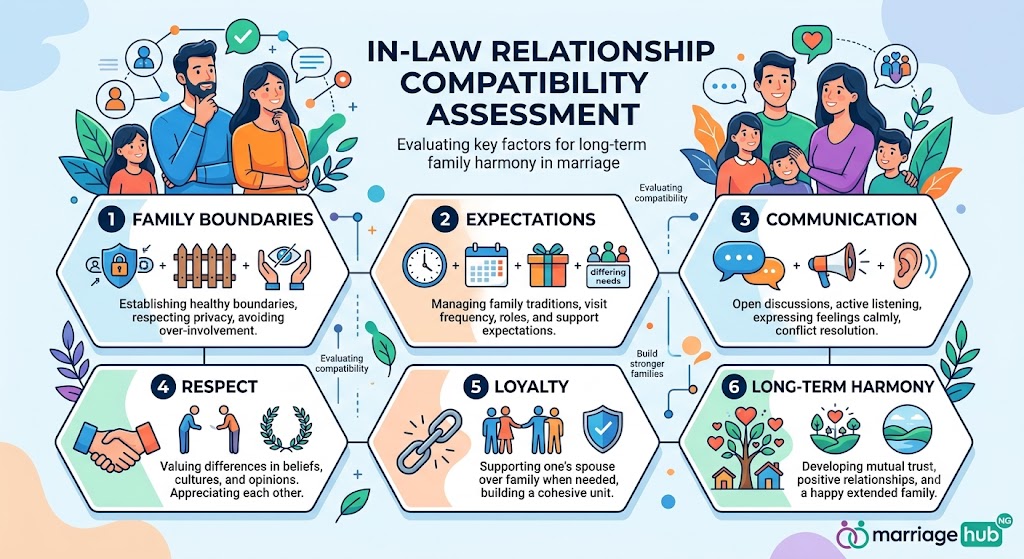
Conflict with in-laws continues to affect many marriages across Nigeria. While family support remains invaluable, disagreements may arise over financial assistance, living arrangements, child-rearing practices, religious observances, or cultural traditions. A newly married woman may feel overwhelmed by expectations from her husband's relatives, while the husband may struggle to balance loyalty to his parents with commitment to his wife. Establishing respectful boundaries helps preserve harmony without damaging family relationships.
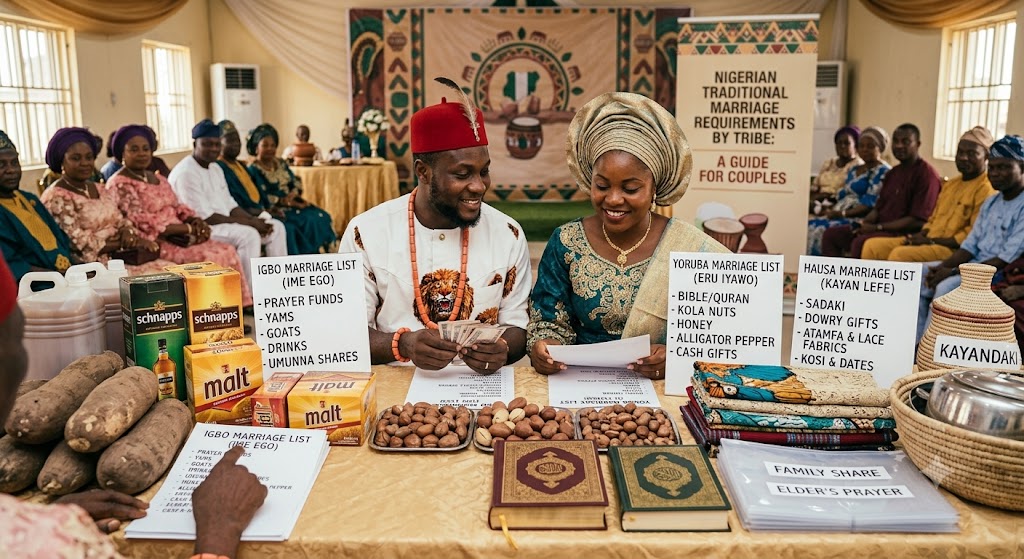
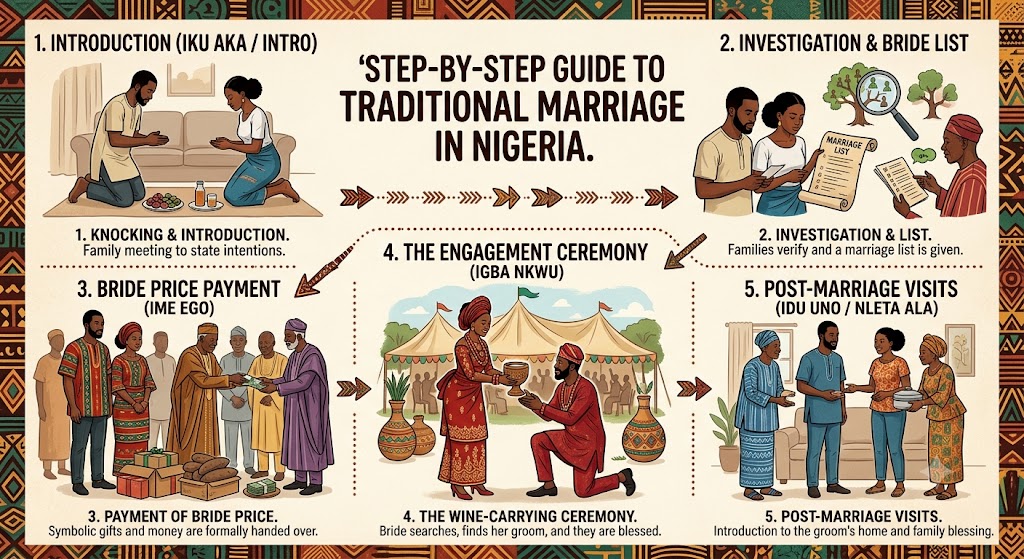
Religious and cultural differences also create challenges for some couples. Nigeria's diverse ethnic and religious landscape means many marriages involve partners from different tribes or faith backgrounds. Differences regarding worship, festivals, family traditions, bride price customs, inheritance, or children's upbringing may create misunderstandings if not discussed before marriage. Successful intercultural marriages are built on mutual respect and a willingness to learn from one another.
Another growing issue is mental health. Anxiety, depression, burnout, unresolved childhood trauma, and emotional stress affect many young Nigerians, yet conversations about mental health remain limited because of stigma. Emotional struggles can influence communication, intimacy, parenting, productivity, and overall marital satisfaction. Seeking professional counselling or therapy should be viewed as a sign of strength rather than weakness.
Addiction has also emerged as a significant challenge for some young families. Excessive gambling, online betting, alcohol abuse, substance use, pornography addiction, and compulsive gaming may lead to financial losses, emotional neglect, and broken trust. Early intervention through counselling and rehabilitation greatly improves the chances of recovery and relationship healing.
Another overlooked challenge is unrealistic expectations about marriage itself. Many couples enter marriage believing love will automatically solve every problem. Influenced by romantic movies and carefully curated social media posts, they expect constant happiness and effortless compatibility. Real marriage involves compromise, patience, forgiveness, emotional maturity, and teamwork. Couples who understand this reality tend to navigate difficulties more successfully.
Real-life experiences from across Nigeria illustrate these challenges vividly. Consider the story of Chinedu and Ada, a young couple in Enugu who married shortly after securing their first jobs. While both were excited about building a future together, rising food prices, transportation costs, and rent increases placed enormous strain on their finances. Arguments over spending became frequent until they attended financial counselling and developed a monthly family budget. Their relationship improved significantly once they began planning together rather than blaming each other.
Another example involves Tunde and Kemi, who relocated to Abuja after their wedding. Their demanding careers left little time for meaningful conversations. Most evenings were spent responding to work emails or attending virtual meetings. Emotional distance gradually developed, and misunderstandings became more frequent. After seeking marriage counselling, they introduced weekly date nights, device-free dinners, and scheduled conversations about their goals and concerns. These simple changes restored emotional intimacy and strengthened their marriage.
In Port Harcourt, another young couple experienced intense pressure from relatives regarding pregnancy less than a year after their wedding. Although both were undergoing medical evaluation, constant questioning from family members created unnecessary emotional stress. They eventually decided to establish healthy boundaries by limiting discussions about their fertility journey to trusted relatives and healthcare professionals. This decision significantly reduced anxiety and allowed them to focus on supporting one another.
Relationship experts consistently emphasise that the first five years of marriage are particularly important because they establish habits that often continue throughout the relationship. Couples who develop healthy communication patterns, financial discipline, mutual respect, emotional openness, and conflict-resolution skills during these years are generally better equipped to navigate future challenges such as career transitions, parenting, and economic uncertainty.
Building a successful marriage does not require perfection. Instead, it requires a willingness to learn, adapt, forgive, and grow together. Every couple will encounter disagreements, disappointments, and unexpected obstacles. The difference between thriving marriages and struggling marriages often lies not in the absence of problems but in how couples choose to respond to them. Honest conversations, shared decision-making, emotional support, professional counselling when necessary, and a commitment to continuous improvement remain some of the strongest predictors of long-term marital success.
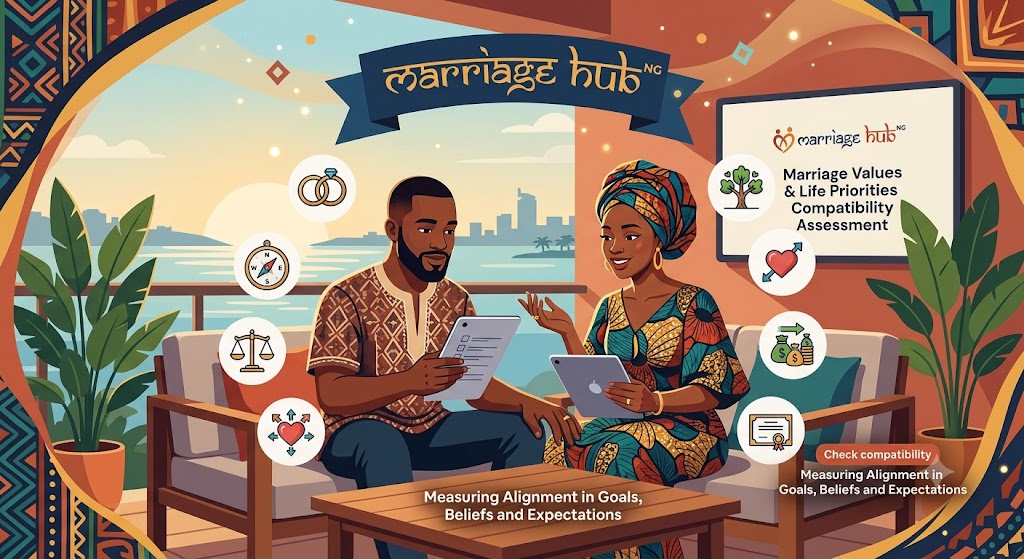
For singles preparing for marriage and couples seeking to strengthen their relationships, MarriageHub.ng provides practical tools, expert resources, and a supportive community designed specifically for Nigerians. You can begin by taking the Marriage Readiness Test at https://www.marriagehub.ng/analyzer/index.php to assess your preparedness for marriage and identify areas for personal growth. If you have sensitive relationship concerns, you can ask anonymous questions at https://www.marriagehub.ng/questions-answers and receive helpful guidance from the community.
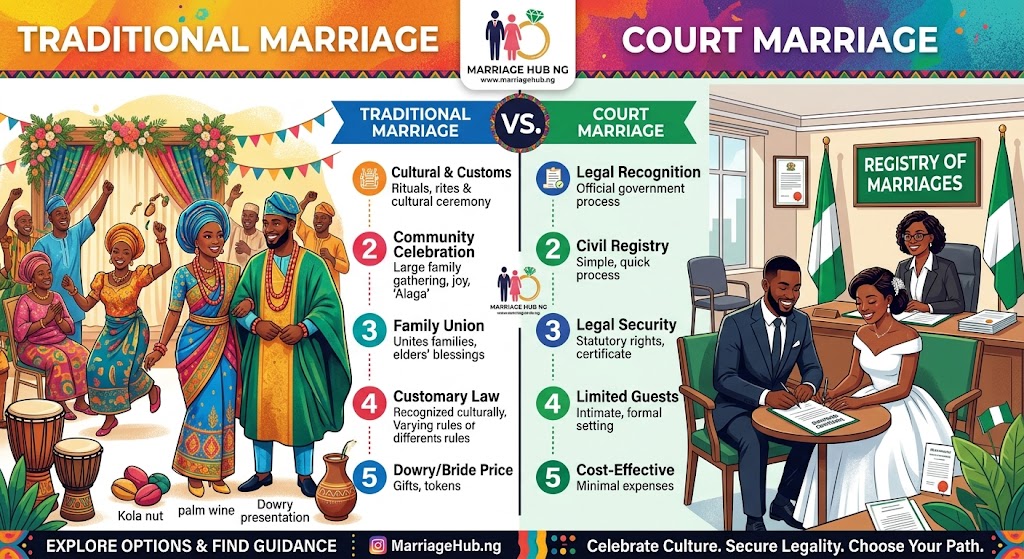
Planning your traditional wedding, court wedding, church wedding, Nikah, engagement, anniversary, or another special celebration? Create a beautiful digital invitation through https://www.marriagehub.ng/annouce-my-event/. If you are still searching for your life partner, explore the matchmaking platform at https://www.marriagehub.ng/match-making/frontend/discover.php. Couples preparing for their big day can also browse trusted wedding vendors across Nigeria at https://www.marriagehub.ng/vendors.
Marriage thrives when couples connect with others who share similar experiences and aspirations. Join vibrant communities and relationship discussions by visiting https://www.marriagehub.ng/all-groups. If you would like to build your own community around marriage, parenting, relationships, weddings, faith, or family life, create your own tribe or group at https://www.marriagehub.ng/create-tribes-group.
You can also explore the MarriageHub Marketplace at https://www.marriagehub.ng/marketplace to purchase relationship resources, counselling services, wedding products, digital downloads, educational materials, and other valuable resources designed to support healthy marriages and family life.
Stay connected with MarriageHub Nigeria for daily relationship tips, marriage education, inspiring stories, and community updates by following us on WhatsApp at https://whatsapp.com/channel/0029VbCav9MCcW4pw3GSM72w, on X at https://x.com/MarriageHubNG, on Facebook at https://web.facebook.com/MarriageHubNigeria, and on Instagram at https://www.instagram.com/marriagehubng3.




.jpg)

Sign in to comment