 Nurturing Marriages, Enriching Families!
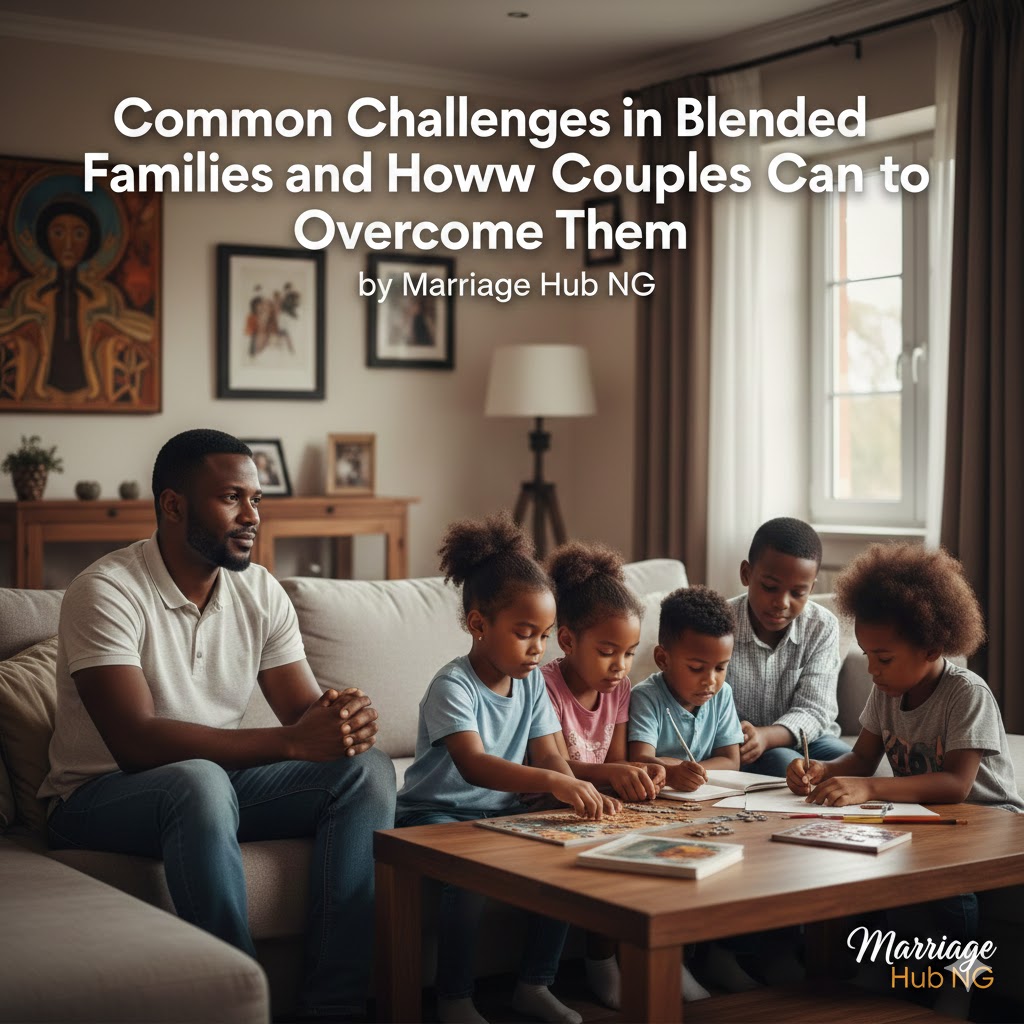
Common Challenges in Blended Families and How Couples Can Overcome Them (Nigerian Guide)
Blended families are becoming increasingly common in Nigeria. Many couples today enter marriage with children from previous relationships due to divorce, separation, widowhood, or earlier partnerships. When two people come together and bring their children into a new household, they form what is known as a blended family.
While blended families can be loving and fulfilling, they also come with unique challenges that traditional first marriages may not experience. Couples must navigate emotional adjustments, parenting roles, financial responsibilities, extended family expectations, and the complexities of step-parenting.
In the Nigerian context, these challenges can sometimes be amplified because family structures are deeply influenced by culture, tradition, and extended family involvement.
However, with understanding, patience, and proper preparation, couples can successfully overcome these challenges and build a stable and happy family.
This article explores the most common challenges blended families face in Nigeria and practical ways couples can overcome them.
Understanding Blended Families in Nigeria
A blended family is formed when one or both partners bring children from previous relationships into a new marriage or household.
Common situations include:
-
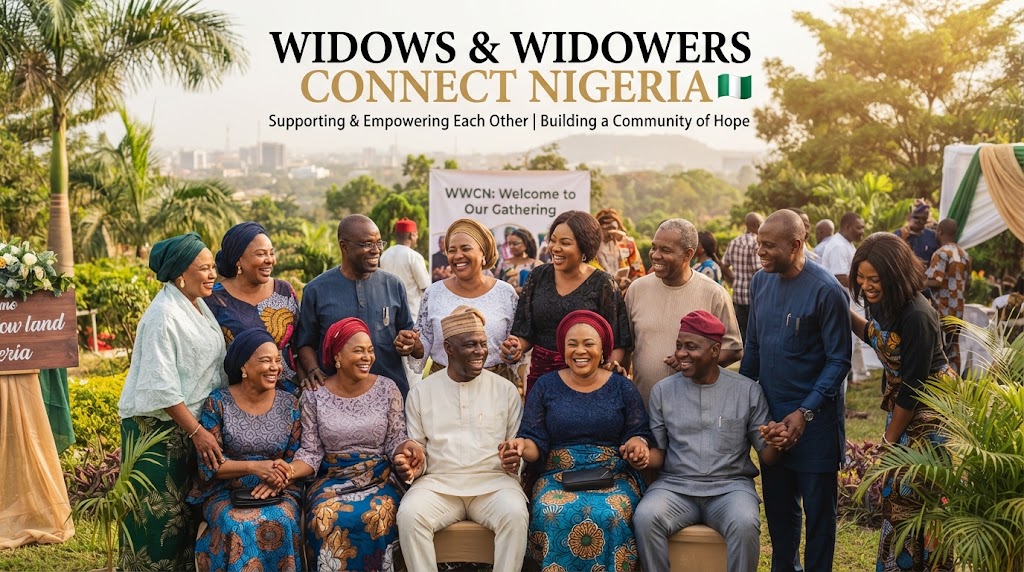
Widows or widowers remarrying
-
Divorced parents entering new relationships
-
Single parents getting married
-
Couples raising children from previous relationships together
In Nigeria, these family arrangements may face unique pressures such as:
-
Cultural expectations about biological lineage
-
Influence from extended family members
-
Concerns about inheritance and property rights
-
Emotional struggles for children adjusting to new family roles
Because of these factors, couples must approach blended family life with intentional planning and strong communication.
1. Difficulty Building Trust Between Step-Parents and Children
One of the biggest challenges in blended families is building trust between step-parents and stepchildren.
Children may initially feel uncomfortable or suspicious of the new parent figure. They may worry that the step-parent will replace their biological parent or disrupt their relationship with their parent.
In Nigeria, children are often raised with strong loyalty to their biological parents, making this adjustment particularly sensitive.
How Couples Can Overcome This
Building trust takes time and patience.
Step-parents should:
-
Avoid forcing closeness too quickly
-
Spend time with the children in relaxed settings
-
Show kindness and consistency
-
Allow the relationship to develop naturally
Children are more likely to trust a step-parent who demonstrates genuine care over time.
2. Conflicts Over Parenting Styles
Another common challenge occurs when partners have different parenting approaches.
For example:
-
One parent may prefer strict discipline.
-
The other may prefer a more relaxed approach.
If couples fail to discuss parenting methods beforehand, disagreements may arise after marriage.
In blended families, these conflicts can confuse children and weaken parental authority.
How Couples Can Overcome This
Couples should discuss parenting philosophies before and during the marriage.
They should agree on:
-
Household rules
-
Discipline methods
-
Expectations for children's behavior
Consistency between parents creates a stable environment for children.
3. Jealousy and Rivalry Among Children
Blended families sometimes include children from both partners. This can create competition for attention and affection.
Children may feel:
-
Jealous of step-siblings
-
Concerned about losing their parent’s love
-
Protective of their parent
In some Nigerian households, biological children may also feel threatened by stepchildren who join the family.
How Couples Can Overcome This
Parents should make deliberate efforts to treat all children fairly.
Helpful strategies include:
-
Spending individual time with each child
-
Encouraging cooperation instead of competition
-
Avoiding favoritism
Children need reassurance that they are valued members of the family.
4. Interference From Extended Family Members
In Nigeria, extended family members often have strong influence over family matters.
Relatives may:
-
Express negative opinions about stepchildren
-
Treat biological children differently from stepchildren
-
Interfere in parenting decisions
Such interference can create emotional tension within the family.
How Couples Can Overcome This
Couples must present a united front when dealing with extended family.
They should:
-
Establish boundaries respectfully
-
Protect children from unfair treatment
-
Support each other’s parenting decisions
A strong marital partnership helps manage external pressures.
5. Financial Responsibilities Toward Children
Money can easily become a sensitive issue in blended families.
Parents may already have financial obligations toward children from previous relationships, including:
-
School fees
-
Medical expenses
-
Child support
If these responsibilities are not openly discussed, they can cause resentment in the new marriage.
How Couples Can Overcome This
Financial transparency is essential.
Couples should discuss:
-
Existing financial responsibilities
-
Household budgeting
-
Long-term financial planning
When both partners understand and accept these obligations, financial stress can be reduced.
6. Managing Relationships With Former Partners
In many blended families, the other biological parent remains involved in the child’s life.
This can create tension if the new spouse feels uncomfortable about the ongoing relationship.
Communication with former partners may involve:
-
Co-parenting decisions
-
School matters
-
Child visitation arrangements
How Couples Can Overcome This
Healthy co-parenting requires clear boundaries and respectful communication.
Couples should:
-
Be transparent about communication with former partners
-
Prioritize the child’s well-being
-
Avoid jealousy-driven conflicts
Respectful cooperation benefits the child and reduces family tension.
7. Emotional Adjustment for Children
Children in blended families often experience emotional challenges.
They may feel:
-
Confused about family roles
-
Angry about the changes in their home
-
Sad about their parents’ previous relationship ending
These emotions are normal and should not be ignored.
How Couples Can Overcome This
Parents should create safe spaces where children can express their feelings.
They should:
-
Listen patiently without judgment
-
Reassure children of their importance in the family
-
Avoid forcing immediate acceptance of the step-parent
With time and support, children can adjust successfully.
8. Confusion About Authority and Discipline
Step-parents sometimes struggle with understanding how much authority they should have.
If the step-parent disciplines the child too quickly, the child may resist.
If they remain too distant, they may feel excluded from the parenting process.
How Couples Can Overcome This
Couples should define step-parent roles clearly.
In many blended families, it helps if:
-
The biological parent initially takes the lead in discipline
-
The step-parent gradually becomes more involved over time
This approach allows the child to build trust before accepting authority.
9. Concerns About Inheritance and Property
Inheritance issues can become sensitive topics in Nigerian blended families.
Questions may arise such as:
-
Will stepchildren inherit family property?
-
Will biological children receive preferential treatment?
If these issues are not addressed early, they may lead to future conflicts.
How Couples Can Overcome This
Couples should discuss inheritance plans openly.
They may consider:
-
Creating a will
-
Seeking legal advice
-
Ensuring fairness in property distribution
Clear planning helps protect family relationships.
10. Lack of Preparation Before Marriage
Many blended family challenges arise simply because couples did not prepare adequately before marriage.
Some couples assume love alone will solve every problem, but blended families require additional planning.
How Couples Can Overcome This
Preparation is essential.
Couples should consider:
-
Premarital counseling
-
Parenting education
-
Honest discussions about expectations
These steps help couples anticipate challenges and develop solutions early.
Building a Successful Blended Family
Despite the challenges, many blended families in Nigeria build loving and supportive homes.
Successful blended families often share certain characteristics:
-
Strong communication between partners
-
Mutual respect among family members
-
Patience during emotional adjustments
-
Clear parenting boundaries
-
Commitment to family unity
Building a healthy blended family takes time, but the effort can lead to meaningful and lasting relationships.
A Practical Resource for Couples in Blended Families
If you are entering a marriage where one or both partners already have children, having the right guidance can make a significant difference.
MarriageHub offers a practical resource designed specifically for couples in blended family situations:
Blended Families & Step-Parenting (Pre-Marriage Guide – A Course-Style Guide for Couples Where One or Both Partners Have Children from a Previous Relationship).
This guide helps couples understand:
-
Step-parent roles and responsibilities
-
Parenting expectations before marriage
-
Financial planning for blended families
-
Emotional support for children
-
Building strong family relationships
You can purchase this resource on MarriageHub for ₦3,500.
This guide provides practical strategies to help couples build stronger and healthier blended families.
Join the MarriageHub Community
Marriage and family journeys are easier when you connect with others who share similar experiences.
Join groups and tribes here: https://www.marriagehub.ng/all-groups
Create your own tribe or discussion group here: https://www.marriagehub.ng/create-tribes-group
You can also explore helpful products, services, and downloadable resources here: https://www.marriagehub.ng/marketplace
Follow MarriageHub for More Relationship Guidance
Stay connected with MarriageHub for more insights on marriage, parenting, and family life.
WhatsApp | https://whatsapp.com/channel/0029VbCav9MCcW4pw3GSM72w
X (Twitter) | https://x.com/MarriageHubNG
Facebook | https://web.facebook.com/MarriageHubNigeria
Instagram | https://www.instagram.com/marriagehubng3




.jpg)

Sign in to comment