 Nurturing Marriages, Enriching Families!
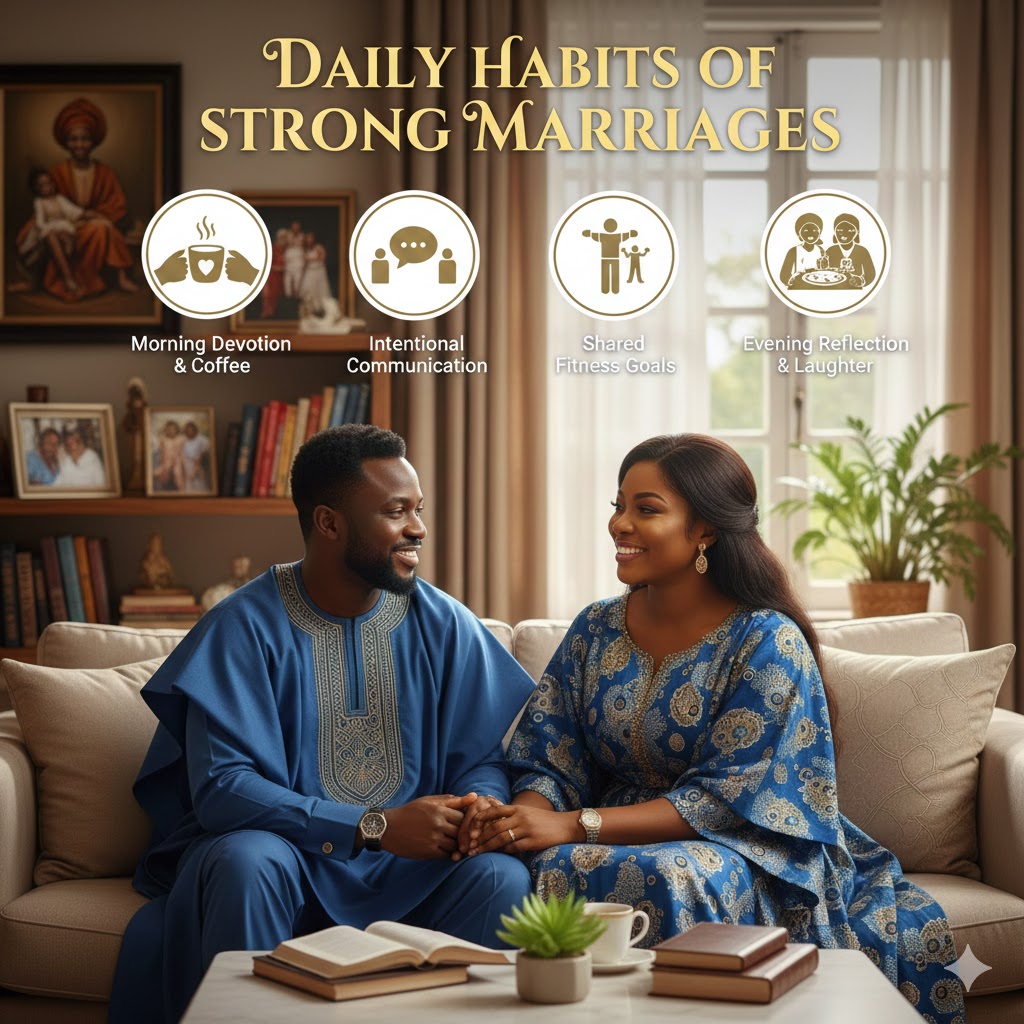
Daily Habits of Strong Marriages: What Lasting Couples Do Differently Every Day
Strong marriages are not built overnight, nor are they sustained by occasional romantic gestures or milestone celebrations alone. They are shaped quietly and steadily by what couples do every single day. While many people search for dramatic solutions to marital challenges, the truth is that lasting marriages are formed through consistent habits practiced in ordinary moments.
In Nigeria, marriage exists within a complex web of cultural expectations, religious beliefs, extended family influence, financial pressure, and modern lifestyle demands. These realities mean that love, though essential, is not enough on its own. What keeps marriages strong over time is intentional daily behavior that nurtures emotional connection, trust, respect, and unity.
This guide explores the daily habits that define strong marriages, why they matter, and how Nigerian couples can apply them practically in real life.
Strong marriages are rooted in consistency rather than perfection. No marriage is without conflict, misunderstanding, or difficult seasons. The difference between marriages that thrive and those that struggle lies in how couples show up for each other daily. Successful couples understand that love is not just a feeling; it is a practice. They commit to choosing each other repeatedly, even when it feels inconvenient or challenging.
One of the most important daily habits in strong marriages is intentional communication. Healthy couples do not allow emotional silence to become normal. Even on busy days filled with work stress, traffic, business responsibilities, or childcare, they create space to talk. Communication does not always mean long conversations. Sometimes it is a short check-in, a phone call during the day, or a few minutes of undistracted attention in the evening. What matters is consistency and presence.
In many Nigerian households, communication breaks down not because couples do not love each other, but because life becomes overwhelming. Over time, silence creates emotional distance. Strong marriages resist this drift by making daily communication non-negotiable. Through regular conversation, couples stay emotionally connected and prevent small issues from growing into major conflicts.
Another defining habit of strong marriages is daily appreciation. Successful couples do not assume their spouse knows they are valued; they express it regularly. Appreciation may come in the form of kind words, acknowledgment of effort, or recognition of sacrifice. In Nigerian marriages, where cultural norms sometimes frame roles as obligations rather than choices, appreciation can easily be overlooked. Yet couples who feel appreciated are more motivated, emotionally secure, and committed.
Daily appreciation reduces resentment and builds goodwill. It reminds partners that they are seen, valued, and respected, not just for what they provide, but for who they are.
Emotionally strong marriages are also characterized by empathy. Empathy involves noticing your partner’s emotional state and responding with understanding rather than judgment. Strong couples pay attention when their spouse is stressed, discouraged, tired, or withdrawn. Instead of reacting defensively or critically, they respond with patience and care.
In the Nigerian context, emotional expression—especially among men—may be discouraged by societal expectations. This makes empathy even more important. When a spouse feels emotionally safe, they are more likely to open up, communicate honestly, and remain connected. Over time, empathy becomes a powerful stabilizing force in the marriage.
Conflict is unavoidable in marriage, but strong marriages handle conflict differently. Instead of suppressing issues or allowing resentment to build, successful couples address problems early and respectfully. They do not weaponize silence or use insults to gain control. They prioritize understanding over winning arguments.
In many Nigerian homes, silence or emotional withdrawal is sometimes used as a form of punishment. While this may avoid immediate confrontation, it damages emotional intimacy over time. Strong marriages choose timely, respectful conversations that preserve dignity and trust.
Daily affection is another essential habit in lasting marriages. Affection includes physical touch, kind words, emotional reassurance, and warmth. It is not limited to sexual intimacy. Small gestures such as holding hands, hugging, sitting close, or offering comfort strengthen emotional bonds.
In long-term marriages, especially after children arrive, affection often declines unintentionally. Couples who remain close make affection a daily practice, even during busy or stressful seasons. This habit reinforces emotional security and keeps the relationship alive beyond routine responsibilities.
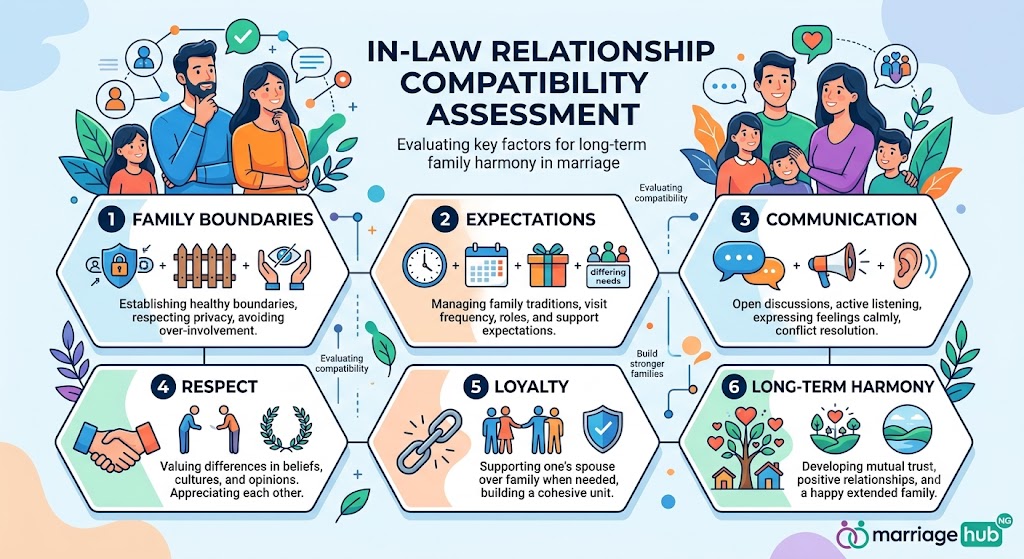
Strong marriages are also intentional about boundaries. In Nigeria, extended family involvement is common and often well-intentioned, but without clear boundaries, it can strain a marriage. Couples who thrive discuss external pressures openly and make decisions together. They present a united front and protect their marital bond from unnecessary interference.
This daily habit of unity reinforces trust and partnership. It communicates that the marriage is a priority, not a secondary relationship.
Trust is another cornerstone habit that is built daily. Trust grows through honesty, transparency, and consistency. Strong couples keep their word, communicate openly about finances and decisions, and avoid behaviors that create suspicion. They understand that trust is fragile and must be nurtured continuously.
In Nigerian marriages, financial secrecy and family obligations can sometimes challenge trust. Couples who commit to daily transparency build a strong foundation that supports emotional and financial stability.
Support for personal growth is also a daily habit of strong marriages. Healthy couples encourage each other’s ambitions and development rather than compete or feel threatened. They celebrate progress, offer encouragement during setbacks, and create an environment where both partners can grow.
Given Nigeria’s economic realities, where career pressure and financial uncertainty are common, spousal support can significantly affect emotional wellbeing. Couples who support each other’s growth strengthen their partnership and resilience.
Many strong Nigerian marriages are anchored in shared values, often expressed through faith, prayer, or shared moral principles. Whether through religious practices or common life goals, shared values provide direction and stability. Couples who align around values find it easier to navigate conflict, parenting, finances, and external pressure.
This daily habit of spiritual or value alignment fosters unity and purpose beyond individual desires.
Laughter and enjoyment are often underestimated habits in marriage. Strong couples laugh together, share jokes, and enjoy each other’s company. They find joy in simple moments and maintain friendship alongside romance. Laughter reduces stress and strengthens emotional connection, especially during challenging seasons.
Respect is another daily habit that defines strong marriages. Respect is evident in how couples speak to each other, especially during disagreement. Strong couples avoid insults, name-calling, or belittling language. They choose words carefully, knowing that emotional wounds caused by disrespect can last long after conflicts end.
Daily respect creates emotional safety and preserves dignity, making reconciliation easier and faster.
Ultimately, strong marriages are built through daily investment. Time, attention, emotional presence, and intentional effort are consistently poured into the relationship. Couples who invest daily do not wait for crises to reconnect; they nurture the relationship proactively.
A real-life Nigerian example can be seen in Ayo and Kemi, married for over twelve years in Ibadan. Between demanding jobs, raising children, and extended family expectations, their marriage faced constant pressure. Rather than drifting apart, they committed to daily habits such as nightly conversations, regular appreciation, shared prayer, and weekly check-ins. These habits did not remove challenges, but they strengthened their emotional bond and helped them face difficulties as a team.
The truth is that grand gestures cannot compensate for daily neglect. Marriage is shaped more by everyday choices than by occasional celebrations. What couples do consistently determines the emotional climate of their home.
Strong marriages are not free from challenges, but they are sustained by daily commitment. Love grows where it is practiced intentionally, nurtured consistently, and protected daily.







.jpg)



Sign in to comment