 Nurturing Marriages, Enriching Families!
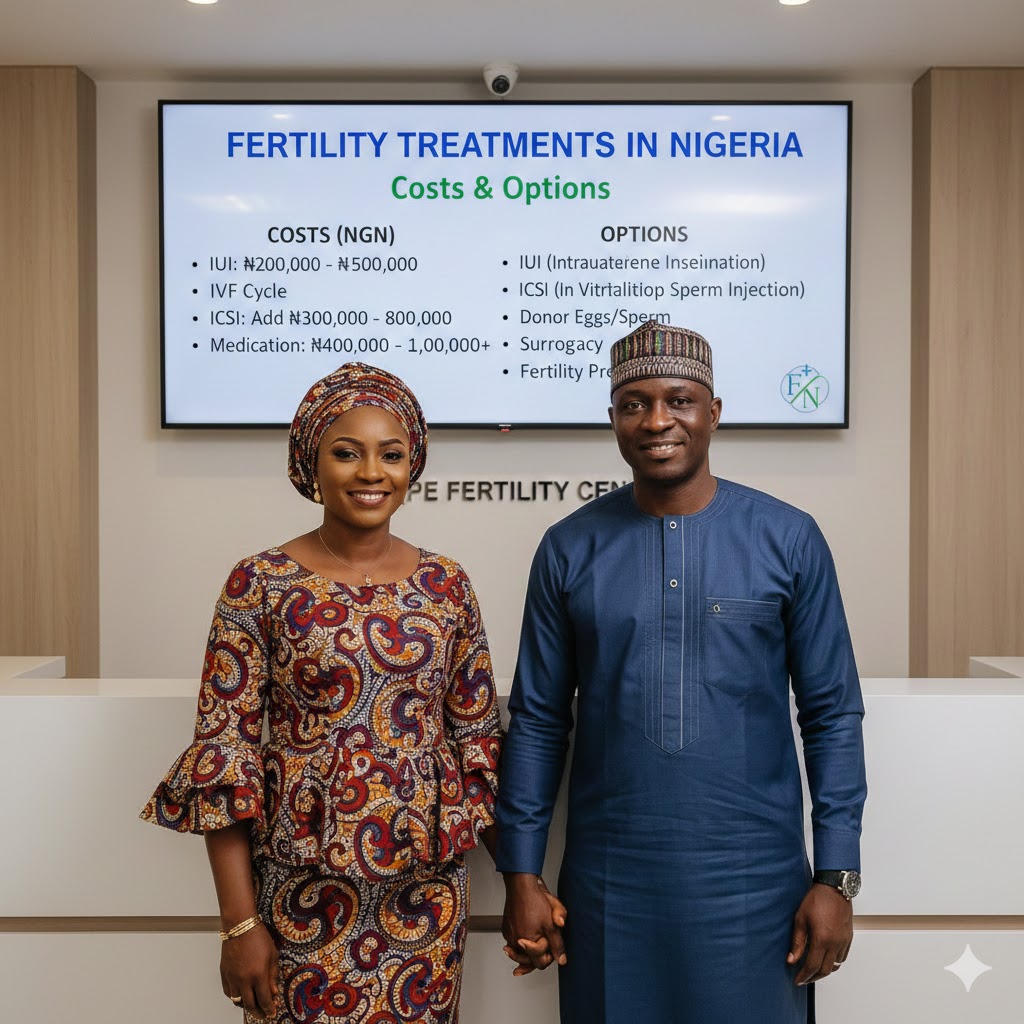
Fertility Treatments in Nigeria: Costs & Options – A Comprehensive Guide for Couples
Infertility affects millions of couples globally, and Nigeria is no exception. According to research, approximately 10–15% of Nigerian couples face challenges in conceiving, stemming from female, male, or combined factors. For many couples, the desire to start a family is accompanied by societal pressure, emotional stress, and financial concerns. Fortunately, advances in fertility treatments in Nigeria provide couples with multiple pathways to parenthood.
Understanding the types of fertility treatments available, their cost implications, and the practical considerations in the Nigerian context is essential for couples seeking informed decisions. This guide explores fertility treatment options, pricing, success rates, and real-life scenarios to help Nigerian couples navigate their fertility journey.
Understanding Infertility in Nigeria
Infertility is medically defined as the inability to conceive after 12 months of regular, unprotected sexual activity. For women over 35, evaluation may begin after six months. Causes in Nigerian couples include:
-
Female factors: Polycystic Ovary Syndrome (PCOS), blocked fallopian tubes, endometriosis, hormonal imbalances, uterine fibroids.
-
Male factors: Low sperm count, poor motility, varicocele, hormonal deficiencies, and lifestyle-related issues.
-
Combined factors: Both partners contributing to infertility.
-
Unexplained infertility: Cases where no definitive cause is identified despite thorough evaluation.
Cultural and societal expectations in Nigeria add significant emotional pressure, making timely evaluation and treatment essential.
The Emotional and Financial Impact of Infertility
Emotional Impact
-
Stress and Anxiety: Concerns about conception, treatment success, and societal judgment.
-
Relationship Strain: Infertility can lead to reduced intimacy, communication issues, and tension between partners.
-
Guilt and Self-Blame: Women may feel responsible due to cultural norms, while men may internalize inadequacy.
Financial Considerations
Fertility treatments can be costly in Nigeria, and lack of insurance coverage for reproductive procedures often places the burden on couples. Cost factors include:
-
Consultation and diagnostic tests.
-
Medications and hormone therapies.
-
Assisted reproductive technologies (ART) such as IVF or IUI.
-
Laboratory and procedural fees.
Understanding the financial implications is critical for planning and reducing stress during the fertility journey.
Fertility Treatment Options in Nigeria
Nigeria offers a range of fertility treatments depending on the underlying cause of infertility. Below is a detailed overview of available options:
1. Ovulation Induction
Ovulation induction involves stimulating a woman’s ovaries to produce one or more eggs during a menstrual cycle. This is typically achieved using medications like Clomiphene Citrate or Letrozole, sometimes combined with injectable hormones.
Cost in Nigeria: ₦20,000 – ₦80,000 per cycle (depending on medication type and clinic).
Success Rate: Approximately 15–20% per cycle for women under 35.
Real-Life Example: A couple in Lagos struggling with irregular ovulation tried Clomiphene for three cycles. With regular monitoring and lifestyle adjustments, ovulation was successfully induced, eventually leading to conception.
2. Intrauterine Insemination (IUI)
IUI involves placing washed sperm directly into the uterus around the time of ovulation to increase the chances of fertilization.
Process:
-
Ovulation is monitored via ultrasound and hormone testing.
-
Sperm is collected, washed, and prepared.
-
A catheter is used to insert sperm into the uterus.
Cost in Nigeria: ₦70,000 – ₦200,000 per cycle (depending on clinic and additional medications).
Success Rate: 10–20% per cycle for women under 35.
Real-Life Example: A couple in Abuja with mild male-factor infertility underwent three cycles of IUI. Combining the procedure with lifestyle and diet improvements helped achieve pregnancy during the third attempt.
3. In Vitro Fertilization (IVF)
IVF is the most advanced and widely recognized fertility treatment. It involves fertilizing eggs with sperm outside the body and transferring the resulting embryo(s) into the uterus.
Process:
-
Ovary stimulation and egg retrieval.
-
Fertilization in the laboratory.
-
Embryo culture and transfer to the uterus.
-
Monitoring for implantation and pregnancy.
Cost in Nigeria: ₦500,000 – ₦2,500,000 per cycle (depending on clinic, medications, and procedures).
Success Rate: 25–35% per cycle for women under 35.
Real-Life Example: A Lagos couple dealing with blocked fallopian tubes opted for IVF. After counseling, three cycles, and careful financial planning, they successfully conceived twins.
4. Intracytoplasmic Sperm Injection (ICSI)
ICSI is often used for male-factor infertility, where a single sperm is injected directly into an egg to achieve fertilization.
Cost in Nigeria: ₦700,000 – ₦2,800,000 per cycle (similar to IVF but with added laboratory procedures).
Success Rate: Comparable to IVF when used for appropriate indications.
Real-Life Example: A couple in Port Harcourt, where the male partner had low sperm motility, used ICSI. The precise technique allowed successful fertilization and implantation.
5. Egg and Sperm Donation
For couples unable to use their own gametes, donor eggs or sperm can be used for IVF or IUI.
Cost in Nigeria: ₦600,000 – ₦3,000,000 per cycle, depending on donor availability and legal considerations.
Success Rate: Similar to standard IVF, with adjustments for donor age and health.
Considerations:
-
Legal and ethical implications must be addressed.
-
Counseling is essential for emotional preparedness.
6. Surrogacy
Surrogacy involves another woman carrying a pregnancy for the intended parents. This may be considered when the woman cannot carry a pregnancy due to medical reasons.
Cost in Nigeria: ₦1,500,000 – ₦4,000,000 (depending on clinic, surrogate compensation, and legal fees).
Legal Status: Surrogacy is not fully regulated across all Nigerian states, making legal guidance essential.
Real-Life Example: An Abuja couple opted for gestational surrogacy due to uterine issues. Legal counseling and clinic support ensured a safe process, resulting in a successful birth.
Factors Influencing Costs in Nigeria
-
Clinic Reputation and Location: Top-tier clinics in Lagos and Abuja charge more than smaller clinics in other states.
-
Medications and Protocols: Advanced hormone therapies or multiple cycles increase costs.
-
Procedures Required: IVF and ICSI involve laboratory expenses and specialized equipment.
-
Additional Services: Counseling, nutritional guidance, and monitoring add to the total cost.
-
Success Rates and Cycle Repetition: Multiple cycles may be required, increasing overall expenses.
Couples are advised to budget realistically and explore payment plans where available.
Coping With Financial Stress
Fertility treatments can strain finances, especially in Nigeria where insurance coverage is limited. Coping strategies include:
-
Budgeting and Savings Plans: Estimate total treatment costs and plan in advance.
-
Payment Plans: Some clinics allow staged payments over treatment cycles.
-
Alternative Funding: Explore loans, community support, or family contributions cautiously.
-
Prioritize Treatments: Focus on medically indicated options to avoid unnecessary expenses.
Financial planning reduces stress and ensures that the focus remains on treatment and emotional well-being.
Emotional Coping During Treatment
Fertility treatments are emotionally taxing. Nigerian couples can adopt coping strategies to maintain resilience:
-
Couples Counseling: Provides tools for managing stress, anxiety, and relationship strain.
-
Support Groups: Connecting with other couples reduces isolation and offers practical insights.
-
Mindfulness and Meditation: Helps reduce anxiety and maintain emotional stability.
-
Shared Spiritual Practices: Prayer, meditation, or pastoral counseling provides hope and emotional grounding.
Emotional preparedness enhances treatment success and strengthens marital intimacy.
Tips for Choosing a Fertility Clinic in Nigeria
-
Accreditation: Choose clinics with recognized accreditation and experienced staff.
-
Success Rates: Review clinic statistics for IVF, IUI, and other procedures.
-
Comprehensive Care: Clinics offering counseling, nutrition guidance, and post-treatment support improve outcomes.
-
Transparent Costs: Ensure clear breakdowns of treatment expenses, medications, and follow-up care.
-
Legal and Ethical Compliance: Especially for surrogacy and donor programs, ensure adherence to Nigerian legal frameworks.
Research and due diligence ensure informed decision-making and reduce potential complications.
Real-Life Nigerian Couples’ Experiences
-
Lagos IVF Journey: A couple dealing with blocked fallopian tubes navigated three IVF cycles. With counseling, emotional support, and financial planning, they welcomed a healthy baby.
-
Abuja IUI Success: A couple with mild male-factor infertility combined IUI with lifestyle changes, resulting in a successful pregnancy on the second attempt.
-
Port Harcourt Surrogacy Story: Legal guidance, counseling, and medical support allowed a couple to achieve parenthood safely through gestational surrogacy.
These stories illustrate that despite challenges, fertility treatments in Nigeria offer real hope for couples ready to navigate emotional, financial, and medical complexities.
Conclusion
Fertility treatments in Nigeria provide multiple options for couples struggling with infertility, from ovulation induction and IUI to IVF, ICSI, surrogacy, and donor programs. Each option comes with specific costs, success rates, and emotional considerations.
Nigerian couples benefit from informed decision-making, realistic financial planning, emotional support, and open communication with partners and healthcare providers. Combining medical expertise with emotional, relational, and spiritual support improves outcomes and strengthens marital bonds during the fertility journey.
Parenthood, while sometimes complex, remains an attainable goal with proper planning, support, and perseverance.










.jpg)



Sign in to comment