 Nurturing Marriages, Enriching Families!

How Counseling Strengthens Emotional Connection: A Nigerian Couples’ Guide
Marriage is more than living together—it is about connection, understanding, and intimacy. In Nigeria, couples often face unique pressures: extended family expectations, societal norms, financial stress, and cultural obligations. These pressures can strain the emotional bond between partners.
Marriage counseling offers structured guidance to strengthen emotional connection, improve communication, and rebuild trust. Couples who engage in counseling develop the skills and insights necessary to navigate challenges while fostering intimacy.
This article explores how counseling strengthens emotional connection, with practical strategies and real-life Nigerian examples to illustrate its transformative impact.
Understanding Emotional Connection in Marriage
Emotional connection refers to the bond that allows couples to feel understood, valued, and supported. It is the foundation for:
-
Trust and security
-
Effective communication
-
Conflict resolution
-
Intimacy—emotional and physical
-
Long-term satisfaction and commitment
Scenario:
In Lagos, Tobi and Sade had been married five years but felt emotionally distant due to demanding jobs and extended family pressures. Their connection had weakened, resulting in frequent misunderstandings and arguments. Counseling helped them identify barriers and rebuild closeness.
Key Insight: Emotional connection is dynamic and requires continuous attention, especially in culturally complex environments like Nigeria.
How Counseling Enhances Emotional Connection
Counseling strengthens emotional connection through multiple mechanisms:
1. Facilitating Open Communication
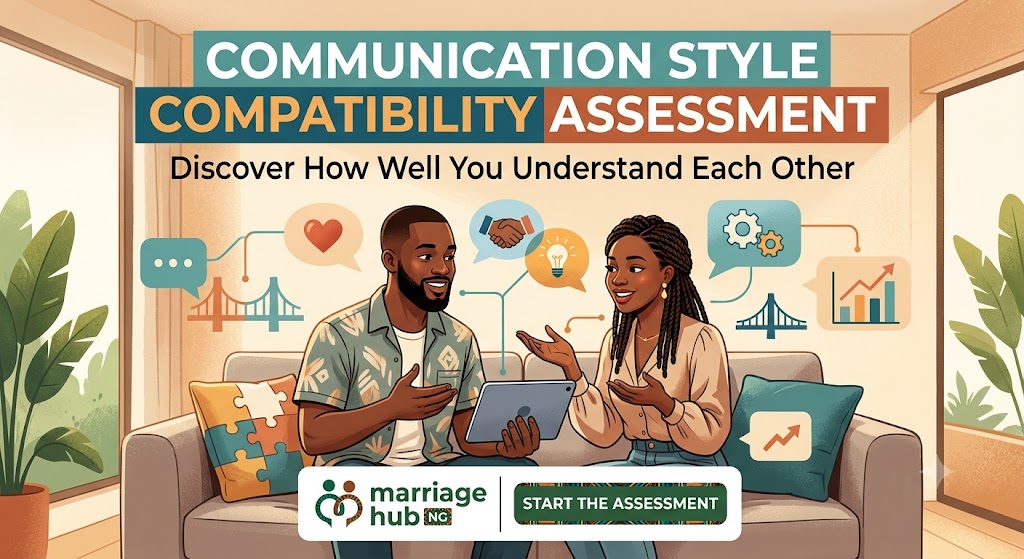
Communication is the cornerstone of emotional intimacy. Counseling provides tools to:
-
Express feelings safely
-
Listen without judgment
-
Share vulnerabilities without fear of criticism
Scenario:
In Abuja, Amaka felt her husband, Chidi, never shared his stress about work. During counseling, she learned to ask open-ended questions and provide supportive responses. Chidi, in turn, felt safe to express emotions he had suppressed for years. Their bond deepened as communication improved.
Tip: Regular practice of “I feel…” statements fosters understanding and prevents resentment.
2. Identifying and Healing Emotional Wounds
Past experiences, betrayals, or unresolved conflicts can block emotional connection. Counseling helps couples:
-
Recognize patterns of emotional distance
-
Address past hurts constructively
-
Forgive and rebuild trust
Scenario:
In Lagos, Tunde and Bimpe struggled with emotional withdrawal after a minor infidelity. Counseling sessions helped them process the hurt, understand motivations, and rebuild trust gradually. The emotional distance narrowed as they addressed the root causes of pain.
Tip: Healing emotional wounds takes time and requires consistent effort from both partners.
3. Strengthening Empathy and Understanding
Empathy—the ability to understand a partner’s perspective—is essential for emotional connection. Counseling exercises develop empathy through:
-
Perspective-taking exercises
-
Role reversal techniques
-
Guided discussions about feelings and experiences
Scenario:
In Port Harcourt, Chika and Emeka often argued about household responsibilities. Through counseling, they engaged in role-reversal exercises, allowing each to experience the other’s challenges. Understanding each other’s perspective increased respect and emotional intimacy.
Tip: Regularly asking “How do you feel?” and listening actively reinforces empathy outside counseling sessions.
4. Rebuilding Trust
Trust is a critical component of emotional connection. Counseling provides tools to:
-
Identify trust breaches
-
Create step-by-step trust-building strategies
-
Monitor progress and celebrate milestones
Scenario:
In Abuja, Amaka experienced emotional neglect when Chidi prioritized work over family. Counseling helped Chidi implement small trust-building actions, like checking in during the day and sharing feelings openly. Over time, Amaka felt safer and more connected emotionally.
Tip: Consistent actions build trust more effectively than words alone.
5. Encouraging Shared Vulnerability
Counseling creates a safe space for partners to express fears, insecurities, and dreams. Sharing vulnerability fosters intimacy and strengthens emotional bonds.
Scenario:
In Lagos, Funke and Ade initially avoided discussing their insecurities about parenting. Their counselor encouraged structured vulnerability exercises, helping them support each other emotionally and reduce defensive reactions. Emotional closeness improved significantly.
Tip: Vulnerability should be reciprocated—both partners need to engage for maximum impact.
Practical Counseling Exercises to Strengthen Emotional Connection
Counselors often assign exercises designed to deepen emotional connection. Here are five effective ones:
1. Daily Check-Ins
Purpose: Maintain emotional closeness through daily communication.
Method:
-
Spend 10-15 minutes sharing emotions, highlights, and challenges
-
Listen actively without interrupting
-
Respond empathetically
Scenario:
In Abuja, Amaka and Chidi’s nightly check-ins improved understanding and reduced emotional distance caused by busy work schedules.
2. Appreciation Journal
Purpose: Foster positivity and emotional bonding.
Method:
-
Each partner writes daily entries of what they appreciate about the other
-
Share and discuss entries weekly
Scenario:
In Lagos, Funke and Ade found that recognizing small gestures enhanced feelings of being valued and emotionally connected.
3. Conflict Resolution Script
Purpose: Resolve disagreements constructively.
Method:
-
Take turns expressing feelings using “I feel…” statements
-
Reflect on each other’s perspective
-
Collaboratively identify solutions
Scenario:
In Port Harcourt, Chika and Emeka used the script to discuss household duties calmly, fostering emotional closeness instead of escalating conflicts.
4. Trust Ladder
Purpose: Rebuild trust gradually, reinforcing emotional safety.
Method:
-
Identify areas of distrust
-
Take small steps to demonstrate reliability
-
Track progress and celebrate milestones
Scenario:
In Abuja, Amaka and Chidi rebuilt emotional trust by gradually increasing transparency and sharing daily experiences, enhancing their emotional bond.
5. Future Vision Board
Purpose: Align goals and aspirations, strengthening shared purpose.
Method:
-
List personal and joint goals
-
Discuss and visualize them on a board
-
Review progress regularly
Scenario:
In Lagos, Tunde and Bimpe used a vision board to plan career, family, and personal development goals. Sharing aspirations created a sense of unity and emotional intimacy.
The Role of Cultural and Social Factors in Nigeria
Nigerian couples face unique challenges that affect emotional connection:
-
Extended family expectations: Family interference can create stress and emotional distance
-
Cultural norms: Pride and stoicism may hinder open emotional expression
-
Work and economic pressures: Long work hours or financial stress may reduce quality time together
Counseling tailored to Nigerian cultural context helps couples:
-
Navigate family expectations without compromising the relationship
-
Express emotions in culturally appropriate ways
-
Prioritize relationship amidst societal and economic pressures
Scenario:
In Lagos, a couple’s counselor considered their Yoruba cultural background when guiding them on managing parental interference, enabling them to maintain emotional intimacy while respecting cultural norms.
Long-Term Benefits of Strengthened Emotional Connection
-
Improved Communication: Couples express needs and feelings openly
-
Enhanced Trust and Security: Partners feel safe and valued
-
Reduced Conflict: Disagreements are addressed constructively
-
Greater Intimacy: Emotional closeness fosters physical and sexual connection
-
Relationship Longevity: Strong emotional bonds enhance marital stability
Scenario:
In Abuja, after six months of counseling, Amaka and Chidi reported fewer arguments, deeper intimacy, and a renewed sense of partnership, demonstrating the long-term benefits of strengthened emotional connection.
Tips for Maintaining Emotional Connection Outside Counseling
-
Schedule regular check-ins and quality time
-
Practice active listening and empathy daily
-
Celebrate small gestures of appreciation
-
Revisit shared goals and dreams periodically
-
Engage in mutual vulnerability exercises
Scenario:
In Port Harcourt, Chika and Emeka continued counseling exercises after formal sessions ended. Daily check-ins and appreciation sharing maintained emotional closeness, illustrating that counseling provides lifelong skills, not just temporary solutions.
Challenges and How Counseling Helps
-
Emotional Distance: Counseling identifies causes and teaches reconnection strategies
-
Trust Issues: Structured exercises rebuild confidence gradually
-
Communication Breakdown: Counseling improves dialogue techniques
-
Cultural Pressure: Counselors help navigate expectations without harming emotional bonds
Scenario:
In Lagos, Tobi and Sade initially struggled with extended family interference affecting their emotional closeness. Counseling helped them set boundaries, prioritize their relationship, and strengthen emotional connection.
Conclusion: Counseling as a Bridge to Emotional Intimacy
Marriage counseling is a powerful tool for Nigerian couples seeking deeper emotional connection. Through guided exercises, open communication, trust-building strategies, and culturally sensitive approaches, counseling strengthens the emotional bond that underpins healthy, fulfilling relationships.
Key Takeaways:
-
Emotional connection is vital for trust, intimacy, and marital satisfaction
-
Counseling provides structured support to communicate, empathize, and heal
-
Exercises like Daily Check-Ins, Appreciation Journals, Conflict Resolution Scripts, Trust Ladders, and Vision Boards reinforce emotional closeness
-
Cultural and societal factors in Nigeria require tailored counseling approaches
-
Commitment, consistency, and practice ensure lasting emotional connection
Final Thought: Nigerian couples who embrace counseling as a proactive tool for emotional connection can navigate challenges, rebuild trust, and foster a marriage that is resilient, intimate, and deeply fulfilling. Emotional connection is not just a feeling—it is a skill that counseling helps couples cultivate for life.








.jpg)

Sign in to comment