 Nurturing Marriages, Enriching Families!
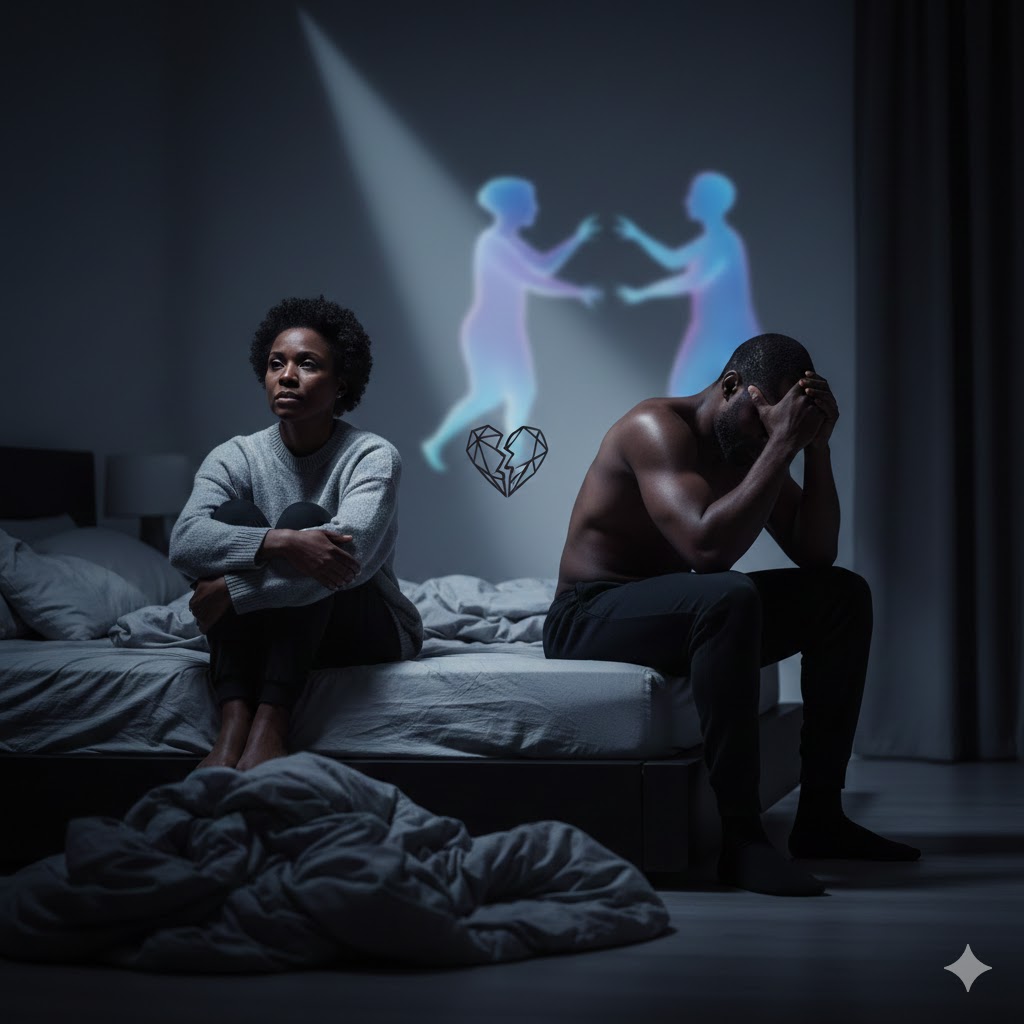
How Depression Affects Your Sexual Health
Depression is often associated with sadness, fatigue, and loss of motivation. But one of its most overlooked effects is how deeply it can impact sexual health. If you’ve noticed changes in your libido, performance, or emotional intimacy during a depressive episode, you’re not alone.
Sexual health is closely connected to mental health. When depression enters the picture, it can affect desire, arousal, satisfaction, and even relationship dynamics.
In this comprehensive guide, we’ll explore how depression affects your sexual health, why it happens, and practical steps you can take to improve both your emotional well-being and your intimate life.
Understanding Depression and Its Impact on the Body
Depression is more than just feeling “down.” It’s a mental health condition that affects brain chemistry, hormones, and overall physical health.
Neurotransmitters such as serotonin, dopamine, and norepinephrine play a crucial role in mood regulation and sexual desire. When depression disrupts these chemicals, it can significantly reduce sexual interest and pleasure.
Common symptoms of depression include:
-
Persistent sadness
-
Low energy or fatigue
-
Loss of interest in activities
-
Difficulty concentrating
-
Changes in sleep patterns
-
Feelings of worthlessness
Many of these symptoms directly interfere with sexual health and intimacy.
1. Reduced Libido (Low Sex Drive)
One of the most common sexual effects of depression is decreased libido.
Depression often causes anhedonia — the inability to feel pleasure. Activities that once felt enjoyable, including sex, may feel draining or unappealing.
Why this happens:
-
Low dopamine reduces motivation and pleasure
-
Emotional numbness decreases desire
-
Fatigue lowers physical interest
-
Negative self-perception reduces confidence
A reduced sex drive doesn’t mean you no longer love your partner. It’s often a symptom of the condition itself.
2. Erectile Dysfunction and Performance Issues
Depression can affect sexual performance, especially in men.
Studies show a strong link between depression and erectile dysfunction (ED). Psychological stress interferes with arousal signals between the brain and body.
Contributing factors include:
-
Anxiety about performance
-
Reduced blood flow due to stress
-
Hormonal imbalances
-
Low testosterone levels
It’s important to note that ED caused by depression is often psychological rather than purely physical — and treatable.
3. Difficulty with Arousal and Lubrication
For women, depression may cause:
-
Reduced vaginal lubrication
-
Delayed arousal
-
Decreased sensitivity
-
Difficulty reaching orgasm
Mental distraction and emotional numbness can prevent full engagement in sexual activity.
Since arousal begins in the brain, emotional distress can block the body’s natural response.
4. Trouble Reaching Orgasm
Depression can make orgasm more difficult for both men and women.
Orgasm requires:
-
Mental presence
-
Physical stimulation
-
Emotional comfort
Depression disrupts mental focus and decreases dopamine, the neurotransmitter associated with pleasure and reward.
This can lead to delayed orgasm or complete inability to climax.
5. Body Image and Self-Esteem Issues
Depression often damages self-worth. Negative thoughts such as:
-
“I’m unattractive.”
-
“I’m not good enough.”
-
“My partner deserves better.”
can make intimacy feel uncomfortable or anxiety-provoking.
Low self-esteem reduces sexual confidence and may cause avoidance of physical closeness.
6. Emotional Disconnection in Relationships
Sexual health is not just physical — it’s emotional.
Depression can create distance between partners due to:
-
Withdrawal
-
Irritability
-
Reduced communication
-
Emotional shutdown
When emotional intimacy declines, sexual intimacy often follows.
Partners may misinterpret reduced interest as rejection, which can create tension and misunderstandings.
7. The Impact of Antidepressants on Sexual Health
While antidepressants help manage depressive symptoms, some medications can affect sexual function.
Selective serotonin reuptake inhibitors (SSRIs) are commonly associated with:
-
Reduced libido
-
Difficulty reaching orgasm
-
Erectile dysfunction
-
Delayed ejaculation
However, not everyone experiences these side effects.
If sexual issues arise after starting medication, speak with your healthcare provider. Adjustments, dosage changes, or alternative medications may help.
Never stop antidepressants abruptly without medical supervision.
8. Chronic Stress and Hormonal Imbalance
Depression increases stress hormones like cortisol. Elevated cortisol levels can:
-
Lower testosterone
-
Reduce sexual desire
-
Interfere with arousal
-
Increase fatigue
Hormonal imbalance plays a key role in the link between depression and sexual dysfunction.
How Depression and Sexual Health Create a Cycle
Sexual difficulties can worsen depressive symptoms.
You may feel:
-
Frustrated
-
Ashamed
-
Guilty
-
Rejected
-
Inadequate
This emotional strain can deepen depression, creating a negative cycle.
Understanding that sexual changes are symptoms — not personal failures — is crucial to breaking this cycle.
Can Sexual Intimacy Improve Depression?
In some cases, healthy sexual intimacy can:
-
Release endorphins
-
Increase oxytocin (bonding hormone)
-
Reduce stress
-
Improve mood temporarily
However, forcing intimacy when emotionally unwell can increase stress.
The goal is not pressure — it’s healing.
When to Seek Professional Help
If depression is affecting your sexual health, consider professional support.
Seek help if you experience:
-
Persistent low mood lasting more than two weeks
-
Severe loss of interest in activities
-
Relationship strain due to intimacy issues
-
Sexual dysfunction causing distress
A licensed therapist, psychiatrist, or healthcare provider can help identify root causes and recommend appropriate treatment.
Practical Steps to Improve Sexual Health While Managing Depression
1. Prioritize Mental Health Treatment
Addressing depression directly often improves sexual function.
Treatment options include:
-
Therapy (such as cognitive behavioral therapy)
-
Medication management
-
Lifestyle changes
-
Stress reduction techniques
When mood improves, sexual interest often follows.
2. Communicate Openly With Your Partner
Honest communication reduces misunderstanding.
Explain that:
-
Your reduced desire is related to depression
-
It’s not a lack of love or attraction
-
You value the relationship
Emotional reassurance strengthens connection.
3. Focus on Non-Sexual Intimacy
Physical touch without pressure can rebuild closeness.
Examples include:
-
Holding hands
-
Cuddling
-
Gentle massage
-
Spending quality time together
Reconnecting emotionally often restores sexual comfort.
4. Improve Lifestyle Habits
Healthy routines support both mental and sexual health.
Consider:
-
Regular exercise
-
Balanced nutrition
-
Consistent sleep schedule
-
Limiting alcohol use
-
Practicing mindfulness
Exercise, in particular, increases endorphins and testosterone levels.
5. Manage Stress Actively
Chronic stress worsens both depression and sexual dysfunction.
Stress-reduction strategies:
-
Deep breathing
-
Journaling
-
Yoga
-
Meditation
-
Time outdoors
Lower stress supports hormonal balance.
6. Review Medications With Your Doctor
If antidepressants are affecting your sex life, discuss options with your provider.
Possible solutions:
-
Switching medications
-
Adjusting dosage
-
Adding supportive treatments
Many alternatives have fewer sexual side effects.
Supporting a Partner with Depression
If your partner is experiencing depression-related sexual changes:
-
Avoid taking it personally
-
Offer reassurance
-
Encourage professional support
-
Maintain emotional closeness
Patience and understanding are essential.
Final Thoughts
Depression can significantly affect your sexual health — from reduced libido and performance issues to emotional disconnection and medication side effects.
However, these challenges are not permanent or hopeless.
By addressing mental health, improving communication, and seeking professional support when needed, it’s possible to restore intimacy and rebuild connection.
Sexual health and mental health are deeply intertwined. When one suffers, the other often follows — but healing one can help restore the other.
If you or someone you know is struggling with depression, reaching out for help is a powerful first step toward recovery and improved overall well-being.









.jpg)

Sign in to comment