 Nurturing Marriages, Enriching Families!
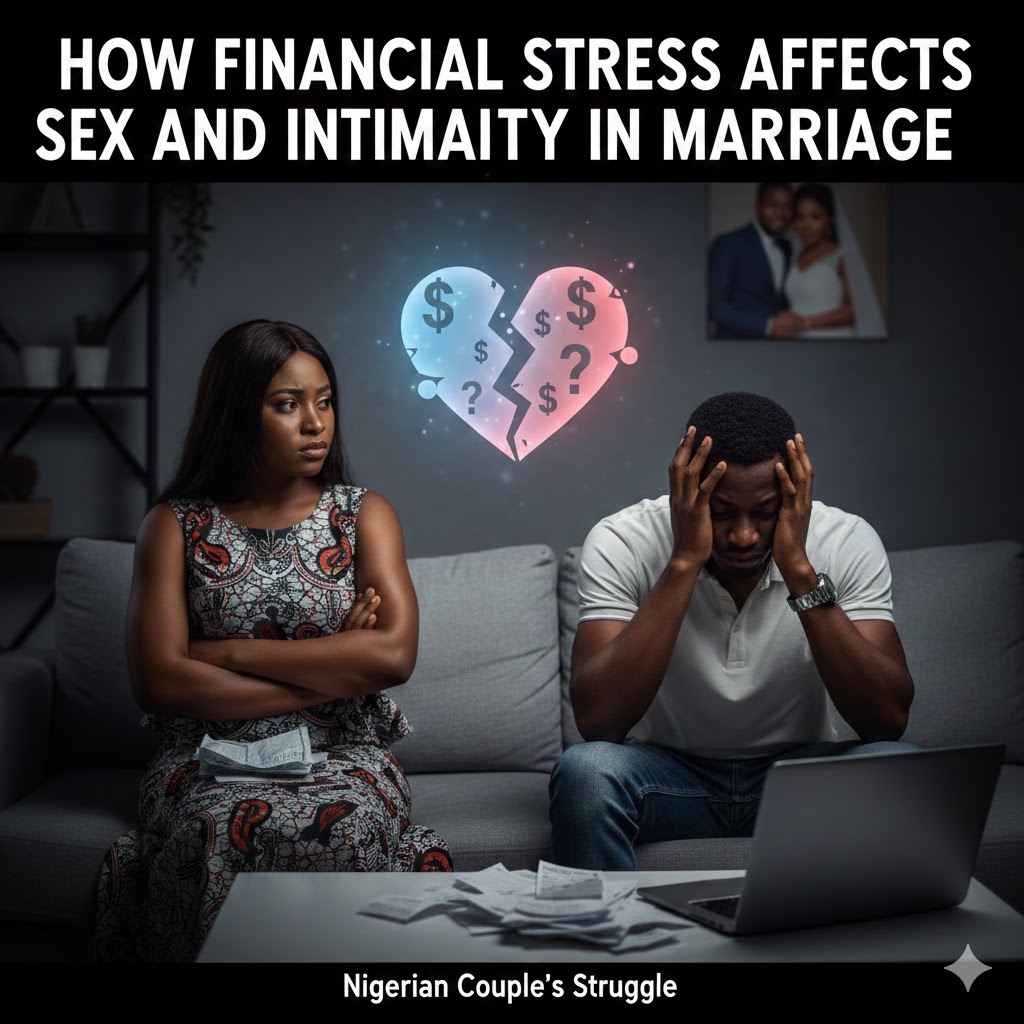
How Financial Stress Affects Sex and Intimacy in Marriage: A Nigerian Perspective
Marriage is a partnership built on love, trust, and mutual support, but financial stability often underpins the strength of that partnership. In Nigeria, where economic pressures, job insecurity, inflation, and family responsibilities weigh heavily on couples, financial stress is one of the leading causes of tension in marriage. Beyond arguments about money, financial stress can profoundly affect sexual intimacy, desire, and marital satisfaction.
Sex in marriage is not just a physical act—it is deeply tied to emotional, psychological, and relational health. Couples under financial strain may experience lower libido, reduced sexual frequency, emotional distance, and even resentment. Understanding how money-related stress impacts intimacy, and learning strategies to navigate these challenges, is essential for Nigerian couples who wish to maintain both marital harmony and sexual fulfillment.
This article explores the link between financial stress and sexual intimacy in marriage, examines the Nigerian cultural and economic context, and offers practical, safe strategies for couples to protect and enhance intimacy despite financial challenges.
The Link Between Financial Stress and Sexual Intimacy
Money is often described as one of the top stressors in marriage. Financial problems can manifest as arguments, resentment, and anxiety, which directly affect sexual desire. In Nigerian households, couples may face challenges such as job insecurity, inconsistent salaries, inflation, debt repayment, and extended family obligations. These pressures reduce energy, emotional availability, and sexual interest.
Research shows that stress triggers hormonal changes, particularly elevated cortisol, which decreases libido and sexual arousal. Couples experiencing financial tension may find themselves preoccupied with worries about bills, school fees, or business losses, making it difficult to feel relaxed and intimate. Fatigue from long working hours or side hustles compounds the issue, leaving little emotional or physical energy for sexual connection.
Emotional and Psychological Effects
Financial stress does not only impact desire; it affects emotional connection and trust. Nigerian couples often experience feelings of shame, inadequacy, or guilt when unable to meet financial expectations. Men may feel pressure to provide, while women may worry about household stability and children’s wellbeing. These emotions can lead to withdrawal, irritability, or conflict, all of which negatively influence sexual intimacy.
For example, a husband in Lagos struggling to pay school fees for his children may become emotionally distant or preoccupied, leading his wife to feel neglected. Conversely, a wife facing pressure to maintain the home and care for children on a tight budget may experience frustration or resentment, reducing her sexual desire. Emotional disconnection creates a cycle where stress reduces intimacy, and reduced intimacy increases stress.
Cultural Expectations and Gender Roles
In Nigeria, cultural norms and gender expectations amplify the impact of financial stress on marital intimacy. Men are often expected to be the primary providers, while women may be expected to manage the household efficiently. When financial goals are unmet, men may feel emasculated, leading to anxiety about sexual performance, while women may feel unsupported or burdened.
Extended family obligations, common in Nigerian culture, can intensify financial strain. Contributions to siblings’ weddings, care for elderly parents, or support for nephews and nieces can stretch limited resources, creating tension that seeps into the bedroom. Couples who internalize cultural expectations without discussing boundaries may find sexual desire dwindling under the weight of obligation and stress.
Practical Impacts on Sexual Behavior
Financial stress affects sexual behavior in several ways. Couples may experience reduced frequency of sexual activity due to fatigue, preoccupation, or emotional withdrawal. Spontaneity often declines, and sexual encounters may become perfunctory or mechanical. Nigerian couples juggling multiple jobs, side businesses, or unpaid family obligations may prioritize survival over intimacy.
Stress also affects sexual confidence. Men worried about job loss or income may struggle with erectile dysfunction, while women under pressure may feel self-conscious about their appearance or perceived desirability. These physical and psychological effects create a feedback loop, where sexual dissatisfaction fuels further stress, tension, and emotional distance.
Communication as a Protective Factor
Healthy communication can mitigate the negative impact of financial stress on sex and intimacy. Nigerian couples often avoid discussing money, but openly talking about financial challenges reduces secrecy, guilt, and resentment. Partners who share concerns, negotiate responsibilities, and express empathy maintain emotional closeness, which preserves sexual desire.
For instance, a couple in Abuja facing mortgage pressure may schedule regular “money talks” where they discuss budgets, income, and priorities without blame. This approach prevents financial worries from spilling into arguments in the bedroom, allowing sexual intimacy to remain emotionally connected and satisfying.
Emotional Intimacy and Non-Sexual Connection
Even under financial stress, emotional intimacy can sustain sexual connection. Couples who engage in affectionate touch, verbal appreciation, shared laughter, and quality time reinforce their bond and desire. Nigerian couples often find that small gestures—holding hands, hugging after work, or planning simple date nights—enhance closeness and reduce tension. Emotional connection acts as a buffer, helping couples maintain sexual satisfaction even during periods of financial difficulty.
Prioritizing Physical and Mental Health
Financial stress often leads to neglect of personal health. Poor nutrition, insufficient sleep, and lack of exercise reduce energy levels and sexual vitality. Nigerian couples under financial pressure can counteract these effects by prioritizing health through simple measures: walking together, preparing healthy meals on a budget, practicing relaxation techniques, and ensuring adequate rest. Physical wellbeing supports sexual desire and strengthens resilience to stress.
Strategies to Reignite Sexual Desire
Couples can employ safe and healthy strategies to maintain sexual excitement during financial strain:
-
Scheduling Intimacy: Planning intimate moments ensures that sex is not neglected despite busy schedules. Spontaneity is ideal, but intention creates opportunity.
-
Non-Penetrative Intimacy: Kissing, cuddling, massage, and affectionate touch foster sexual connection when energy or time is limited.
-
Creativity on a Budget: Nigerian couples can explore low-cost ways to maintain excitement, such as romantic home dinners, thoughtful gestures, or playful games.
-
Sharing Responsibilities: Dividing household and childcare duties reduces stress and frees emotional and physical energy for intimacy.
-
Mutual Support: Encouraging each other emotionally during financial hardship reinforces trust and desire.
Real-Life Nigerian Scenarios
In Lagos, a couple running a small business struggled with irregular income and mounting bills. Initially, financial pressure led to frequent arguments and reduced sexual activity. By introducing structured money discussions, taking turns managing stress, and intentionally scheduling intimate evenings, they rebuilt both emotional and sexual connection.
In Ibadan, a couple with multiple children and extended family obligations found their sexual life suffering due to fatigue and worry. They implemented non-sexual intimacy routines, such as bedtime hugs, shared quiet moments, and verbal affirmations of love. Over time, these gestures strengthened emotional connection and reignited desire, demonstrating that intimacy does not require wealth—it requires attention and care.
Financial Counseling and Professional Support
Professional guidance can be invaluable. Financial counseling helps couples create realistic budgets, set priorities, and reduce conflict. Marriage counseling addresses the emotional and sexual impact of financial stress. In Nigeria, where seeking professional help may be stigmatized, couples who pursue counseling often experience improved communication, reduced anxiety, and enhanced sexual satisfaction.
Long-Term Effects of Neglecting Financial Stress
Ignoring financial stress can have severe consequences for marital intimacy. Persistent tension erodes trust, reduces emotional connection, and may lead to sexual dissatisfaction or infidelity. Nigerian couples who fail to address financial concerns often find that unresolved stress damages both the marriage and sexual relationship over time. Addressing issues proactively preserves desire, satisfaction, and marital harmony.
Cultural and Religious Considerations
Cultural and religious beliefs in Nigeria influence how couples approach financial stress and sex. Religious teachings often encourage patience, mutual support, and partnership, emphasizing the marital bond over material concerns. Couples who integrate cultural wisdom and religious guidance into their financial and sexual lives can strengthen both intimacy and resilience. For example, Christian teachings encourage couples to bear burdens together, while Islamic principles emphasize fairness, respect, and emotional care—all of which support sexual and emotional connection.
Conflict Resolution and Forgiveness
Financial stress inevitably leads to disagreements. Nigerian couples who practice constructive conflict resolution, forgiveness, and empathy maintain emotional and sexual intimacy. Avoiding blame, acknowledging each other’s efforts, and negotiating solutions prevent resentment from spilling into the bedroom. Forgiveness restores emotional safety, which is essential for sexual desire to thrive.
Planning for the Future
Couples who plan for financial stability experience less stress and stronger intimacy. Nigerian couples can create savings plans, emergency funds, and shared financial goals to reduce anxiety. Knowing that they are working together toward security allows partners to relax, enjoy intimacy, and focus on connection rather than worry.
Sexual Excitement Despite Financial Stress
Sexual excitement does not disappear during financial challenges. Couples who prioritize emotional closeness, communication, creativity, and mutual support can maintain desire and satisfaction. Simple, safe strategies—like affectionate touch, playful teasing, shared activities, and low-cost date nights—enhance intimacy. Nigerian couples who approach sexual connection as a partnership rather than a luxury preserve passion even in difficult seasons.
Final Thoughts
Financial stress is a significant factor that affects sexual intimacy and overall marital satisfaction in Nigeria. Work pressure, debts, extended family obligations, and economic instability challenge both desire and emotional connection. However, couples who communicate openly, maintain emotional closeness, creatively explore intimacy, and seek professional support can protect and enhance sexual satisfaction despite financial hardships.
Marriage is a partnership, and intimacy thrives when both partners feel supported, understood, and valued. Nigerian couples who navigate financial stress with empathy, patience, and mutual respect not only strengthen their marriage but also enjoy richer, more fulfilling sexual connection. Sex and intimacy, when nurtured alongside financial and emotional wellbeing, become sources of joy, bonding, and resilience in the face of life’s challenges.









.jpg)

Sign in to comment