 Nurturing Marriages, Enriching Families!
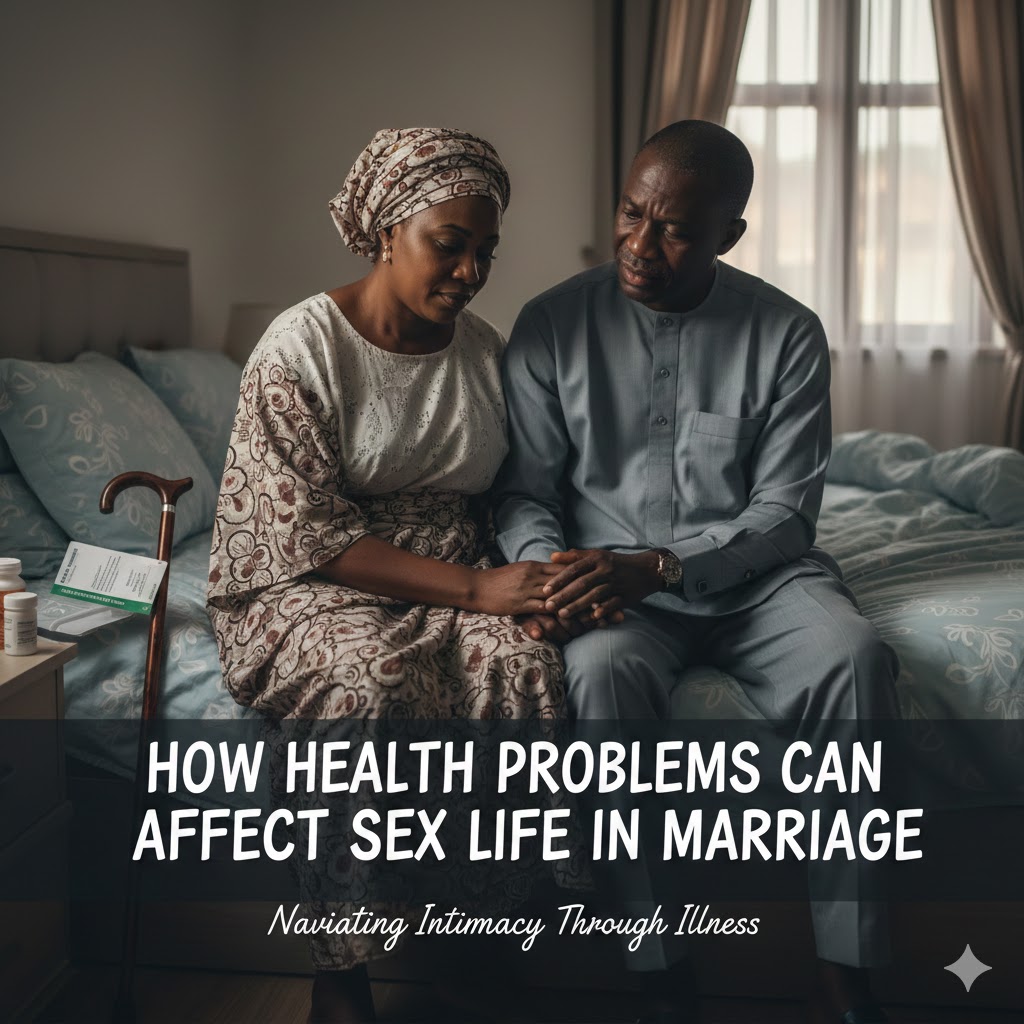
How Health Problems Can Affect Sex Life in Marriage: A Nigerian Perspective
Sexual intimacy is a crucial component of marital satisfaction. It strengthens emotional bonds, builds trust, and fosters a sense of connection between partners. However, health problems—physical, mental, or emotional—can significantly impact sexual desire, performance, and fulfillment. For many Nigerian couples, the effects of health challenges on sex are often overlooked or misunderstood, leading to frustration, emotional distance, and marital tension.
Understanding the link between health and sexual intimacy is vital for couples who wish to maintain a fulfilling marital relationship. By recognizing the challenges, seeking proper support, and taking practical steps to manage health issues, Nigerian couples can preserve their sexual connection even in the face of adversity.
The Relationship Between Health and Sexual Intimacy
Sexual intimacy is influenced by multiple factors, including physical health, mental well-being, and emotional closeness. Any condition that affects energy, mood, hormone levels, or physical function can interfere with sexual desire, performance, or satisfaction.
Health problems can disrupt sexual life in three major ways:
-
Physical Limitations: Conditions such as diabetes, hypertension, obesity, or chronic pain can reduce stamina, flexibility, and sexual performance.
-
Hormonal Imbalances: Disorders affecting testosterone, estrogen, or thyroid hormones impact libido, arousal, and sexual response.
-
Mental and Emotional Factors: Depression, anxiety, and stress-related disorders can decrease sexual desire and increase avoidance behaviors.
In Nigeria, these health issues are compounded by cultural stigma, limited access to healthcare, and a lack of sexual health education, making it essential for couples to approach these challenges proactively.
Common Health Problems That Affect Sexual Life
1. Chronic Illnesses
Chronic conditions such as diabetes, hypertension, cardiovascular disease, and kidney problems are increasingly common in Nigeria due to lifestyle changes, urbanization, and dietary habits. These illnesses affect sexual intimacy in several ways:
-
Diabetes: Can cause nerve damage, erectile dysfunction, vaginal dryness, and reduced sexual desire.
-
Hypertension: Certain medications for blood pressure may decrease libido or cause erectile difficulties.
-
Heart Disease: Physical exertion may be limited, reducing sexual stamina and causing anxiety about performance.
2. Hormonal Disorders
Hormonal imbalances significantly influence sexual desire:
-
Low Testosterone in Men: Leads to reduced libido, energy, and sexual confidence.
-
Estrogen Imbalances in Women: Can cause vaginal dryness, discomfort during sex, and reduced arousal.
-
Thyroid Dysfunction: Both hyperthyroidism and hypothyroidism can reduce sexual desire and cause fatigue.
3. Mental Health Issues
Mental well-being is critical for sexual satisfaction:
-
Depression: Lowers libido, diminishes energy, and reduces interest in intimacy.
-
Anxiety: Fear of performance failure or body image concerns can prevent sexual engagement.
-
Stress: Work pressure, family responsibilities, or financial worries common in Nigeria can decrease sexual frequency and satisfaction.
4. Physical Injuries and Disabilities
Injuries, surgeries, or physical disabilities can impact sexual activity:
-
Reduced mobility may limit positions or physical comfort.
-
Chronic pain may cause avoidance of sexual contact.
-
Self-esteem and confidence may decline, affecting desire.
The Nigerian Context
Several unique factors influence how health problems affect sexual life in Nigerian marriages:
-
Cultural Taboos: Open discussion of sexual challenges is often frowned upon, preventing couples from seeking help.
-
Limited Access to Sexual Health Services: Many Nigerians rely on traditional medicine or avoid professional consultation for sexual dysfunction.
-
Stressful Urban Lifestyle: Lagos, Abuja, and other urban centers present high-stress environments, long commutes, and demanding work schedules, which exacerbate health-related sexual issues.
-
Religious Beliefs: Some couples may feel shame discussing sexual dysfunction, believing it is a personal failing rather than a medical concern.
These factors make it essential for couples to understand the connection between health and sexual intimacy and seek culturally appropriate solutions.
Real-Life Nigerian Scenarios
Scenario 1: Lagos Couple and Hypertension
A Lagos-based couple noticed declining sexual activity after the husband was diagnosed with hypertension. He feared that sexual exertion might worsen his condition, and some medications caused erectile difficulties. By consulting a healthcare provider and adjusting treatment, along with open communication about sexual needs, the couple gradually restored intimacy while prioritizing safety.
Scenario 2: Abuja Couple and Postpartum Health
In Abuja, a wife experienced reduced libido and discomfort after childbirth due to hormonal changes and vaginal dryness. With medical guidance, the couple incorporated lubricants, emotional support, and gentle intimacy, helping the wife regain sexual confidence and desire.
Scenario 3: Port Harcourt Couple and Stress-Induced Sexual Decline
A couple in Port Harcourt faced sexual decline due to work-related stress. Both partners reported fatigue, irritability, and diminished desire. Through stress management techniques, shared responsibilities, and scheduling quality time, they restored emotional closeness and sexual intimacy.
Signs That Health Problems Are Affecting Sexual Life
Nigerian couples should watch for these signs:
-
Reduced sexual desire or interest in intimacy
-
Difficulty achieving or maintaining erections
-
Vaginal dryness or pain during sex
-
Decreased sexual satisfaction or pleasure
-
Avoidance of sexual contact due to fatigue or discomfort
-
Emotional withdrawal or frustration related to sexual performance
Early recognition allows couples to address both health and relationship issues before intimacy suffers further.
Strategies to Address Health-Related Sexual Challenges
1. Seek Medical Consultation
Professional evaluation is essential to identify underlying health issues affecting sexual life:
-
Regular check-ups for chronic conditions
-
Hormonal assessments
-
Mental health screening
Doctors can recommend treatments, medication adjustments, or therapies to improve sexual function safely.
2. Prioritize Mental Health
Emotional well-being is integral to sexual satisfaction:
-
Address anxiety, depression, or stress with counseling or therapy
-
Practice mindfulness, meditation, or relaxation techniques
-
Engage in activities that enhance emotional connection and reduce tension
3. Maintain Physical Health
Healthy lifestyle choices directly impact sexual performance and desire:
-
Exercise regularly to boost energy, stamina, and blood circulation
-
Eat a balanced diet to support hormonal balance and cardiovascular health
-
Get adequate sleep to prevent fatigue and improve libido
4. Open Communication
Couples must discuss sexual challenges openly:
-
Share concerns about health-related limitations
-
Explore alternative sexual activities that are comfortable and satisfying
-
Express desires and emotional needs without blame or criticism
5. Adapt Sexual Practices
Health problems may require modifications to sexual activity:
-
Experiment with positions that minimize discomfort
-
Use lubricants, pillows, or supportive aids as needed
-
Focus on non-sexual intimacy to maintain connection while gradually resuming sexual activity
6. Incorporate Stress-Reduction Techniques
Stress significantly impacts libido and sexual satisfaction:
-
Schedule regular date nights or quality time together
-
Delegate household responsibilities to reduce fatigue
-
Practice relaxation together, such as deep breathing or short walks
7. Utilize Cultural and Religious Support
In Nigeria, couples can integrate faith and cultural practices to support intimacy:
-
Couples counseling in faith-based contexts
-
Prayer and reflection to strengthen emotional connection
-
Community workshops on marital health and sexual education
Case Study: Lagos Couple Overcoming Diabetes-Related Sexual Dysfunction
A Lagos couple faced sexual dissatisfaction after the husband developed type 2 diabetes. Erectile dysfunction and low energy caused emotional distance. After consulting a physician and adjusting medications, they incorporated light exercise, dietary modifications, and scheduled intimate time. Emotional openness and consistent support allowed them to rebuild both sexual and emotional intimacy, illustrating the importance of combining health management with relationship strategies.
The Importance of Patience and Understanding
Health-related sexual challenges require patience, empathy, and realistic expectations. Nigerian couples may feel pressure to meet cultural expectations regarding sexual activity and marital roles, but understanding and support are essential. Sexual intimacy is restored gradually through mutual care, medical intervention, and emotional reconnection.
Practical Tips for Nigerian Couples
-
Regular Health Check-ups: Early detection of conditions such as diabetes, hypertension, and hormonal imbalances.
-
Open Conversations: Discuss limitations, fears, and needs related to sexual activity.
-
Non-Sexual Intimacy: Cuddling, hand-holding, and affectionate gestures maintain closeness.
-
Adapt Sexual Practices: Modify positions, timing, and intensity to accommodate health limitations.
-
Stress Management: Incorporate joint activities, prayer, or meditation to reduce emotional strain.
-
Professional Guidance: Seek counseling, therapy, or medical advice for sexual dysfunction.
-
Balanced Lifestyle: Exercise, diet, and sleep enhance sexual energy and performance.
Conclusion
Health problems can significantly affect sexual life in marriage, but they are not insurmountable. Nigerian couples face unique cultural, religious, and social pressures that can exacerbate these challenges, but with awareness, open communication, medical support, and emotional connection, sexual intimacy can be preserved and restored.
By addressing physical, hormonal, and mental health issues, adapting sexual practices, managing stress, and fostering emotional closeness, couples can maintain fulfilling sexual relationships even in the face of health challenges. Sexual intimacy thrives when partners are compassionate, proactive, and committed to both health and emotional connection.
Marriage is a partnership that requires attention to all aspects of well-being. Nigerian couples who understand the link between health and sexual satisfaction can build stronger, more resilient, and intimate relationships that endure the challenges of life, culture, and societal pressures.









.jpg)


Sign in to comment