 Nurturing Marriages, Enriching Families!
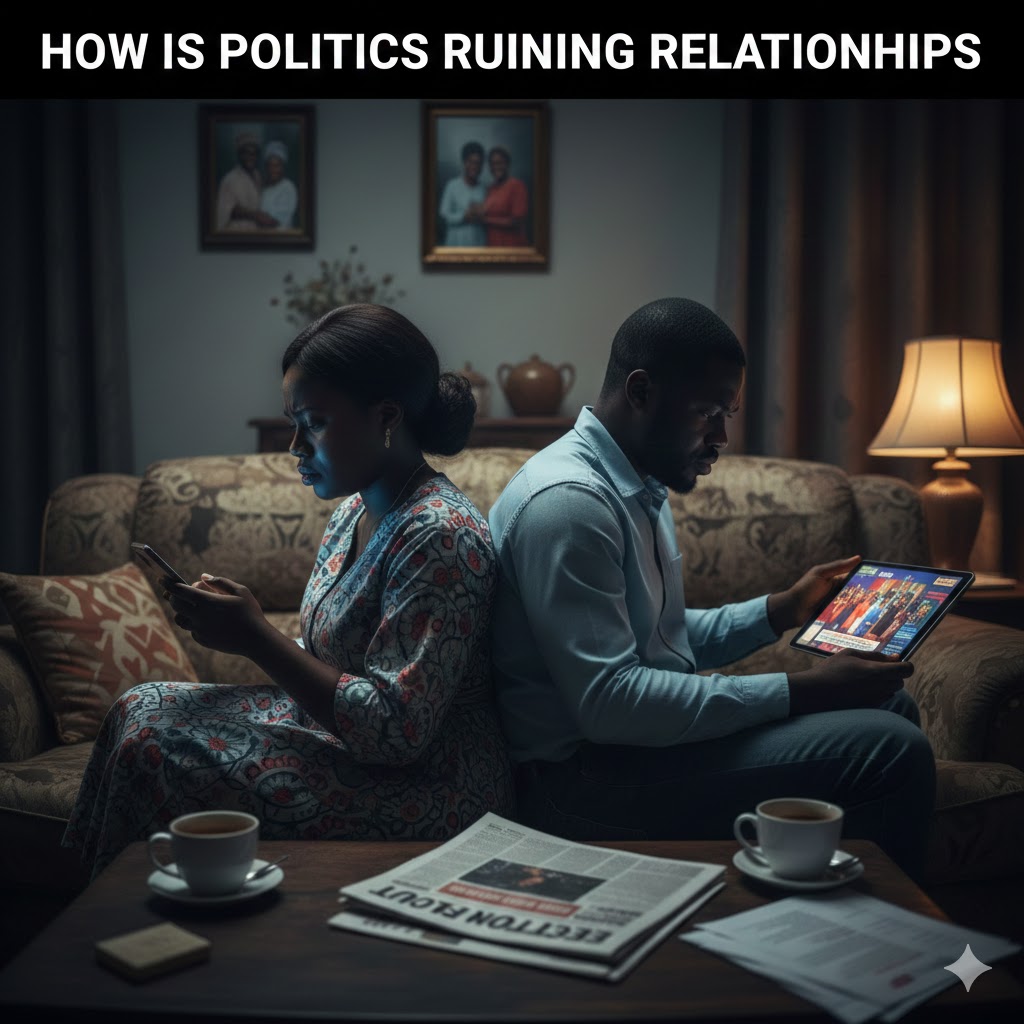
How Is Politics Ruining Relationships? Understanding the Strain of Political Differences
Politics is an unavoidable aspect of modern life. With constant news cycles, social media debates, and polarizing opinions, it’s easy for political discourse to seep into personal relationships. But when political beliefs clash between partners, friends, or family members, the consequences can be profound. In fact, political disagreements are increasingly cited as a major source of tension in relationships.
In this article, we explore how politics can affect relationships, why it creates conflict, and strategies for maintaining harmony despite differing views.
Why Politics Can Be So Polarizing
Political beliefs are deeply personal. They often tie into our values, ethics, and worldview, making disagreements emotionally charged. Unlike casual topics like favorite movies or hobbies, politics involves:
-
Moral beliefs and ethical considerations
-
Social and economic values
-
Identity and group affiliations
When these deeply held convictions are challenged, it can feel like a personal attack, even if the discussion is respectful.
The Role of Social Media
Social media amplifies political polarization by:
-
Encouraging echo chambers where people only see opinions similar to theirs
-
Promoting extreme viewpoints for engagement and attention
-
Creating environments for public shaming or ridicule
Couples, friends, or family members exposed to contrasting political opinions online may find themselves arguing more frequently or taking sides, which increases tension in personal relationships.
Signs Politics Is Ruining a Relationship
Political differences don’t always destroy relationships, but they can become toxic if ignored or mishandled. Common warning signs include:
-
Frequent arguments about politics: When casual conversations turn into heated debates regularly.
-
Avoidance of important discussions: One partner may avoid political topics entirely, creating communication gaps.
-
Disrespect or ridicule: Mocking or belittling someone for their beliefs fosters resentment.
-
Withholding affection or emotional distance: Political tension can reduce intimacy and emotional connection.
-
Social media spats: Online arguments spilling into real-life interactions can amplify conflicts.
Recognizing these signs early is crucial for maintaining a healthy relationship.
How Political Differences Affect Romantic Relationships
Politics can affect romantic relationships in multiple ways:
1. Emotional Disconnect
Couples who disagree on core political issues may feel misunderstood or alienated. Political beliefs often reflect deeper values, and opposing views can create emotional distance, making partners feel less compatible.
2. Social and Family Tension
Political differences can extend beyond the couple, affecting relationships with family and friends. For example, disagreements about elections, policies, or societal issues can strain family gatherings or social outings.
3. Lifestyle and Future Planning
Politics often intersects with decisions about finances, parenting, education, or social activism. Partners with opposing views may struggle to align on major life choices, leading to tension in long-term planning.
4. Increased Stress and Anxiety
Constant political arguments can lead to emotional exhaustion, increased stress, and anxiety. This may manifest as irritability, withdrawal, or even resentment toward the other person.
Why Political Differences Are More Prevalent Today
Several societal trends make political disagreements more likely to impact relationships:
-
Polarized political climate: Partisan divisions are sharper than ever, and political affiliation can feel like a reflection of personal identity.
-
24/7 news cycles: Continuous exposure to news amplifies emotional reactions and makes debates harder to avoid.
-
Social media echo chambers: Platforms encourage selective exposure to opinions, creating ideological bubbles.
-
Increased activism: People are more engaged and vocal about political issues, which can spill into personal relationships.
As a result, couples, friends, and family members must navigate political differences carefully to maintain harmony.
Strategies to Maintain Healthy Relationships Despite Political Differences
While political disagreements can strain relationships, there are practical ways to mitigate tension:
1. Establish Boundaries
Set clear boundaries around political discussions. For instance, agree to:
-
Avoid political debates during meals or family gatherings
-
Limit social media scrolling that triggers conflict
-
Respect each other’s need for personal space regarding political opinions
Boundaries prevent conflicts from becoming constant or overwhelming.
2. Focus on Shared Values
While political parties or policies may differ, many couples and families share core values, such as:
-
Respect for human dignity
-
Honesty and integrity
-
Love and support for family
Focusing on these commonalities rather than differences helps maintain connection.
3. Practice Active Listening
Listening without immediately responding or judging is crucial. Try to:
-
Understand the reasoning behind your partner’s beliefs
-
Ask clarifying questions rather than challenging assumptions
-
Validate emotions even if you disagree
Active listening fosters empathy and reduces emotional friction.
4. Agree to Disagree
Sometimes, it’s okay to accept that agreement isn’t possible. Agreeing to disagree allows:
-
Preservation of emotional intimacy
-
Avoidance of unnecessary conflict
-
Maintenance of respect despite differing opinions
5. Limit Political Discussions During High-Stress Times
During stressful periods, political discussions can exacerbate tension. Choosing when and how to engage in political dialogue can protect the relationship’s emotional health.
6. Seek Common Goals
Focus on shared relationship goals rather than political alignment. Examples include:
-
Raising children with shared values
-
Financial planning and household management
-
Mutual support in personal and career growth
Common goals strengthen the partnership and create a sense of teamwork.
7. Consider Professional Support
If political differences are causing significant strain, couples therapy or family counseling can provide guidance. A trained therapist can:
-
Facilitate productive communication
-
Teach conflict-resolution strategies
-
Help partners understand underlying emotional triggers
When Politics May Be Too Divisive
In some cases, political differences may indicate deep incompatibility, especially when they reflect opposing moral or ethical frameworks. Warning signs include:
-
Persistent contempt or disrespect
-
Inability to communicate without anger or resentment
-
Conflicting fundamental life values
-
Emotional or physical withdrawal due to political disagreements
If these signs persist, it may be necessary to reassess the relationship to protect emotional well-being.
Final Thoughts
Politics can be a major source of tension in relationships, but it doesn’t have to be destructive. Understanding why political disagreements cause stress, recognizing warning signs, and applying strategies like setting boundaries, practicing active listening, and focusing on shared values can help couples, friends, and families navigate differences successfully.
Remember, a strong relationship isn’t defined by identical political beliefs, but by respect, empathy, and intentional communication. By prioritizing connection over conflict, you can maintain meaningful relationships even amidst political polarization.
The key is balance: acknowledge differences without letting them dominate your interactions, and invest in the emotional health of your relationships alongside your civic engagement.





.jpg)

Sign in to comment