 Nurturing Marriages, Enriching Families!
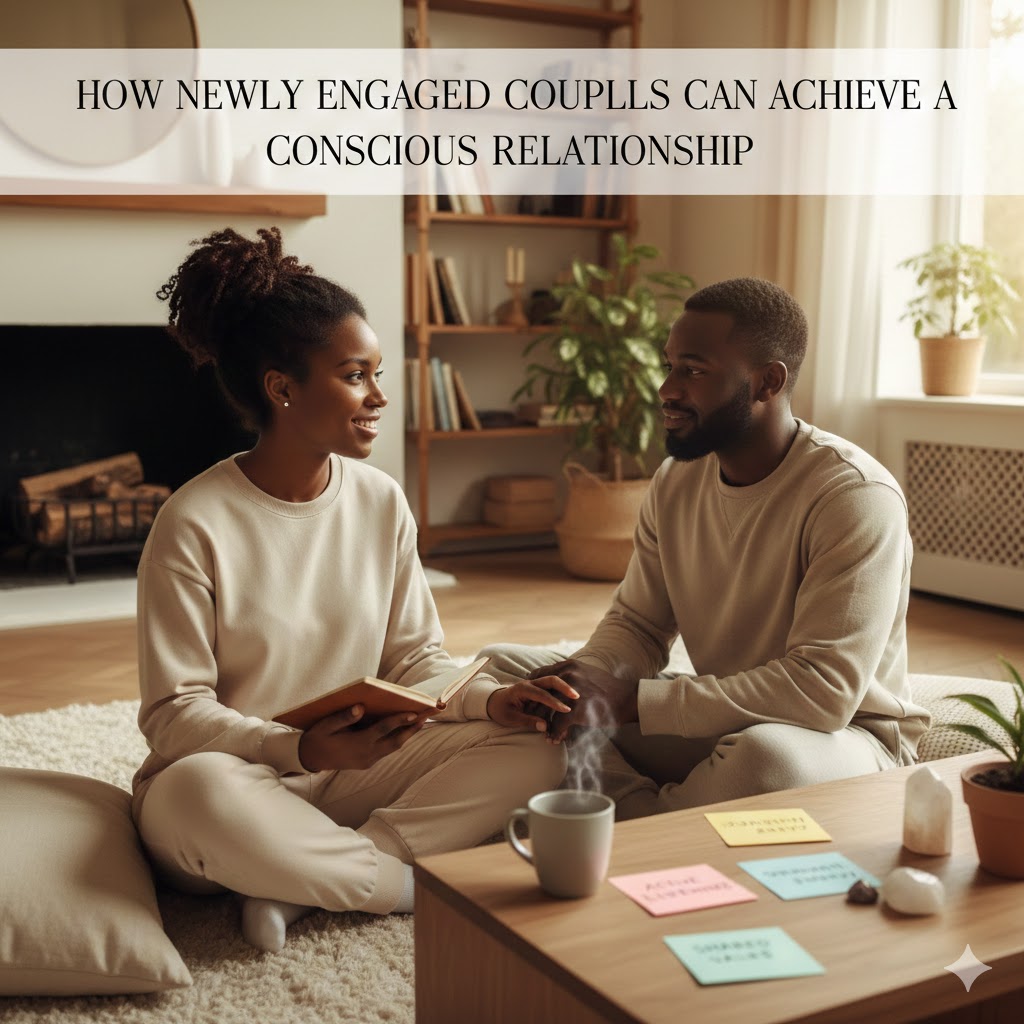
How Newly Engaged Couples Can Achieve a Conscious Relationship
Getting engaged is an exciting milestone in a romantic journey. It marks the transition from dating to a lifelong commitment, promising a future built on love, trust, and partnership. However, being newly engaged doesn’t automatically guarantee a healthy, fulfilling relationship. To truly thrive, couples need to cultivate conscious relationships—relationships built on awareness, intentionality, and mutual growth.
In this article, we explore what a conscious relationship entails, why it’s important for newly engaged couples, and practical steps to strengthen the bond before marriage.
What Is a Conscious Relationship?
A conscious relationship is one in which both partners actively engage in self-awareness, communication, and emotional growth. Rather than drifting along or letting unresolved patterns dictate the relationship, conscious couples take responsibility for their actions, emotions, and contributions to the partnership.
In conscious relationships:
-
Partners are mindful of their thoughts, feelings, and behaviors
-
They communicate openly and honestly
-
They prioritize mutual growth and shared goals
-
They navigate conflicts with empathy and understanding
For newly engaged couples, adopting a conscious relationship mindset early on sets the stage for long-term marital satisfaction and emotional intimacy.
Why Conscious Relationships Matter for Newly Engaged Couples
Engagement is more than a social or ceremonial milestone—it’s a preparation period for lifelong partnership. Couples who focus on developing a conscious relationship experience:
-
Stronger emotional connection: Conscious couples understand each other deeply, fostering intimacy and empathy.
-
Better conflict resolution: Mindful awareness allows partners to address disagreements constructively rather than reactively.
-
Aligned values and goals: Conscious couples actively explore compatibility in finances, family planning, and life priorities.
-
Sustained relationship satisfaction: Awareness and intentionality reduce misunderstandings and resentment over time.
In essence, engagement provides a unique opportunity to build a strong foundation that will support the marriage ahead.
Key Principles of a Conscious Relationship for Newly Engaged Couples
1. Prioritize Self-Awareness
A conscious relationship begins with self-awareness. Understanding your emotions, triggers, values, and expectations helps you communicate more effectively and avoid projecting unresolved issues onto your partner.
Practical steps:
-
Reflect on your personal goals, fears, and strengths
-
Identify patterns from past relationships that may affect your engagement
-
Journal your feelings or discuss insights with your partner
By becoming aware of yourself, you can approach the relationship with authenticity and clarity.
2. Communicate Openly and Honestly
Clear communication is the backbone of conscious relationships. This goes beyond surface-level conversations; it involves expressing needs, desires, fears, and boundaries.
Practical steps:
-
Schedule regular check-ins to discuss relationship goals
-
Practice active listening without judgment
-
Use “I” statements to express feelings without blame
Open communication helps couples address potential conflicts before they escalate and ensures both partners feel heard and understood.
3. Align Values and Life Goals
Many relationship challenges stem from misaligned values or differing expectations. Newly engaged couples have the advantage of time to explore these areas consciously.
Practical steps:
-
Discuss expectations around finances, career, family, and religion
-
Explore lifestyle preferences such as travel, health habits, and social life
-
Identify non-negotiables and areas for compromise
Shared understanding creates a roadmap for a harmonious partnership, reducing future conflicts.
4. Foster Emotional Intimacy
Emotional intimacy is about connecting on a deeper level beyond physical attraction. Conscious couples nurture trust, vulnerability, and empathy.
Practical steps:
-
Share your fears, dreams, and insecurities openly
-
Practice gratitude and acknowledgment for each other
-
Engage in activities that strengthen emotional bonds, like date nights or shared hobbies
Deep emotional connection lays the groundwork for long-term satisfaction and resilience in marriage.
5. Develop Conflict-Resolution Skills
Conflict is inevitable in any relationship. Conscious couples learn to approach disagreements constructively, ensuring challenges strengthen rather than weaken the partnership.
Practical steps:
-
Address issues calmly and without blame
-
Listen to understand, not just respond
-
Seek solutions collaboratively rather than aiming to “win”
-
Take breaks if emotions run high, then revisit discussions
Healthy conflict resolution reinforces trust, respect, and partnership—key ingredients for conscious relationships.
6. Cultivate Mutual Growth
Conscious relationships thrive when both partners encourage each other’s personal development. Supporting growth individually and as a couple strengthens the bond.
Practical steps:
-
Encourage each other to pursue personal interests, education, or career goals
-
Set shared goals, like fitness challenges, travel plans, or financial milestones
-
Celebrate each other’s achievements, both big and small
Mutual growth fosters respect, admiration, and fulfillment, preventing stagnation in the relationship.
7. Practice Mindfulness and Presence
Mindfulness enhances awareness and connection. Being fully present with your partner helps you notice subtle emotional cues, respond empathetically, and appreciate the relationship deeply.
Practical steps:
-
Dedicate tech-free time to connect each day
-
Practice mindfulness exercises together, like meditation or deep breathing
-
Notice and appreciate small gestures of love and effort
Mindful engagement strengthens bonding and reduces misunderstandings, creating a richer relational experience.
8. Set Intentional Boundaries
Boundaries are essential for maintaining self-respect and emotional safety. Conscious couples clearly define what is acceptable, protecting individuality while nurturing partnership.
Practical steps:
-
Discuss personal space, social interactions, and family involvement
-
Respect each other’s emotional and physical needs
-
Revisit and adjust boundaries as the relationship evolves
Healthy boundaries prevent resentment and ensure mutual respect, making the relationship sustainable.
9. Address Past Baggage
Unresolved past issues can interfere with engagement and marriage. Conscious couples acknowledge and work through emotional baggage before tying the knot.
Practical steps:
-
Identify lingering fears or insecurities from past relationships
-
Seek counseling or coaching if needed
-
Communicate openly about triggers and emotional needs
Addressing past baggage proactively ensures that the engagement is a fresh start, grounded in clarity and emotional health.
10. Celebrate the Journey
Finally, conscious relationships thrive when couples appreciate the journey, not just the destination. Engagement is a period of growth, learning, and connection.
Practical steps:
-
Celebrate milestones and achievements together
-
Express gratitude regularly for each other’s presence and support
-
Make time for joy, fun, and romance amidst wedding planning
Enjoying the process strengthens connection and builds a foundation of love and respect for the marriage ahead.
Final Thoughts
Newly engaged couples have a unique opportunity to cultivate a conscious relationship—a partnership rooted in self-awareness, intentionality, and emotional depth. By prioritizing communication, aligning values, nurturing intimacy, developing conflict-resolution skills, and encouraging mutual growth, couples can enter marriage with clarity, resilience, and harmony.
A conscious relationship is not about perfection; it’s about awareness, effort, and shared commitment to growth. Couples who invest in this mindset before marriage are better equipped to navigate challenges, strengthen their bond, and experience long-term marital satisfaction.
Engagement is not just a countdown to a wedding—it’s a chance to build a thriving, conscious partnership that can withstand life’s trials and flourish over time.









.jpg)




Sign in to comment