 Nurturing Marriages, Enriching Families!
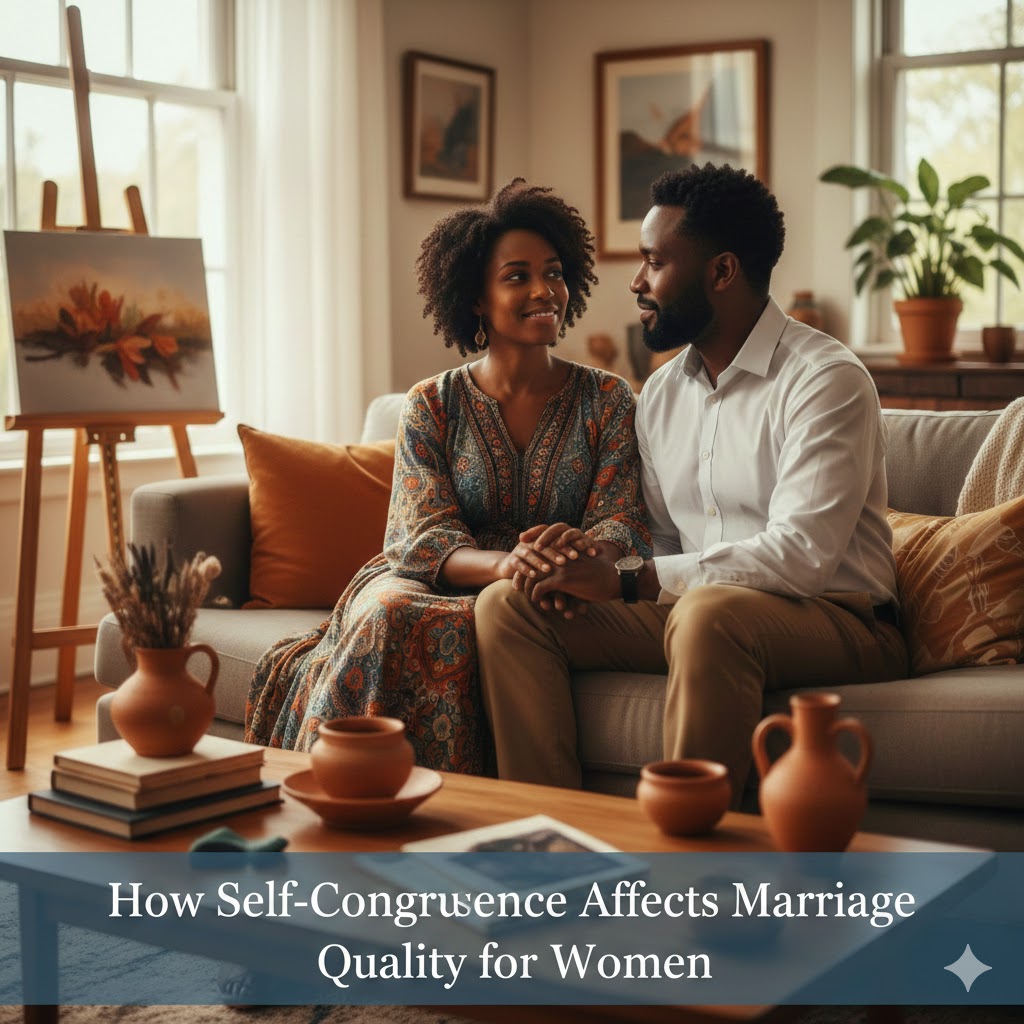
How Self-Congruence Affects Marriage Quality for Women
Marriage is often described as a partnership built on love, trust, and mutual respect. Yet, one factor that significantly influences marital satisfaction—especially for women—is self-congruence. Self-congruence refers to the alignment between a person’s true self and the roles, behaviors, or expectations they adopt in life. For women in marriage, maintaining self-congruence can affect emotional well-being, communication, and overall relationship quality.
In this article, we will explore how self-congruence affects marriage quality for women, why it matters, and practical ways to foster alignment between self-identity and marital roles.
Understanding Self-Congruence
Self-congruence, in psychological terms, is the harmony between your self-concept—your beliefs, values, and desires—and your actions or the roles you play in life. When your actions reflect your true self, you experience authenticity, confidence, and fulfillment. When there’s a disconnect, feelings of frustration, resentment, or dissatisfaction often arise.
For women, self-congruence is particularly important in marriage. Societal and cultural expectations can pressure women into conforming to certain roles—such as the perfect homemaker, caregiver, or supporter—sometimes at the expense of their personal identity.
The Connection Between Self-Congruence and Marriage Quality
Marriage quality refers to the emotional satisfaction, intimacy, communication, and stability in a marital relationship. Research indicates that women who experience self-congruence tend to have higher marital satisfaction. Here’s why:
-
Authenticity Enhances Emotional Intimacy
When women act in alignment with their true selves, they can communicate their feelings openly and honestly. Emotional intimacy thrives in marriages where both partners feel safe to express themselves authentically. -
Reduced Resentment
Suppressing personal needs or values to meet external expectations often leads to resentment. Over time, this can erode marital satisfaction and create emotional distance. -
Empowerment and Confidence
Women who maintain self-congruence are more confident in asserting boundaries, sharing opinions, and making decisions. This fosters mutual respect and reduces power imbalances in marriage. -
Improved Conflict Resolution
Self-congruent women are better equipped to handle disagreements constructively. They communicate clearly and stand by their values without compromising their integrity, which enhances problem-solving in marriage. -
Role Modeling for Families
Self-congruence allows women to model authenticity and healthy self-expression for their children, creating a positive family dynamic and promoting long-term emotional health for the entire household.
Signs Self-Congruence Is Lacking in Marriage
Identifying a lack of self-congruence is crucial for improving marriage quality. Common signs include:
-
Persistent dissatisfaction despite a loving relationship
-
Avoiding conflict or suppressing opinions to please your partner
-
Frequent feelings of guilt for prioritizing personal needs
-
Emotional withdrawal or reduced intimacy with your spouse
-
Feeling lost or disconnected from your own identity
Recognizing these signs early allows women to take proactive steps toward alignment, ultimately enhancing marital satisfaction.
Factors That Influence Self-Congruence in Marriage
Several factors can affect whether a woman experiences self-congruence in her marriage:
-
Cultural and Societal Expectations
Traditional gender roles may pressure women to prioritize caregiving, household duties, or spousal approval over personal goals. Balancing these expectations with self-authenticity is critical for marital happiness. -
Communication Patterns
Open, respectful communication with a partner supports self-congruence. Women who feel heard and validated are more likely to express themselves authentically. -
Personal Values and Goals
Marriage quality improves when women maintain clarity about their values, aspirations, and boundaries. Aligning personal goals with marital responsibilities ensures that self-congruence is preserved. -
Partner Support and Understanding
A supportive spouse who respects individuality and encourages authenticity contributes significantly to self-congruence and overall relationship satisfaction. -
Life Transitions
Major life events—such as childbirth, career changes, or relocation—can challenge self-congruence. Navigating these changes while maintaining personal identity is key to sustaining marital quality.
How Women Can Foster Self-Congruence in Marriage
Maintaining self-congruence requires intentional effort. Here are practical steps women can take:
1. Reflect on Personal Values
Identify your core values and priorities. Ask yourself:
-
What matters most to me in life and marriage?
-
Which roles bring me fulfillment, and which feel forced?
-
How can I express my authentic self while supporting my spouse?
Regular self-reflection helps women stay grounded and aligned with their true selves.
2. Communicate Openly and Assertively
Expressing feelings, needs, and opinions honestly is essential for self-congruence. Tips include:
-
Use “I” statements to share your perspective without blaming your partner
-
Set boundaries respectfully and clearly
-
Engage in regular check-ins about relationship satisfaction and expectations
Effective communication fosters understanding and reduces emotional tension.
3. Maintain Personal Goals and Interests
Don’t lose sight of personal aspirations after marriage. Maintaining hobbies, friendships, and career goals promotes self-congruence and reduces feelings of stagnation.
-
Schedule time for personal activities and growth
-
Encourage mutual support for each other’s goals
-
Celebrate accomplishments independently and together
4. Seek Support When Needed
Therapy, counseling, or support groups can help women navigate challenges to self-congruence. Professional guidance provides tools for:
-
Effective communication
-
Conflict resolution
-
Balancing personal identity with marital roles
Seeking support demonstrates self-respect and a commitment to a healthy marriage.
5. Foster Mutual Respect in Marriage
Self-congruence thrives in relationships built on mutual respect. Encourage a partnership where:
-
Both partners value individuality
-
Decisions are made collaboratively
-
Emotional needs are recognized and validated
Mutual respect reduces the pressure to compromise personal values and supports authentic self-expression.
Benefits of Self-Congruence for Marriage Quality
When women achieve self-congruence, the positive impact on marriage quality is profound:
-
Stronger emotional connection with spouse
-
Enhanced communication and trust
-
Reduced conflicts and resentment
-
Greater personal satisfaction and well-being
-
Sustainable and fulfilling marital partnership
By prioritizing authenticity, women create marriages that are resilient, respectful, and deeply satisfying.
Final Thoughts
Self-congruence is not just a personal benefit—it’s a cornerstone of marital satisfaction for women. Aligning your actions, behaviors, and roles with your true self fosters emotional intimacy, reduces resentment, and strengthens the partnership.
A marriage where both partners are self-congruent is likely to thrive, characterized by mutual respect, understanding, and shared growth. Women who actively nurture their self-congruence contribute not only to their personal fulfillment but also to the health and longevity of their marriages.
Recognizing the signs of misalignment, reflecting on personal values, communicating openly, and fostering mutual respect are essential strategies to maintain self-congruence. By doing so, women can cultivate marriages that are both deeply satisfying and supportive of their authentic selves.










.jpg)



Sign in to comment