 Nurturing Marriages, Enriching Families!
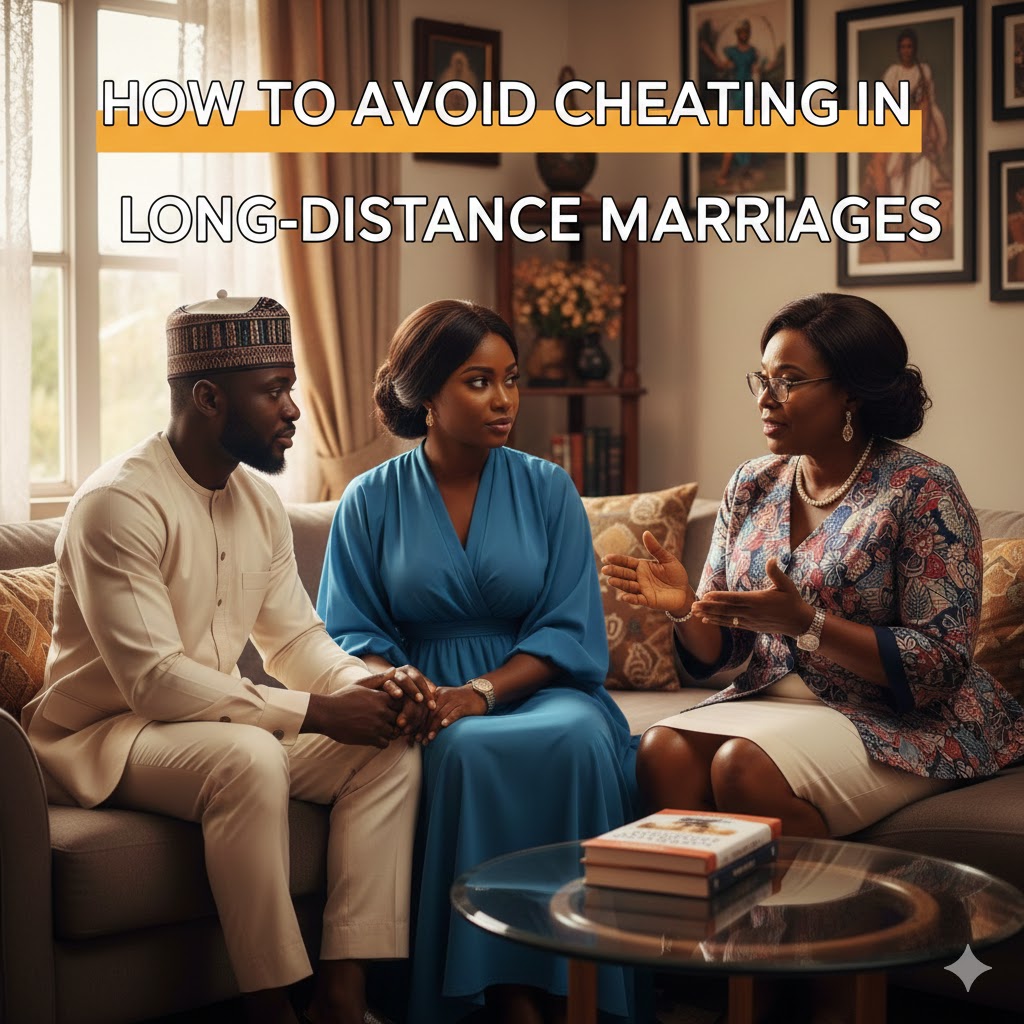
How to Avoid Cheating in Long-Distance Marriages: A Nigerian Couples’ Guide
Long-distance marriages are increasingly common in Nigeria due to work, education, and career opportunities abroad or in different cities. While physical separation is sometimes necessary, it comes with unique challenges, including trust issues, emotional distance, and the temptation of infidelity.
This article explores practical strategies to avoid cheating in long-distance marriages, illustrated with real-life Nigerian scenarios, and provides insights into maintaining emotional intimacy, trust, and healthy communication.
Understanding the Challenges of Long-Distance Marriages
Long-distance marriages (LDMs) involve couples living apart for extended periods while maintaining a committed relationship. The separation can lead to unique stressors:
-
Reduced physical intimacy – limited sexual and physical connection.
-
Emotional disconnect – feeling distant due to lack of shared daily experiences.
-
Trust and insecurity issues – doubts about fidelity and intentions.
-
Loneliness and temptation – exposure to situations where infidelity may be more likely.
Scenario:
In Lagos, Tobi and Sade maintained a marriage while Tobi worked in the UK for two years. The physical distance led to emotional gaps, which, if unaddressed, could have led to temptations or misunderstandings.
Psychological Reasons Cheating May Occur in Long-Distance Marriages
Understanding why long-distance couples may be at risk of cheating helps prevent infidelity:
1. Emotional Neglect
-
Feeling uncared for or neglected due to infrequent communication can create emotional vulnerability.
-
People may seek attention or emotional connection elsewhere.
Scenario:
In Abuja, Amaka felt emotionally neglected while Chidi worked abroad. She almost formed an emotional attachment with a colleague through texting and shared personal challenges. Counseling helped her maintain perspective.
2. Loneliness and Physical Temptation
-
Physical absence can increase loneliness, making individuals more susceptible to sexual temptation.
Scenario:
In Port Harcourt, Chika experienced loneliness when Emeka traveled for work. She almost gave in to flirtation with a new friend but reflected on the consequences and maintained commitment.
3. Miscommunication and Misunderstandings
-
Limited daily interactions may cause misunderstandings and resentment.
-
Miscommunication can lead to emotional distancing and increased risk of seeking fulfillment elsewhere.
Scenario:
Tobi misinterpreted a delayed response from Sade as disinterest. Without clarification, he nearly engaged emotionally with a colleague abroad.
4. Opportunity and Rationalization
-
Being apart may lead to situations where cheating feels “easier” or justified due to rationalizations like “It’s temporary” or “No one will find out.”
Scenario:
Amaka’s coworker encouraged casual flirtation, and she nearly rationalized it as harmless, but reflecting on her marriage values prevented a mistake.
Practical Strategies to Avoid Cheating in Long-Distance Marriages
1. Prioritize Communication
-
Make consistent communication a cornerstone of your relationship.
-
Schedule daily check-ins, video calls, or voice notes.
-
Be transparent about work, social interactions, and feelings.
Scenario:
In Lagos, Tobi and Sade committed to a 30-minute video call every evening to share updates, discuss challenges, and maintain emotional closeness.
2. Establish Boundaries and Expectations
-
Define what is acceptable and unacceptable behavior with other people.
-
Discuss social media interactions, friendships, and contact with potential romantic interests.
Scenario:
In Abuja, Amaka and Chidi agreed to be transparent about new friendships and social interactions, reducing suspicion and reinforcing trust.
3. Strengthen Emotional Intimacy
-
Share thoughts, feelings, and personal experiences regularly.
-
Engage in emotional check-ins and show appreciation for each other.
Scenario:
In Port Harcourt, Chika sent daily voice notes sharing how much she missed Emeka and reflecting on their memories together. This strengthened emotional intimacy despite physical distance.
4. Schedule Visits Strategically
-
Plan regular visits to maintain physical intimacy and emotional connection.
-
Make the most of each visit by engaging in shared activities and quality time.
Scenario:
Tobi visited Sade in Lagos every two months. During visits, they went on outings, cooked together, and reconnected emotionally, minimizing the temptation of seeking attention elsewhere.
5. Leverage Technology Wisely
-
Use video calls, instant messaging, and shared digital activities to bridge the gap.
-
Avoid over-reliance on social media for connection with others outside the marriage.
Scenario:
Chidi and Amaka used WhatsApp, Zoom, and Google Docs to plan family activities and celebrate milestones virtually, maintaining a sense of togetherness.
6. Address Problems Early
-
Conflicts left unresolved can escalate into resentment or emotional cheating.
-
Discuss challenges openly and consider professional guidance if needed.
Scenario:
In Abuja, Amaka noticed minor disagreements with Chidi escalating. They used counseling to address these early, preventing emotional distancing.
7. Maintain Trust and Accountability
-
Trust is critical in long-distance marriages.
-
Keep promises, maintain honesty, and avoid secretive behavior.
Scenario:
Chika and Emeka shared weekly schedules to assure each other of transparency and reliability, reinforcing trust in their marriage.
8. Focus on Personal Growth
-
Engage in hobbies, career development, or personal goals to reduce loneliness and dependence on external validation.
Scenario:
Tobi pursued professional certifications abroad, which kept him engaged and reduced vulnerability to emotional temptation.
9. Cultivate a Support System
-
Seek advice and emotional support from trusted friends, family, or religious leaders.
-
Avoid sharing private marital details with peers who may encourage temptation.
Scenario:
In Lagos, Sade confided in her older sister, who guided her through managing loneliness and emotional challenges during Tobi’s absence.
10. Use Counseling Proactively
-
Couples counseling is not just for crisis management.
-
Regular therapy sessions help strengthen communication, address insecurities, and reinforce commitment.
Scenario:
Amaka and Chidi attended online counseling while he was abroad. Their counselor provided strategies to manage distance, communicate effectively, and prevent temptation.
Common Mistakes to Avoid
-
Assuming trust alone is enough – trust must be actively maintained through communication and accountability.
-
Ignoring emotional needs – neglecting emotional intimacy can push partners toward infidelity.
-
Overexposing to temptation – frequent private interactions with potential romantic interests increase risk.
-
Suppressing feelings – hiding doubts, fears, or frustrations fosters emotional distance.
Scenario:
Chika almost engaged in flirtation due to suppressed feelings of neglect but avoided it by addressing her concerns with Emeka via video call.
Real-Life Nigerian Scenarios
Case Study 1: Tobi and Sade, Lagos
-
Challenge: Tobi worked in the UK, leaving Sade in Lagos for two years.
-
Action: They committed to daily communication, scheduled visits, and counseling.
-
Outcome: Emotional and physical intimacy remained intact, preventing infidelity despite distance.
Case Study 2: Amaka and Chidi, Abuja
-
Challenge: Chidi traveled for work, and Amaka felt lonely.
-
Action: They implemented clear boundaries, virtual bonding activities, and professional counseling.
-
Outcome: They avoided temptation, strengthened trust, and maintained marital stability.
Case Study 3: Chika and Emeka, Port Harcourt
-
Challenge: Emotional neglect due to long-distance separation.
-
Action: Used voice notes, virtual activities, and shared schedules to maintain connection.
-
Outcome: Emotional intimacy improved, reducing the risk of infidelity.
Benefits of Maintaining Fidelity in Long-Distance Marriages
-
Emotional Stability: Reduces stress, anxiety, and conflict.
-
Family Harmony: Protects children from emotional disruption.
-
Strengthened Trust: Builds resilience in the relationship.
-
Personal Integrity: Maintains self-respect and moral alignment.
-
Marital Satisfaction: Promotes long-term happiness and stability.
Scenario:
Tobi and Sade reported greater satisfaction and a deeper emotional connection after implementing trust-building strategies during their long-distance period.
Conclusion: Long-Distance Marriage Success in Nigeria
Avoiding cheating in long-distance marriages requires deliberate action, emotional intelligence, and consistent communication. Nigerian couples face unique challenges due to cultural expectations, family pressures, and societal norms, but with the right strategies, fidelity and emotional connection can be maintained.
Key Takeaways:
-
Prioritize communication and emotional intimacy.
-
Establish boundaries and expectations regarding interactions with others.
-
Plan regular visits and leverage technology to stay connected.
-
Address problems early and seek counseling proactively.
-
Build trust through transparency, consistency, and personal growth.
Final Thought: Long-distance marriages are not inherently at risk of infidelity. By understanding psychological vulnerabilities, addressing emotional needs, and maintaining intentional connection, Nigerian couples can thrive and strengthen their bond despite physical separation.









.jpg)




Sign in to comment