 Nurturing Marriages, Enriching Families!
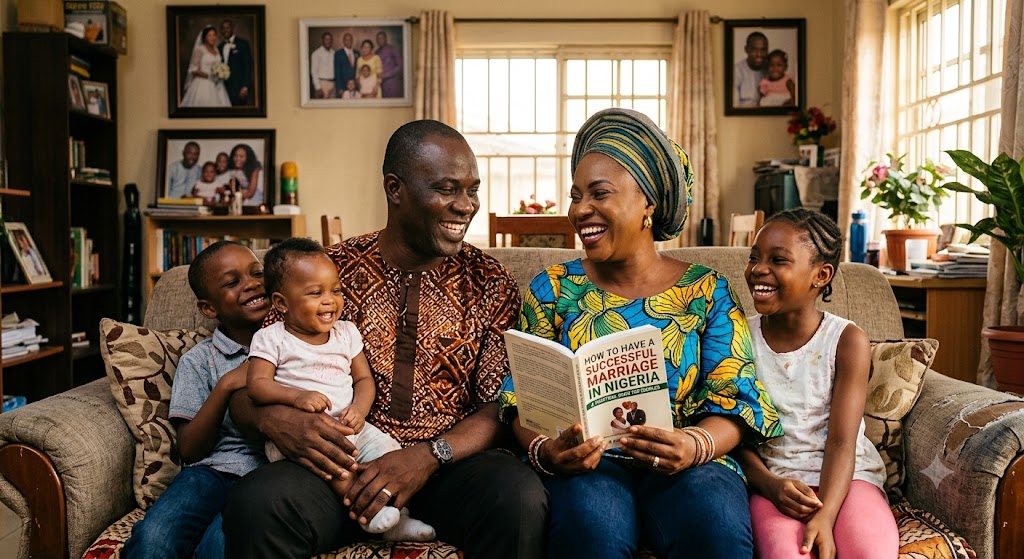
How to Have a Successful Marriage in Nigeria: A Complete Guide to Building a Happy and Lasting Relationship
Marriage is one of life's greatest commitments, yet it is also one of its most rewarding journeys. In Nigeria, marriage goes beyond the union of two individuals; it brings together families, cultures, traditions, and communities. Whether it is a traditional marriage, church wedding, court marriage, or Islamic Nikah, every couple begins their journey with dreams of building a peaceful, loving, and successful home.
However, while weddings are celebrated with glamour and excitement, the reality is that sustaining a marriage requires far more than a beautiful ceremony. It demands patience, understanding, communication, commitment, forgiveness, and continuous personal growth.
Across Nigeria, countless couples enjoy fulfilling marriages despite facing economic challenges, family pressures, career demands, and the rapidly changing social landscape. Their stories demonstrate that successful marriages are not built on perfection but on deliberate daily choices. Every marriage will encounter disagreements, disappointments, and unexpected circumstances, but the couples who endure are those who learn how to grow through challenges rather than allowing those challenges to divide them.
With inflation, rising living expenses, increased work demands, and the influence of social media, many Nigerian marriages are facing pressures that previous generations did not experience. Young couples often struggle with balancing careers, paying rent, supporting extended family members, raising children, and planning for the future.
Despite these realities, research and observations from marriage counsellors consistently show that financial hardship alone does not determine whether a marriage succeeds. Instead, the quality of communication, mutual respect, emotional connection, and shared commitment often have a much greater impact on marital satisfaction.
A successful marriage begins long before the wedding day. One of the most important decisions anyone can make is choosing the right life partner. Physical attraction and romantic feelings are valuable, but they should never be the only reasons for entering marriage. Compatibility in values, beliefs, financial habits, life goals, and emotional maturity creates a stronger foundation than emotions alone.
Many Nigerian couples later discover that they never had meaningful conversations about finances, children, career ambitions, family responsibilities, or expectations before getting married. These conversations may seem uncomfortable during courtship, but they often prevent significant misunderstandings later in marriage.
Communication remains the cornerstone of every healthy relationship. Couples who communicate openly and honestly tend to resolve disagreements more effectively and develop stronger emotional bonds over time. Unfortunately, many spouses live under the same roof while rarely having meaningful conversations.
Daily discussions become limited to bills, household responsibilities, and children's needs, leaving little room for emotional connection. Successful marriages are built when couples intentionally create time to talk about their dreams, fears, aspirations, and everyday experiences. Listening is just as important as speaking. Feeling heard and understood strengthens trust and reduces unnecessary conflicts.
Money continues to be one of the biggest sources of tension in Nigerian homes. The rising cost of food, transportation, housing, school fees, healthcare, and other living expenses has placed considerable pressure on many families. Couples who fail to discuss finances openly often experience recurring disagreements over spending, saving, investments, and financial responsibilities. Building a successful marriage requires financial transparency. Partners should understand each other's income, expenses, financial goals, and obligations to extended family members. Developing a household budget, maintaining emergency savings, and planning for future investments can significantly reduce financial stress.
The story of Chinedu and Amaka from Lagos illustrates this point. Shortly after their wedding, disagreements over money became a regular occurrence. Chinedu preferred investing his earnings for long-term growth, while Amaka believed they should enjoy their income and assist relatives whenever possible. Rather than allowing these disagreements to escalate, they attended financial counselling organised by their church. Together, they developed a monthly budget, established savings targets, and agreed on spending limits for non-essential purchases. Within eighteen months, the atmosphere in their home had changed dramatically.
Their income had not increased substantially, but their improved communication and financial planning enabled them to purchase their first property while enjoying a more peaceful relationship.
Respect forms another essential pillar of a successful marriage. Love without respect rarely survives difficult seasons. Respect is reflected not only in words but also in actions. It is demonstrated by speaking kindly during disagreements, appreciating each other's contributions, keeping promises, supporting personal ambitions, and avoiding public embarrassment. Every spouse desires to feel valued and appreciated. When respect becomes a daily habit, emotional safety develops naturally, making it easier for both partners to express themselves honestly without fear of ridicule or rejection.
Family relationships play a unique role in Nigerian marriages. Unlike many Western societies where couples operate independently, Nigerian families often remain closely connected after marriage. Parents, siblings, uncles, aunties, and in-laws may actively participate in important family decisions. While these relationships can provide valuable support, they can also create unnecessary tension if healthy boundaries are not established. Successful couples learn how to honour their parents while protecting the independence of their marriage. They avoid involving extended family in every disagreement and ensure that major decisions are made jointly rather than under external pressure.
Romance should never disappear after the honeymoon. Many couples become consumed by work, parenting responsibilities, business activities, and financial obligations, leaving little time to nurture their relationship. Yet marriage thrives on consistent affection and emotional connection. Simple gestures such as spending quality time together, taking evening walks, sharing meals without distractions, celebrating anniversaries, expressing gratitude, and occasionally planning surprise outings help sustain intimacy. Romance does not always require expensive vacations or luxurious gifts. Often, the smallest acts of thoughtfulness leave the greatest impact.
Disagreements are inevitable in every marriage. The absence of conflict is not what distinguishes successful couples; rather, it is how they manage disagreements. Some spouses respond to conflict with shouting, insults, prolonged silence, or even physical violence. Such reactions only deepen emotional wounds and make reconciliation more difficult. Healthy conflict resolution involves listening carefully, focusing on the specific issue, acknowledging mistakes, apologising sincerely, and working together toward practical solutions. Successful couples understand that preserving the relationship is more important than winning an argument.
Many older Nigerian couples attribute the longevity of their marriages to patience and self-control. An elderly retired teacher from Enugu once remarked during a marriage seminar that not every disagreement deserves a response. According to him, learning when to remain calm prevented countless unnecessary conflicts throughout his forty-five years of marriage. His experience reflects a timeless principle that continues to guide many successful families today.
Emotional intimacy is another characteristic commonly found in thriving marriages. While physical attraction may bring two people together, emotional closeness sustains the relationship over time. Couples who feel emotionally connected are more likely to trust one another, share personal struggles, encourage each other's dreams, and navigate life's challenges as a team. Emotional intimacy grows through consistent communication, empathy, kindness, and shared experiences rather than grand romantic gestures alone.
Physical intimacy also plays an important role in building a successful marriage. While discussions about sex are sometimes considered private or uncomfortable in many Nigerian homes, healthy couples understand the importance of communicating openly about their expectations, desires, concerns, and challenges. A satisfying intimate relationship strengthens emotional bonds and promotes trust between spouses. It is equally important to recognise that intimacy extends beyond the bedroom. Holding hands, offering words of encouragement, hugging after a stressful day, and showing affection through simple daily gestures all contribute to a stronger emotional connection. When both spouses feel loved, valued, and respected, physical intimacy often becomes more fulfilling and meaningful.
Faith continues to serve as a strong foundation for many successful marriages in Nigeria. Whether Christian or Muslim, couples who worship together often describe their shared spiritual values as a source of strength during difficult times. Financial setbacks, health challenges, infertility, career disappointments, and family crises can place enormous pressure on a marriage, but shared faith frequently provides hope, resilience, and perspective. Praying together, studying religious teachings, participating in religious communities, and encouraging one another spiritually help many couples remain united when facing life's inevitable storms.
Another important characteristic of successful marriages is the willingness of both partners to continue growing as individuals. Marriage should never become a barrier to personal development. Instead, it should provide a supportive environment where each spouse can pursue education, develop professional skills, grow a business, or achieve personal ambitions. When one partner succeeds, the entire family often benefits. Unfortunately, insecurity sometimes leads spouses to discourage one another's progress. Healthy marriages replace competition with collaboration, understanding that individual success contributes to the family's collective well-being.
A good example is the story of Funke and Tunde from Ibadan. After several years of marriage, Funke received an opportunity to enrol in a one-year professional certification programme that required evening classes. Rather than viewing her ambition as a threat, Tunde adjusted his work schedule so he could assist with childcare and household responsibilities. Although the arrangement demanded sacrifice from both of them, Funke completed the programme successfully and later secured a higher-paying position. The additional income improved their family's financial stability, enabled them to purchase their own home, and provided better educational opportunities for their children. Their story illustrates how mutual support can transform temporary sacrifices into lasting rewards.
The influence of social media has introduced new challenges into modern marriages. Platforms such as Instagram, Facebook, TikTok, and X frequently present carefully curated images of seemingly perfect relationships, expensive vacations, luxury homes, elaborate anniversary celebrations, and extravagant gifts. Constant exposure to these highlights can create unrealistic expectations and unnecessary comparisons. Many couples begin to feel dissatisfied with their own marriages simply because they compare their everyday realities with carefully edited snapshots of other people's lives. Successful Nigerian couples understand that social media rarely reflects the complete picture. Behind many glamorous photographs are struggles, disagreements, financial pressures, and personal challenges that remain hidden from public view. Rather than competing with others, wise couples focus on building a marriage that reflects their own values, goals, and circumstances.
Forgiveness is another quality that distinguishes lasting marriages. No husband or wife is perfect, and mistakes are inevitable in every relationship. Whether the issue involves hurtful words, broken promises, misunderstandings, or poor decisions, holding on to resentment gradually erodes trust and emotional intimacy. Forgiveness does not mean ignoring harmful behaviour or accepting repeated abuse. Instead, it involves choosing healing over bitterness when genuine remorse and positive change are present. Many experienced marriage counsellors observe that couples who learn to forgive sincerely are often able to overcome challenges that might otherwise have destroyed their relationship.
A successful marriage also depends on teamwork. Nigerian families often juggle demanding careers, businesses, childcare, household responsibilities, and obligations to extended family members. Couples who view these responsibilities as shared rather than individual burdens generally experience greater harmony. The exact division of responsibilities may vary depending on employment, health, culture, or personal preferences, but mutual cooperation is far more important than rigid roles. When spouses appreciate each other's efforts and willingly support one another, resentment is less likely to develop.
Parenting introduces another important dimension to marriage. The arrival of children often brings immense joy, but it also increases financial responsibilities, reduces personal time, and creates new pressures. Many couples become so focused on raising their children that they unintentionally neglect their own relationship. Successful parents recognise that investing in their marriage ultimately benefits their children as well. A peaceful home where parents communicate respectfully provides emotional security and serves as a powerful example of healthy relationships.
Learning should remain a lifelong commitment even after the wedding ceremony. Marriage is not a destination but a continuous journey of growth and discovery. Couples who attend marriage seminars, participate in relationship workshops, read books, listen to experienced mentors, and seek guidance when necessary often develop stronger communication skills and healthier relationships. Across Nigeria, many churches, mosques, family life organisations, and professional counsellors now offer programmes designed to help couples strengthen their marriages before small disagreements develop into major crises.
One encouraging trend in recent years is the increasing willingness of Nigerian couples to seek professional counselling. In the past, many people viewed counselling as something reserved for marriages on the verge of collapse. Today, more couples are recognising its value as a preventive measure rather than a last resort. Counselling provides a safe environment where spouses can discuss difficult issues, improve communication, rebuild trust, and develop practical strategies for resolving recurring conflicts. Seeking help should never be seen as a sign of failure. On the contrary, it demonstrates a commitment to protecting the relationship.
Another habit shared by many successful couples is the practice of setting common goals. Working together towards shared dreams strengthens emotional connection and creates a sense of partnership. Some couples focus on purchasing a home, establishing a family business, funding their children's education, supporting charitable causes, or preparing for retirement. Others dream of travelling together, building investments, or leaving a meaningful legacy for future generations. Shared goals remind spouses that they are partners working toward the same future rather than individuals pursuing separate lives.
Gratitude also contributes significantly to marital happiness. In the busyness of everyday life, it is easy to overlook the small victories that deserve celebration. A promotion at work, the successful completion of a business project, the repayment of a loan, a child's academic achievement, or simply another wedding anniversary provides an opportunity to express appreciation and reinforce emotional bonds. Couples who regularly acknowledge each other's efforts often experience greater satisfaction than those who focus only on problems.
Successful marriages are not defined by the absence of challenges but by the determination to face those challenges together. Throughout Nigeria, countless couples have overcome unemployment, financial hardship, infertility, illness, relocation, bereavement, and other life-changing experiences without allowing these difficulties to destroy their relationship. Their stories remind us that resilience, patience, understanding, and unwavering commitment remain powerful ingredients for marital success.
Ultimately, building a successful marriage in Nigeria requires intentional daily effort. Love may begin the journey, but trust sustains it. Respect deepens it. Communication strengthens it. Forgiveness restores it. Faith encourages it. Shared dreams inspire it. Every kind word, thoughtful gesture, honest conversation, and selfless act contributes to a stronger and happier home. Rather than asking how to change a spouse, the healthiest couples continually ask how they can become better husbands or wives themselves. This mindset of personal responsibility often becomes the catalyst for lasting transformation.
A successful marriage is not measured by the size of the wedding ceremony, the cost of the bride price, the luxury of the honeymoon, or the number of guests in attendance. It is measured by the quality of the relationship that continues long after the celebrations have ended. Every day presents another opportunity to choose love, patience, kindness, and commitment. Those daily choices, repeated consistently over many years, are what ultimately create marriages that stand the test of time.
If you are looking to strengthen your relationship, prepare for marriage, or connect with other people who share similar values, MarriageHub.ng offers a growing community and practical resources designed to support every stage of your relationship journey. You can join relationship groups and tribes at https://www.marriagehub.ng/all-groups or create your own group or tribe at https://www.marriagehub.ng/create-tribes-group to build meaningful connections and participate in healthy discussions about love, marriage, parenting, and family life.
You can also explore the MarriageHub Marketplace at https://www.marriagehub.ng/marketplace, where you'll find relationship books, counselling services, wedding products, digital downloads, gifts, courses, and other resources to help build stronger relationships and happier families.
Before saying "I do," or even if you're already married, you can Take the Marriage Readiness Test at https://www.marriagehub.ng/analyzer/index.php to evaluate your strengths and areas for growth. If you have sensitive relationship concerns, you can Ask Anonymous Questions at https://www.marriagehub.ng/questions-answers and receive helpful insights from the community. Planning a wedding or special celebration? Create a beautiful digital invitation through https://www.marriagehub.ng/annouce-my-event/.
Singles searching for a serious relationship can Find a Life Partner at https://www.marriagehub.ng/match-making/frontend/discover.php, while couples planning their wedding can Browse Trusted Wedding Vendors at https://www.marriagehub.ng/vendors.
Stay connected with MarriageHub Nigeria for expert relationship advice, inspiring stories, marriage tips, and community updates by following our WhatsApp Channel at https://whatsapp.com/channel/0029VbCav9MCcW4pw3GSM72w, X at https://x.com/MarriageHubNG, Facebook at https://web.facebook.com/MarriageHubNigeria, and Instagram at https://www.instagram.com/marriagehubng3.









.jpg)




Sign in to comment