 Nurturing Marriages, Enriching Families!

How to Plan a Dream Wedding on a Budget
Planning a dream wedding does not have to mean emptying your savings account or starting your marriage in debt. In today’s economy, where costs of venues, catering, décor, and fashion keep rising, many couples are searching for practical ways to have a beautiful wedding on a budget without compromising on meaning and joy.
The good news? A memorable wedding is not about how much you spend — it is about how well you plan. With smart budgeting, creativity, and clear priorities, you can host a stunning celebration that reflects your love story and values.
This guide will show you how to plan a dream wedding on a budget step by step, without stress and without financial regret.
1. Define What “Dream Wedding” Means to You
Before talking about money, sit down with your partner and define what your dream wedding really means.
Is it:
-
A large celebration with everyone you know?
-
A small, intimate gathering?
-
A church ceremony followed by a simple reception?
-
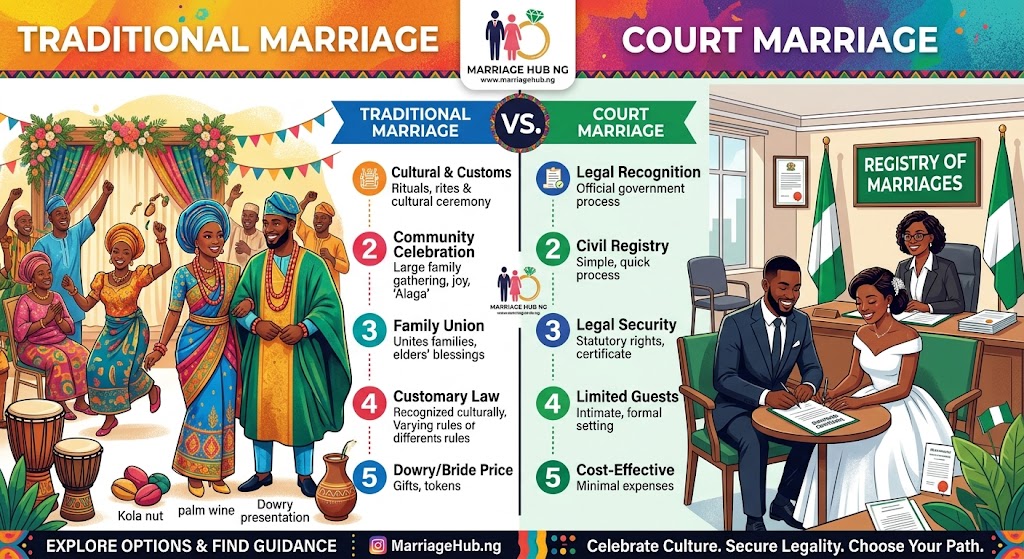
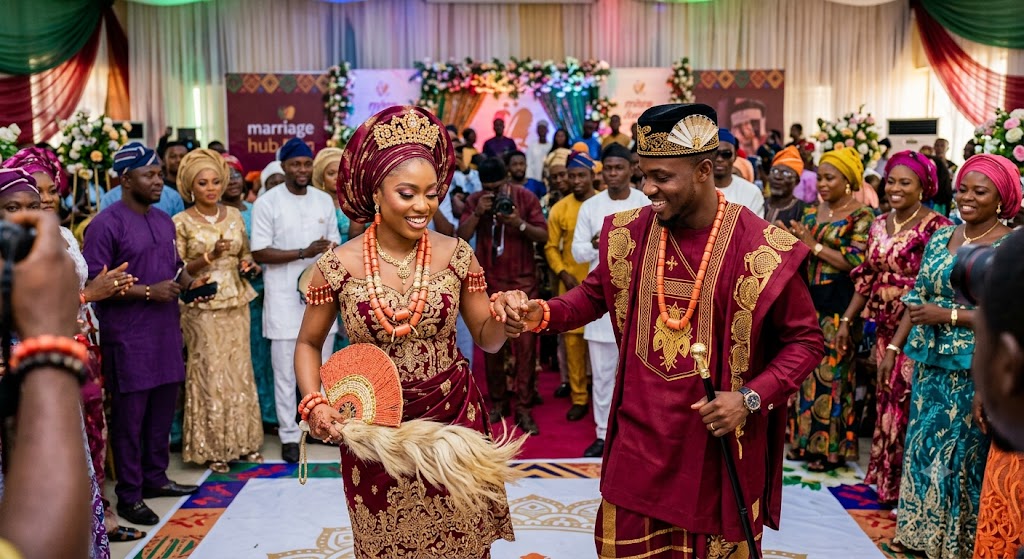
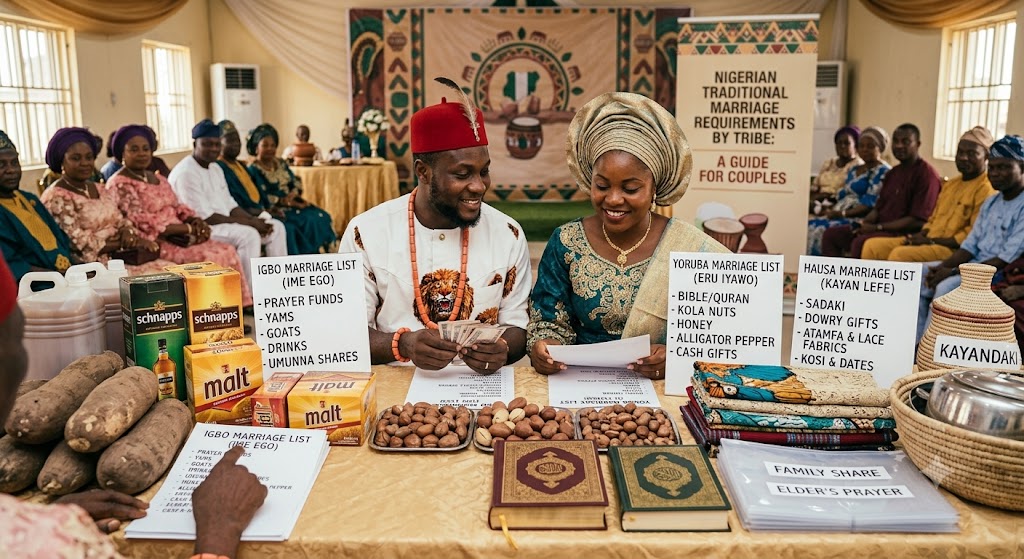
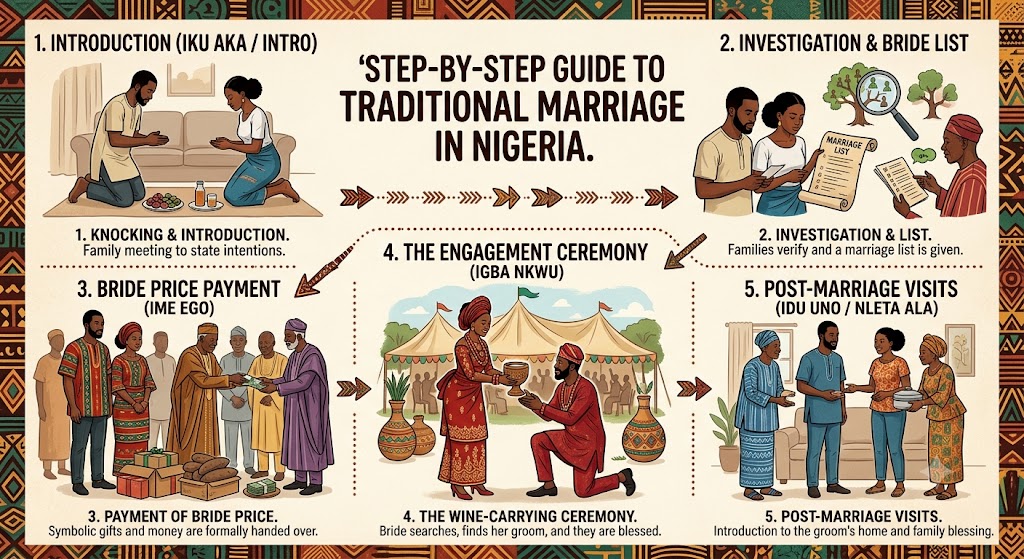
A traditional wedding with cultural rites?
-
A destination-style experience?
Many couples overspend because they are trying to impress people rather than focus on what truly matters to them. Your dream wedding might simply be:
-
A beautiful dress
-
Great food
-
Good music
-
Loved ones around you
Clarity reduces unnecessary expenses.
2. Set a Realistic Wedding Budget
The foundation of a budget wedding is an honest financial plan.
Ask yourselves:
-
How much do we have saved?
-
Are our parents contributing?
-
Are we willing to accept financial gifts instead of physical gifts?
-
Do we want to avoid loans?
Break your total budget into categories:
-
Venue
-
Catering
-
Outfit
-
Photography & videography
-
Decoration
-
Makeup & hair
-
MC & DJ
-
Invitations
-
Miscellaneous
A helpful strategy is the 40-30-20-10 approach:
-
40% for food and venue
-
30% for attire, photography, décor
-
20% for entertainment and logistics
-
10% for unexpected expenses
Always keep a contingency fund. Unexpected costs will come up.
3. Trim the Guest List Strategically
One of the biggest wedding expenses is catering — and catering depends on guest count.
If you want to reduce costs:
-
Invite close family and genuine friends.
-
Avoid inviting people out of obligation.
-
Consider separate ceremonies (small church ceremony + limited reception).
Remember: more guests = more food, more chairs, more souvenirs, more drinks, bigger venue.
An intimate wedding often feels more meaningful and less stressful.
4. Choose an Affordable Venue
Your venue choice affects everything — décor, catering logistics, and overall cost.
Budget-friendly venue ideas:
-
Church halls
-
Community centers
-
School halls
-
Family compounds
-
Outdoor garden spaces
-
Weekday venue bookings (often cheaper)
You can also:
-
Negotiate prices
-
Ask for off-peak discounts
-
Share venue space for traditional and white weddings on the same day
Creativity beats extravagance.
5. Simplify the Décor
Social media has raised wedding expectations. However, you do not need extravagant décor to create beauty.
Ways to cut décor costs:
-
Focus on a well-designed stage backdrop.
-
Use flowers selectively instead of everywhere.
-
Reuse ceremony flowers at the reception.
-
Use candles and fairy lights for ambiance.
-
Rent instead of buying props.
Minimalist décor can look elegant and classy.
Choose 2–3 main colors and stick with them. Overcomplicating themes increases cost.
6. Save Smart on Wedding Attire
Wedding attire is important, but it does not need to consume your entire budget.
For brides:
-
Consider renting a dress.
-
Buy a pre-loved gown.
-
Choose a simple design and customize.
-
Avoid excessive embellishments.
For grooms:
-
Rent a suit or tuxedo.
-
Wear a tailored suit you can reuse later.
-
Avoid multiple outfit changes.
Also, reduce the size of your bridal train. Large bridal parties increase:
-
Fabric costs
-
Makeup costs
-
Logistics expenses
A smaller bridal party saves money and reduces stress.
7. Be Strategic with Catering
Food is essential — but it can also be optimized.
Tips:
-
Offer a limited but quality menu.
-
Avoid unnecessary variety.
-
Choose local dishes over imported options.
-
Consider buffet service instead of plated service.
-
Limit alcoholic drinks or offer controlled servings.
You do not need ten meal options. Guests care more about taste and organization than quantity.
8. Hire Smart Vendors
Instead of going for the most popular vendors on social media:
-
Research emerging vendors.
-
Compare at least three quotations.
-
Ask for referrals from friends.
-
Negotiate respectfully.
-
Ask for package deals.
For example:
-
Some photographers offer combined photo + video packages.
-
Some decorators partner with event planners.
-
Some DJs include MC services.
Bundle services when possible.
9. Reduce Invitation Costs
Printed invitation cards are beautiful but expensive.
Budget-friendly alternatives:
-
Digital invitations
-
WhatsApp invitation designs
-
Email invites
-
Wedding website links
-
QR codes for directions
You can print limited physical cards for elders and close family members.
Digital options are cheaper and environmentally friendly.
10. DIY Where Possible
DIY (Do It Yourself) can significantly cut costs.
Ideas:
-
Create your own wedding website.
-
Design your own program.
-
Make simple centerpieces.
-
Create customized gift bags.
-
Print souvenir tags yourself.
However, do not DIY everything. Some things require professionals to avoid stress.
Balance is key.
11. Plan Early
Last-minute planning increases costs.
Vendors charge more for urgent bookings.
Start planning at least 6–12 months ahead. Early planning allows you to:
-
Lock in current prices.
-
Pay in installments.
-
Monitor expenses.
-
Avoid impulse spending.
Time gives you negotiating power.
12. Avoid Comparison Pressure
Comparison is one of the biggest enemies of budget weddings.
You may see luxury weddings online with:
-
Massive flower walls
-
Celebrity performers
-
Designer gowns
-
Fireworks
-
Luxury cars
But remember:
-
You do not know their financial situation.
-
Some weddings are sponsored.
-
Some couples go into debt.
Your wedding should reflect your reality and future goals.
The goal is a successful marriage — not a viral wedding.
13. Consider Combining Ceremonies
To reduce costs:
-
Combine traditional and white wedding on the same weekend.
-
Use the same décor setup.
-
Wear one major outfit for both ceremonies.
-
Host one reception instead of two.
This significantly cuts venue and logistics expenses.
14. Be Honest with Family
In many cultures, families want grand weddings.
Have an honest conversation about:
-
Your budget
-
Your future plans
-
Your financial boundaries
If family members want upgrades, they can contribute financially.
Clarity prevents conflict.
15. Focus on the Marriage, Not Just the Wedding
A wedding lasts a day. Marriage lasts a lifetime.
Ask yourselves:
-
Do we have savings after the wedding?
-
Are we planning for rent or a house?
-
Do we have emergency funds?
-
Are we ready for life after the ceremony?
Many couples regret overspending when financial pressure begins after the honeymoon.
Start your marriage peacefully — not under debt stress.
Sample Budget Allocation (Illustrative)
For example, if your budget is ₦2,000,000:
-
Venue & Catering – ₦800,000
-
Attire – ₦300,000
-
Photography/Videography – ₦250,000
-
Décor – ₦250,000
-
Makeup & Grooming – ₦100,000
-
Entertainment – ₦150,000
-
Invitations & Misc – ₦100,000
-
Emergency – ₦50,000
Adjust according to your priorities.
Final Thoughts
A dream wedding on a budget is absolutely possible.
It requires:
-
Clear priorities
-
Financial discipline
-
Honest communication
-
Early planning
-
Confidence in your decisions
At the end of the day, what guests remember most is:
-
The love between the couple
-
The joy in the room
-
The warmth of the celebration
Not the price tag.
Plan wisely. Spend intentionally. Celebrate fully.
And most importantly, build a marriage that is stronger than the wedding day.





.jpg)



Sign in to comment